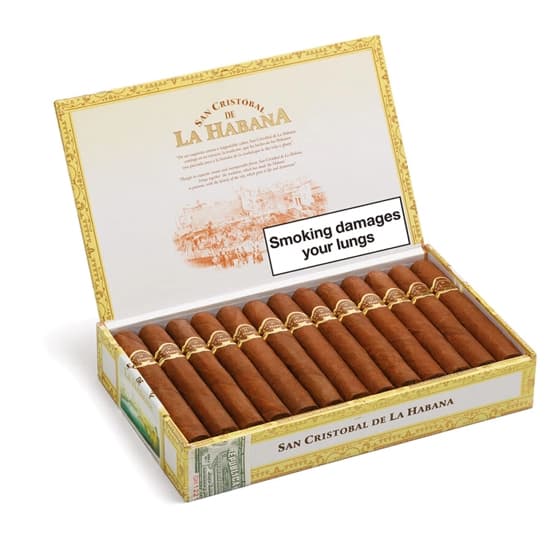
When it comes to Cuban cigar releases, few things excite collectors and connoisseurs more than discovering an exclusive regional edition that slipped past the radar of mainstream attention. The San Cristóbal de la Habana La Cabaña represents exactly that kind of hidden treasure—a domestically targeted release that showcases the marca's dedication to craftsmanship while offering smokers a distinctive vitola rarely seen outside special productions. This particular edition demonstrates how Cuban factories continue to innovate within their traditional framework, delivering a smoking experience that stands apart from the brand's regular portfolio.

Origins and Regional Significance
The La Cabaña Regional Edition emerged as part of a broader initiative by Habanos S.A. to create regional-specific releases that cater to particular markets. While many regional editions target international markets, this particular offering was reserved exclusively for the Cuban domestic market, making it considerably more difficult for foreign collectors to acquire. The decision to keep this release within Cuba speaks to both its intended audience and the limited nature of its production. As a member of the prestigious San Cristóbal de la Habana family, this cigar inherits a legacy of excellence while carving out its own unique identity through its specialized vitola choice and targeted distribution.
Technical Specifications and Construction
The Dobles format selected for this release provides smokers with a distinctive smoking experience that differs noticeably from more common parejo shapes. This particular vitola measures 155 millimeters in length, which translates to approximately 6⅛ inches, placing it in the medium-length category that many smokers find ideal for a focused smoking session without requiring an excessive time commitment.
- Vitola: Dobles
- Ring Gauge: 50
- Length: 155 mm (6⅛ inches)
- Weight: 14.58 grams
- Construction: Handmade
The 50-ring gauge provides a substantial presence in the hand and allows for an excellent balance between the tobacco wrapper and filler components. At 14.58 grams, each cigar offers a satisfying weight that signals quality construction and generous tobacco content. Being entirely handmade, each La Cabaña reflects the skilled labor of Cuban torcedors who have perfected their craft over generations, ensuring that the draw, burn, and smoke production meet the exacting standards expected from premium Cuban productions.
Packaging and Visual Presentation
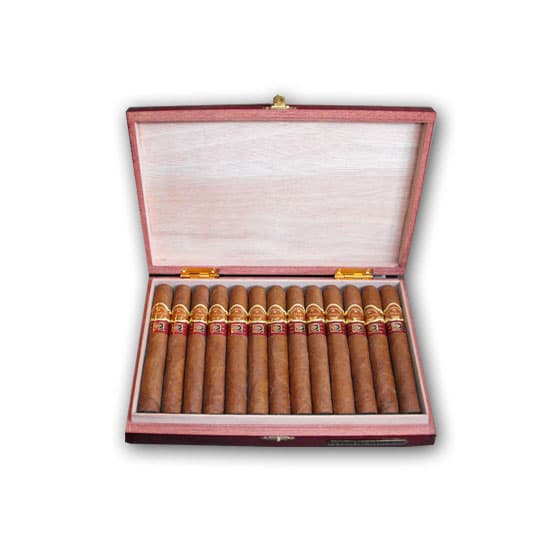
The presentation of the La Cabaña immediately communicates its special status through a thoughtful combination of branding elements. Each cigar features the standard San Cristóbal de la Habana band that smokers recognize from the brand's regular production, establishing immediate brand identification. However, the addition of a distinctive secondary band specifically designating this as a Regional Edition for Cuba creates a visual hierarchy that distinguishes it from standard releases.
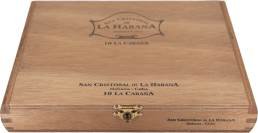
The cigars are housed in numbered varnished semi boîte nature boxes, with each container holding exactly 10 cigars. This packaging approach reflects the intimate nature of the release—unlike the large-format boxes common to mass production, the 10-count configuration suggests an exclusive offering meant for careful appreciation rather than casual consumption. The total production run was capped at 10,000 cigars, a figure that ensures scarcity while maintaining some level of accessibility for Cuban consumers who knew where to look.
Release Timeline and Market Availability
One of the more intriguing aspects of this release concerns its official dating versus actual market availability. While the La Cabaña carries a 2017 designation in official records, the cigars did not actually reach consumers until late 2019. This two-year discrepancy illustrates a phenomenon common within the premium cigar industry, where extended aging protocols and rigorous quality control measures can significantly delay a product's eventual release.
The aging period between production and release likely contributed positively to the smoking experience, allowing the tobaccos to marry and develop complexity that might not be present in freshly rolled cigars. For collectors, this timeline creates additional layers of complexity when tracking and dating their acquisitions, requiring attention to both printed production dates and actual market emergence. The delayed release also contributed to the cigar's mystique, as rumors and anticipation built within Cuban smoking circles before the La Cabaña finally appeared in authorized retail outlets.
This Regional Edition represents more than a simple marketing exercise—it demonstrates how the San Cristóbal de la Habana brand continues to honor Cuban heritage while pushing the boundaries of what exclusive releases can offer. For those fortunate enough to encounter this limited production, the La Cabaña promises a memorable smoking experience that reflects both the artistry of Cuban cigar making and the exclusivity that collectors crave.