In the diverse landscape of premium tobacco, few releases generate as much anticipation as those crafted specifically for a single nation. The San Cristóbal de la Habana Harimau Malaya stands as a prime example of this focused craftsmanship, arriving as a 2020 exclusive designated solely for the Malaysian market. This release is a proud participant in Habanos' globally recognized Edición Regional program, a initiative that allows distributors to request unique vitolas tailored to the tastes of their local clientele. By doing so, the brand offers a unique collectible that bridges the gap between Cuban tradition and Malaysian heritage.

A Symbol of National Pride
The choice of name for this cigar carries significant weight, moving beyond simple branding to touch upon cultural identity. "Harimau Malaya" translates to Malayan Tiger, an animal that serves as a potent national symbol deeply embedded in the psyche of the country. This naming convention aligns perfectly with the ethos of the Edición Regional series, which often seeks to honor the history, fauna, or geography of the target region. By invoking the tiger, the cigar immediately establishes a connection with local enthusiasts, offering them a sense of ownership over a product that celebrates their national icon. It is a respectful nod to the strength and beauty associated with the Malayan tiger, wrapped in the prestige of Cuban tobacco.
Technical Specifications and Format
For this particular release, the brand introduced a format previously unseen within the standard San Cristóbal portfolio. The Harimau Malaya is rolled in the Montesco vitola, a substantial size that offers a generous draw and a lengthy smoking session. This format measures 130 mm (approximately 5 1/8 inches) in length and features a ring gauge of 55, placing it firmly in the category of a robust, substantial smoke. Each cigar has an official weight of 16.00 grams, ensuring a dense pack that promises an even burn. The construction is entirely handmade, adhering to the rigorous standards expected of Cuban cigar manufacturing.
Packaging and Scarcity
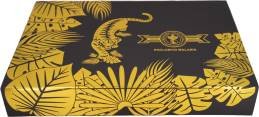
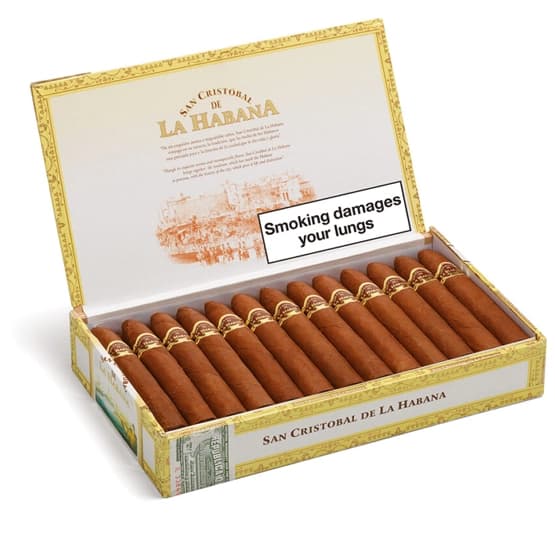
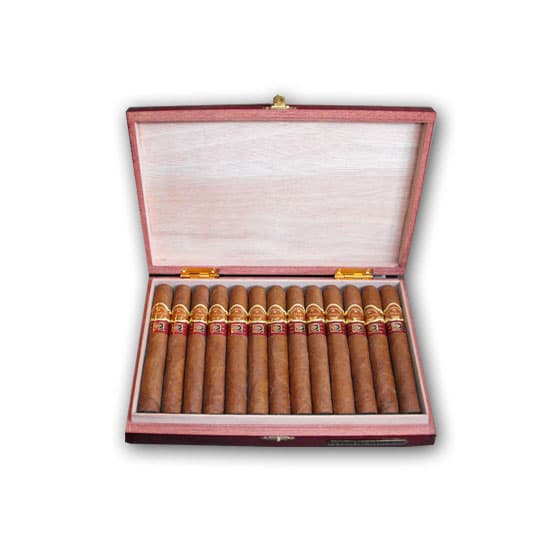
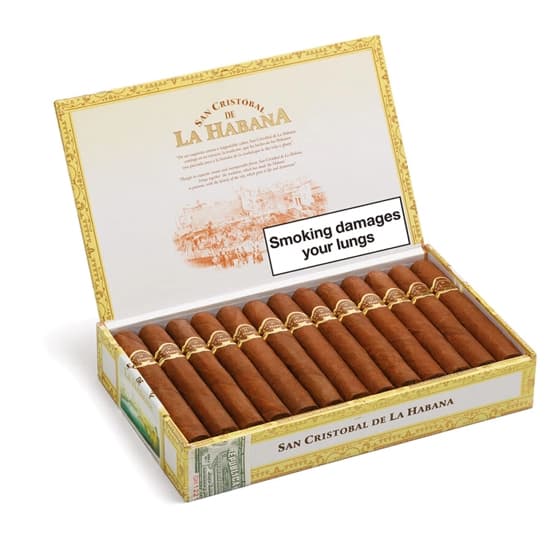
Collectors and connoisseurs often seek out Regional Editions for their rarity, and the Harimau Malaya does not disappoint. The production run was strictly capped at 8,888 boxes, a number that creates a genuine sense of scarcity in the global market. Each unit is housed in a semi boîte nature box containing 10 cigars, and these boxes are individually numbered, adding a layer of exclusivity for those who value provenance. To heighten the premium nature of the product, the wooden boxes are encased in an elaborate outer cardboard sleeve, enhancing the ritual of unboxing. The visual identity is completed with the standard San Cristóbal band (Band A) paired with a secondary band that explicitly marks the cigar as an Edición Regional Malasia, distinguishing it from standard production lines.
Flavor Profile and Tasting Experience
Upon lighting, the Harimau Malaya presents itself as a medium-bodied cigar, offering a smoking experience defined by balance rather than overwhelming strength. The flavor profile is anchored by distinct notes of rich cocoa and walnut, creating a savory foundation that remains consistent throughout the draw. As the smoke develops, it reveals layers of complexity involving baking spices, subtle fruit notes, and the sweetness of raisins.
- Core Flavors: A dominant interplay of cocoa and walnut defines the primary palate.
- Supporting Notes: Enthusiasts can detect nuances of baking spices, fruit, and raisins.
- Subtle Undertones: The finish offers hints of bitter chocolate, cake, grass, hay, wood, coffee, and general spice.
Reviews from the cigar community suggest a consensus on the cigar's approachability, with ratings hovering around a solid average. With scores reflecting a balanced performance in elegance, construction, and aftertaste, the Harimau Malaya is widely viewed as a noteworthy addition to the brand's catalog. It serves as a testament to the versatility of the San Cristóbal brand, delivering a nuanced experience that honors both the Cuban cigar heritage and the specific market it was created to serve.