Within the constantly shifting landscape of Cuban tobacco, few things generate as much intrigue as a cigar that has vanished from production. The San Cristóbal de la Habana El Morro is precisely such a phantom—a towering figure in the brand’s history that departed the regular lineup as quietly as it arrived, leaving behind a legacy that dedicated collectors now chase with fervor. While the San Cristóbal brand is often celebrated for its approachable medium-bodied profile, the El Morro stood apart due to its sheer physical presence and the historical weight carried by its name.

A Fortress in Tobacco Form
The nomenclature of this cigar is a direct homage to the martial history of Cuba’s capital. It draws its identity from the Castillo de los Tres Reyes del Morro, the storied fortress that has stood guard at the entrance to Havana Bay for centuries. This naming convention was fitting for a cigar that aimed to project strength, durability, and a commanding presence. When the vitola was introduced to the global market in 1999, it was positioned as a standard bearer for the San Cristóbal de la Habana marque, offering smokers a taste of the brand’s interpretation of a large-format smoke.
However, the tenure of this giant was not destined to last forever. After a production run spanning fourteen years, Habanos S.A. made the decision to discontinue the El Morro in 2013. This transition from a readily available regular production cigar to a discontinued relic has fundamentally altered its identity. It is no longer just a smoke for a leisurely afternoon; it has transformed into a trophy for the humidor, a piece of history that becomes increasingly difficult to source as the years pass.
Dissecting the "Paco" Vitola
The technical specifications of the El Morro reveal why it garnered a loyal following among those who appreciate substantial cigars. In the factory, the size is known by the poetic name "Paco," a designation that signifies a specific set of measurements rarely found in other modern Cuban lines. The dimensions command respect: a length of 180 millimeters (approximately 7⅛ inches) paired with a ring gauge of 49.
While a 49 ring gauge is modest by today's "gordo" standards, the exceptional length of this cigar creates a unique smoking dynamic. It offers a substantial heft in the hand, officially weighing in at 15.84 grams. This combination of length and thickness promises a prolonged smoking session, often lasting well over an hour, allowing the smoker ample time to appreciate the evolution of flavors as the combustion zone moves through the long filler.
- Factory Name: Paco
- Dimensions: 180 mm x 49 Ring Gauge
- Official Weight: 15.84 g
- Origin: Cuba (Handmade)
Presentation and Aesthetic Nuances
Visually, the El Morro adhered to the understated elegance that defines the San Cristóbal brand. It eschewed the flashy, ornate bands of more commercially aggressive lines in favor of a cleaner aesthetic. The cigar was adorned with the brand’s standard "Band A" design, a simple yet sophisticated touch that allowed the quality of the wrapper leaf to take center stage. This minimalist approach suggested a confidence in the product; it did not need loud marketing to prove its worth.
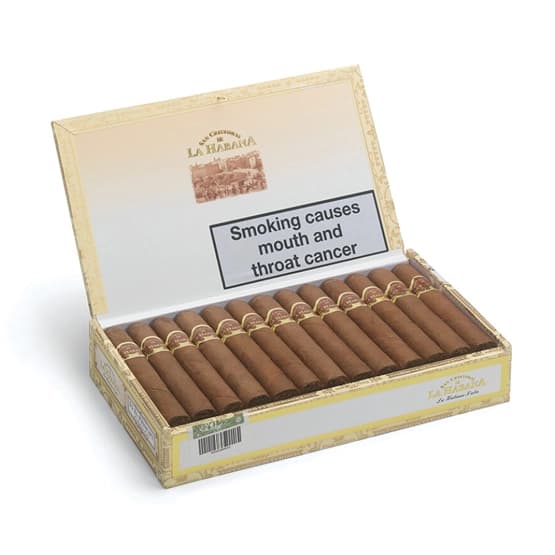
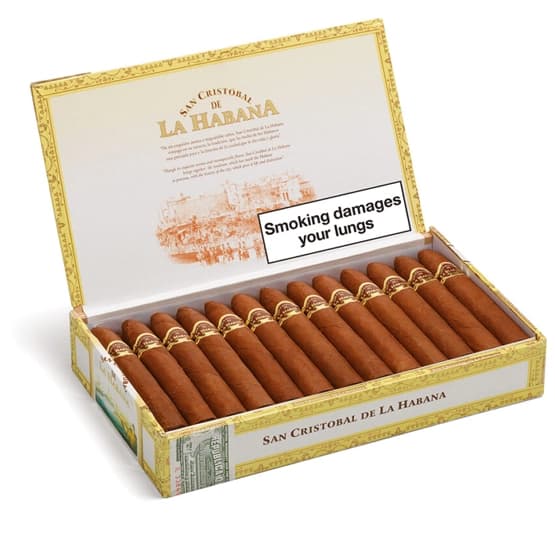
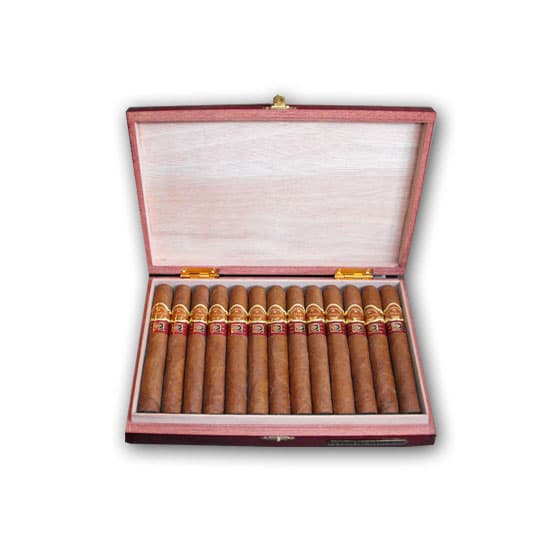
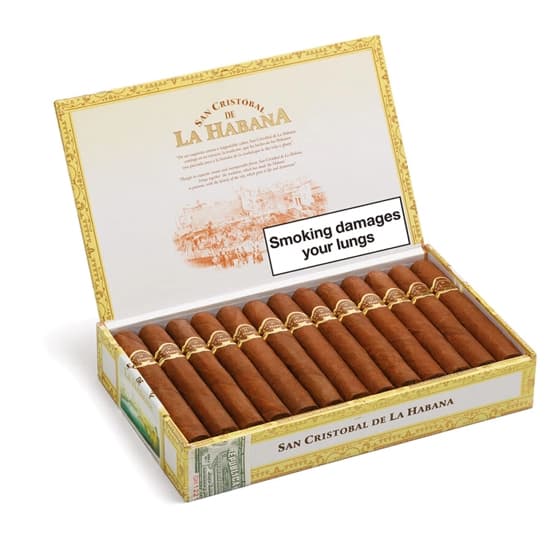
In terms of packaging, the cigar was housed in traditional dress boxes containing 25 units. This presentation aligned with the classic Cuban style, emphasizing heritage over modern novelty. For the true connoisseur, the presentation reached its zenith with the San Cristóbal de la Habana El Morro 5 Aniversario Humidor. This special release was created to mark the brand’s fifth anniversary, featuring curated packaging that elevated the standard production cigar into a luxury gift item, further cementing its status among the brand's most memorable releases.
The Modern Collector's Chase
Since its removal from the catalog in 2013, the El Morro has settled into its role as a "lost giant." The secondary market is now the primary arena where this cigar changes hands, and finding a well-preserved box requires both patience and financial commitment. The discontinuation has added a layer of narrative to the smoking experience; lighting an El Morro today is not merely an act of consumption, but an act of remembrance for a format that is no longer produced.
For those who manage to secure one, the experience offers a window into a specific era of Cuban cigar manufacturing. It represents a time when long, slender formats were more prevalent in the regular production portfolio. As stockpiles dwindle and prices rise, the San Cristóbal El Morro serves as a tangible reminder that in the world of premium cigars, nothing lasts forever, and the most cherished smokes are often the ones that got away.