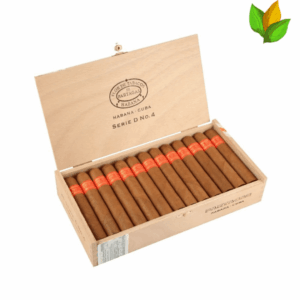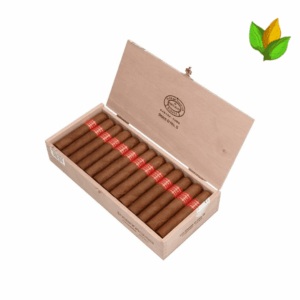

Description
The Cigar That Made Me Rethink Everything About Partagas
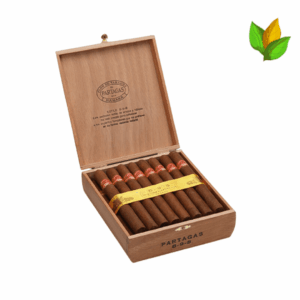
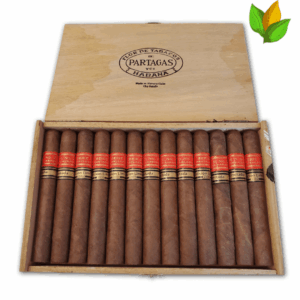
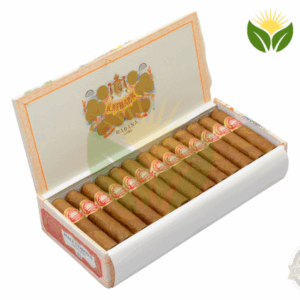
Look, I’ve been smoking Cuban cigars since my first trip to Havana back in ’96, and I’ll be honest with you: I thought I had Partagas figured out. Big, bold, in-your-face flavors. Nothing subtle about them. Then I tried the Serie P No.2 during a poker night at my local lounge about eight years ago – my buddy Carlos insisted I give it a shot – and it completely changed my perspective on what this brand could do. This isn’t just another Partagas. It’s what happens when one of Cuba’s oldest cigar houses decides to show some restraint and sophistication. And honestly? Not gonna lie, it’s become one of my go-to smokes when I want something that’ll actually make me slow down and pay attention.
Here’s the thing – the Serie P No.2 represents this weird sweet spot in the Partagas lineup that a lot of people miss. It’s got that classic Partagas DNA, sure, but there’s this elegance to it that you don’t find in the Serie D No.4 or the Lusitanias. Think of it as Partagas in a tuxedo instead of work boots. Still powerful, still unmistakably from that same factory in Havana, but refined in a way that catches you off guard.
What Makes This Torpedo Special (And Why I Keep Coming Back)
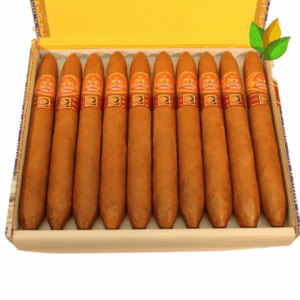
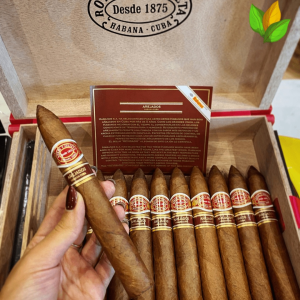
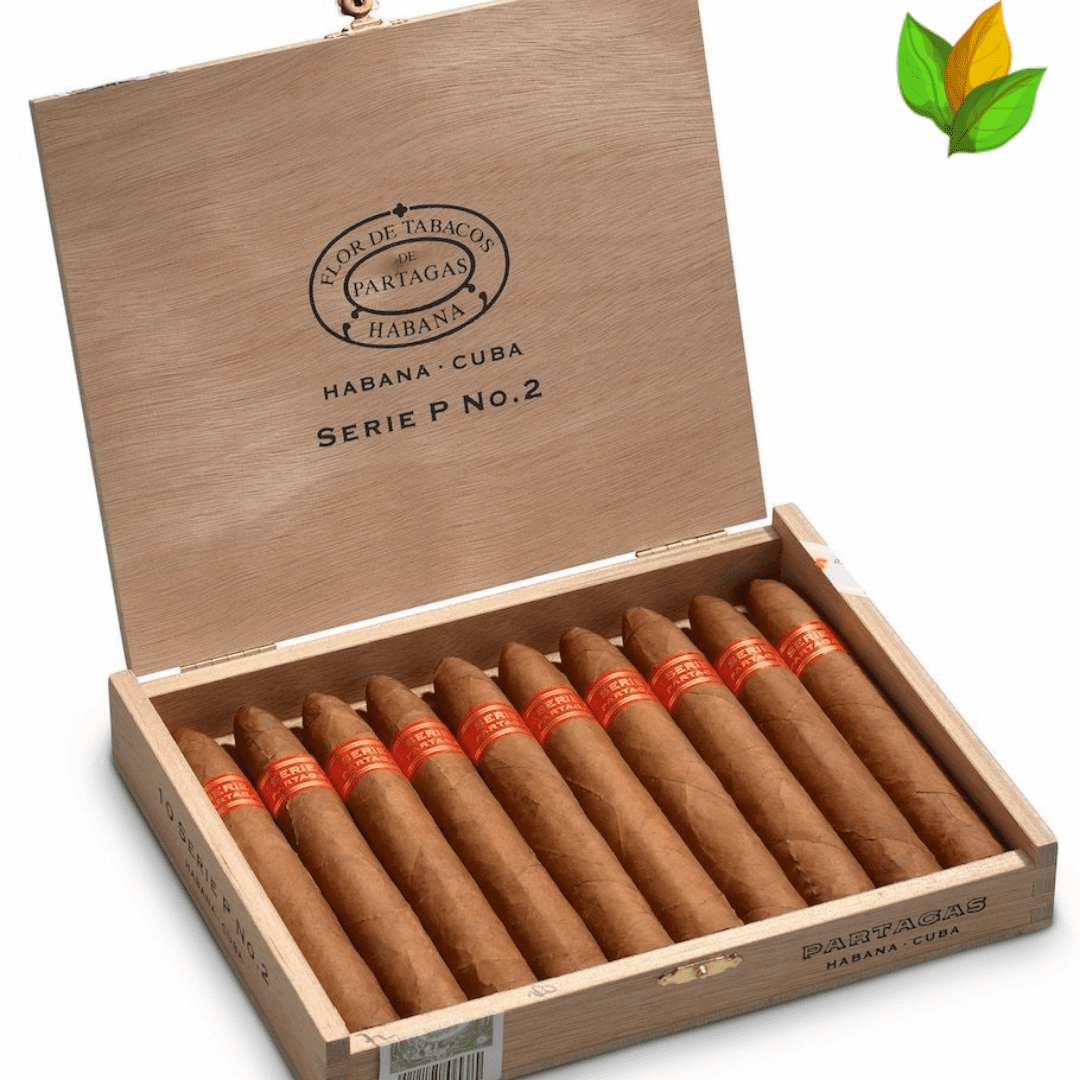
Partagas has been around since 1845. Yeah, you read that right – 1845. Don Jaime Partagás founded the brand, and the factory on Calle Industria in Havana is still pumping out cigars today. But the Serie P line? That’s a relatively newer addition, introduced to give aficionados something different from the traditional lineup. The P stands for “Piramide” – torpedo-shaped vitolas that were gaining popularity in the late 20th century.
The Serie P No.2 sits in this interesting position. It’s not as well-known as its bigger sibling, the Serie P No.1, and it definitely doesn’t get the same attention as the legendary Serie D No.4. But that’s actually what I love about it. It flies under the radar. You can still find boxes without having to hunt like you’re searching for unicorns.
This cigar is built with tobacco from the Vuelta Abajo region – and if you know anything about Cuban tobacco, you know that’s the good stuff. The wrapper, binder, and filler all come from different plantations in that hallowed growing region. The result? Complexity that keeps building throughout the smoke. Thing is, this isn’t a beginner’s cigar. I wouldn’t hand this to someone new to Cubans. It demands your attention. But for intermediate to advanced smokers who appreciate a full-bodied experience with actual nuance? Yeah, this is your jam.
| Specification | Details |
|---|---|
| Vitola | Piramide (Torpedo) |
| Length | 6.1 inches / 156 mm |
| Ring Gauge | 52 |
| Wrapper | Cuban (Vuelta Abajo) |
| Binder | Cuban |
| Filler | Cuban Blend (Vuelta Abajo) |
| Strength | Full |
| Smoking Time | 80-100 minutes |
The Smoke: What You’re Actually Getting Into
Okay, so let’s talk about what happens when you actually light one of these up. And I know this sounds dramatic, but the cold draw alone tells you this isn’t going to be a casual smoke. You get this immediate hit of barnyard and leather – not in an unpleasant way, but in that earthy, robust way that screams “Cuban tobacco.” There’s some cocoa in there too, if you pay attention. Maybe a hint of dried fruit? I think it was dried cherry the last time I had one, but honestly, it varies slightly from cigar to cigar.
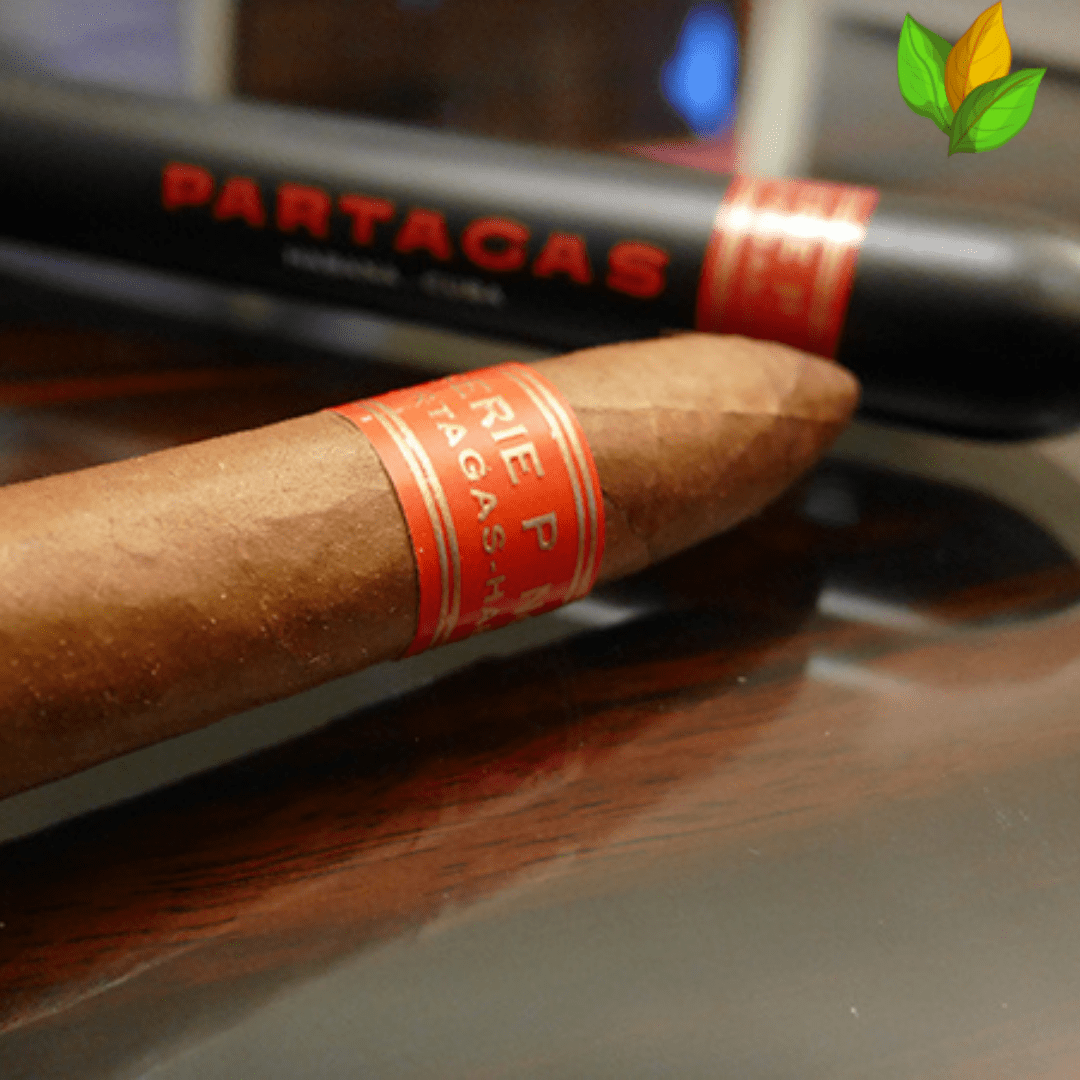
The first third starts strong. Real strong. The tapered head focuses the smoke beautifully, and you’re immediately hit with earth, leather, and this peppery spice that sits right at the back of your throat. Not harsh – just… present. Assertive. The retrohale? Oh man. That’s where you get the full complexity. Black pepper dominates, but there’s this underlying sweetness – almost like molasses – that balances everything out. The construction on these is typically excellent. I’ve smoked maybe twenty of these over the years, and I’ve only had one with burn issues. The ash is dense, light gray, and holds for a good inch and a half before you need to tap it.
Here’s where it gets interesting, though. The second third. This is where the Serie P No.2 separates itself from other Partagas vitolas. The pepper backs off – not completely, but enough – and these deeper, richer flavors start emerging. Cedar comes forward. There’s this woody, almost coffee-like quality that develops. And the leather note that was so dominant initially? It transforms into something smoother, more refined. Almost like well-worn leather versus new leather. You know what I’m talking about, right? It’s subtle, but it’s there. I remember smoking one of these on my back porch during a thunderstorm (before the rain actually started), and I swear the changing air pressure or something made these flavors even more pronounced. Or maybe I was just paying more attention. Who knows.
The final third is where this cigar earns its reputation. Some full-bodied cigars fall apart at the end – they get harsh, bitter, or just lose their complexity. Not this one. The strength ramps up again, but it’s accompanied by this beautiful bittersweet chocolate note. There’s espresso in there too. Dark, roasted espresso. The spice comes back, but it’s more nuanced now – think baking spices rather than pure black pepper. And if you’re brave enough to smoke it down to the nub (which I usually am, because I’m stubborn like that), you get rewarded with this lingering finish that stays with you for a good twenty minutes after you’re done. The retrohale in the final third is intense – not gonna lie, it can make your eyes water a bit – but it’s worth it for the full flavor experience.
One thing I should mention: the burn line stays remarkably even throughout. I’ve smoked these in humid conditions, dry conditions, and everything in between, and they just perform. The draw is firm but not tight – exactly where you want it for a cigar of this ring gauge. And the smoke production? Plentiful. You’ll be sitting in your own little cloud, which is either a feature or a bug depending on where you’re smoking and who you’re with.
How Does It Stack Up? The Honest Comparison
| Cigar | Strength | Smoking Time | Best For |
|---|---|---|---|
| Partagas Serie P No.2 | Full | 80-100 minutes | Evening smoke, special occasions, when you want complexity with power |
| Partagas Serie D No.4 | Full | 60-75 minutes | Classic Partagas experience, less time commitment, more straightforward flavors |
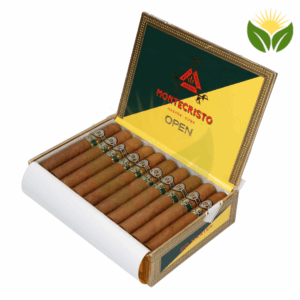
| Montecristo No.2 | Medium-Full | 70-90 minutes | When you want elegance over power, slightly milder alternative |
| Bolivar Belicosos Finos | Full-Very Full | 70-85 minutes | When the P No.2 isn’t strong enough (yes, that’s a thing) |
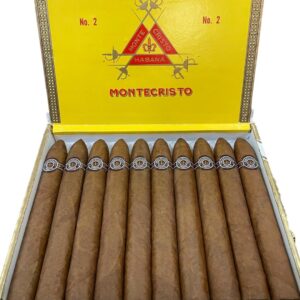
Between you and me, the comparison to the Montecristo No.2 is inevitable because they’re both torpedoes and both incredibly popular. But here’s the deal: the Monte is more refined, more subtle. The Partagas Serie P No.2 has more guts. More personality. If the Montecristo No.2 is a smooth jazz quartet, the Serie P No.2 is a rock band that happens to know how to play their instruments really, really well. Both are excellent, but they’re going for different vibes entirely.
What to Pair It With (Because You Asked)
This is a cigar that can handle bold pairings. I’ve tried it with everything from coffee to port, and here’s what actually works. For spirits, a good añejo rum is phenomenal – specifically something like Flor de Caña 18 Year or Ron Zacapa 23. The sweetness and complexity of aged rum complements those molasses and cocoa notes without getting overwhelmed by the strength. I’ve also had great success with peaty Scotch – yeah, I know some people think that’s overkill, but the smoke-on-smoke thing really works. Try it with Laphroaig 10 Year if you’re feeling adventurous.
Coffee works too, especially if you’re smoking this in the morning or early afternoon (which I sometimes do on weekends because, well, why not?). Strong espresso or a bold Cuban coffee brings out those roasted flavors in the final third. And honestly? Sometimes just a good sparkling water is perfect. Cleanses the palate between draws and lets you really focus on the cigar’s evolution.
For food pairings, think rich and savory. A good steak – ribeye, preferably – is a classic match. The fat and char play beautifully with the earthy tobacco. I’ve also enjoyed these after a heavy pasta dish with a cream-based sauce. The key is to have something substantial that won’t get bulldozed by the cigar’s strength.
Time of day? This is an evening smoke for me, typically. After dinner, when I’ve got at least ninety minutes to dedicate to it. It’s too strong and too complex to rush. Weekend afternoons work too, especially if you’re doing that thing where you’re smoking with friends and the conversation flows. But morning? Only on special occasions. This isn’t a wake-up cigar – it’ll wake you up, sure, but maybe a bit too effectively.
The Questions Everyone Actually Asks
How strong is the Partagas Serie P No.2 really? Can I handle it?
Real talk: this is a full-bodied cigar. Not the strongest Cuban out there – that honor probably goes to Bolivar or some Ramon Allones vitolas – but it’s definitely not medium. If you’ve smoked Partagas Serie D No.4s and felt comfortable, you’ll be fine with this. If you’re coming from milder cigars like Montecristo White Series or H. Upmann, maybe work your way up. The nicotine hit is real, and I’ve seen people get woozy if they smoke this on an empty stomach. Have a good meal first, stay hydrated, and you’ll enjoy the experience rather than endure it.
What’s the difference between Serie P No.1 and No.2?
The No.1 is bigger – 7.4 inches with a 47 ring gauge, so it’s longer and thinner. The No.2 is shorter and thicker at 6.1 inches with a 52 ring gauge. In terms of flavor, they’re similar, but the No.2 tends to be slightly more concentrated because of that thicker ring gauge. The No.1 is more of a two-hour commitment, while the No.2 sits comfortably in the 80-100 minute range. Personally, I prefer the No.2 because it feels more balanced in the hand, and honestly, I don’t always have two hours to dedicate to a single cigar.
Do these cigars need aging, or can I smoke them right away?
Here’s the thing – you can smoke them fresh, but they’re better with some rest. I’d give them at least three to six months in your humidor after you get them. The flavors integrate better, and some of that initial harshness smooths out. I’ve got a box from 2019 that I’m still working through, and those aged specimens are absolutely singing right now. The pepper has mellowed, the chocolate notes are more prominent, and the overall experience is just more harmonious. But if you can’t wait? I get it. Just make sure they’re properly humidified first – give them at least two weeks to acclimate to your humidor conditions before lighting up.
What’s the best way to cut a torpedo like this?
With torpedoes, you’ve got options. I typically use a straight cut, but I’m conservative with it – just taking off the very tip, maybe 1/8 inch. You can always cut more if the draw is too tight, but you can’t uncut it. Some people swear by V-cutters for torpedoes, and yeah, that works too. It gives you a focused draw and can intensify the flavors. I’ve tried punch cuts on torpedoes before (don’t judge me, I was experimenting), and honestly? It’s not ideal. You don’t get enough airflow. Stick with a straight cut or V-cut, and you’ll be happy.
How should I store these? Any special considerations?
Standard Cuban cigar storage applies: 65-70% humidity, around 65-70°F temperature. I personally keep mine at 65% because I find that slightly drier storage brings out more complexity when you smoke them. Some people go higher, and that’s fine too – it’s really personal preference. Just make sure your humidor is stable. These cigars have a decent amount of ligero in the blend, so they’re pretty robust and can handle minor fluctuations. But don’t store them next to infused cigars or anything with flavoring, because that wrapper will absolutely pick up other aromas. And if you’re aging a box, resist the temptation to open it every week. Check it every few months, sure, but let them rest undisturbed.
Is this a good cigar for special occasions, or is it an everyday smoke?
That depends entirely on your definition of “everyday” and your budget for cigars. For me, it’s a special occasion smoke – not because it’s too fancy to enjoy regularly, but because I want to have the time to really appreciate it. This isn’t a cigar you smoke while you’re distracted or multitasking. It’s a sit-down, pay-attention kind of experience. Birthdays, anniversaries, closing a big deal, finishing a major project – those are Serie P No.2 occasions for me. But look, if you’ve got the means and you want to smoke these regularly, go for it. There are definitely people who make these part of their regular rotation. I’m just not one of them, mostly because I’d go through my stash too quickly and my wife would start asking questions about the credit card bill.
Can you smoke this indoors, or is it too strong?
You can, but you’ll need serious ventilation. I’ve smoked these in my home office with a good air purifier and a window open, and the smell still lingers for a few hours. The smoke output is generous, and because it’s a full-bodied cigar, the aroma is pretty intense – in a good way if you like it, in a “why does the whole house smell like cigars” way if your spouse doesn’t. Cigar lounges are ideal for this one. Outdoor patios work great too. If you’re dead set on smoking indoors, invest in a proper ventilation system or designate a specific room for it. And maybe warn anyone else in the house first. Just saying.
Bottom Line: Is This Your Next Box Purchase?
So here’s where I land on the Partagas Serie P No.2 after years of smoking them: this is one of the most underrated torpedoes in the Cuban cigar world. It’s got power, complexity, excellent construction, and it ages beautifully. Yeah, it’s strong – too strong for beginners, probably – but if you’re at that point in your cigar journey where you want something that’ll challenge you a bit while still being enjoyable, this is it.
Is it the best Partagas? That’s a loaded question. The Serie D No.4 is more iconic. The Lusitanias is more impressive as a physical specimen. But the Serie P No.2 occupies this perfect middle ground between accessibility and sophistication that makes it incredibly versatile for the right smoker.
If you’ve been curious about this vitola, grab a five-pack first before committing to a full box. Smoke one fresh, smoke one after a few months of rest, and see how you feel about them. I’m betting you’ll appreciate what Partagas pulled off here – a full-bodied torpedo that doesn’t sacrifice complexity for strength, wrapped in construction quality that rarely disappoints. And honestly? At the end of the day, isn’t that what we’re all looking for in a premium Cuban cigar?
Keep your humidor stable, give these a bit of time to rest, and when you’re ready for something serious, light one up. You’ll understand what all the quiet appreciation is about. Just don’t forget to eat dinner first. Trust me on that one.