
Description
Why the Partagas 898 Varnished Deserves Your Attention
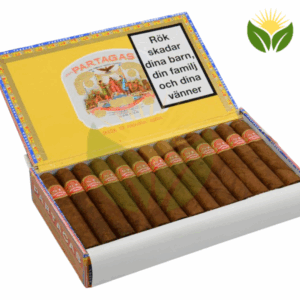
I’ve been smoking Cuban cigars for close to three decades now, and I still get excited when I get my hands on a classic vitola that’s been around since before most modern blends were even conceived. The Partagas 898 Varnished isn’t some trendy limited release or a rebranded classic – it’s one of those cigars that’s been quietly sitting in the lineup, waiting for people to rediscover it. And honestly? I think it’s criminally underrated. You’re about to learn why this long, elegant smoke with its distinctive varnished wrapper might just become your go-to when you want something traditional but refined. We’ll walk through everything from the construction to the flavor evolution, and I’ll give you my honest take on who should – and honestly, who shouldn’t – be smoking this one.
What Makes This Partagas Special
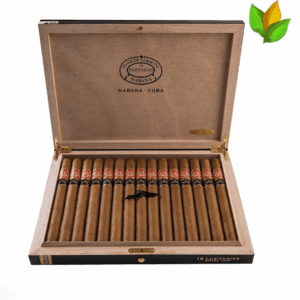
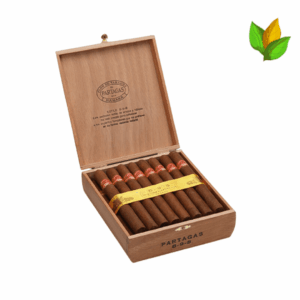
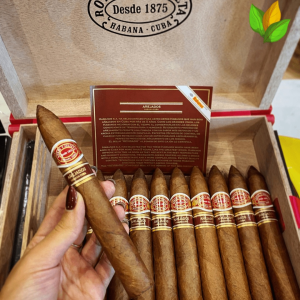
Partagas has been around since 1845, which means they’ve had plenty of time to figure out what works. The factory – Real Fábrica de Tabacos Partagás – sits right in Havana, and they’ve been rolling cigars there for generations. The 898 Varnished is part of their historical vitola range, and that “varnished” designation isn’t just marketing speak. They actually apply a thin lacquer to these tubos, giving them this polished, almost antique look that sets them apart from your standard aluminum tube presentation.
What’s interesting about the 898 format is its dimensions. This is a lonsdale-sized smoke that gives you plenty of time to settle in and enjoy the complexity that Partagas is known for. The tobacco comes from Vuelta Abajo – and if you know anything about Cuban tobacco, you know that’s the gold standard. I’m talking about the Pinar del Río region where the soil and climate create conditions you literally can’t replicate anywhere else. The blend itself is medium to full-bodied, which makes it approachable for intermediate smokers but complex enough to keep veterans interested. This isn’t a cigar for someone smoking their first Cuban, but if you’ve got a few under your belt, you’re ready for this one.
| Specification | Details |
|---|---|
| Vitola | 898 Varnished |
| Length | 6.75 inches / 171 mm |
| Ring Gauge | 43 |
| Wrapper | Cuban (Vuelta Abajo) |
| Binder | Cuban |
| Filler | Cuban blend |
| Strength | Medium to Full |
| Smoking Time | 90-120 minutes |
The Smoking Experience – Third by Third
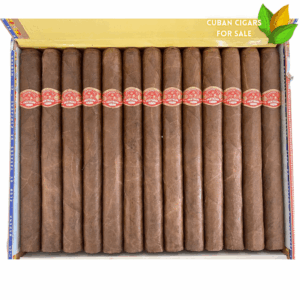
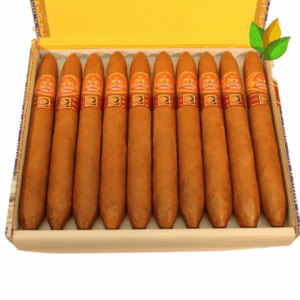
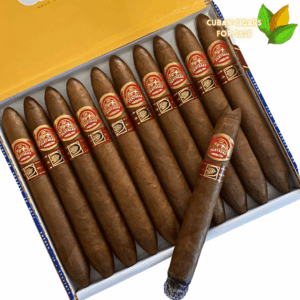
Right out of the varnished tube, you’ll notice the wrapper has this beautiful reddish-brown hue. The construction is tight – and I mean that in a good way. When you take your cold draw, there’s a slight resistance that tells you this thing is packed correctly. You’re getting hints of leather and maybe some dried fruit on the cold draw. Nothing overwhelming, just a preview of what’s coming.
Once you toast that foot and get it going – and take your time with the light, don’t rush this part – the first third comes at you with earthy notes right up front. There’s cedar there, definitely, but it’s backed up by this black pepper spice that hits the back of your throat. Not harsh, just present. The burn line stays remarkably even if you’re not puffing like a chimney. I like to take my time with these, maybe one draw every 45 seconds or so, and the cigar rewards that patience. The ash holds solid for a good inch and a half before you need to think about tapping it.
The second third is where things get interesting – actually, scratch that – where things get REALLY interesting. The pepper calms down a bit, and you start picking up some sweetness. Not like candy sweet, but more like… hmm, how do I put this… like roasted coffee beans with a touch of cocoa. There’s still that earthy foundation, but now you’re getting layers. The leather note from the cold draw comes back stronger here. If you retrohale – and you should, at least once or twice – you’ll catch some nutty undertones that aren’t as obvious when you’re just drawing normally. The smoke production is generous without being excessive. Thick, creamy clouds that hang in the air.
By the time you hit the final third, you’re about an hour and fifteen minutes in, maybe more if you’re really savoring it. The strength picks up here – this is where that “full-bodied” descriptor starts making sense. The flavors get more concentrated, more intense. You’re getting dark chocolate, strong espresso, maybe even a hint of dried fig if you’ve got a well-aged example. Some people find the last inch gets a bit harsh, but I haven’t had that experience if I keep my pace steady. The cigar wants you to slow down, respect it. Do that, and it’ll smoke clean right down to the nub.
How Does It Stack Up?
| Cigar | Strength | Smoking Time | Best For |
|---|---|---|---|
| Partagas 898 Varnished | Medium-Full | 90-120 min | Evening relaxation, contemplative smoking |
| Montecristo No. 1 | Medium | 70-90 min | Smoother experience, less spice |
| Romeo y Julieta Churchill | Medium | 80-100 min | Milder alternative, more accessible |
What to Drink With It
I’ve paired this cigar with everything from single malt Scotch to aged rum, and honestly, it plays well with both. If you’re going the whisky route, reach for something with a bit of peat – maybe a Highland Park 12 or even an Islay if you want the smoke-on-smoke experience. The cigar’s earthy notes complement that beautifully. For rum, I’d suggest something like Zacapa 23 or Diplomatico Reserva Exclusiva. The sweetness in those rums brings out the cocoa notes in the second third.
Coffee works too – a strong espresso or a Cuban coffee if you can get your hands on good beans. I wouldn’t pair this with anything too delicate. This isn’t a champagne cigar, you know? It needs something with backbone. Late evening is ideal for this smoke. After dinner, when you’ve got nowhere to be and two hours to kill. Maybe a Saturday night when you can sit outside and watch the stars come out. That’s the vibe this cigar deserves.
How long should I age the Partagas 898 Varnished before smoking?
Real talk: these benefit from at least six months of rest in your humidor, but a year or two makes them exceptional. Fresh off the truck from Cuba, they can be a bit sharp. Let them mellow out and you’ll be rewarded with smoother, more integrated flavors. I’ve got some from 2019 that are smoking like a dream right now.
What’s the deal with the varnished tube – does it actually matter?
It’s more than just aesthetics, though it does look sharp on your desk. The varnish creates a better seal than standard aluminum tubes, which helps protect the cigar during shipping and storage. Plus, they’re reusable if you’re into that sort of thing. I keep mine for travel – they’re sturdier than you’d think.
Is the 898 suitable for beginners, or should I start with something else?
I wouldn’t hand this to someone smoking their first Cuban, no. The strength builds considerably in that final third, and if you’re not used to fuller-bodied cigars, it might overwhelm you. Cut your teeth on something like a Romeo y Julieta or a milder Montecristo first, then come back to this one. You’ll appreciate it more with some experience under your belt.
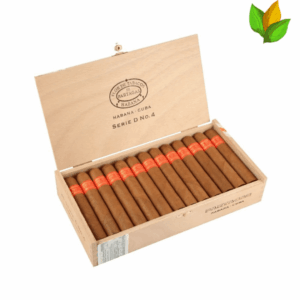
How does the 898 compare to other Partagas vitolas like the Serie D No. 4?
Completely different animals. The D4 is a robusto with more concentrated, punchy flavors – it’s bold and in-your-face from the start. The 898 is longer and thinner, which gives you a more gradual, nuanced experience. If the D4 is a sprint, the 898 is a leisurely marathon. Both are excellent, just depends on what mood you’re in and how much time you’ve got.
What humidity level should I store these at?
I keep mine at 65% relative humidity, which is pretty standard for Cubans. Some people go as low as 62%, which is fine too – maybe even better if you live in a humid climate. Just don’t go above 70% or you risk burn issues and potentially mold. And for the love of everything holy, don’t store them near the bottom of your humidor where moisture tends to accumulate. Mid-level or higher shelves are your friend.
Are there any common construction issues I should watch out for with this vitola?
In my experience, the 898 Varnished tends to be pretty well-constructed, but I have run into the occasional tight draw. If that happens, a draw poker tool usually fixes it – just be gentle. Cuban construction can be inconsistent depending on the year and even the specific roller. That’s part of the charm, honestly, though I know some people find it frustrating. Check the cigar before you light it, give it a gentle squeeze, test the draw. Better to catch issues before you’re fifteen minutes into your smoke.
How many of these should I order to try them properly?
Grab at least three if you’re new to this vitola. Why three? First one gives you the initial impression. Second one, after they’ve rested a bit, shows you what they’re capable of with some humidor time. Third one is your tiebreaker if the first two gave you different experiences – which happens more often than you’d think with Cubans. If you’ve got the space and budget, a box of 25 means you can age some long-term and smoke some now to track the evolution.
Final Thoughts on the 898
The Partagas 898 Varnished isn’t going to win any “most popular Cuban cigar” contests, and that’s exactly why I appreciate it. This is a cigar for people who know what they like and aren’t chasing trends. It’s classic Partagas – earthy, complex, with enough strength to keep things interesting but not so much that it becomes a chore to smoke. The format is perfect for those long evenings when you want to disconnect and just focus on the smoke in your hand.
If you’ve been curious about Partagas beyond the usual suspects, or if you’re looking for something in that londsdale size range that delivers on flavor, this is worth your time and attention. Order a few, let them rest, and discover why some of us keep coming back to these classic vitolas year after year.