

Description
The afternoon sun cast long shadows across the terrace of Casa del Habano in Havana’s Miramar district, and I’d just settled into one of their leather chairs with something I’d been curious about for months. The humid Caribbean air mixed perfectly with the anticipation of trying what many consider the perfect introduction to Cuban cigars. My waiter brought over a cortadito, and I carefully removed the golden “OPEN” band that distinguished this particular stick from its more famous siblings.
That was my first encounter with what would become a regular companion during quick smoke breaks. Honestly, I wasn’t expecting much from such a small cigar. But sometimes the smallest packages deliver the biggest surprises.
Specifications
| Specification | Details |
|---|---|
| Length | 110mm (4.3 inches) |
| Ring Gauge | 38 (15.08mm diameter) |
| Vitola | Trabucos (Short Panetela) |
| Strength | Light to Medium |
| Smoking Time | 20-30 minutes |
| Wrapper | Cuban (Vuelta Abajo) |
Construction and Appearance
The Montecristo Open Junior showcases exceptional Cuban craftsmanship despite being the smallest vitola in the Open series. The wrapper displays that characteristic oily sheen you’d expect from premium Vuelta Abajo tobacco, with a beautiful mottled appearance that catches the light beautifully. It’s surprisingly firm for such a small cigar, weighing in at exactly 5.80 grams.
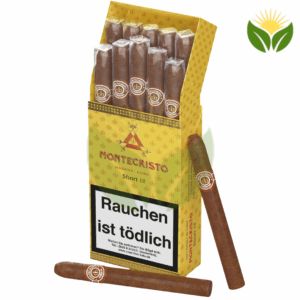
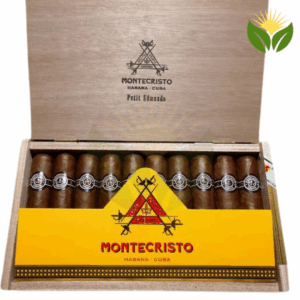
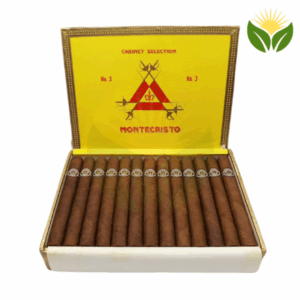
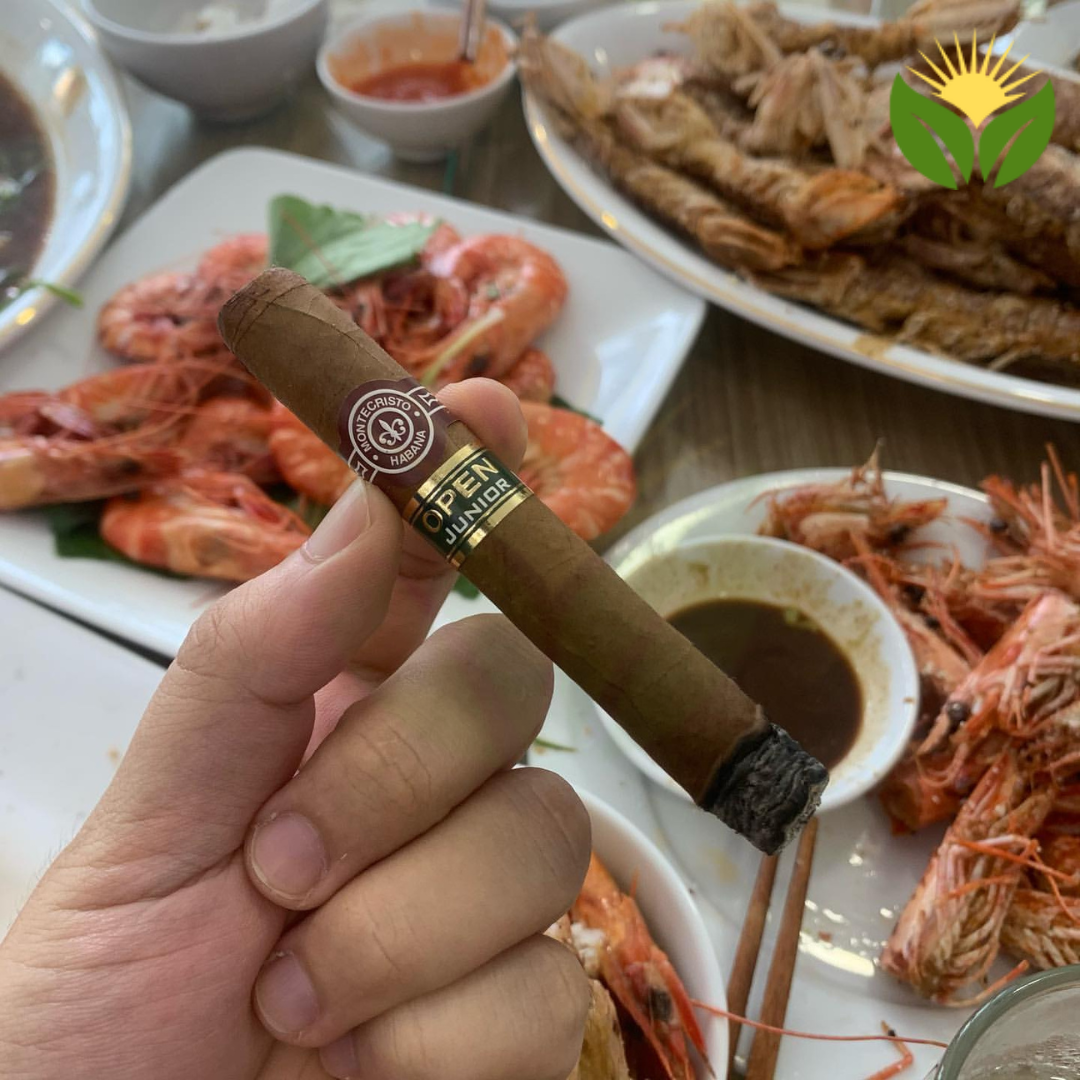
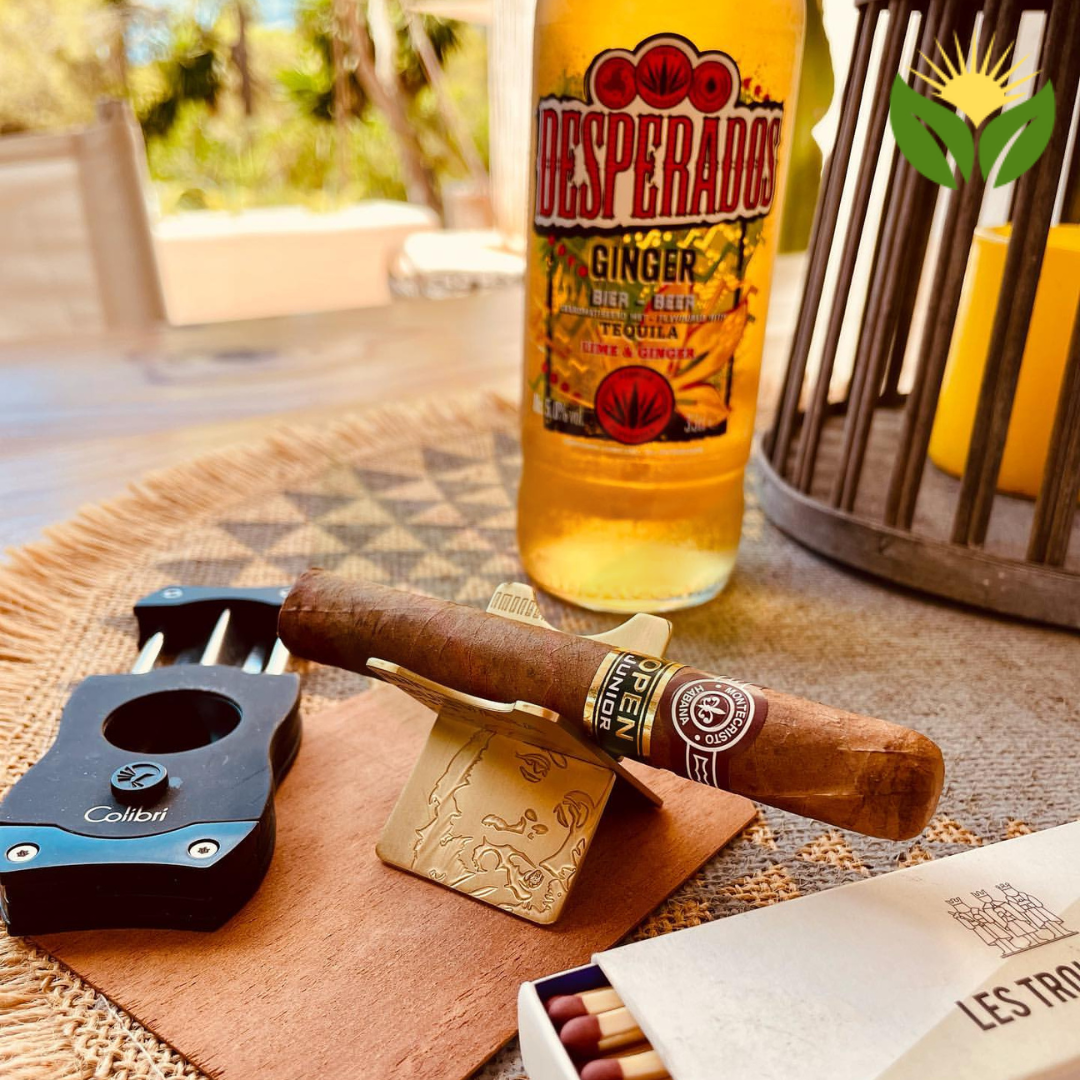
What immediately catches your eye is the distinctive banding system. The standard Montecristo bands C and D are present, but it’s that special golden “OPEN” second ring with “Junior” printed on it that really makes this cigar stand out. The construction feels solid in hand. No soft spots, no visible veins disrupting the smooth wrapper.
Pre-light, you’ll detect gentle aromas of light cocoa and earth. Nothing overwhelming, just a subtle hint of what’s to come. The cap cuts cleanly, and the cold draw reveals a perfect balance – not too tight, not too loose.
Flavor Profile Journey
First Third: Sweet Beginnings
The opening draws immediately present sweet notes of chocolate and earth. This isn’t the aggressive start you might expect from other Cuban brands like Rocky Patel’s stronger offerings, but rather a gentle introduction that welcomes newcomers to the Cuban cigar experience. The initial flavors are clean and well-defined, setting up what becomes a very versatile option for different smoking occasions.
Middle Third: Complexity Emerges
As the burn progresses into the middle section, the flavor profile develops beautifully. Hints of bitter coffee emerge alongside subtle minerals and brine notes, while those initial chocolate and earth tones continue to provide a solid foundation. There’s a light pepper element that adds just enough spice to keep things interesting without overwhelming the palate. This is where you really taste the blended expertise that went into this small sized Montecristo.
Final Third: Rich Conclusion
The final portion delivers leather and dark cocoa notes with abundant, satisfying smoke production. Some fruity undertones make an appearance, along with touches of wood and nuts that add complexity to the finish. Throughout this final stage, the cigar maintains its gentle, non-aggressive character – a hallmark that distinguishes it from the usual Montecristo intensity.
Perfect Pairings
In my experience, this cigar shines brightest when paired with specific beverages that complement rather than compete with its flavor profile. A quality espresso creates an outstanding combination, especially during morning smoking sessions. The coffee’s intensity pairs perfectly with the cigar’s spicy and earthy notes.
For afternoon enjoyment, I’ve found that a good vintage wine – particularly a medium-bodied red – enhances the earthy aromas beautifully. If you’re more of a spirits person, a light rum or even a smooth bourbon works well, though I’d avoid anything too peaty or smoky that might overpower the subtle flavor elements.
The versatility extends to timing as well. This works equally well as a morning coffee companion or an after-lunch smoke when you want something satisfying but not overwhelming.
Who Should Smoke This Cigar
The Open Junior serves as an excellent entry point for newcomers to Cuban cigars. Its light to medium strength profile won’t intimidate beginners, while the complex flavor development keeps experienced smokers engaged. I’ve recommended this to friends just starting their cigar journey, and it consistently delivers positive first impressions.
It’s also perfect for seasoned smokers who want a quality Cuban experience in a shorter timeframe. Golf outings, business lunch breaks, or any situation where you want a premium smoke but only have 20-30 minutes available. The smaller ring gauge means it won’t dominate your palate for hours afterward.
Collectors appreciate it as part of the Open series, and it’s become a popular choice for those building a well-rounded Cuban cigar collection. The guarantee of consistent quality from the Montecristo brand adds to its appeal.
Cutting and Lighting Technique
With a 38 ring gauge, you’ll want to use a sharp guillotine cutter and make a clean, precise cut about 2mm from the cap. The smaller diameter means there’s less margin for error – a ragged cut can significantly impact the draw and overall smoking experience. I always recommend mastering proper cutting technique before tackling smaller vitolas like this.
For lighting, use a butane torch or cedar spills rather than matches or regular lighters. The smaller ring gauge means it lights quickly, so take your time to ensure an even burn from the start. Rotate the cigar slowly while applying heat to the foot, and take gentle test draws to confirm proper ignition before your first real puff.
Due to the size, this cigar can burn hot if you smoke too aggressively. Take slow, measured draws with at least 30-45 seconds between puffs to maintain optimal burning temperature and flavor development.
Proper Storage and Aging
Store your Open Juniors at 65-72% relative humidity and 65-70°F (18-21°C) in a quality humidor. The smaller size makes them more susceptible to humidity fluctuations, so consistent conditions are crucial. I’ve found that proper storage techniques are especially important for smaller Cuban cigars.
These cigars benefit from at least 2 years of aging to reach their full potential. The tobacco integration improves significantly with time, and those earthy aromas become more pronounced and balanced. I keep mine in their original dress boxes or tubos packaging when possible, as this provides additional protection.
If you’re storing tubos versions, ensure your humidor can accommodate the aluminum tubes without overcrowding. The metal containers actually help maintain consistent humidity levels around each individual cigar. For more detailed guidance on humidor setup, proper humidor management is essential reading.
Authentication and Avoiding Counterfeits
Given Montecristo’s popularity, counterfeits are unfortunately common. Authentic Open Juniors feature the Habanos packing code CB-UW-C/L-10-n-20 on boxes of 20. Always purchase from authorized dealers or reputable LCDH (La Casa del Habano) locations to guarantee authenticity.
The banding system is crucial for identification. Genuine cigars have the standard Montecristo bands C and D, plus that distinctive golden “OPEN” second ring with “Junior” clearly printed. Counterfeits often get these details wrong – blurry printing, incorrect colors, or missing elements entirely.
Check the construction quality carefully. Authentic Open Juniors have that smooth, oily wrapper with consistent color and texture. The weight should feel substantial for the size, and the cap should be perfectly applied. Soft spots, visible air pockets, or rough construction are red flags.
When buying online, stick with established retailers who provide detailed photos and have strong return policies. Reputable dealers will always stand behind their authenticity guarantees and provide proper storage conditions during shipping.
Frequently Asked Questions
How does the Open Junior compare to other Montecristo vitolas?
The Open Junior offers a milder, more approachable version of the classic Montecristo flavor profile. While larger vitolas like the Edmundo deliver more intensity and longer smoking times, the Junior focuses on accessibility and convenience without sacrificing the brand’s signature quality. It’s essentially Montecristo in concentrate form.
Are tubos versions worth the extra cost?
The aluminum tubos packaging does provide superior protection for storage and transport, making it worthwhile if you plan to carry cigars with you or give them as gifts. However, for home storage in a proper humidor, the dress box versions offer better value. The tobacco inside is identical regardless of packaging.
Can beginners handle the Cuban tobacco strength?
Absolutely. The light-to-medium strength makes this one of the most beginner-friendly Cuban cigars available. The gentle smoke and manageable 20-30 minute smoking time allow newcomers to experience authentic Cuban tobacco without overwhelming their palate or requiring a significant time commitment.
How long should I age these before smoking?
While they’re perfectly smokable fresh, I recommend aging for at least 2 years to allow the flavors to fully integrate. The chocolate and earth notes become more pronounced, and any sharp edges smooth out beautifully. Some collectors age them even longer, but the sweet spot seems to be 2-5 years for optimal flavor development.
What’s the best time of day to enjoy an Open Junior?
The versatility is one of its strongest points. Morning with coffee, afternoon break, or early evening all work well. The lighter strength won’t overpower your palate regardless of timing, though I personally prefer it as a mid-morning or after-lunch smoke when you want something satisfying but not overwhelming. The 20-30 minute duration fits perfectly into most daily schedules.