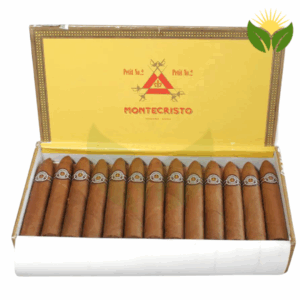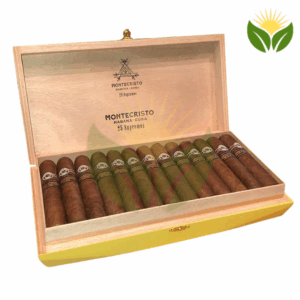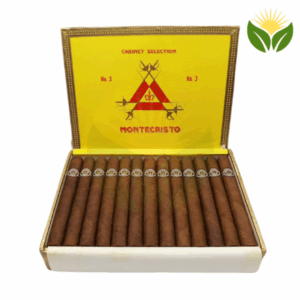

Description
Why the Montecristo Open Eagle Deserves a Spot in Your Rotation
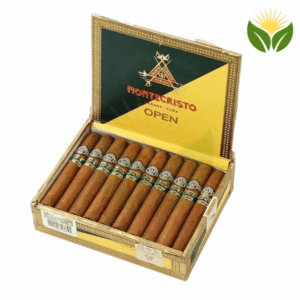
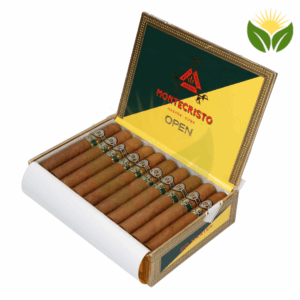
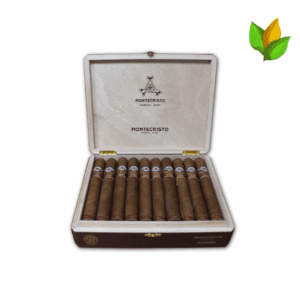
I remember the first time I got my hands on a Montecristo Open Eagle. This was back in 2009 – or was it 2010? Doesn’t matter. What matters is that I almost passed on it because I thought, “Another Montecristo? Haven’t I smoked them all?” Turns out I was dead wrong. The Open line from Montecristo isn’t just another marketing gimmick – it’s a completely different animal from what you’re used to with the classic numbered series. And the Eagle? Well, it’s become the one I reach for when I want something substantial without committing to a two-hour smoking session.
This cigar sits in an interesting sweet spot that Montecristo doesn’t always nail. It’s got enough complexity to keep experienced smokers interested, but it won’t overwhelm someone who’s still finding their palate. The Open Eagle brings that signature Montecristo elegance but with a more approachable profile – less of the intensity you get from a No. 2, more of a refined, measured experience. If you’ve been curious about the Open series but weren’t sure where to start, this is your entry point.
What Makes the Open Eagle Stand Out
The Montecristo brand needs no introduction – it’s been the gold standard for Cuban cigars since 1935. But the Open line? That’s a different story. Launched in the early 2000s, the Open series was Montecristo’s answer to smokers who wanted something a bit more accessible, something you could enjoy outdoors or pair with activities without needing your full attention every second.
The Eagle specifically uses tobaccos from the legendary Vuelta Abajo region – same leaves that go into the premium Montecristo lines, but blended with a different philosophy. The master blenders at the El Laguito factory weren’t trying to recreate the No. 4 or Edmundo here. They were crafting something that could handle wind, conversation, and maybe a round of golf without losing its character. And honestly? They succeeded.
This vitola appeals to the smoker who’s evolved past the “bigger is always better” mentality. At 5.5 inches with a 54 ring gauge, the Eagle offers enough tobacco to develop complexity but respects your time. It’s become my go-to for late afternoons when I want a proper smoke but don’t want to still be puffing away when dinner’s ready. The construction is consistently excellent – I’ve probably smoked two dozen of these over the years, and I can count on one hand the number of times I’ve had to touch up the burn.
| Specification | Details |
|---|---|
| Vitola | Open Eagle (Robusto Largo) |
| Length | 5.5 inches / 140 mm |
| Ring Gauge | 54 |
| Wrapper | Cuban (Vuelta Abajo) |
| Binder | Cuban |
| Filler | Cuban Long Filler Blend |
| Strength | Medium |
| Smoking Time | 60-75 minutes |
The Smoking Experience – From First Light to Final Inch
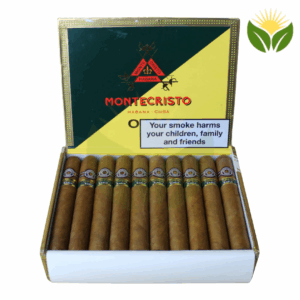
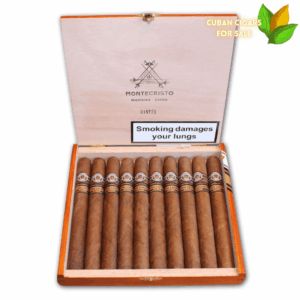
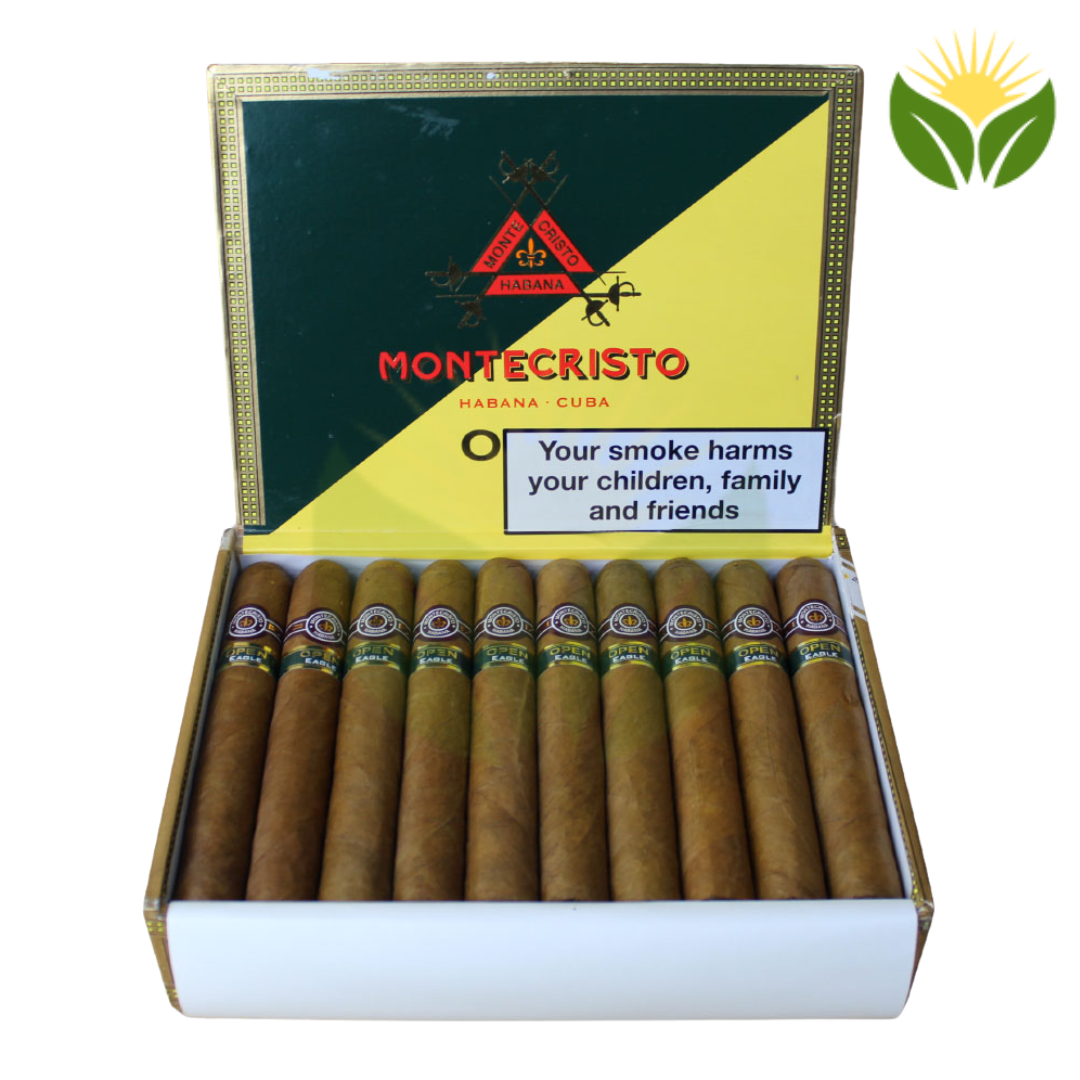
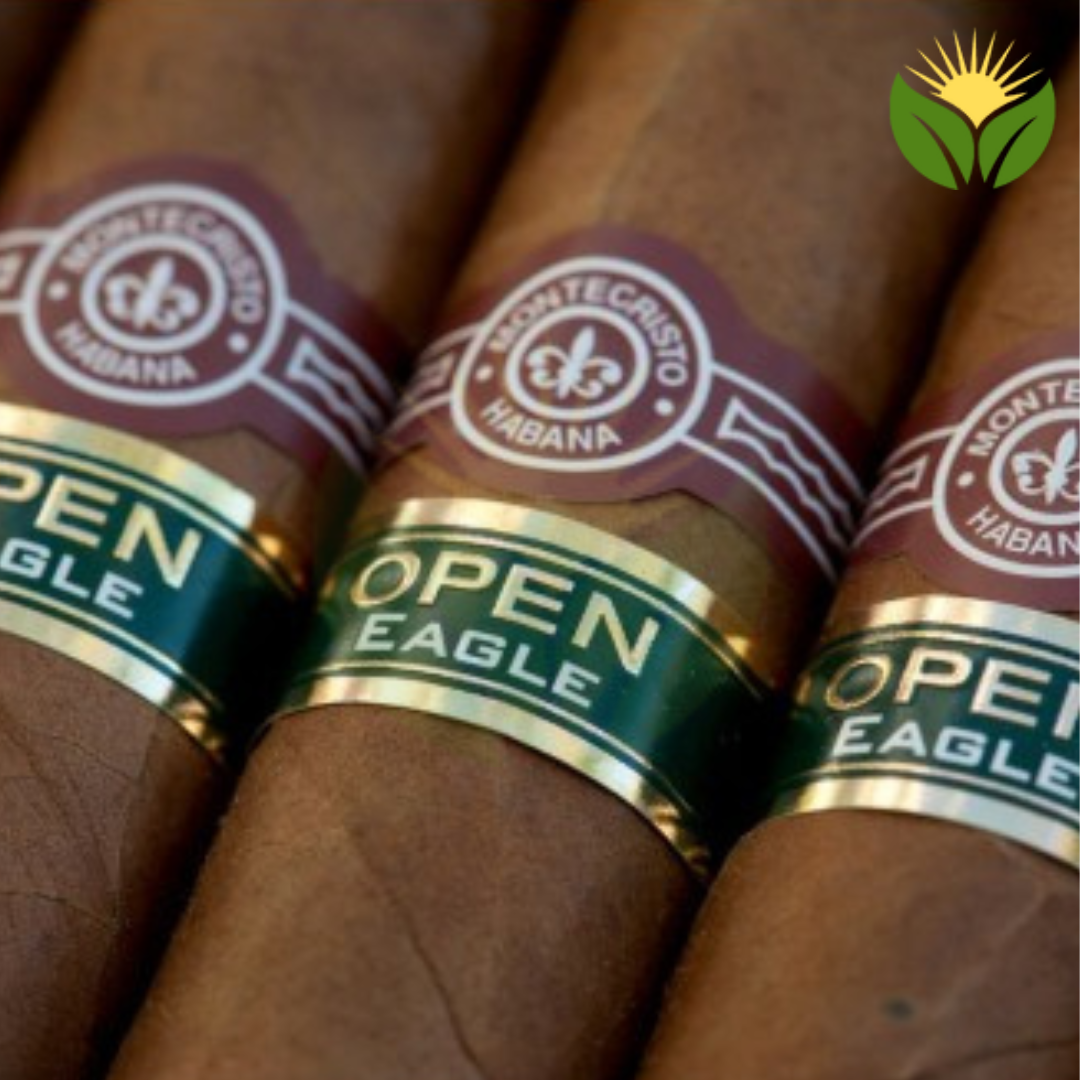
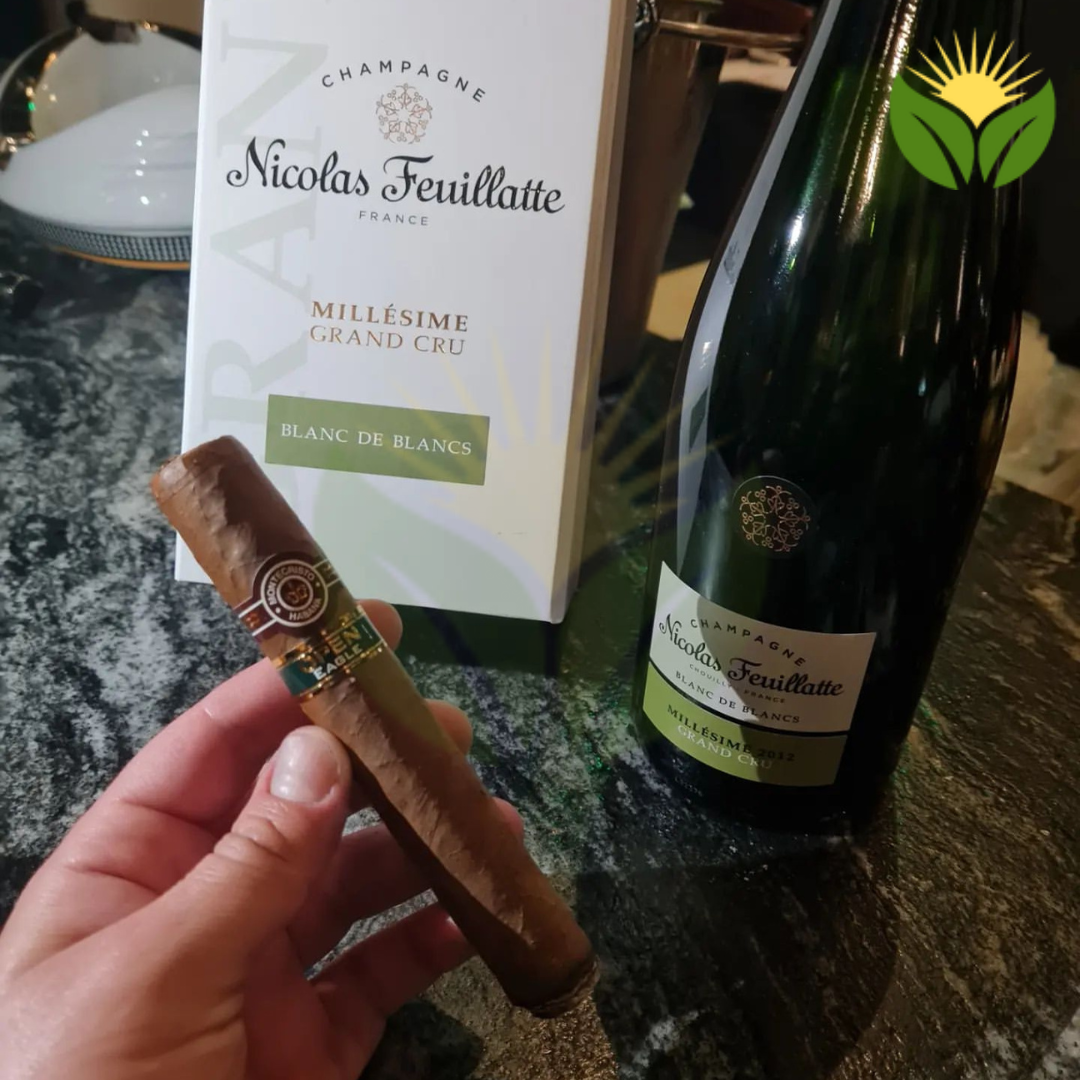
Right off the bat, before you even light this thing, the cold draw gives you hints of what’s coming. There’s a subtle sweetness there – almost like dried fruit – mixed with that earthy Cuban tobacco base. Not too tight, not too loose. The wrapper has this beautiful light-brown color with a slight oily sheen. I’m talking about a Colorado shade that just looks right when you pull it out of your humidor. The construction is firm without being dense, and you can tell just by feeling it that the filler is evenly distributed.
Light it up, and the first third opens with this creamy, almost buttery quality. That’s what surprised me most the first time – I was expecting more spice right away, but instead you get this smooth introduction with notes of cedar and light leather. There’s earth in there too, but it’s subtle, playing backup rather than dominating. The draw is effortless. I mean really effortless – you’re not working for it, but it’s not so loose that you’re getting a hot smoke. The ash builds solid and white, hanging on for a good inch before it needs tapping.
Around the second third, things start evolving. This is where the Eagle shows its Montecristo DNA. The spice creeps in gradually – nothing aggressive, just this gentle peppery quality on the retrohale that adds dimension. The leather notes become more pronounced, and there’s this interesting cocoa undertone that appears. I’ve had some where I swear I caught hints of coffee, but that might’ve been the espresso I was drinking. Speaking of which – anyway, the burn line stays razor-sharp almost on its own. I’m not one to obsess over ash, but there’s something satisfying about watching it build perfectly even without babying it.
The final third is where opinions split a bit among my smoking buddies. Some find it gets a touch stronger here – not full-bodied by any means, but definitely more present. The earth notes come forward, mixing with that leather and adding some complexity. The creaminess from the first third mellows out but doesn’t disappear entirely. It’s like the cigar is wrapping up its story without rushing to the ending. I can usually smoke it down to the nub without any harshness or bitter notes showing up. That’s the mark of quality aging and proper fermentation right there.
The smoke production throughout is generous without being overwhelming. Thick, creamy clouds that hang in the air just right. And the room note? My wife doesn’t chase me out of the house, which says something. It’s got that classic Cuban tobacco aroma but without the heavier ammonia notes you sometimes get from young cigars or inferior storage.
How It Stacks Up Against Similar Smokes
| Cigar | Strength | Smoking Time | Best For |
|---|---|---|---|
| Montecristo Open Eagle | Medium | 60-75 minutes | Afternoon smoke, outdoor activities, approachable complexity |
| Romeo y Julieta Wide Churchills | Medium | 70-80 minutes | Similar ring gauge but slightly longer, bit more time commitment |
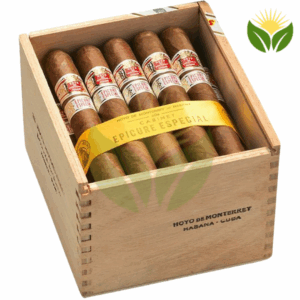
| Hoyo de Monterrey Epicure No. 2 | Medium | 50-60 minutes | Shorter smoke, similar elegance, slightly lighter body |
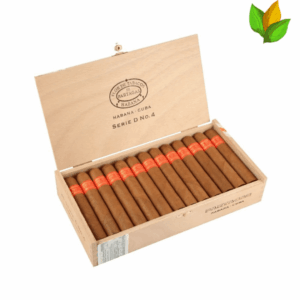
| Partagas Serie D No. 4 | Medium-Full | 50-65 minutes | More intensity, earthier profile, less refined |
What to Pair It With
This cigar plays well with others – and by others, I mean beverages. My go-to pairing is a good single malt Scotch, something in the Speyside range. The Glenlivet 12 or Glenfiddich 15 both work beautifully – the fruity, slightly sweet notes complement that creamy first third, while the oakiness matches up with the leather and earth in the second half. If you’re a bourbon person, try it with something not too heavy. A Maker’s Mark or Woodford Reserve won’t overpower the cigar’s nuances.
Coffee works surprisingly well too, especially if you’re an afternoon smoker. A medium roast with some body – not those super dark French roasts that taste like charcoal – brings out the cocoa notes in the second third. I’ve also paired it with a good aged rum, particularly Ron Zacapa 23. That combination during a sunset smoke session? Pretty damn near perfect.
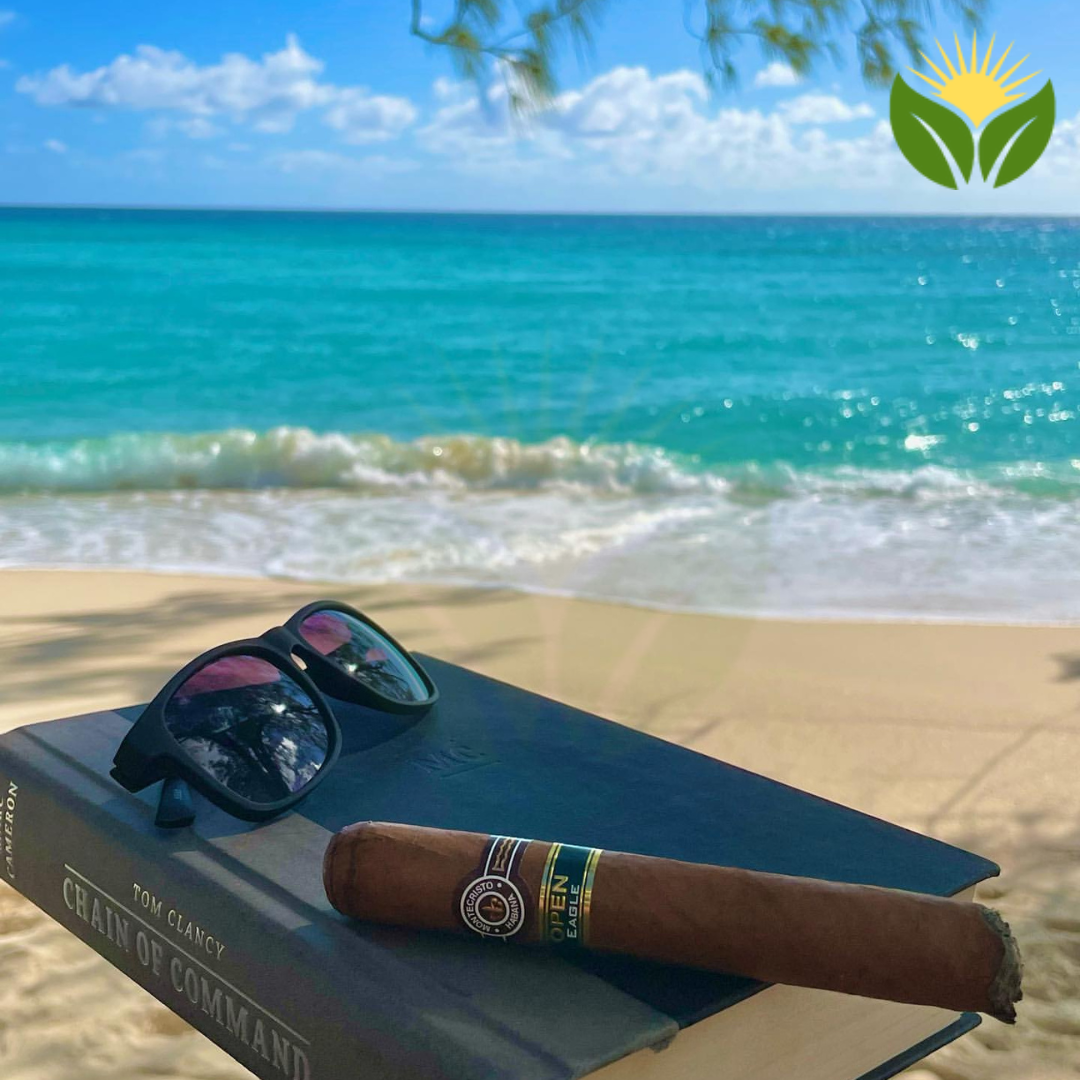
Timing-wise, this is an afternoon cigar for me. After lunch, before dinner – that’s its sweet spot. It’s substantial enough to satisfy but won’t knock you sideways if you haven’t eaten recently. I’ve smoked these on the golf course, during poker nights with friends, and just sitting on my porch watching the world go by. It’s versatile without being boring, which is harder to achieve than it sounds.
What strength level is the Montecristo Open Eagle really?
I’d put it squarely in medium territory, though the final third inches slightly higher. If you’re used to Partagas or Bolivar, this will feel mild. If you typically smoke Cohibas or lighter Romeos, it’ll feel medium to you. It’s definitely not a beginner’s first Cuban, but it’s not going to overwhelm anyone with moderate experience either.
How should I store the Open Eagle in my humidor?
Keep it at 65-68% humidity and around 65-70°F like any quality Cuban. I’ve found these smoke well with minimal aging – they’re ready to go from the factory – but they also reward patience. I’ve got some with three years of age that have developed this wonderful mellow complexity. Just make sure your humidor isn’t over-humidified, or you’ll get draw issues with that 54 ring gauge.
Is the Open Eagle a good cigar for outdoor smoking?
Absolutely, and this is actually where it shines. The Open series was specifically designed with outdoor smoking in mind. The construction holds up well in wind, the burn doesn’t require constant attention, and the flavor profile is strong enough that you won’t lose it if there’s a breeze. I’ve smoked these on boats, golf courses, and windy patios without issues. That’s exactly what Montecristo intended.
How does the Eagle compare to the standard Montecristo No. 4?
Completely different experiences, honestly. The No. 4 is more refined, more intense, demands more attention. The Eagle is more laid-back, creamier, less demanding. The No. 4 is a cigar you sit down to really focus on. The Eagle is one you smoke while doing something else. Neither is better – they serve different purposes. If I’m at a formal tasting, I want the No. 4. If I’m at a barbecue, give me the Eagle.
What’s the ideal smoking time for getting the best from this cigar?
Don’t rush it. I usually clock in around 65-70 minutes with a relaxed pace. If you puff too frequently, you’ll heat it up and lose some of those subtle flavors – especially that creamy quality in the first third. Take your time, let it rest between draws, and enjoy the evolution. This isn’t a cigar that rewards impatience. Set aside at least an hour and don’t feel pressured to finish it quickly.
Do these need significant aging before smoking?
Not really, though it doesn’t hurt. I’ve smoked them fresh from the vendor and enjoyed them thoroughly. That said, if you’ve got the patience to let them rest for six months to a year, you’ll notice the flavors meld together more harmoniously. The spice softens a touch, the creaminess becomes more pronounced. But if you buy them today and light one up tomorrow? You’re not going to be disappointed. They’re ready to smoke right out of the box.
What time of year is best for the Open Eagle?
I find myself reaching for these more in spring and early fall – that transitional weather when it’s pleasant to be outside but not sweltering. The profile suits those milder temperatures somehow. That said, I’ve enjoyed them year-round. Summer evenings work great, though I tend to go lighter in extreme heat. Winter is fine too if you’ve got a sheltered spot – the construction handles cold weather without cracking or splitting, which isn’t true of all Cubans.
Final Thoughts on the Montecristo Open Eagle
Is this the most complex Cuban you’ll ever smoke? No. Is it going to replace your special occasion smokes? Probably not. But that’s not what the Open Eagle is trying to be. This is a workhorse cigar in the best possible sense – reliable, enjoyable, versatile, and consistently well-made. It’s the cigar I recommend when friends ask me what Montecristo they should try if they find the numbered series a bit intense. It’s what I grab when I want quality without ceremony.
The Open Eagle represents modern Cuban cigar making at its most practical. It respects tradition while acknowledging that not every smoking experience needs to be a meditation. Sometimes you just want a damn good cigar that won’t disappoint, won’t demand your undivided attention, and will pair well with whatever you’re doing that afternoon. That’s exactly what this delivers. Keep a few in your humidor for those moments when quality matters but pretension doesn’t. You’ll thank me later.