
Description
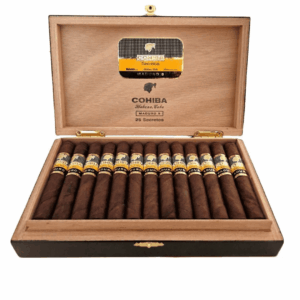
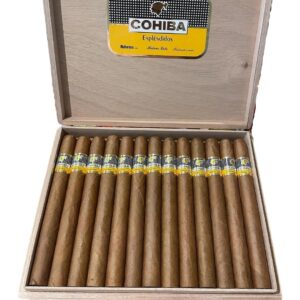
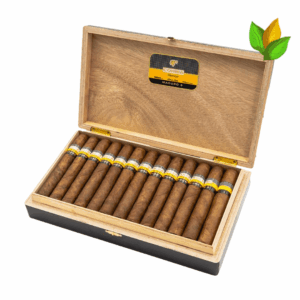
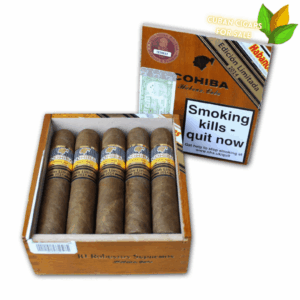
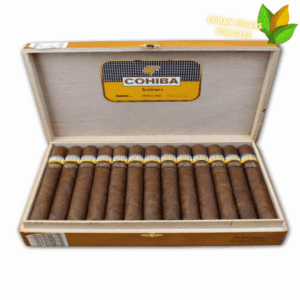
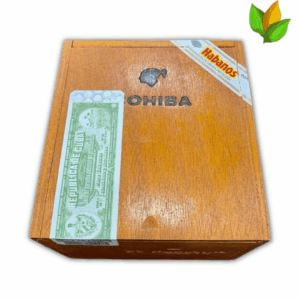
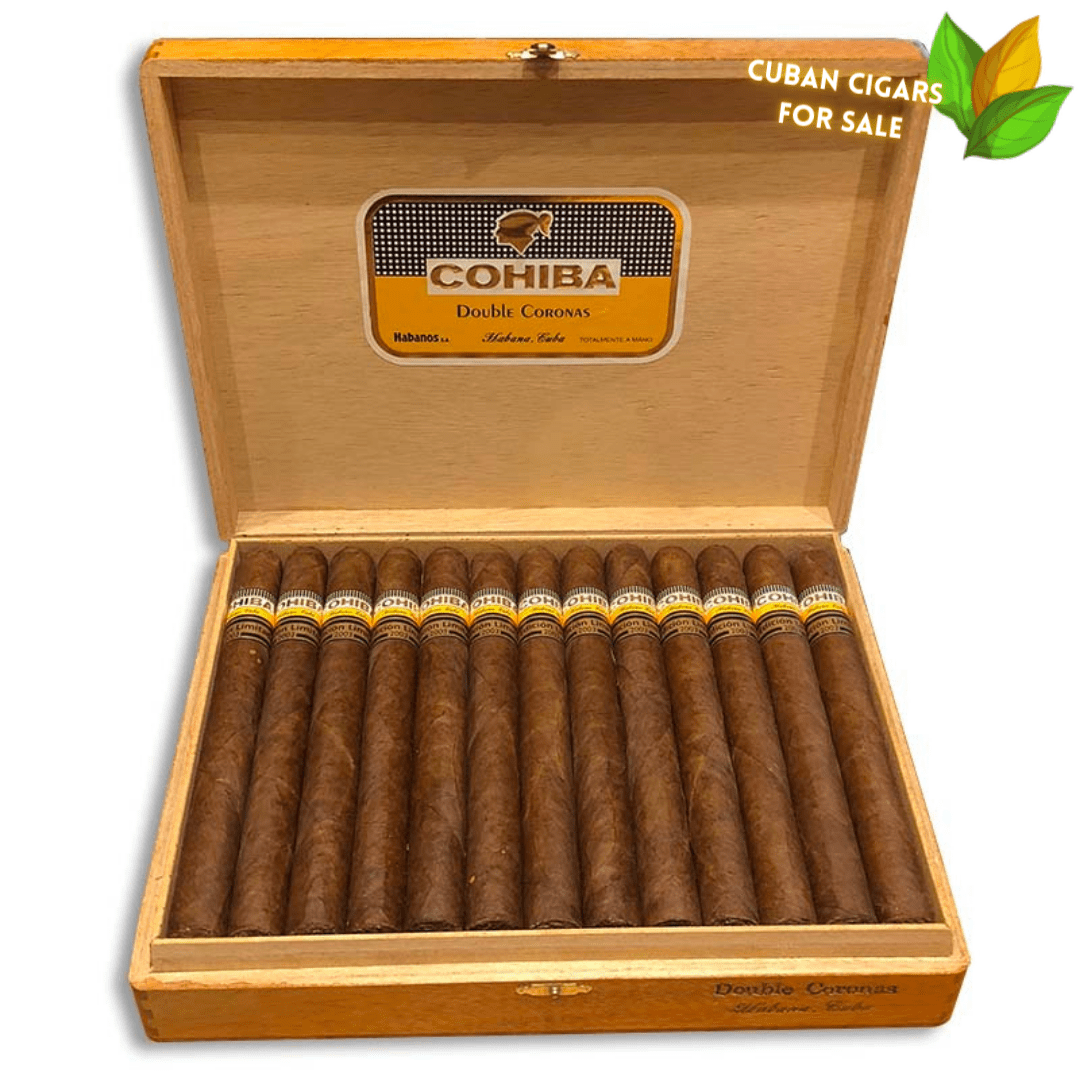
The humidor’s cedar scent hit me before I even saw the aged boxes lined against the back wall of that little shop in Havana. My fingers traced over weathered labels until they stopped at one particular treasure—a varnished box that seemed to whisper stories of two decades past. Inside lay twenty-five perfectly preserved specimens, each one darker and more oil-rich than I’d expected from something that had waited so patiently since 2003.
The Cohiba Double Corona Limited Edition 2003 VINTAGE represents one of those rare moments when Cuban cigar mastery intersects with time’s patient alchemy. This isn’t just another limited edition—it’s a snapshot of what Cohiba’s torcedores were capable of at their absolute peak, aged to perfection over twenty years.
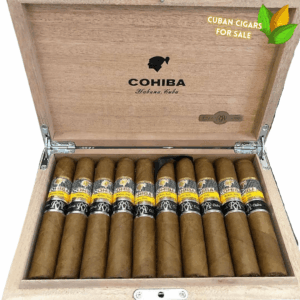
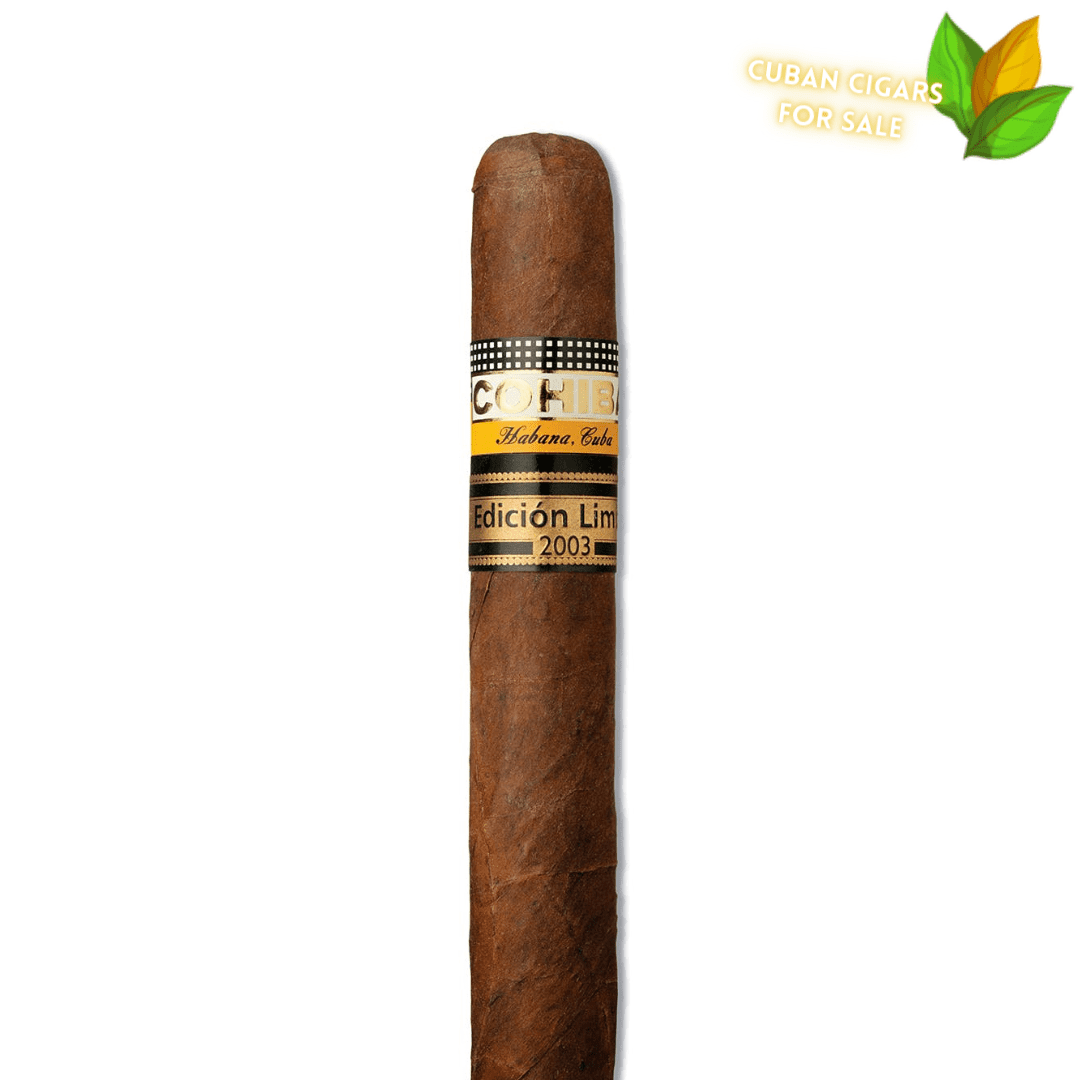
What struck me immediately wasn’t just the majestic looking cigar itself, but how it still looks oily and vibrant despite its age. The wrapper’s chocolate-brown hue catches light like fine leather, while the weight—exactly 17.86 grams—feels substantial without being cumbersome. This is what twenty years of proper aging does to premium Cuban tobacco.
Flavor Profile: A Journey Through Time
Lighting up this vintage beauty, I’m always struck by how the flavor develops in distinct phases. The opening third greets you with gentle earthiness and hints of cedar—not surprising given its long rest in that wooden box. There’s a creamy undertone that speaks to the Vuelta Abajo tobacco’s exceptional quality.
As you progress into the middle section, the complexity really opens up. Rich coffee notes emerge alongside dark chocolate, while subtle spice begins building on the palate. The medium to full strength becomes more apparent here, though it never overwhelms. I’ve found that this is where the cigar truly shows its age—those harsh edges that might exist in younger cigars have been completely smoothed away by time.
The final third is where this vintage really shines. The flavors concentrate beautifully, offering leather, earth, and a touch of sweetness that reminds me why collectors chase these aged Cuban cigars. The strength builds to full-bodied territory, but it’s sophisticated rather than aggressive. Honestly, it’s the kind of finish that makes you immediately want another one—if you’re lucky enough to have a spare.
Construction and Appearance
The construction quality on these 2003 editions reflects the factory name Prominentes at its finest. Even after two decades, the wrapper remains supple with minimal veining. The cap is perfectly applied, and I’ve never had issues with cracking during cutting.
At 194mm (7⅝ inches) with a 49 ring gauge, it’s substantial without being unwieldy. The draw has always been excellent on every one I’ve smoked—not too tight, not too loose. That’s remarkable consistency for a limited edition from twenty years ago. The burn line stays relatively even, though like most aged Cubans, it benefits from occasional touch-ups.
The ash holds well for the first inch and a half before needing attention. It’s that classic gray-white you want to see from quality Cuban tobacco, and it speaks to the careful fermentation process these leaves underwent before rolling.
Technical Specifications
| Specification | Details |
|---|---|
| Length | 194mm (7⅝ inches) |
| Ring Gauge | 49 (19.45mm diameter) |
| Weight | 17.86 grams |
| Strength | Medium to Full |
| Smoking Time | 75 minutes (1 hour 15 minutes) |
| Wrapper Origin | Vuelta Abajo, Cuba |
| Box Code | KMM JUN03 |
Who This Cigar Is For
This isn’t a beginner’s cigar, and I wouldn’t recommend it as someone’s first Cuban experience. The Cohiba Double Corona Limited Edition 2003 demands respect and appreciation for nuance. You need to be comfortable with medium to full-bodied strength, and ideally, you should have experience with aged tobacco.
I’d recommend this for the serious cigar aficionado who appreciates vintage smokes. If you’re someone who collects limited editions or seeks out cigars from specific years, this belongs in your humidor. It’s perfect for milestone celebrations—the kind of smoke you save for truly special occasions.
Experienced smokers who enjoy other premium Cuban brands like Partagás or Montecristo will find familiar territory here, but with the added complexity that only Cohiba’s série can deliver. The time commitment—over an hour of smoking—also means you need to be someone who enjoys the ritual and meditation that comes with a long smoke.
Perfect Pairings
In my experience, this vintage pairs beautifully with aged spirits that can match its complexity. A 15-year-old Havana Club or Ron Santiago Extra Añejo brings out the tobacco’s sweetness without overwhelming the subtle notes. The rum’s caramel undertones complement the cigar’s chocolate and coffee flavour profile perfectly.
For whiskey drinkers, I’d recommend a highland single malt—something like a Macallan 18 or Glenfiddich 21. The smokiness plays well with the cigar’s earthy notes, while the whiskey’s sweetness balances the tobacco’s natural strength. Cognac works too, particularly an XO that’s been properly aged.
If you prefer non-alcoholic pairings, a strong Cuban espresso creates an excellent contrast. The coffee’s acidity brightens the tobacco’s rich earthiness. Even a well-aged port can work, though I’d lean toward something less sweet to avoid overpowering the cigar’s subtle complexity.
I’ve also found that this pairs wonderfully with dark chocolate—at least 70% cacao. The bitterness plays against the tobacco’s natural sweetness, and both the chocolate and cigar benefit from the interaction.
Storage and Aging Potential
These vintage beauties require careful attention to storage conditions. I maintain mine at 65-70% relative humidity and between 18-21°C (65-70°F). Any higher humidity and you risk the wrapper becoming too soft; any lower and these aged leaves can become brittle.
The good news? These cigars have already done most of their aging. While they’ll continue to evolve slowly over the next decade, the major transformation has already occurred. I’ve smoked examples from the same box separated by five years, and while there were subtle differences, both were exceptional.
For proper storage, invest in a quality humidor with reliable digital hygrometers. Proven preservation techniques become crucial when you’re dealing with irreplaceable vintage stock. Cedar aging trays work well, but avoid over-humidification that can damage aged wrappers.
If you’re planning to age these further, consider that the varnished boxes they came in aren’t ideal for long-term storage. Transfer them to a proper humidor environment while keeping the original packaging for authenticity verification.
Cutting and Lighting Technique
With aged cigars like this 2003 vintage, the cutting technique becomes even more critical. The wrapper has had twenty years to settle, and aggressive cutting can cause cracking. I always use a sharp guillotine cutter—never a punch—and cut just enough to open the draw without removing too much cap.
Make your cut about 2mm from the cap’s edge. The aged tobacco will be more delicate than fresh cigars, so take your time. If you notice any wrapper damage, stop and try a different angle rather than forcing it.
For lighting, wooden matches or a butane torch work best. Avoid sulfur matches that can impart unwanted flavors to this carefully aged tobacco. Toast the foot gently—aged leaves catch flame more easily than fresh ones. The goal is an even light across the entire foot without charring any section.
Once lit, take your time with the first few draws. Let the cigar establish its burning pattern before settling into your normal rhythm. Mastering proper Cuban cigar technique pays dividends with vintage smokes like these.
Authentication Guide
With vintage limited editions like the Cohiba Double Corona Limited Edition 2003, authentication becomes crucial. The original boxes should display the code KMM JUN03—this specific combination indicates the factory and date. Any deviation is a red flag.
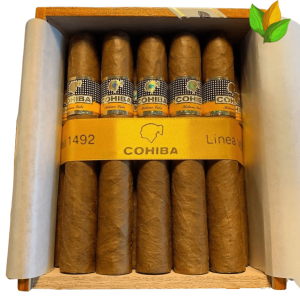
Authentic boxes feature varnished Boîte Nature packaging containing exactly 25 cigars. The varnish should show appropriate aging—too shiny suggests a reproduction. Check for the Habanos authenticity stamp and hologram, though remember these security features have evolved since 2003.
Each cigar should weigh exactly 17.86 grams when properly conditioned. Significant deviations suggest either poor storage or counterfeit construction. The bands should show consistent printing quality and proper Spanish text—look for “edición limitada” rather than the anglicized “edition limited.”
The wrapper should display the characteristic oiliness of aged Cuban tobacco. Counterfeits often use inferior wrapper leaves that lack this quality even when artificially aged. When in doubt, consider professional authentication services, especially for complete boxes.
Remember that reputable dealers will provide provenance documentation and stand behind their vintage offerings. The investment in these cigars justifies the extra verification step.
Frequently Asked Questions
How does the 2003 vintage compare to other Cohiba limited editions?
The 2003 edición stands out for its exceptional aging potential and refined flavour development. While newer limited editions may show more aggressive characteristics, this vintage has mellowed into sophisticated complexity. It’s generally rated among the top Cohiba releases of that era, competing favorably with other premium Cuban cigars from the same period.
What’s the current market value for these vintage cigars?
Pricing varies significantly based on condition and provenance, but expect to pay premium prices for authentic examples. Box condition, storage history, and seller reputation all factor into value. The limited production run and twenty-year aging period make these increasingly rare finds in today’s market.
Can I still find these cigars from the original 2003 production?
Original 2003 production cigars are increasingly scarce. Most available examples come from private collections or specialized vintage dealers. Verify authenticity carefully, as the rarity has led to increased counterfeiting. Understanding Cuban cigar production helps identify genuine vintage specimens.
How should I prepare for smoking such a long cigar?
Plan for at least 75 minutes of uninterrupted time—rushing diminishes the experience significantly. Ensure proper ventilation and comfortable seating. Have your preferred beverage ready, and consider the time of day since the medium to full strength builds throughout the smoke. Many enthusiasts prefer evening sessions for these longer formats.
What storage conditions are critical for maintaining these aged cigars?
Maintain steady 65-70% humidity and 65-70°F temperature using reliable monitoring equipment. Proper humidor setup becomes crucial for vintage stock. Avoid temperature fluctuations that can crack aged wrappers, and check humidity levels weekly rather than daily to minimize exposure to environmental changes.