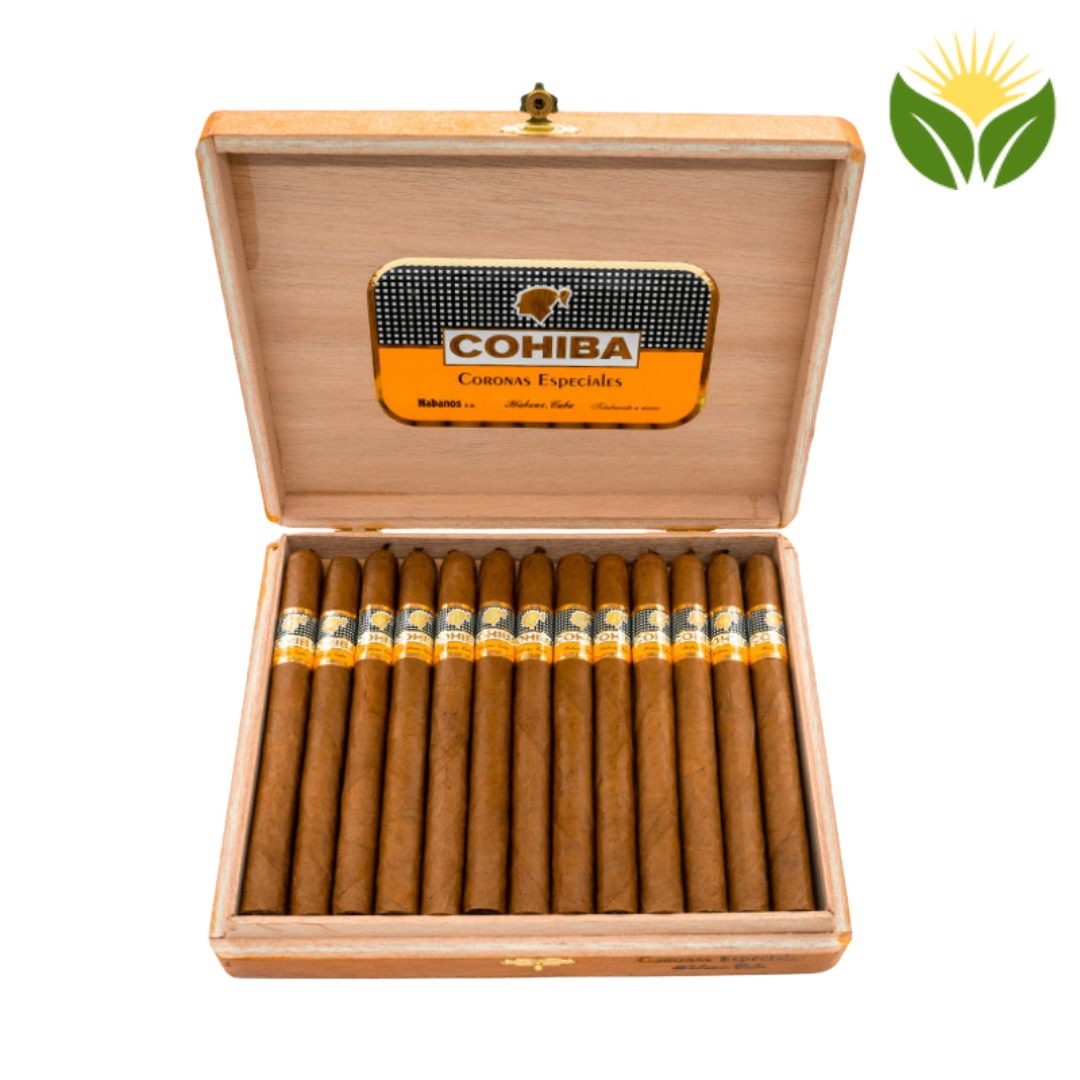
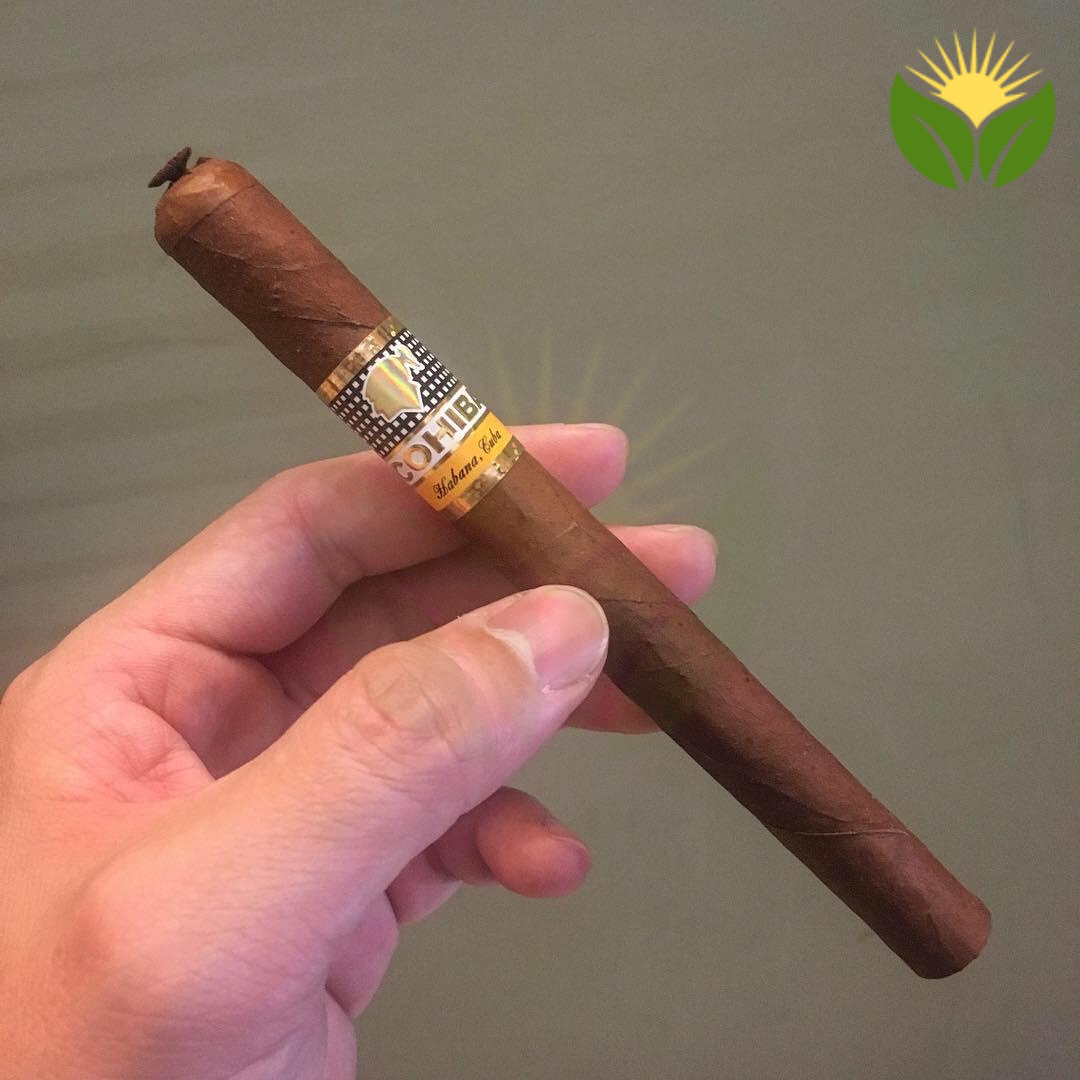
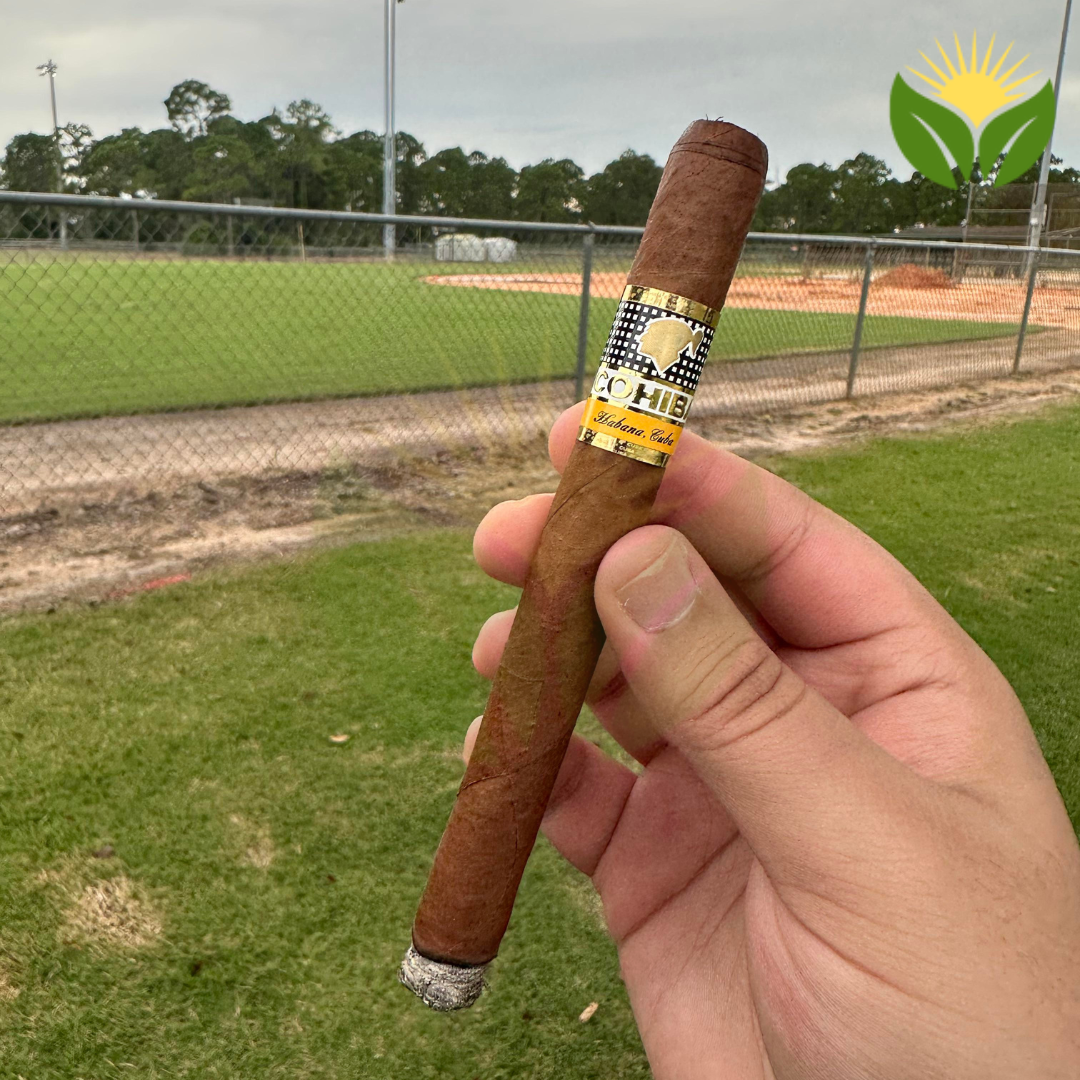

Description
Like Finding a Perfect Vintage Fountain Pen
You know that feeling when you pick up a vintage fountain pen? There’s something about the slim profile, the weight distribution, the way it feels purposeful in your hand. That’s exactly what comes to mind when I light up a Cohiba Coronas Especiales. It’s elegant without being showy, refined without being pretentious.
I’ve been smoking Cuban cigars for over a decade now, and honestly, this particular vitola has become something of a benchmark for me. The Coronas Especiales sits in that sweet spot where novices won’t be overwhelmed, yet seasoned smokers find genuine complexity. It’s my go-to recommendation when someone asks about exploring the Cohiba linea without diving into the deep end.
What strikes me most about this cigar isn’t just the flavor evolution—though we’ll get to that—it’s the craftsmanship. Every time I examine one, I’m reminded why Cuban cigar-making remains more art than manufacturing.
Construction and Appearance
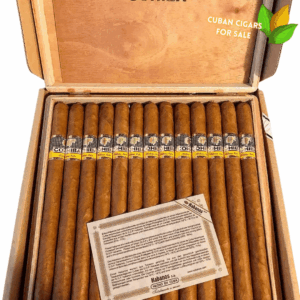
The wrapper on a genuine Coronas Especiales has this rich Colorado hue that catches light beautifully. I’ve noticed it’s got an oily sheen that speaks to proper fermentation and storage. The veins? Minimal. Almost imperceptible.
Running my fingers along the length, the construction feels solid. No soft spots. The triple cap is executed with precision, and there’s usually a short pigtail that I’ve come to appreciate as both functional and aesthetic. The 38 ring gauge means this isn’t a chunky smoke—it’s refined, purposeful.
What really impresses me is the consistency. I’ve smoked dozens of these over the years, and the construction quality remains remarkably uniform. That’s the difference between factory-made Cuban cigars and the inconsistency you sometimes find elsewhere. These are crafted from Vuelta Abajo tobaccos with that distinctive third fermentation process that Cohiba is known for.
The handmade construction shows in the details. Even burn lines. Firm but not tight draw when properly humidified. It’s clear these rollers know their craft.
Flavor Profile: A Journey in Three Acts
First Third: The Introduction
Those initial draws? Earthy. Almost mineral-rich, like wet stones after rain. There’s a woody backbone that reminds me of old cedar, maybe a touch of hay. It starts medium in strength, which means newcomers won’t get knocked around.
What I find fascinating is how the retrohale reveals notes the palate misses. Light coffee, almost sweet, with hints of almond. The bitterness isn’t harsh—it’s more like dark chocolate before it’s sweetened. This opening act sets expectations without overwhelming.
The burn is typically even from the start. Ash holds well, showing that gray-white color that indicates quality tobacco and proper aging.
Middle Third: The Plot Thickens
This is where things get interesting. The transition from bitter earth to sweetness happens gradually, then suddenly you’re tasting vanilla and cocoa. It’s like the cigar finds its voice.
I’ve noticed the strength builds to medium-plus here. Not aggressive, but present. Grass notes weave through, along with toasted almond and what I can only describe as milk chocolate undertones. The spice isn’t pepper-forward—it’s more nuanced, warming rather than sharp.
The construction really shines in this section. Draw remains consistent, and the burn continues evenly. This middle third often determines whether I’ll order another box, and the Coronas Especiales rarely disappoints.
Final Third: The Crescendo
Honestly, this is where the magic happens. All those earlier flavors converge and deepen. Cedar becomes more pronounced, the chocolate notes turn darker, richer. I’ve detected rum cask influences and definite hazelnut.
The strength peaks here but never becomes unmanageable. It’s intense without being overpowering. The earthy foundation remains, but now it’s balanced by layers of sweetness and spice that build complexity with every draw.
I can usually smoke this section down to the nub without heat or bitterness creeping in. That’s the mark of well-aged, properly fermented tobacco.
Technical Specifications
| Specification | Details |
|---|---|
| Length | 152mm (6 inches) |
| Ring Gauge | 38 |
| Vitola | Laguito No. 2 (Coronas Especiales) |
| Strength | Medium to Medium-Plus |
| Smoking Time | 45-75 minutes |
| Wrapper | Colorado, Cuban |
Perfect Pairings
I’ve experimented with dozens of pairings over the years, and some combinations just work better than others. The woody, sweet complexity of this cigar demands thoughtful beverage selection.
My favorite pairing? A good dark rum. Something like Mount Gay XO or El Dorado 15-year. The rum’s sweetness complements those vanilla and chocolate notes beautifully, while the oakiness doesn’t compete with the cedar undertones. It’s harmonious.
Coffee works brilliantly too, especially if you’re smoking in the morning—though honestly, I don’t judge anyone’s cigar timing. A rich espresso or Cuban coffee enhances those coffee bean notes I detect on the retrohale. French roast with a touch of cream is phenomenal.
For whiskey drinkers, I’d suggest something smooth rather than peated. A highland Scotch like Macallan 18 or a bourbon like Blanton’s. You want something that won’t overwhelm the cigar’s subtleties.
Wine? Go with a full-bodied red. Cabernet Sauvignon or a good Rioja. The tannins play nicely with the earthy elements, and the fruit notes bridge to the cigar’s sweetness.
Cutting and Lighting Technique
Here’s where that slim profile requires some attention. With a 38 ring gauge, I always use a sharp guillotine cutter—never a punch. The narrow diameter means a punch can restrict the already-limited draw.
I cut just above the cap line, taking maybe 2mm. Any more and you risk unraveling that beautiful triple cap construction. The goal is opening airflow without damaging the wrapper.
For lighting, I prefer cedar spills or wooden matches. Butane lighters work fine, but avoid anything that might impart flavor. The lighting technique matters more than the tool—toast the foot evenly, then light with gentle, slow draws.
Don’t rush this process. The narrow gauge means less surface area, so it lights quickly once the tobacco catches. I’ve found that patient lighting prevents early burn issues that can plague thinner cigars.
Take your time with those first few draws. Let the cigar establish its rhythm before committing to the full experience.
Who Should Smoke This Cigar
In my experience, the Coronas Especiales hits a sweet spot for accessibility. If you’re new to Cuban cigars, this won’t overwhelm you. The medium strength and gradual flavor evolution provide education without punishment.
Experienced smokers appreciate the complexity and construction quality. It’s sophisticated without being challenging, which makes it perfect for business meetings or social smoking. I’ve never had someone complain about the strength or flavor intensity.
Time-wise, 45-75 minutes makes it ideal for lunch breaks or evening relaxation without requiring a three-hour commitment. It’s substantial enough to feel worthwhile but not so long that it becomes a marathon.
Occasion-wise? This works for almost anything. Business dinners, casual evenings, celebrations. It doesn’t demand ceremony but rewards attention. That versatility is part of why I keep coming back to this vitola.
If you typically smoke full-bodied cigars exclusively, you might find this too mild initially. But I’d encourage patience—the complexity reveals itself to those willing to pay attention.
Authenticity: Spotting the Real Deal
Unfortunately, Cohiba’s popularity makes it a prime target for counterfeiters. I’ve seen some convincing fakes over the years, but there are telltale signs if you know what to look for.
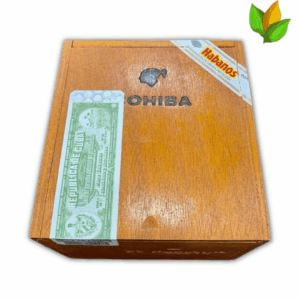
First, check that hologram sticker. Authentic boxes have unique serial numbers and proper holographic elements that shift when viewed from different angles. Fakes often have dull, static-looking stickers.
The box code matters too. Look for proper formatting—something like “EBP ABR 22” indicating factory and date codes. Counterfeiters often mess up these details or use impossible combinations.
Examine the wrapper carefully. Authentic Coronas Especiales have smooth, virtually veinless wrappers with that distinctive oily sheen. Fakes often look dry or show excessive veining. The construction should feel firm and even—no soft spots or lumps.
Pay attention to the draw when smoking. Tight or plugged draws often indicate poor rolling typical of counterfeits. Authentic Cuban construction rarely produces draw problems when properly stored.
Purchase from reputable sources. While I can’t recommend specific retailers, established dealers with proper authentication reduce counterfeit risk significantly. If the price seems too good to be true, it probably is.
Storage and Aging
Proper storage makes the difference between a good cigar and a great one. I maintain my humidor at exactly 70% relative humidity and 70°F temperature—the classic 70/70 rule that works beautifully for Cuban cigars.
Setting up proper humidor conditions preserves that oily wrapper sheen and prevents the tobacco from drying out. I use Spanish cedar for optimal aging potential, though many quality humidors come with this already installed.
These cigars age beautifully. I’ve smoked five-year-old Coronas Especiales that developed incredible depth and smoothness. The earthy notes mellow, the sweetness becomes more pronounced, and the overall experience gains sophistication.
If you’re planning to age them, proper preservation techniques are crucial. Consistent humidity and temperature prevent wrapper cracking and maintain the structural integrity that makes these cigars special.
I typically let new boxes rest for at least three months before smoking. Cuban cigars often benefit from this settling period, especially after international shipping. The flavors integrate better, and construction issues—if any exist—usually resolve themselves.
Frequently Asked Questions
How does this compare to other Cohiba vitolas?
The Coronas Especiales offers more approachable strength than the Robusto or Esplendidos while maintaining complexity. It’s less intense than my favorite Cohiba Siglo IV coming from the Siglo line, making it perfect for daytime smoking or when you want Cohiba character without full commitment.
Why does my cigar burn unevenly sometimes?
Usually humidity issues or lighting technique. These slim cigars are sensitive to both over and under-humidification. If it’s properly stored at 70% RH and you’re lighting evenly, burn problems are rare. Rushing the lighting process often causes early burn issues.
Can beginners handle this cigar?
Absolutely. The medium strength and gradual progression make it ideal for newcomers to premium cigars. It has undeniable flavour without overwhelming nicotine content. I often recommend it as a first Cuban experience.
What’s the difference between this and non-Cuban coronas?
The Vuelta Abajo tobacco region and Cuba’s unique fermentation processes create flavor profiles you simply don’t find elsewhere. The terroir, combined with traditional Cuban rolling techniques, produces complexity that’s distinctly Cuban.
How can I tell if my cigar is too dry or too moist?
Too dry: wrapper feels papery, burns too fast, harsh flavors. Too moist: difficult draw, won’t stay lit, possible mold risk. Properly humidified Coronas Especiales feel slightly springy when gently squeezed and have that telltale oily wrapper sheen.