
Among the treasures that have slipped through the annals of Cuban tobacco history, the Siboney Coronas Tip No.2 stands out as a coveted relic for collectors and connoisseurs alike. This slender, hand‑crafted smoke, once a staple of the mid‑20th‑century Cuban cigar scene, now commands attention for its scarcity and the glimpse it offers into a golden age of premium tobacco production.

Historical Context
The Coronas Tip No.2 made its debut in the early 1950s, a period when Cuban factories were expanding their portfolios and experimenting with new vitolas to satisfy an ever‑growing appetite for luxury cigars. By the end of that decade, the brand had integrated the tip‑styled Corona into its regular line, reflecting the era’s fondness for modestly sized, yet flavorful, smokes. The political upheaval of the early 1960s forced many producers to halt production, and the Coronas Tip No.2 was among the casualties, ending its relatively short run and leaving behind only a limited number of surviving pieces.
Technical Specifications
Understanding the physical attributes of the Coronas Tip No.2 helps enthusiasts appreciate its craftsmanship and distinguish it from later imitations.
- Vitola Name: Coronas Tip No.2
- Factory Designation: Unknown (no official factory label has been documented)
- Ring Gauge: 35
- Length: 120 mm (approximately 4 ¾ inches)
- Official Weight: 3.97 grams
- Construction Method: Handmade, executed by skilled torcedores who carefully rolled each leaf.
- Band Style: Standard “A” band, a classic identifier of the Siboney line during that era.
Construction Details
The cigar’s handmade nature meant each piece received individual attention, with the filler, binder, and wrapper leaves selected and assembled by hand. The modest 35‑ring gauge contributed to a relatively quick burn, allowing the nuanced flavors of pre‑embargo Cuban tobacco to surface more rapidly than larger vitolas might permit.
Packaging and Presentation
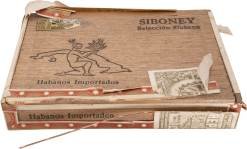
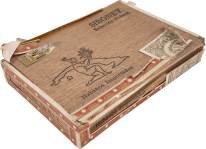
The Coronas Tip No.2 was released in two distinct dress‑box configurations, both reflecting the packaging standards of the time:
- A compact 25‑cigar dress box, each cigar sealed in its own cellophane sleeve.
- A larger 100‑cigar dress box, again with individual cellophane protection for each stick.
The use of cellophane was a common practice in mid‑century Cuban factories, serving as a barrier against moisture loss and minor handling damage. These packaging choices not only preserved the cigars’ condition but also contributed to the pristine state in which many survivors are found today.
Collectibility and Investment Potential
Because its production spanned only about a decade before being discontinued, the Coronas Tip No.2 has become a scarce commodity. Collectors prize the cigar for several reasons:
- Rarity: The short window of availability means that any surviving box is a rare find.
- Historical Significance: It captures the flavor profile of Cuban tobacco before the U.S. embargo fundamentally altered the market.
- Condition: Thanks to robust packaging, many examples remain in remarkable shape, which enhances their desirability.
For those looking to acquire or preserve a Coronas Tip No.2, proper storage is essential. Maintain a relative humidity of 68–72 % and a temperature around 70 °F (21 °C) to prevent the delicate wrapper from drying out. A humidor with consistent airflow will help keep the cigars fresh, preserving the subtle notes that have survived decades.
Factors Influencing Value
When evaluating a potential purchase, consider the following:
- Box Condition: Unopened, sealed boxes command higher premiums.
- Cellophane Integrity: Any tears or discoloration may diminish value.
- Provenance: Documentation of storage conditions or previous ownership can add to the allure.
In summary, the Siboney Coronas Tip No.2 offers a rare window into an era when Cuban cigar makers were pushing the boundaries of craftsmanship. Its limited production, classic dimensions, and historical context make it a prized addition to any serious collector’s archive, while its storied past continues to intrigue those who appreciate the artistry of vintage tobacco.