
In the rarefied world of premium tobacco, few items command as much reverence as a vintage Cuban Davidoff. For the serious collector, the cigar itself is only half the story; the band encircling it serves as a critical historical document. These small rings of paper are not merely decorative labels but are essential tools for verifying provenance and establishing the timeline of production. Understanding the subtle distinctions in these bands allows enthusiasts to distinguish genuine artifacts from counterfeits, preserving the integrity of a collection.
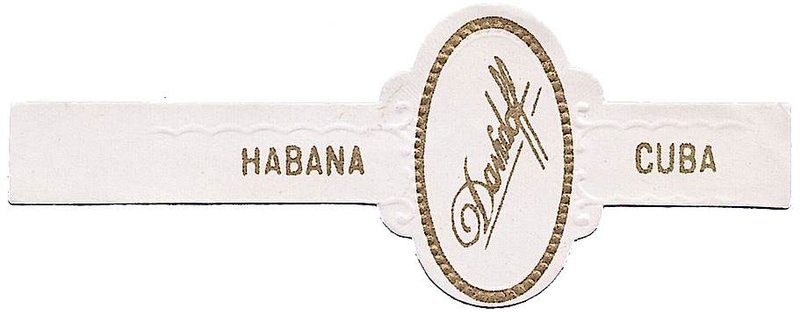

The Formative Years: Defining an Era (1969–1991)
The timeline between 1969 and 1991 represents a foundational period for the Davidoff brand. During these two decades, the company established its identity within the Cuban cigar landscape, creating products that are now the stuff of legend. To navigate the secondary market effectively, one must recognize that the packaging used during this era falls into two distinct categories. While the cigars rolled during this time shared the same production window, the bands affixed to them differed significantly in their physical texture and finish. These variations provide the roadmap that collectors use to this day to date their acquisitions.
Standard Band A: The Embossed Benchmark
Regarded by many as the gold standard for the era, the first primary variant—known among connoisseurs as Standard Band A—exemplifies the luxury aesthetic that defined the brand's early reputation.
Tactile Quality and Visual Appeal
The defining characteristic of Band A is its textured surface. Produced using an embossing technique, this band features a raised design that creates a three-dimensional effect. When holding a cigar adorned with this ring, one can physically feel the contours of the logo and lettering. This was not merely a stylistic choice; it was a deliberate signal of premium positioning. The embossing imbued the packaging with a sense of depth and weight, reinforcing the idea that the consumer was handling a top-tier product. Because this specific design has been retired, surviving examples are highly prized. The presence of this textured band serves as immediate confirmation that the cigar originates from the original production window, making it a centerpiece in any serious vintage collection.
Standard Band B: A Study in Elegance
Running parallel to the production of its textured counterpart, Standard Band B offers a different visual signature, yet it carries equal weight in the brand's history. Produced concurrently from 1969 through 1991, this variant provided an alternative presentation style.
The Smooth Aesthetic
Unlike the raised profile of Band A, Band B is identified by its smooth, non-embossed finish. This variant relies on a flat, sleek presentation rather than tactile texture. While it lacks the physical relief of the embossed version, it maintains the brand's characteristic sophistication through clean lines and precise printing. The choice between embossed and smooth bands during this era reflected different stylistic approaches, yet both signaled the same high standards of quality. Like its textured sibling, Standard Band B has been discontinued. Consequently, locating cigars bearing this smooth ring is increasingly difficult, turning them into rare finds that offer a tangible link to Davidoff’s past.
Authentication and Collecting Strategy
For the modern collector, the ability to differentiate between these two bands is paramount. Because both designs have been out of production for decades, their presence is a primary indicator of age. The distinction between the embossed and smooth finishes is the first line of defense against counterfeits, which often fail to replicate the specific texture or printing quality of the original rings.
- Rarity Factor: Since both Band A and Band B are discontinued, the pool of available cigars has shrunk considerably, driving up demand among purists.
- Heritage Value: These bands represent the formative chapters of Davidoff's Cuban legacy, acting as artifacts of a bygone era in tobacco manufacturing.
- Verification: Examining the finish—whether textured or smooth—remains the most reliable method for dating a vintage find to the 1969–1991 window.
Ultimately, these bands serve as guardians of history. Whether a collector encounters the tactile richness of the embossed Band A or the sleek simplicity of Band B, both represent a vital connection to the brand's origins. As time passes, these small paper rings have transcended their role as mere packaging, becoming valuable artifacts that tell the story of luxury, craftsmanship, and heritage.