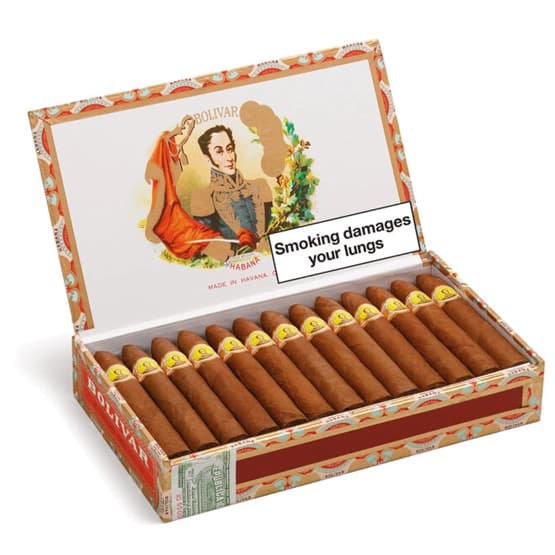
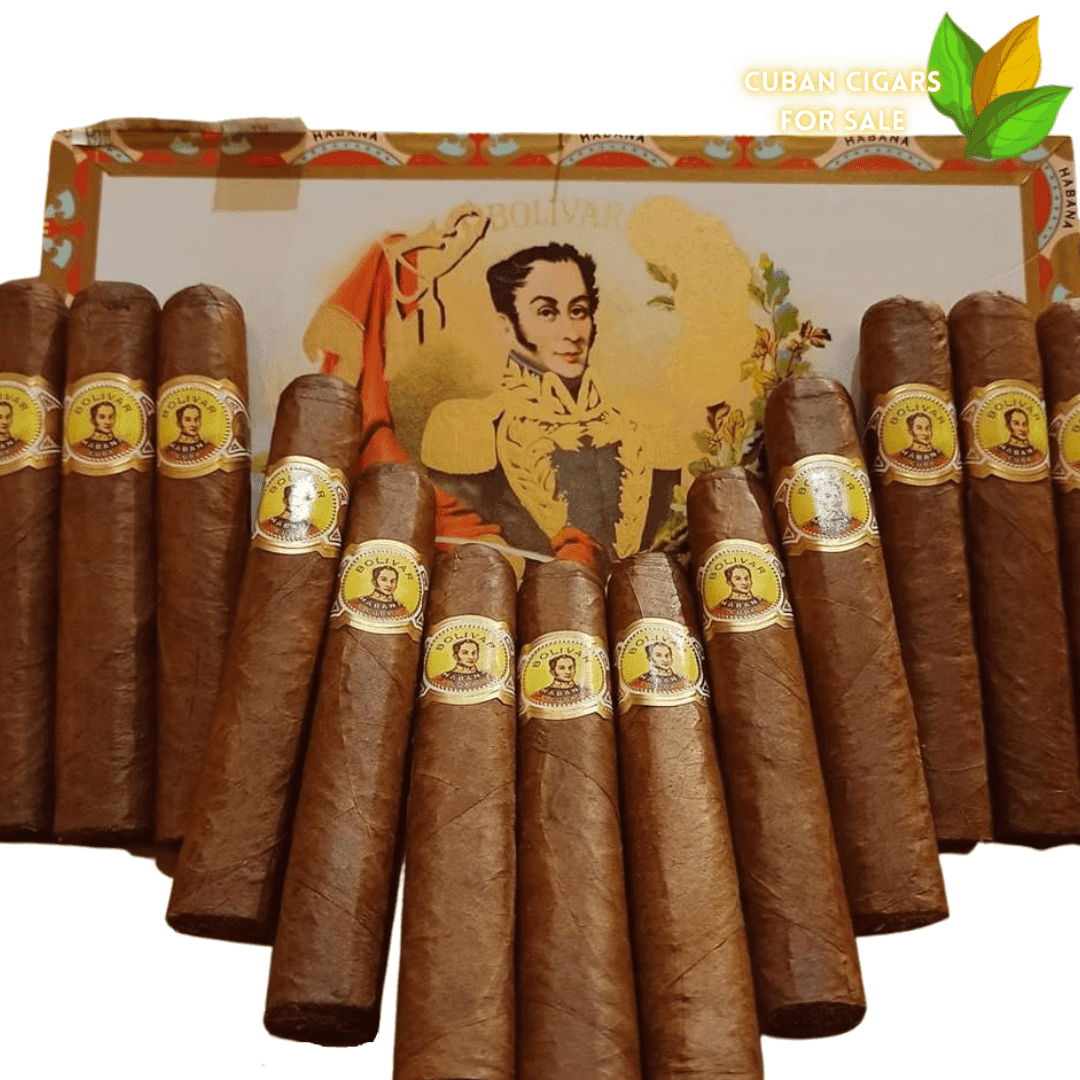
For collectors of Cuban tobacco heritage, few experiences rival the pursuit of rare, discontinued vitolas that once graced the humidors of Havana's finest smoking lounges. Among these coveted relics sits a slender, elegant smoke that embodies an era of Cuban cigar craftsmanship— Bolivar Ideales de Bolivar. This discontinued offering represents more than just a smoke; it serves as a tangible connection to a transformative period in the island nation's celebrated tobacco legacy.

Origins and Historical Context
The story of Ideales de Bolivar begins in the years leading up to 1960, during a time when Havana's cigar factories operated at the height of their artistic capabilities. This particular vitola emerged as part of Bolivar's regular production catalog, offering enthusiasts a distinctive alternative to the brand's famously potent offerings. The timing of its introduction placed it among the earlier releases from a manufacturer whose name had become synonymous with bold, full-flavored tobacco experiences.
Simón Bolivar, the legendary revolutionary who liberated much of South America from colonial rule, inspired the name of this prestigious marque. The Bolivar brand has maintained an enduring reputation for producing some of the most robust and full-bodied cigars to ever leave Cuban shores. When factory rollers began crafting Ideales de Bolivar, they carried forward this legacy of strength and character that had made the marque famous among discriminating smokers worldwide.
Despite its quality and historical significance, the Ideales de Bolivar graced humidors for only a decade. Production ceased entirely in 1970, marking the end of a relatively brief but noteworthy chapter in Bolivar's extensive catalog. This limited availability window has transformed surviving examples into genuine collector's prizes, sought after by enthusiasts who appreciate both the smoking experience and the historical context these cigars represent.
Technical Specifications and Construction
Measuring an impressive 161 millimeters with a 36 ring gauge, the Ideales de Bolivar presented an elongated, gracefully slender profile quite different from many of its Bolivar siblings. This particular combination of dimensions created what enthusiasts might describe as a contemplative vitola—one designed for unhurried enjoyment rather than quick satisfaction. The proportions allowed for a complex evolution of flavors throughout the smoking journey, rewarding patience and attention.
Each example was crafted entirely by hand, a practice that defined Cuban cigar making throughout the twentieth century. Skilled torcedores, trained over years of meticulous practice, dedicated their expertise to producing these smokes with consistent quality. The handmade construction meant that no two cigars were absolutely identical, though master rollers worked diligently to maintain uniformity within each box. This human touch distinguished Cuban cigars from machine-made alternatives and contributed significantly to their mystique and appeal.
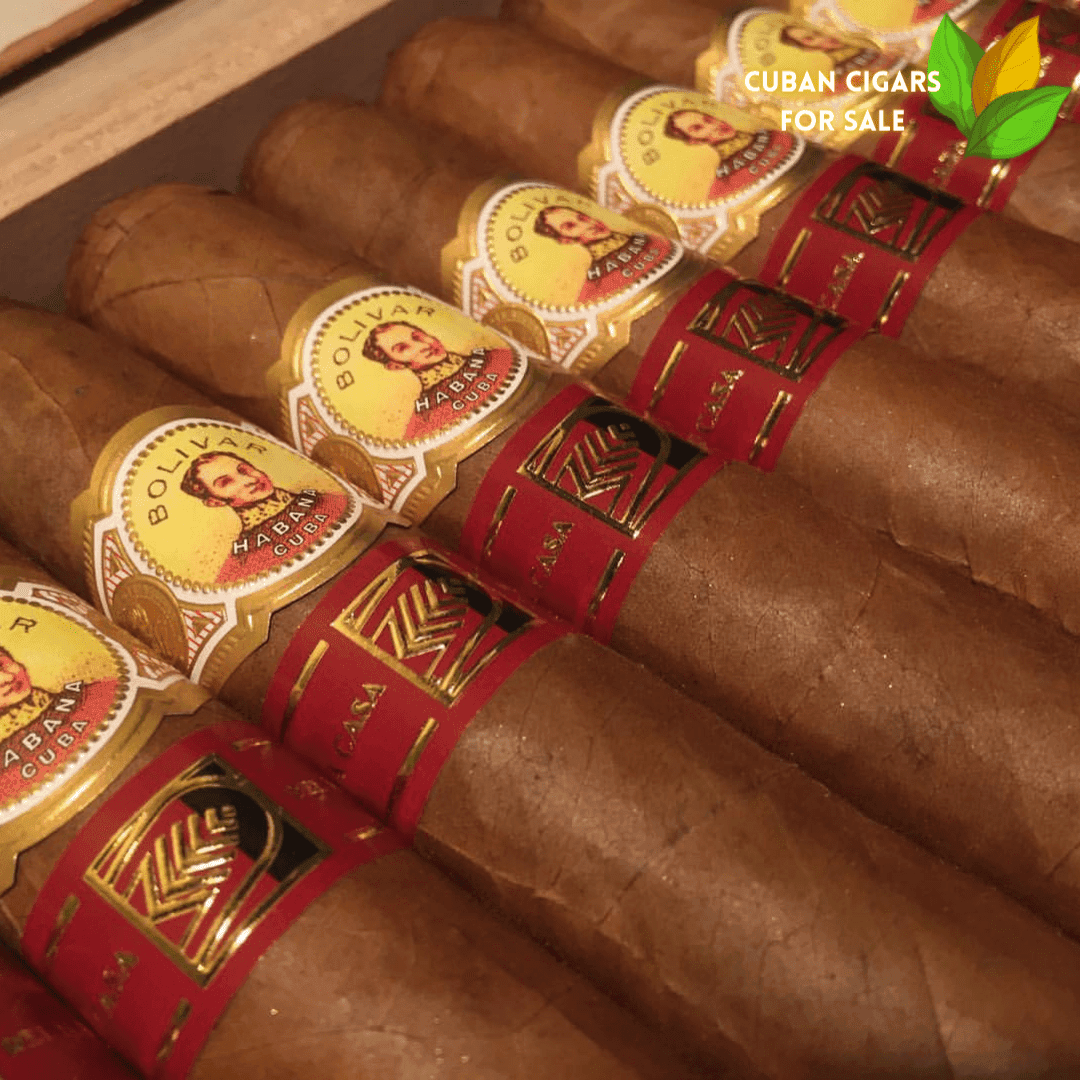
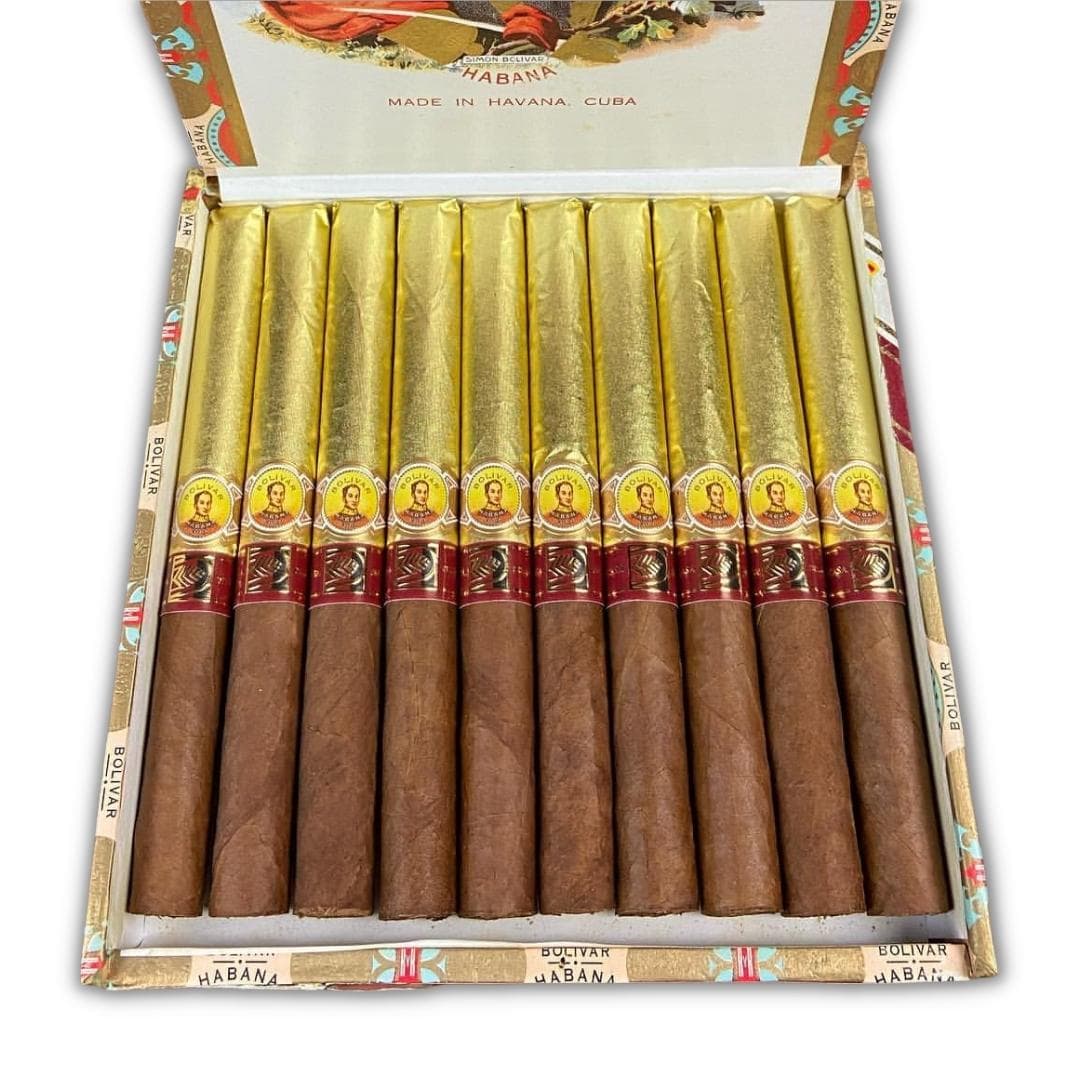
The Ideales de Bolivar carried the standard Bolivar band, designated as band A in the manufacturer's cataloging system. This identifying marker signaled to experienced smokers that they held an authentic product from the Havana factory, complete with the assurance of quality associated with the Bolivar name. The band featured the iconic imagery and typography that had become instantly recognizable among aficionados around the globe.
Presentation and Packaging
Distribution occurred through dress boxes containing twenty-five individual cigars, packaged with care befitting a premium product. The presentation style reflected the conventions of the era, emphasizing traditional values and craftsmanship over elaborate modern aesthetics. These boxes were designed to protect the delicate contents during transport while allowing proper aging potential for those who chose to cellar their purchases.
The official weight of each cigar measured 7.59 grams, a specification that speaks to the balanced proportions achieved through careful construction. Such attention to detail in the manufacturing process ensured that smokers received a consistent product batch after batch, though natural variations inherent to handmade goods added character and uniqueness to each individual smoke.
Significance in Cigar Collecting
Today, the Ideales de Bolivar occupies an important position in the historical narrative of Cuban tobacco. While discontinued nearly five decades ago, this vitola continues to offer valuable insights into how the Bolivar brand evolved during a critical transitional period. Collectors prize surviving examples not merely for potential smoking pleasure but also as artifacts that document an era of Cuban cigar manufacturing that has largely passed into history.
Understanding the Ideales de Bolivar helps illuminate the broader story of Havana's legendary cigar industry. This particular release demonstrated that Bolivar, despite its reputation for powerful smokes, was willing to explore different formats and smoking experiences for its audience. The craftsmanship embodied in these slender cigars represents a high-water mark of traditional torcedor skills that modern production methods have struggled to replicate consistently.
For those fortunate enough to encounter an original box of Ideales de Bolivar, the discovery offers more than a rare smoking opportunity—it provides a direct connection to mid-century Cuban tobacco culture. These cigars stand as silent witnesses to an extraordinary period in cigar history, their aged wrapper and carefully preserved construction telling stories of humidors past and the devoted collectors who have safeguarded them through the decades.