In the rarefied world of premium Cuban cigars, where handmade artistry typically reigns supreme, there exists a fascinating outlier that tells a different story of craftsmanship and accessibility. The Bolívar Coronas Grandes stands as a compelling artifact from an era when Cuba's cigar industry embraced mechanized production without abandoning its commitment to quality. For the serious collector, this discontinued vitola offers a window into a transitional period that shaped the modern landscape of Habanos.

The Historical Context of a Bygone Era
Long before Cuba's nationalization of the tobacco industry transformed the global market, the Bolívar brand had already established itself as a formidable presence among discerning smokers. The Coronas Grandes emerged on the scene sometime before 1960, arriving during a period when the island's manufacturers freely blended hand-rolled prestige with machine-made efficiency. This wasn't a compromise on quality but rather a strategic decision to broaden accessibility while preserving the distinctive character that defined the Bolívar name.
What makes this particular cigar especially intriguing to historians is its production timeline. While the standard machine-manufactured versions rolled off lines throughout the turbulent 1960s and into the subsequent decade, whispers persist within collecting circles about potential handmade variations surviving as late as 1979. This overlap suggests either a deliberate transition strategy or perhaps specialized batches created for particular markets or occasions. The official discontinuation during the 1970s marked the end of an approach that modern Habanos has entirely abandoned in favor of exclusive handmade production.
Technical Specifications and Dimensions
The Coronas Grandes presents itself with imposing dimensions that justify its ambitious name. Measuring a substantial 162 millimeters—approximately six and three-eighths inches—in length, this cigar commands attention from the moment it's removed from its box. The ring gauge of 46 provides a satisfying heft between the fingers, creating a smoking experience that was clearly designed to last and satisfy.
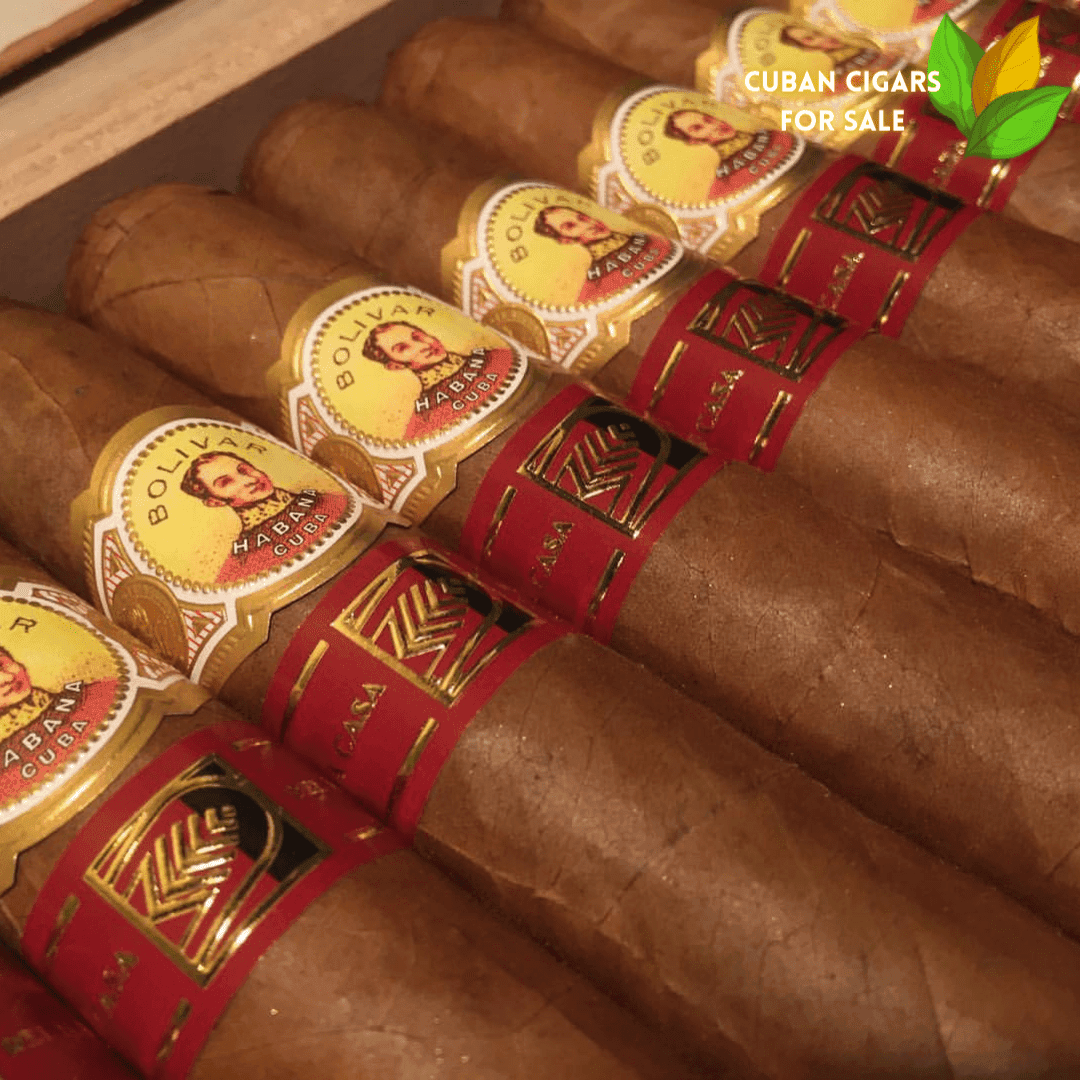
Official documentation lists the weight at precisely 12.33 grams, a figure that speaks to the industrial precision possible through machine manufacturing. While the specific factory name for this vitola remains unrecorded in available archives, the physical specifications alone tell a story of thoughtful engineering. The construction employed the era's standard Band A design, ensuring visual continuity with the broader Bolívar family while signaling its position within the brand's hierarchy.
Presentation and Packaging
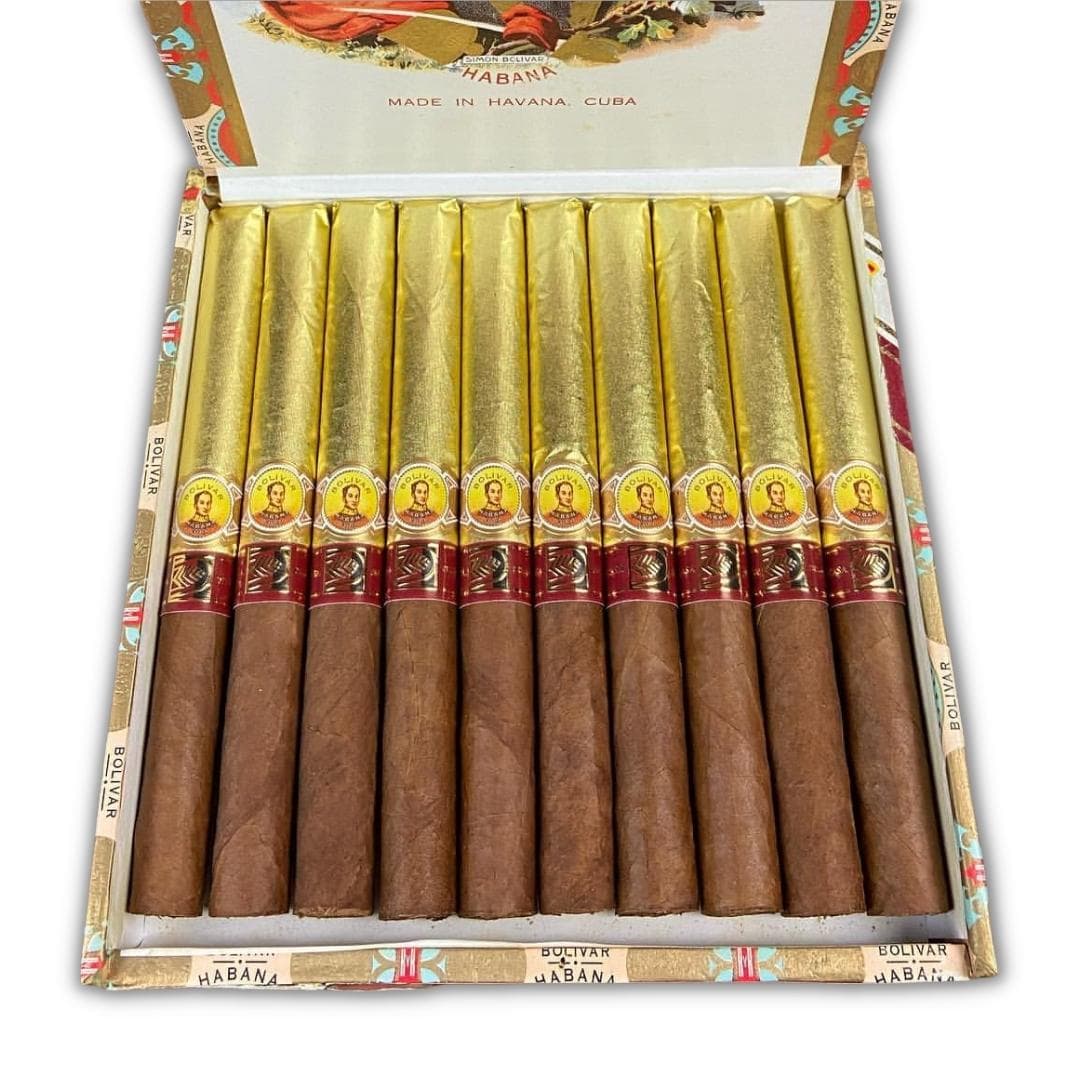
Collectors who encounter surviving examples will immediately recognize the distinctive semi boîte nature presentation. Each original box housed exactly fifty cigars, a quantity that reflected both the commercial practices of the period and the intended market positioning. The natural wood finish of these containers served dual purposes: practical preservation of the precious contents within, and an aesthetic statement befitting the Bolívar reputation for excellence.
The decision to package fifty units rather than the now-standard twenty-five reflected different consumption patterns and retail conventions of mid-century Cuba. Today, finding intact boxes represents an extraordinary stroke of fortune, with most surviving specimens having long since been separated and consumed by enthusiasts who likely gave little thought to future collectibility.
A Legacy Beyond Production
Though decades have passed since the last Coronas Grandes emerged from Cuban factories, the cigar maintains significance that transcends its physical absence from current catalogs. For scholars of tobacco history, it represents proof that machine fabrication once coexisted with premium positioning—a concept that seems almost contradictory to contemporary sensibilities where handmade exclusivity defines luxury.
The modern Bolívar brand has evolved considerably, focusing entirely on hand-rolled craftsmanship that emphasizes artisanal skill over industrial efficiency. Yet the Coronas Grandes remains a touchstone for understanding how the brand built its reputation and expanded its reach during formative decades. Each surviving specimen serves as tangible evidence of manufacturing philosophies that have since vanished from Cuban shores.
For collectors fortunate enough to locate aged examples, the experience extends beyond mere consumption. These cigars represent archaeological artifacts from a different industrial age, embodying techniques, tobaccos, and traditions that modern production cannot replicate. The Bolívar Coronas Grandes may no longer be produced, but its place in cigar history remains permanently secured—a machine-made monument to an era when accessibility and quality were not viewed as mutually exclusive concepts.