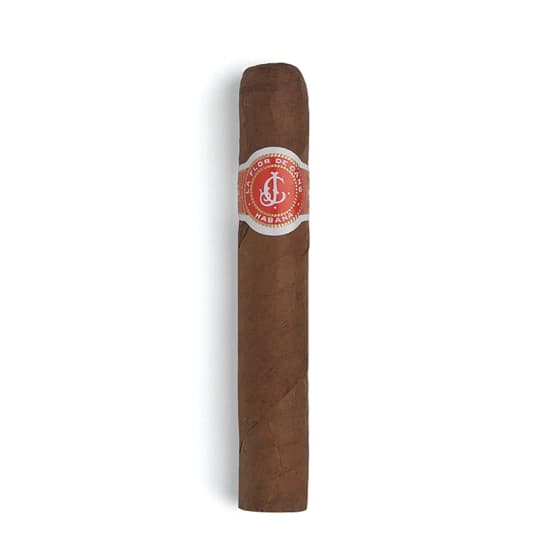
For collectors of Cuban cigars, certain discontinued formats hold a special allure that transcends mere smoking enjoyment. The La Flor de Cano Selectos represents one such artifact from Havana's storied tobacco heritage, a vitola that bridged decades of change in Cuba's cigar industry while remaining accessible to enthusiasts across the globe. This medium-sized parejo has become increasingly sought after in recent years, as supplies dwindle and appreciation grows for the craftsmanship of bygone eras.

Origins and Historical Significance
The Selectos format traces its roots to the late 1950s, emerging during a transformative period in Cuban cigar manufacturing. Introduced before 1960, this vitola quickly established itself as a cornerstone offering within the La Flor de Cano portfolio, providing newcomers and seasoned smokers alike with a dependable taste of Cuban tradition. The brand itself had built its reputation on producing quality cigars that balanced accessibility with authenticity, and the Selectos embodiment captured this philosophy perfectly. Throughout its production run spanning over four decades, the Selectos underwent notable evolution in its construction methods, reflecting broader shifts occurring within Cuba's tobacco industry during the latter half of the twentieth century.
Physical Characteristics and Construction Evolution
Measuring 150 millimeters with a 41 ring gauge, the Selectos presented itself in a gracefully proportioned format that appealed to smokers seeking something between a petite corona and a more substantial robusto. The official weight of 8.97 grams gave these cigars a substantial feel without overwhelming the palate, making them suitable for both casual enjoyment and more contemplative smoking sessions. Perhaps most fascinating about the Selectos history is its construction journey. Initially produced using machine methods, the format underwent a significant transformation around 1970 when production shifted entirely to handmade techniques. During this artisanal period, skilled torcedores carefully rolled each cigar by hand, elevating the Selectos from everyday smoke to something approaching luxury status. This handmade era represented the vitola's golden years, when attention to detail reached its peak. However, changing market dynamics eventually prompted a return to mechanized production, bringing the Selectos full circle in its manufacturing philosophy.
Packaging and Market Availability
La Flor de Cano offered the Selectos in an impressive range of packaging configurations designed to meet diverse consumer needs. For those wishing to try the format without committing to larger quantities, cardboard packs containing either three or five cigars provided ideal options, with or without cellophane wrapping for preservation purposes. Collectors and regular smokers preferring greater volume found solace in the elegant 25-cigar dress boxes, which protected the cigars while adding a touch of sophistication to any humidor. This flexible approach to packaging ensured that the Selectos remained within reach of virtually every budget and preference, contributing significantly to its enduring popularity throughout the production years.
Legacy and Collectibility
When regular production ceased around 2002, the Selectos left behind a notable gap in the La Flor de Cano catalog that the subsequent handmade Selectos format attempted to fill. Among the various special releases tied to this vitola, the Siglo XXI Millennium Humidor stands out as particularly significant. Issued to commemorate the turn of the millennium, this commemorative edition combined Selectos cigars with decorative humidification elements, creating a package that has since become highly prized among serious collectors. Today, original Selectos specimens command premium prices in the secondary market, with well-preserved examples finding appreciative homes in collections worldwide. The format's combination of historical importance, manufacturing evolution, and commemorative releases ensures its place among essential Cuban cigar artifacts.