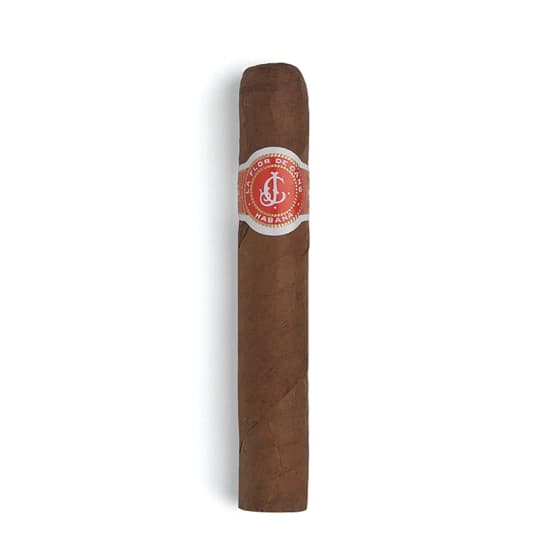
In the shifting landscape of premium tobacco, few things intrigue the connoisseur as much as a cigar that has ceased to exist. These "ghost" blends often represent a specific moment in time, a distinct harvest, or a strategic shift by a manufacturer. Among these departed icons is the La Flor de Cano Coronas, a cigar that enjoyed a respectable fifteen-year tenure before vanishing from the shelves. While the brand itself remains a historic pillar of the Cuban industry, the discontinuation of this specific vitola serves as a case study in how market forces reshape the portfolios we see today.

A Historic Brand’s Mid-Century Offering
La Flor de Cano is a marque steeped in tradition, tracing its lineage back to the dawn of the 20th century. However, the specific Coronas expression under discussion arrived much later, making its debut in 1987. This release was a strategic move to bolster the brand's regular production lineup during a period when the global demand for authentic Cuban leaf was surging. The goal was straightforward: provide a high-quality, handmade smoking experience at a price point that welcomed newcomers while still satisfying seasoned palates.
For the next decade and a half, this cigar stood as a testament to the brand's philosophy. It was not a flashy limited edition, but rather a reliable workhorse. The decision to cease production around 2002 was not a reflection of poor quality, but rather a symptom of the broader consolidation happening within the Cuban cigar industry at the turn of the millennium. As Habanos S.A. sought to streamline its offerings and clarify the positioning of its various marcas, certain older or less distinct vitolas were retired to make room for modernized portfolios.
Technical Specifications and Dimensions
To understand the appeal of the La Flor de Cano Coronas, one must look closely at its physical attributes. In the factory, the size is known by its technical name: Marevas. This is a classic format in the Cuban lexicon, often considered the benchmark for what a traditional corona should be. The dimensions are precise, designed to offer a balanced ratio between the wrapper and the filler tobaccos.
- Length: 129 mm (5⅛ inches)
- Ring Gauge: 42
- Official Weight: 8.46 grams
This slender gauge is a stark contrast to the trend of "gordo" cigars that would dominate the market in later years. A 42 ring gauge forces the smoker to contend with a higher proportion of wrapper leaf, which is often the most flavorful and costly component of the cigar. This construction necessitated skilled torcedores (rollers) to ensure the draw remained open; a tight roll in such a slender format could easily ruin the experience.
Construction and Presentation Details
Unlike many modern interpretations that utilize mixed filler or machine-bunching to cut costs, the Coronas was a fully handmade endeavor. This commitment to craftsmanship was a key selling point for the brand, ensuring that the burn line and ash formation met the standards of discerning smokers.
The presentation was equally traditional. The cigars bore the Standard band A, a visual identifier that linked the product to the brand’s heritage without unnecessary flourish. For storage and retail, the cigars were housed in semi boîte nature boxes. These sliding-lid wooden boxes, typically containing 25 units, were more than just packaging; they were designed to facilitate proper aging. The wood allows for breathability, creating an ideal micro-environment for the tobaccos to marry and mature over time, a feature highly prized by collectors who held onto these boxes after production ended.
The Smoking Profile and Enduring Legacy
While flavor is subjective, the La Flor de Cano brand has historically been associated with a mild-to-medium strength profile. The Coronas was the quintessential expression of this house style. It offered an approachable entry point for those intimidated by the robust strength of other Cuban marques, yet it retained enough complexity—likely derived from the quality wrapper—to keep the interest of veteran aficionados. It was a morning cigar for some, or a "first cigar of the day" for others, delivering the classic grassy, woody, and creamy notes associated with the Vuelta Abajo region without overwhelming the senses.
Today, the La Flor de Cano Coronas exists only in the humidors of collectors and the memories of long-time smokers. Its disappearance has left a gap in the brand's lineup, though the Marevas vitola itself remains popular across the island's other famous brands. The legacy of this specific cigar is a reminder that the industry is in constant flux. What was once a staple on retailer shelves can, in the blink of an eye, become a piece of history, sought after only by those willing to hunt for the surviving remnants of a production run that ended over two decades ago.