In the realm of Cuban cigar collectibles, few names evoke the same level of reverence and difficulty in acquisition as the La Flor de Cano Diademas. This discontinued masterpiece represents a brief but significant moment in Habanos history, having graced humidors for just five years before vanishing from production. Today, tracking down an original Diademas has become a quest that tests the dedication of even the most seasoned enthusiasts, with surviving specimens commanding prices that reflect their legendary status.

Origins and Production Timeline
The story of the Diademas begins in 1987, when Habanos S.A. introduced this grand format as part of the La Flor de Cano portfolio. Unlike the brand's typical offerings, which catered to everyday smokers seeking approachable, medium-bodied experiences, the Diademas boldly stepped into more commanding territory. Its release marked a deliberate expansion of the marca's horizons, appealing to aficionados who craved something larger and more substantial from this traditionally modest label.
Production continued at a measured pace until 1992, when Habanos made the decision to retire the Diademas from its regular lineup. This relatively short manufacturing window—spanning precisely five years—created the foundation for the cigar's future scarcity. Unlike limited regional editions that might see re-releases, the Diademas existed as a single, continuous production run before being permanently shelved. That singular period of creation has proven to be both its greatest liability in terms of availability and its most attractive feature for those who appreciate exclusivity.
Physical Specifications and Construction
Classified internally under the factory designation Julieta No.2, the Diademas measures an impressive 178 millimeters, equivalent to seven inches of smoking pleasure. The 47 ring gauge provides a substantial wrapper surface area, allowing for a slow, contemplative burn that rewards patience. Each stick weighs in at 15.07 grams, reflecting the generous proportions that define this figurado vitola.
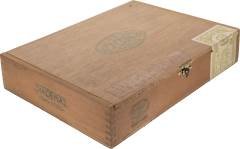
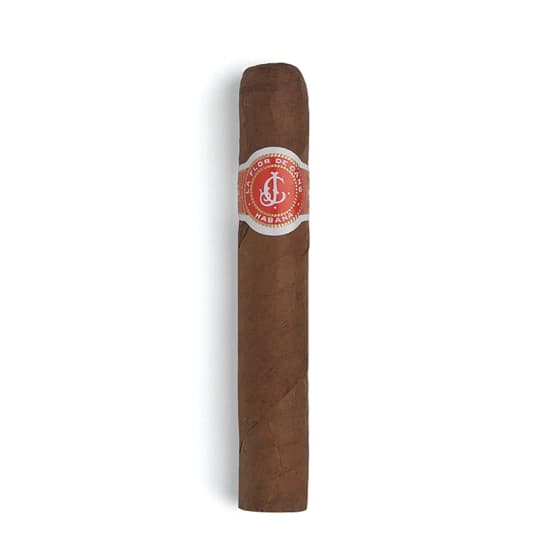
The construction remains handcrafted throughout, employing traditional Cuban techniques passed down through generations of torcedors. The standard band A adorns each cigar, presenting the La Flor de Cano identity in classic fashion without excessive ornamentation. This understated approach to branding extends to the presentation, which arrived in semi boîte nature boxes holding 25 units. The natural wood construction emphasized authenticity and tradition, appealing to purists who valued authenticity over ostentation.
The Hunt: Rarity and Market Dynamics
Three decades after production ceased, the Diademas has ascended to near-mythical standing within collector circles. The mathematics of scarcity work decisively against prospective owners: five years of production, combined with natural consumption over the intervening years, means that intact boxes have become extraordinarily uncommon. Those that do surface typically reside in the collections of serious investors or the private humidors of enthusiasts who acquired them decades ago and have carefully preserved their treasures.
Securing a well-preserved example demands considerable dedication and financial commitment. Individual cigars in optimal condition command substantial premiums, while pristine sealed boxes have become virtually unicorn items in the secondary market. The Diademas exemplifies how a relatively obscure release can transform into a highly sought-after commodity when time and limited supply align with sustained demand from the collector community.
Enduring Legacy and Special Editions
The name Diademas proved too compelling to remain dormant indefinitely. Following its discontinuation, La Flor de Cano revived this distinctive format for special occasions and regional releases. The Siglo XXI Millennium Humidor celebrated the turn of the millennium with premium packaging and enhanced presentation, while the Asia Pacifico Regional Edition brought the Diademas vitola to new markets with territory-specific bands and packaging.
These subsequent releases demonstrate the lasting appeal of the original format within the La Flor de Cano family. They also serve as testaments to the Diademas' successful formula—a larger, more substantial smoke that distinguished itself from the marca's everyday offerings. For collectors who missed the opportunity to acquire original 1987-1992 productions, these modern interpretations offer their own form of exclusivity, though they cannot match the prestige and historical significance of the vintage specimens.