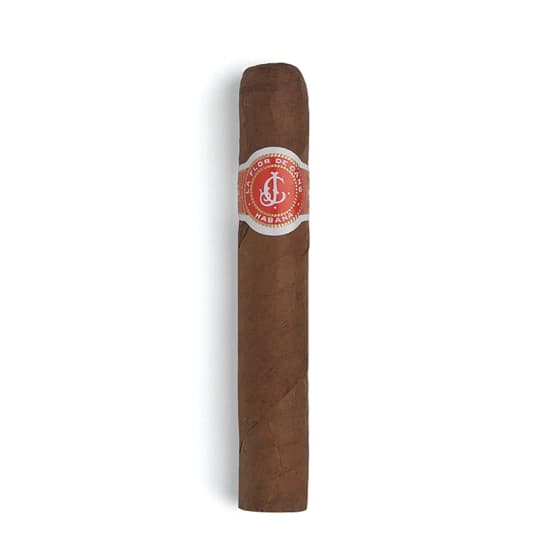
In the shadow of Cuba's most globally renowned tobacco labels lies a marque that embodies the very soul of Havana's smoking tradition: La Flor de Cano. While other brands often capture the spotlight with aggressive marketing or prohibitively expensive price tags, this distinguished label has cultivated a reputation for providing a genuine Cuban experience that remains accessible to a wide range of enthusiasts. It is a brand defined not by exclusivity, but by a steadfast commitment to the classic flavor profiles that made the region famous, offering a window into the island’s rich agricultural heritage without the intimidation factor often associated with premium cigars.
A Legacy of Approachable Quality
La Flor de Cano has successfully carved out a unique niche within the extensive portfolio of Habanos. It is frequently described by seasoned smokers as a "sleeper" brand—a hidden gem that delivers a traditional smoking experience at a value that belies its quality. The brand does not rely on gimmicks or fleeting trends; instead, it focuses on the fundamentals of construction and blend. For the novice smoker, it serves as an approachable gateway into the complex world of Cuban tobacco, while for the seasoned aficionado, it offers a reliable, everyday smoke that honors the distinct terroir of the Vuelta Abajo region. This duality is rare in the industry, allowing the brand to maintain a loyal following that spans generations.
Decoding the Visual History: A Collector's Guide
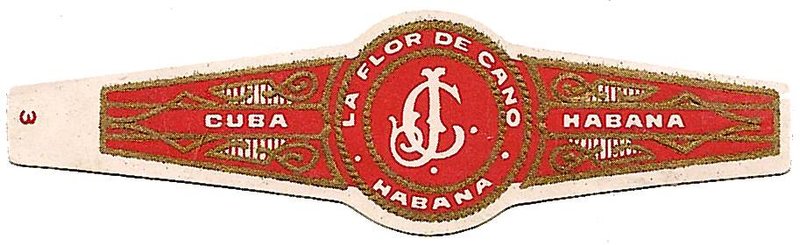
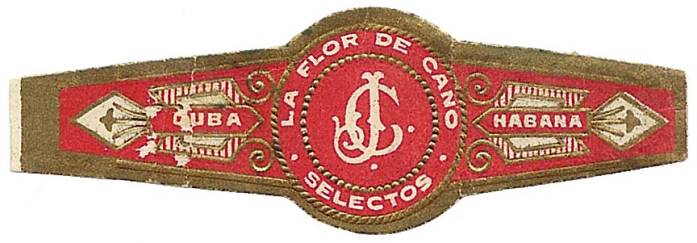
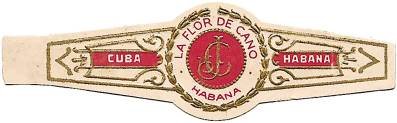
For the serious collector or historian, the study of La Flor de Cano offers a fascinating lesson in branding evolution. The visual identity of these cigars is not static; rather, it tells a chronological story through its packaging. Enthusiasts generally classify the brand's history into three distinct visual eras, each defined by specific design elements. Understanding these classifications is essential for authenticating vintage finds and appreciating the brand's timeline.
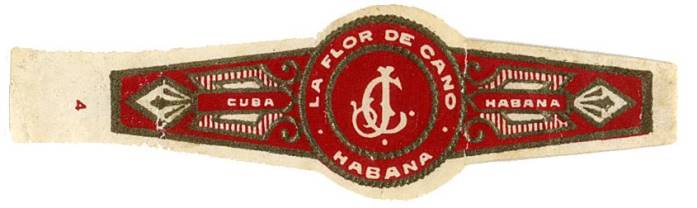
- Standard Bands: The workhorse of the brand’s visual identity is known as Standard Band A. This design is characterized by its embossed texture, a hallmark of quality presentation. It first appeared on the market during the 1960s and has remained in continuous production ever since, making it the most enduring design in the brand's modern history.
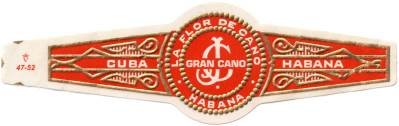
- Special Bands: Beyond the standard issue, the brand has released specific designs for unique vitolas. Notable examples include the dedicated band created for the Cristales size and the distinct ring designed for the Gran Cano. These specialized bands serve to distinguish these premium offerings from the core line.
- Classic and Discontinued Bands: These vintage artifacts offer a glimpse into the pre-revolutionary and early revolutionary periods. Collectors prize these older designs for their historical significance.
The Pre-Revolutionary Artifacts
Delving deeper into the discontinued category reveals the brand's earliest visual strategies. The "Early Custom Band," specifically designated for the Selectos vitola, predates the 1960s and represents the pre-revolutionary aesthetic. This design is a crucial piece of history, showcasing how the brand presented itself before the nationalization of the industry. Alongside this, there exists an "Early Standard Band A," a precursor to the modern version. While the exact dates of use for this early standard band remain somewhat ambiguous in historical records, its existence highlights the continuity of design language over decades. Notably, even these earliest iterations featured embossing, signaling a longstanding dedication to tactile quality.
The Tactile Signature of Quality
One of the most defining characteristics that unites the various eras of La Flor de Cano packaging is the consistent use of embossing. This is not merely a decorative choice; it is a signal of intent. From the pre-1960s custom bands to the modern standard rings, the raised texture adds a third dimension to the smoking experience before the cigar is even lit. This detail demonstrates that the brand has always prioritized presentation, ensuring that the visual and tactile elements align with the quality of the tobacco within. For collectors, this consistency provides a reliable metric for assessing the provenance of a box; the presence of embossing confirms that the item is a genuine artifact of the brand's enduring heritage.