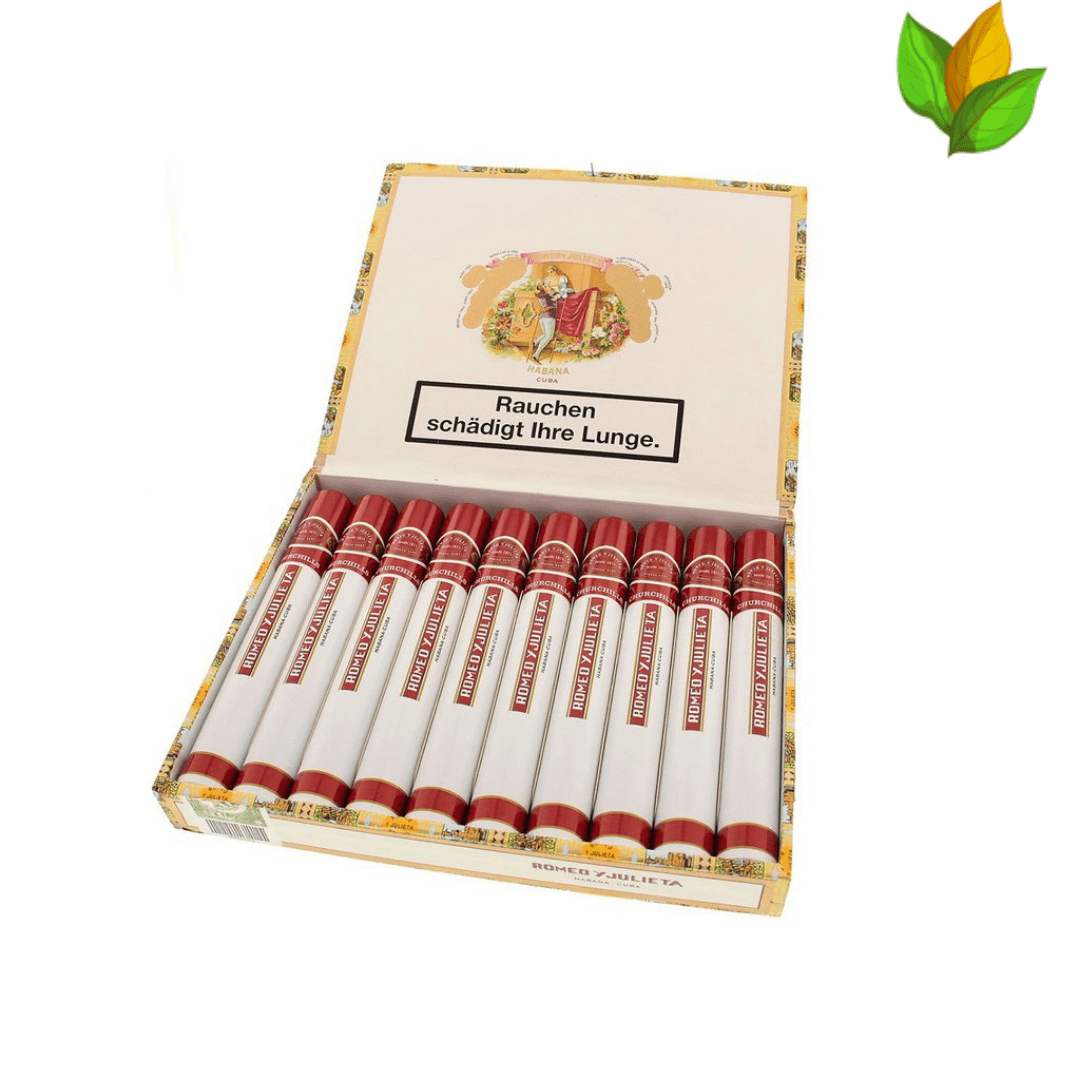

Description
The Churchill That Started It All
Look, I’ve smoked a lot of Churchills in my time. I mean, a lot. But there’s something about the Romeo y Julieta Churchill that keeps pulling me back. Maybe it’s nostalgia – this was one of the first proper Cubans I ever smoked during a trip to Havana back in ’97 – or maybe it’s because this cigar just works. No gimmicks, no limited edition nonsense. Just a solid, classic Cuban that’s been around since 1946 and has earned its legendary status for good reason.
Here’s the thing – when Winston Churchill himself lent his name to a cigar format, this was the blend that made it famous. The Romeo y Julieta Churchill isn’t just named after the vitola; in many ways, it defined what a Churchill should be. And after nearly eight decades of production, the folks at Habanos S.A. still haven’t messed with the formula. Sometimes that’s exactly what you want.
In this deep dive, I’m going to walk you through everything that makes this cigar special – from that gorgeous Vuelta Abajo wrapper to the creamy smoke it produces, the aging potential, and why it deserves a permanent spot in your humidor. Whether you’re new to Cubans or you’ve been at this as long as I have, stick around.
What Makes This Cigar Special
The Romeo y Julieta brand has been around since 1875, founded by Inocencio Alvarez and Manín García in Havana. But it was really the Churchill vitola that put them on the map globally. Thing is, Romeo y Julieta was always known for their lighter, more approachable profile compared to some of the heavier hitters from Cuba. They’re not trying to knock you over with strength – they’re about finesse, complexity, and that classic Cuban character that doesn’t require a PhD in tobacco to appreciate.
The Churchill format itself – 7 inches with a 47 ring gauge – gives the blenders at Romeo y Julieta a perfect canvas. You’ve got enough length for the tobacco to really develop and evolve throughout the smoke, but the 47 ring gauge keeps things refined. Not too fat, not too thin. It’s a Goldilocks size, honestly.
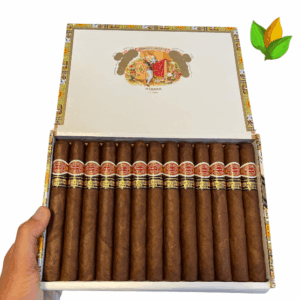
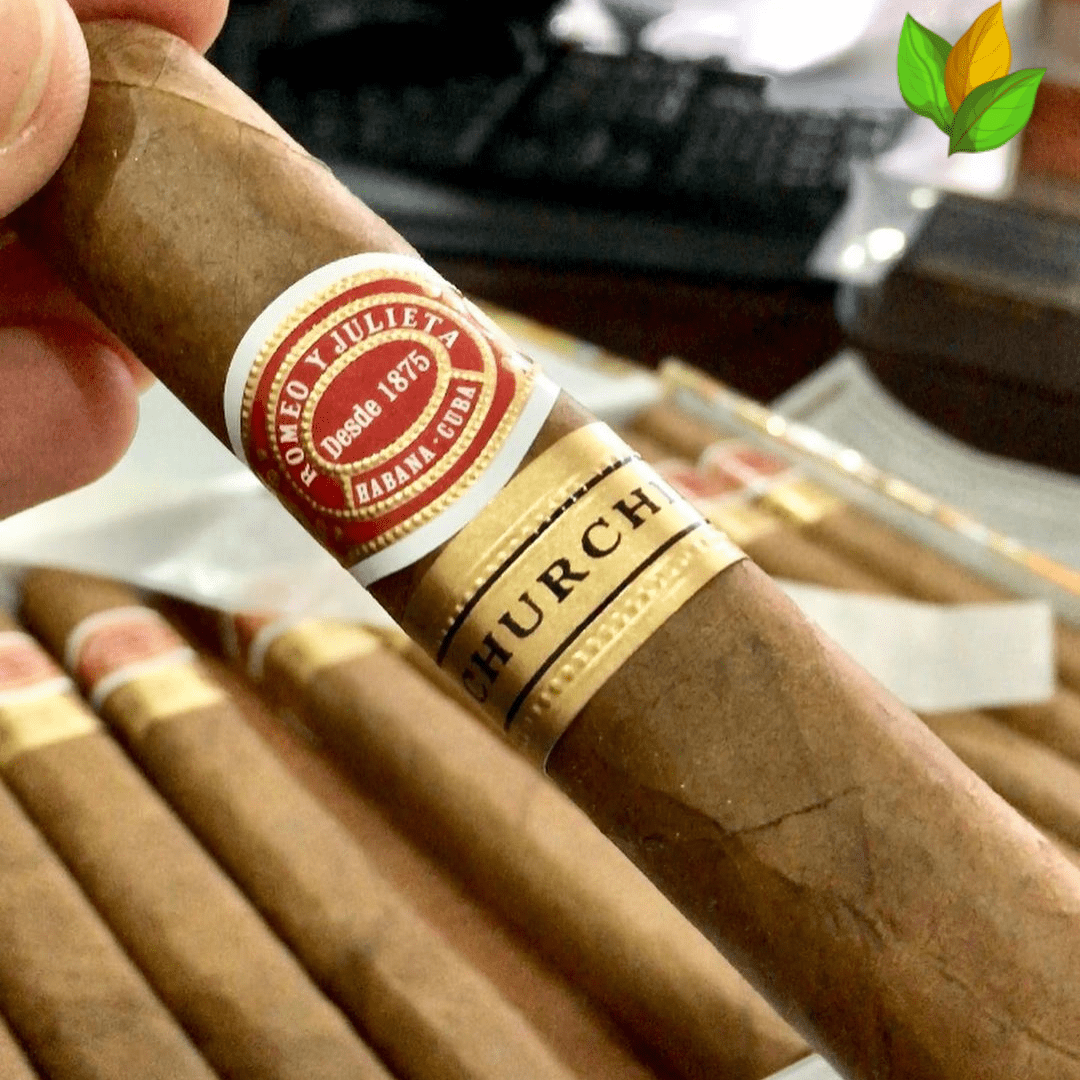
What sets this particular Churchill apart is the consistency. I’ve smoked these from boxes purchased in 2005, 2012, 2018, and just last year. The profile has remained remarkably stable. That Cuban terroir from the Vuelta Abajo region – widely considered the best tobacco-growing area on the planet – shines through every time. The wrapper leaves come from the finest vegas, and you can tell. That silky, oily sheen, the even coloration, those barely visible veins… this is what a premium Cuban wrapper should look like.
Who’s this cigar for? Real talk: if you’re just getting into Cubans, this is one of your best entry points. The mild to medium strength won’t overwhelm you, but there’s enough complexity to keep experienced smokers interested. It’s also perfect for those afternoon smokes when you want something substantial but not overpowering. I’ve recommended this to probably fifty people over the years, and I can only think of two who didn’t love it. Those are pretty good odds.
Technical Specifications
| Specification | Details |
|---|---|
| Vitola | Churchill (Julieta No. 2) |
| Length | 7 inches / 178 mm |
| Ring Gauge | 47 |
| Wrapper | Cuban (Vuelta Abajo) |
| Binder | Cuban |
| Filler | Cuban long-filler blend |
| Strength | Mild to Medium |
| Smoking Time | 60-90 minutes |
The Smoking Experience – Third by Third
Okay, so let me walk you through what happens when you actually light one of these up. And I’m going to be specific here because generic tasting notes drive me crazy.
The cold draw on a fresh Romeo y Julieta Churchill gives you this immediate cedar note – not harsh, not overpowering, just clean and woody. There’s a hint of sweetness underneath, almost like hay or dried grass. The draw resistance is usually spot-on, maybe a 7 out of 10. I’ve had maybe one or two that were too tight, but that’s over dozens of boxes. The construction is generally flawless.
Once you toast the foot and get into the first third, that cedar really opens up. It’s accompanied by this creamy, almost buttery smoke texture that coats your palate. This is where Romeo y Julieta shows its class – the smoke production is generous but refined. You’re not choking on dense clouds, but you’re getting plenty to work with. The first inch or so also brings in some subtle white pepper on the retrohale. Not spicy pepper, just a gentle tingle that adds dimension. There’s also this underlying sweetness – not sugary, more like natural tobacco sweetness with hints of cocoa. Very light cocoa, like milk chocolate, not dark.
Here’s what gets me about the first third: the balance. Everything is in proportion. The strength sits comfortably at mild-plus. You’re getting nicotine, but it’s not demanding your attention. Perfect for a morning smoke with coffee, which – between you and me – is exactly when I prefer these.
Moving into the second third, things get interesting. The cedar becomes more integrated, and these coffee notes start emerging. Not espresso – more like a smooth, creamy coffee with milk. The cocoa darkens slightly, maybe moving from milk chocolate toward a 60% cacao territory. The pepper picks up just a touch, still on the retrohale, adding this nice contrast to the creamy base. The burn line on a well-rested Romeo y Julieta Churchill is typically razor-sharp. The ash holds to about an inch and a half before dropping – it’s a light gray color, very firm.
And I know this sounds dramatic, but the transition into the second third is where you realize why this cigar has been in production for nearly 80 years. It’s not trying to reinvent anything. It’s just doing classic Cuban flavors exceptionally well. There’s also this subtle nuttiness that appears – almonds, maybe? It weaves in and out.
The final third is where the strength builds to a solid medium. The flavors concentrate – that’s just physics with a Churchill format, you’re getting closer to the densest part of the bunch. The coffee notes become more pronounced, almost toasty. The cedar is still there but takes a back seat. Some earthiness appears, that classic Cuban tobacco earthiness that’s hard to describe if you haven’t experienced it. It’s like rich soil after rain? I don’t know, that sounds pretentious, but it’s the best I’ve got.
What doesn’t happen in the final third: it doesn’t get harsh, it doesn’t get bitter, it doesn’t turn on you. As long as you’re not puffing like a freight train – and with an hour-plus smoke, why would you? – the Romeo y Julieta Churchill stays smooth right down to the nub. The aroma that last inch produces is phenomenal. Thick, rich, slightly sweet. Everyone in the lounge will know you’re smoking something good.
The retrohale in that final stretch brings more pepper and some subtle spice – maybe cinnamon? It’s fleeting, but it’s there. And that creamy texture that started in the first third? It never leaves. That’s the hallmark of quality Cuban tobacco – that natural creaminess that you just don’t get from other origins.
How It Stacks Up Against Similar Cigars
| Cigar | Strength | Smoking Time | Best For |
|---|---|---|---|
| Romeo y Julieta Churchill | Mild-Medium | 60-90 minutes | Anytime smoke, beginners to veterans, aging potential |
| Hoyo de Monterrey Epicure No. 2 | Mild-Medium | 45-60 minutes | Shorter sessions, similar flavor profile, less complexity |
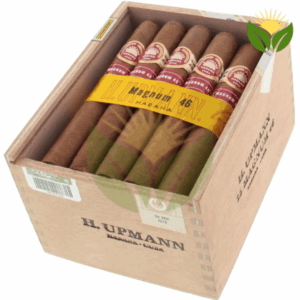
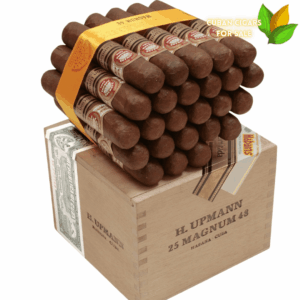
| H. Upmann Magnum 46 | Medium | 50-70 minutes | Those wanting similar refinement with slightly more strength |
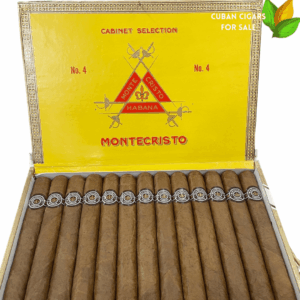
| Montecristo No. 2 | Medium-Full | 60-75 minutes | Experienced smokers, different format (torpedo), more intensity |
I’ll be honest with you – the Romeo y Julieta Churchill occupies this perfect middle ground in the Cuban lineup. It’s more complex than your typical Hoyo de Monterrey, but it’s more approachable than a Montecristo No. 2. If the Partagás Serie D No. 4 is the heavy hitter of Cuban robustos, the Romeo y Julieta Churchill is the sophisticated older brother who doesn’t need to prove anything.
Perfect Pairings and Occasions
Okay, so when should you smoke this thing, and what should you drink with it?
Morning to early afternoon? Coffee. Specifically, a good medium roast, not too acidic. The creamy profile of the Romeo y Julieta Churchill pairs beautifully with a cappuccino or a flat white. The milk tempers any lingering pepper, and the coffee echoes those notes in the second third. I’ve done this combo probably a hundred times. No joke.
Afternoon sessions call for something different. Here’s my controversial take: try it with a good quality rum. Not spiced rum – that’s too much. A clean, aged Cuban or Dominican rum, neat or with one ice cube. The Diplomático Reserva Exclusiva works wonderfully, or if you can find it, any aged Havana Club. The sweetness and the subtle oakiness from the rum amplify the cocoa and cedar notes.
Evening smoke? This is where it gets fun. A nice single malt scotch – something from Speyside, not too peaty. The Glenlivet 12 or Glenfiddich 15 are both excellent choices. The honeyed, fruity notes in those scotches create this interesting contrast with the tobacco that somehow just works. But here’s the thing – don’t go too heavy on the peat. An Islay scotch will overwhelm the mild-medium profile. Save the Laphroaig for your Partagás.
Cognac works too. A VS or VSOP Cognac – Hennessy, Rémy Martin, Courvoisier – all solid choices. The grape sweetness and those baking spices you get in cognac complement the natural tobacco sweetness without competing.
As for occasions? This is your golf course cigar, your fishing trip cigar, your “sitting on the porch watching the sunset” cigar. It’s contemplative but not demanding. You can have a conversation while smoking it – the strength won’t knock you sideways. It’s also fantastic for special occasions that aren’t black-tie formal. Bachelor parties, yes. Wedding ceremonies, probably not (save that for later). Celebrating a promotion? Absolutely. Business meetings at a cigar-friendly establishment? Perfect choice – professional, refined, not trying too hard.
Aging Potential – Worth the Wait?
Look, I’m going to say something that might be controversial: the Romeo y Julieta Churchill is actually better with age, but not as dramatically better as some other Cuban cigars.
Fresh from the box – and by fresh I mean boxes with a current date code – these are already smooth and enjoyable. The profile is there, just a bit more pronounced on the cedar and pepper. They’re perfectly smokable. But if you’ve got patience? Wait. I’m talking minimum two years, ideally five.
I’ve got a box from 2016 in my humidor right now. Wait, no – might be 2015. Doesn’t matter. Point is, those cigars have mellowed beautifully. The cedar has integrated completely. These caramel notes have developed that weren’t there when fresh. The cream factor has intensified. It’s like the rough edges have been completely sanded down, and you’re left with this polished, refined smoke.
The sweet spot for aging Romeo y Julieta Churchills, in my experience, is 5-7 years. Beyond that, they continue to mellow, but the development plateaus. I smoked one from 2006 last year (so 17 years old), and honestly? It was incredible, but I’m not sure it was dramatically better than the 8-year-old ones. Just different. More subdued, more contemplative.
Storage matters. Keep them at 65% humidity, 65-68 degrees Fahrenheit. Too humid and they won’t age properly – they’ll just get musty. Too dry and they’ll lose that essential oiliness. And for the love of all that’s holy, don’t mix them with flavored cigars or anything infused. Cuban tobacco is absorbent, and you’ll ruin them.
Why This Churchill Deserves a Spot in Your Rotation
Here’s what I tell people: every serious cigar collection needs anchors. You need those reliable cigars that you know will deliver every single time. The Romeo y Julieta Churchill is one of those anchors.
It’s not the most exciting cigar in production. It won’t blow your mind with avant-garde flavor combinations or make you rethink everything you know about tobacco. But that’s not the point. This is a cigar that has survived decades of changing tastes, economic upheavals in Cuba, and endless competition from new marcas and limited editions because it does one thing exceptionally well: it delivers a classic, refined Cuban smoking experience.
The consistency across boxes is remarkable. Yeah, you’ll get the occasional dud – that’s Cuban cigars for you – but the hit rate is high. The construction quality has remained solid even as Habanos S.A. has struggled with quality control on other lines. And the flavor profile is accessible enough for newcomers while complex enough to keep veterans interested.
For those building a collection, here’s my advice: buy a box. Smoke one or two fresh to understand the profile. Then put the rest away for a couple years minimum. Buy another box and do the same thing. Cycle through them. Always have some aging and some ready to smoke. It’s a long game, but Cuban cigars are meant to be a long game anyway.
Common Questions About Romeo y Julieta Churchills
What strength level is the Romeo y Julieta Churchill?
The Romeo y Julieta Churchill sits firmly in the mild to medium strength category, gradually building to medium by the final third. It starts gentle – probably a 3 out of 10 in terms of strength – and finishes around a 5 or 6 out of 10. This makes it incredibly versatile for different times of day and suitable for smokers of various experience levels. The nicotine delivery is present but never overwhelming, which is why I often recommend it for morning or early afternoon sessions when you don’t want something that’ll knock you sideways.
How long does it take to smoke a Romeo y Julieta Churchill?
Expect to dedicate 60 to 90 minutes for a proper Romeo y Julieta Churchill session. The exact timing depends on your smoking pace and how often you puff. I tend to land around 75 minutes with my typical cadence – one puff every 45 seconds to a minute. If you’re smoking faster than that, you’re probably smoking too fast. This isn’t a cigar to rush. The length and ring gauge combination really benefits from a slow, contemplative pace. Honestly, if you don’t have at least an hour to dedicate, reach for a smaller vitola instead.
What are the dominant flavor notes in this cigar?
The flavor profile centers around cedar, cream, and subtle coffee notes, with supporting roles from cocoa, white pepper, and almond. The cedar is most prominent in the first third – clean and woody without being harsh. As you progress, creamy notes dominate, creating this buttery smoke texture that’s a hallmark of quality Romeo y Julieta cigars. The second third introduces coffee – think café con leche, not espresso – and light cocoa. The final third deepens these flavors while adding some earthiness and gentle spice. What you won’t find: aggressive pepper, overwhelming strength, or those funky barnyard notes that some Cuban marcas are known for. This is refined, classic Cuban tobacco at its best.
Should I age Romeo y Julieta Churchills before smoking them?
While they’re perfectly enjoyable fresh, Romeo y Julieta Churchills absolutely benefit from aging. I’d recommend a minimum of two years if you can exercise the patience, with the sweet spot being around 5-7 years. During aging, the cedar integrates more completely, caramel notes develop, and the overall profile becomes more refined and cohesive. Fresh boxes tend to show more pronounced cedar and slightly sharper pepper notes. Aged boxes smooth out considerably and develop this wonderful complexity. That said – and I can’t stress this enough – if you buy a box and want to smoke one immediately, go ahead. You’re not ruining anything. Just know it’ll be even better if you wait.
How does the Romeo y Julieta Churchill compare to other Cuban Churchills?
The Romeo y Julieta Churchill is definitely on the milder, more refined end of the Cuban Churchill spectrum. Compared to something like a Partagás Lusitania, it’s significantly lighter and more approachable. Against an H. Upmann Sir Winston, it’s similar in elegance but slightly less complex. The Hoyo de Monterrey Churchill by comparison is even lighter still. What sets the Romeo y Julieta apart is the consistency and that signature creamy texture. Some Cuban Churchills can be hit-or-miss depending on the year and factory – the Romeo y Julieta has remained remarkably stable over the decades I’ve been smoking them.
What’s the best humidity level for storing Romeo y Julieta Churchills?
I keep mine at 65% relative humidity, and I’d recommend you do the same. Cuban cigars in general – and Romeo y Julieta specifically – perform best at slightly lower humidity than what many newer collectors maintain. The 65% sweet spot preserves that essential oiliness in the wrapper without making the cigars too moist or prone to burn issues. Temperature should be steady around 65-68°F. Too humid – say 70% or higher – and you risk construction issues, mold, and beetles. Too dry, and the cigars lose their complexity and can become harsh. Also, don’t fluctuate the humidity dramatically. Cubans need stability to age properly.
Is the Romeo y Julieta Churchill good for beginners?
Absolutely yes, with one caveat – the length. The mild to medium strength and approachable flavor profile make this an excellent introduction to Cuban cigars. The quality is consistent, so newcomers aren’t dealing with the construction roulette that sometimes plagues other marcas. The flavors are classic Cuban without being challenging or weird. However, that 60-90 minute smoking time can be daunting for true beginners who aren’t used to dedicating that much time to a single cigar. If you’re completely new to cigars, you might want to start with a Romeo y Julieta Short Churchill or even a Petit Corona to get a feel for the brand’s profile, then graduate to the full Churchill. But if you’ve got the time and patience? Jump right in. This is one of the best learning cigars out there.
Final Thoughts on a True Classic
Look, at the end of the day, the Romeo y Julieta Churchill isn’t going to change your life. It’s not a limited edition that’ll have your cigar buddies jealous. It’s not the rarest smoke in your humidor or the one you’ll brag about on social media.
But it is the cigar you’ll reach for on a Saturday morning with your coffee. It’s the one you’ll smoke while fishing, or reading on the porch, or having a meaningful conversation with an old friend. It’s reliable, refined, and consistently excellent – qualities that matter more than hype.
After almost 80 years in production, this cigar has earned its place in the pantheon of classic Cubans. The mild to medium strength, the gorgeous Vuelta Abajo wrapper, that creamy smoke texture, those cedar and coffee notes – it all comes together in a package that reminds you why people fell in love with Cuban cigars in the first place.
Whether you’re building your first humidor or your tenth, make room for a box. Smoke a few fresh to understand the baseline, then show some patience and let the rest age. Trust me on this one – future you will thank present you when you’re smoking a five-year-old Romeo y Julieta Churchill on some lazy Sunday afternoon.
This is the cigar that made the Churchill format famous, and it’s still showing everyone else how it’s done. Add it to your collection, give it the respect it deserves, and enjoy one of Cuba’s finest exports. You won’t regret it.