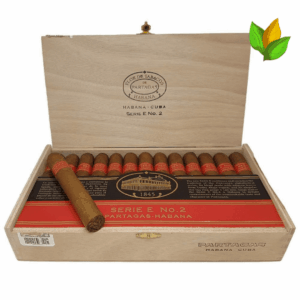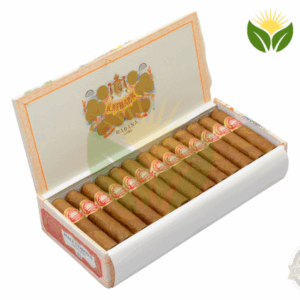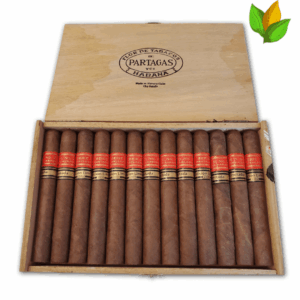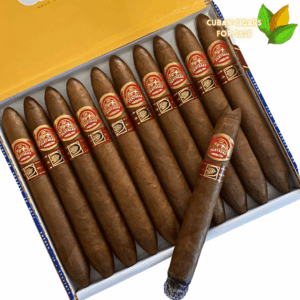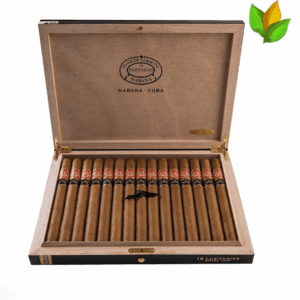

Description
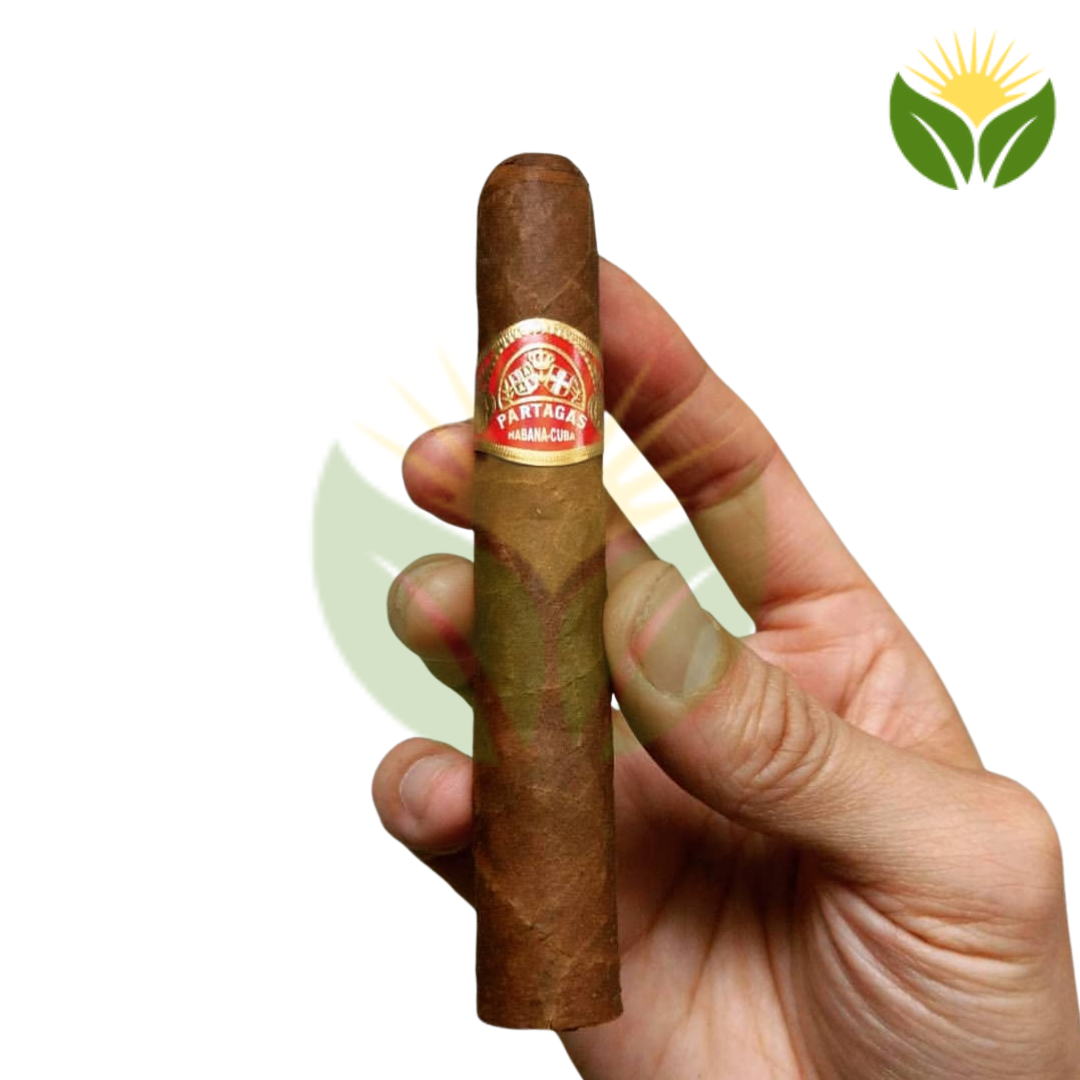
The afternoon sun was streaming through the humidor’s glass door when I spotted that familiar red and gold band tucked between some larger vitolas. My fingers closed around something surprisingly solid for its modest size – roughly 4⅜ inches of Cuban tobacco that felt more substantial than its dimensions suggested. The wrapper caught the light with an oily sheen, and I knew this small package was going to deliver something special.
There’s something almost deceptive about these compact cigars from the legendary Partagás serie. Don’t let the diminutive size fool you – they’ve earned their reputation by packing full-bodied intensity into every inch. When I first encountered this particular vitola at SwissCubanCigars, I honestly wasn’t expecting much from such a small format. Boy, was I wrong.
Specifications
| Specification | Details |
|---|---|
| Length | 110mm (4⅜ inches) |
| Ring Gauge | 42 |
| Vitola | Minuto (Très Petit Corona) |
| Strength | Full-bodied |
| Smoking Time | 30-45 minutes |
| Wrapper | Cuban Colorado Maduro |
| Weight | 7.46g |
Flavor Journey Through Each Third
Opening Third: Bold and Bracing
The moment you light up, prepare yourself for an assault of black pepper that’ll wake up every taste bud. I’m talking about serious spice here – not the gentle warming kind, but the type that commands attention. There’s this distinctive green bell pepper tang that cuts through the boldness, creating an almost vegetable-like complexity that’s surprisingly pleasant.
The wood notes come through strong right from the start. Spicy cedar dominates, but it’s backed by this robust, almost furniture-grade timber flavor. Some sessions, I’ve picked up hints of nuts and honey coffee weaving through the intensity, though the pepper and cedar are definitely the stars of this opening act.
Middle Third: Finding Balance
Here’s where things get interesting. That initial punch starts to settle into something more refined and approachable. The body shifts to what I’d call medium, though you can still feel the full strength lurking underneath. Sweet flavors begin to emerge – chocolate notes that weren’t there before, vanilla undertones, and a nuttiness that becomes more pronounced.
The cedar remains the dominant player, but now it’s supported rather than overwhelming. This middle section is where you really appreciate the blender’s skill. They’ve managed to create a genuine progression that keeps you engaged despite the short format.
Final Third: Full Power Returns
Don’t get too comfortable with that mellowed middle section, because the final third brings back the full-bodied intensity with interest. The pepper returns in force, now accompanied by dark chocolate that has an almost bitter tang to it. There’s an earthiness here that’s robust and satisfying – the kind of finish that reminds you why Cuban tobacco has its reputation.
The smoke becomes more concentrated as you approach the band, delivering wave after wave of complex flavors. It’s a powerful finale that perfectly caps off the journey.
Construction and Appearance
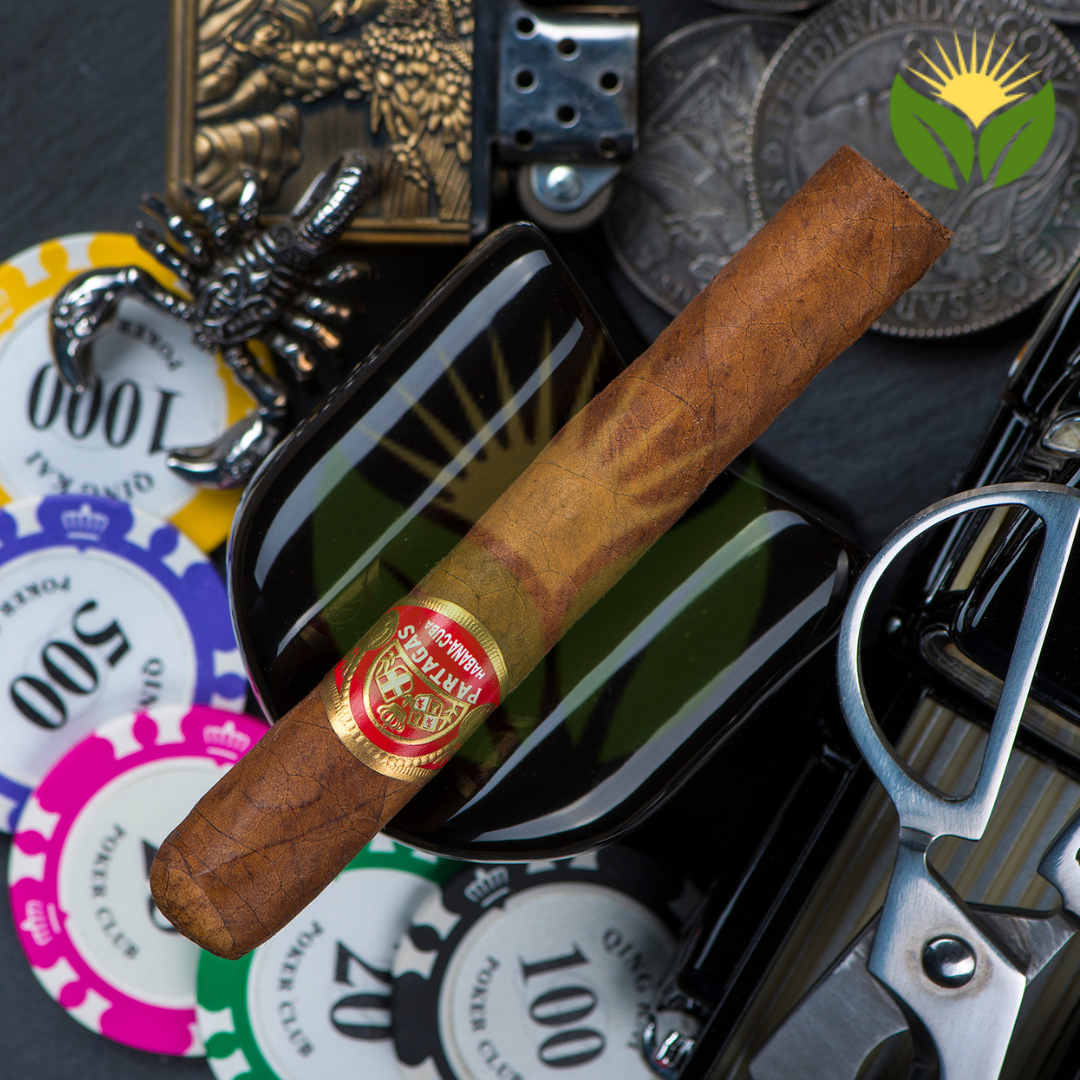
The wrapper on these is something to behold – a light brown Colorado maduro that’s genuinely oily to the touch. I’ve noticed the leaf has minimal veining, which speaks to the quality of tobacco selection. The construction is rock solid, as you’d expect from Cuban rollers who’ve been perfecting their craft for generations.
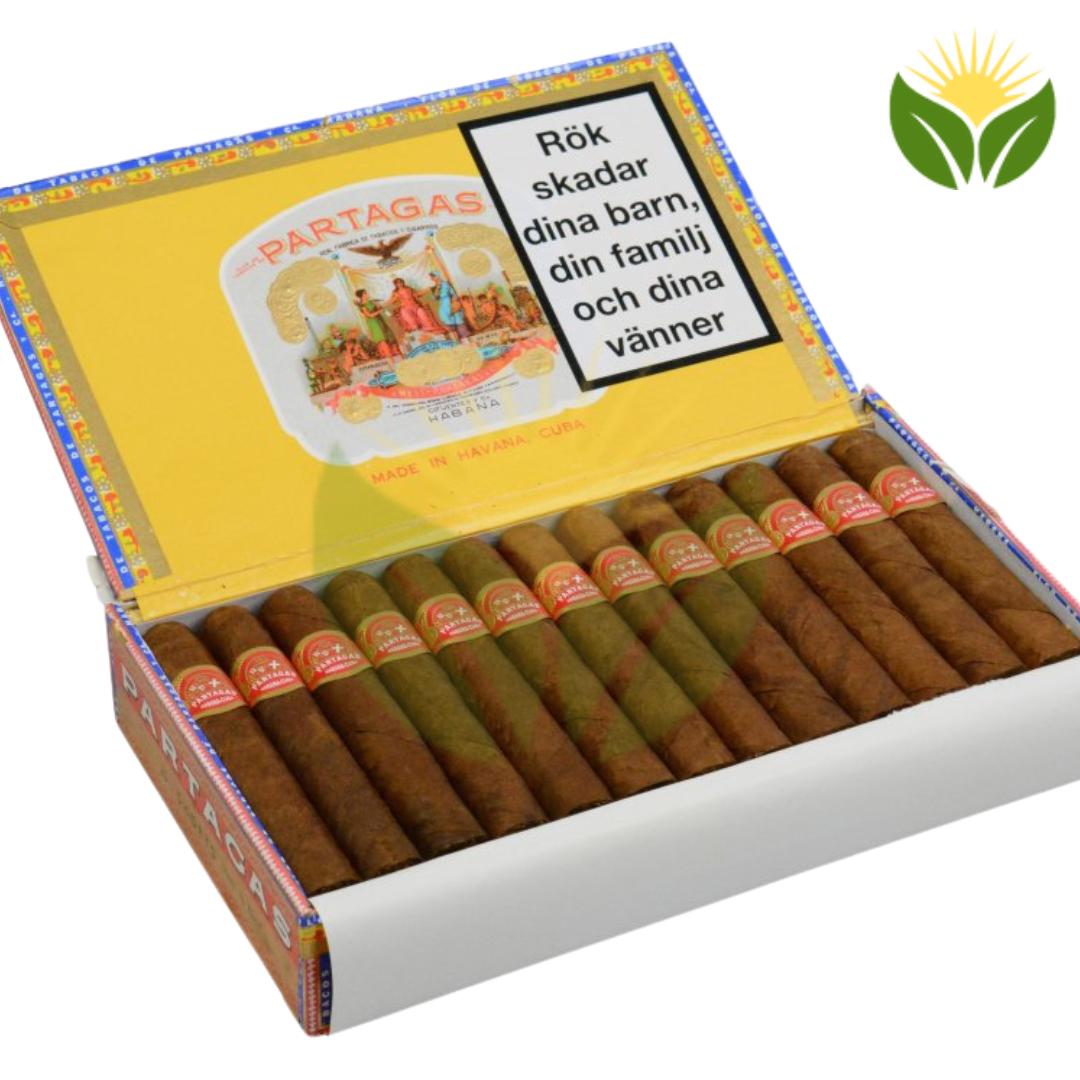
Each cigar weighs in at 7.46 grams, which might not sound like much, but the density is remarkable. These have been hand-rolled in Cuba using tobaccos from the legendary Vuelta Abajo region, and you can feel the quality in every aspect of the construction.
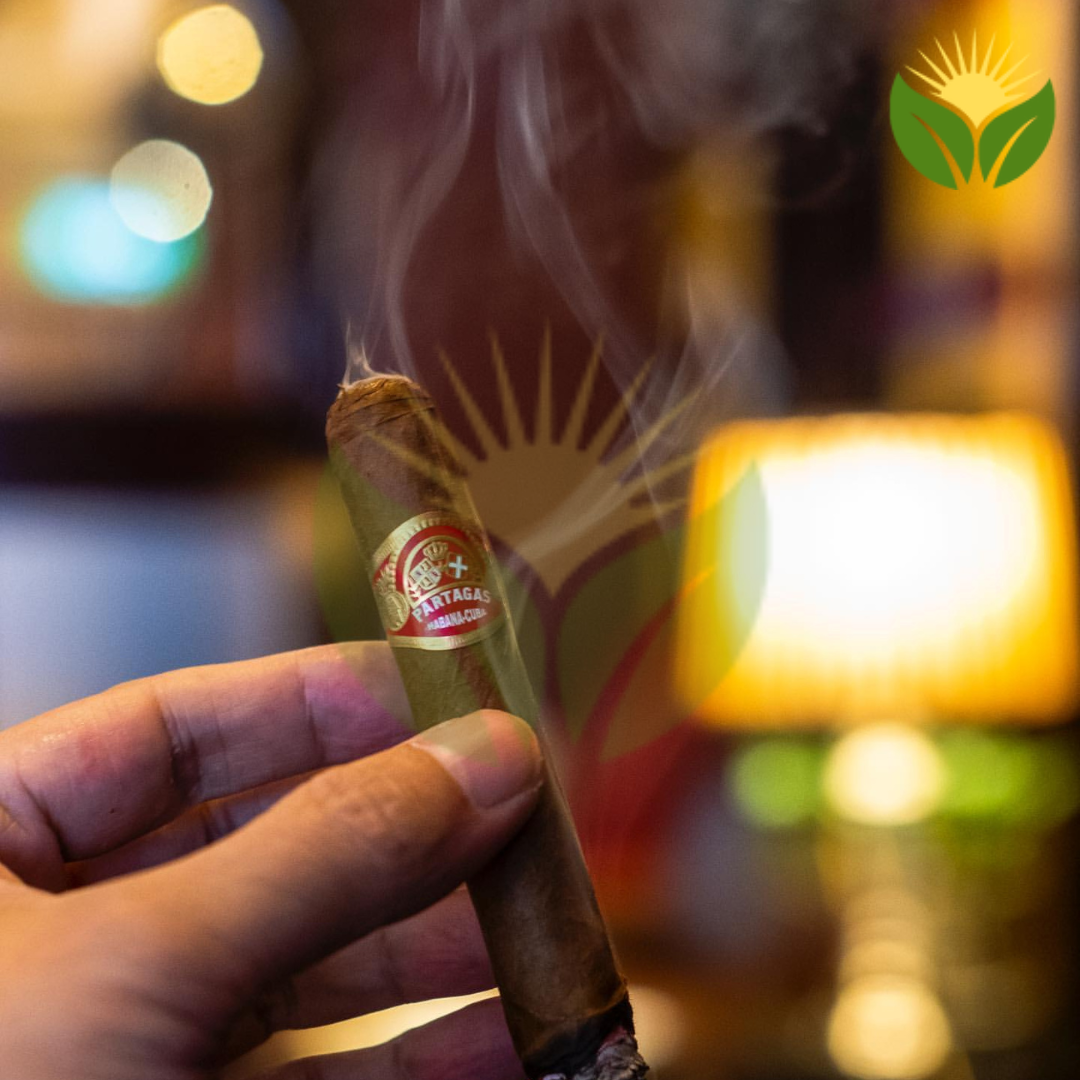
The bands are standard Partagás – you’ll see both A and B variations depending on the batch. The burn has been consistently even in my experience, which is crucial for such a short smoke. You don’t have time for touch-ups when you’re dealing with 30-40 minutes of smoking time.
Who Should Smoke This Cigar
This isn’t a beginner’s cigar, let me be clear about that. The full-bodied strength and complex pepper-forward profile demand some experience to fully appreciate. I’d recommend these to intermediate to advanced smokers who want maximum flavor impact in minimum time.
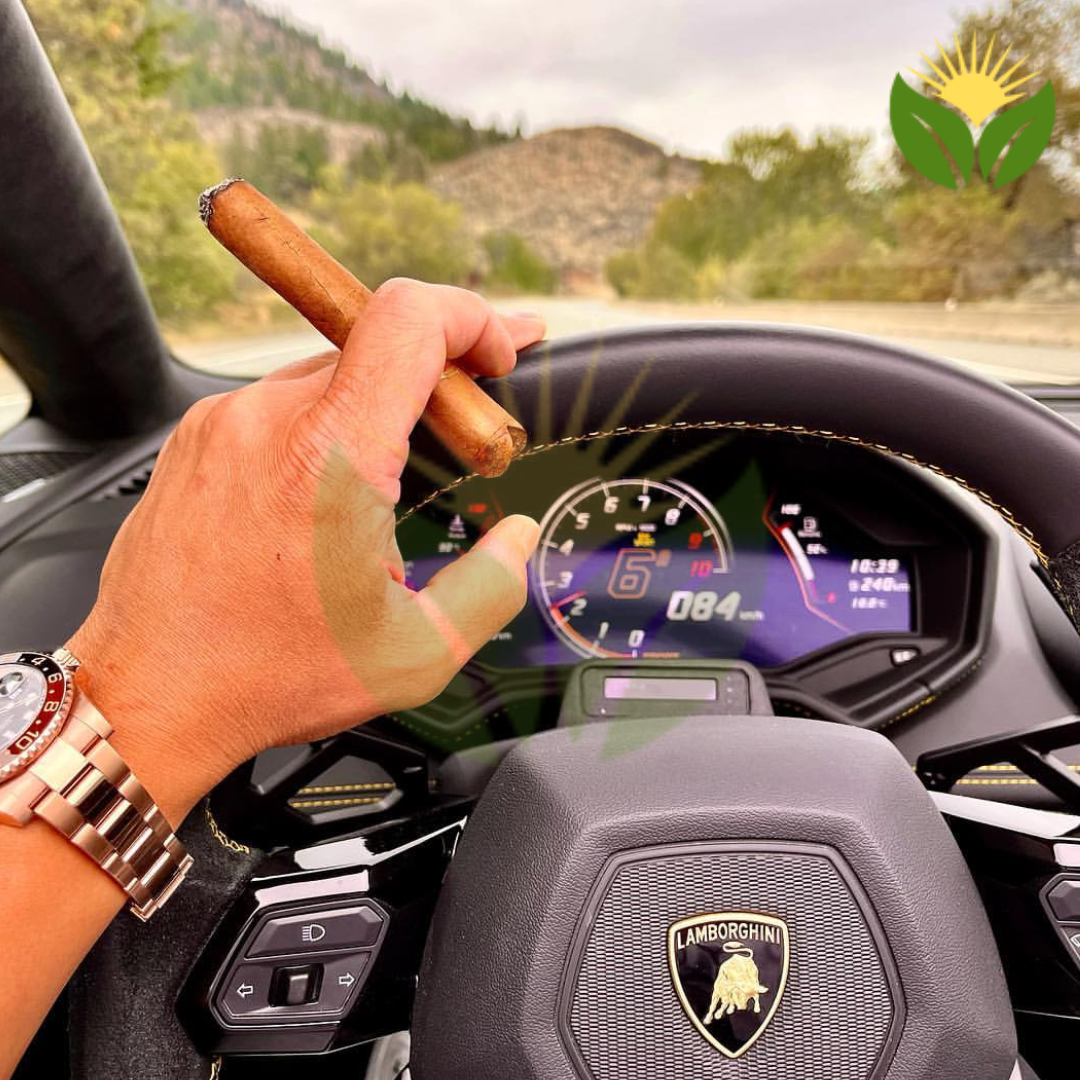
They’re perfect for those lunch break sessions when you need something satisfying but don’t have an hour to spare. Car smokes, quick evening sessions, or any time you want the full Cuban experience without the time commitment. The intensity means you won’t feel shortchanged despite the compact format.
If you’re someone who typically gravitates toward larger ring gauges and longer formats, these might surprise you. The concentration of flavor in this small package delivers what larger cigars sometimes struggle to achieve.
Proper Storage and Aging
Like all Cuban cigars, proper storage is crucial for getting the best from these. I keep mine in my humidor at 65-68% humidity and around 67°F. The proven storage techniques that work for other Cubans apply here too.
Here’s something important I’ve learned: these benefit significantly from aging. Fresh from the box, they can be quite aggressive. Give them 2-3 years of proper humidor time, and the flavors integrate beautifully. The pepper mellows slightly while the underlying complexity becomes more pronounced.
For detailed humidor setup, I always recommend following the expert guidelines on humidor management. These smaller vitolas are actually more sensitive to humidity fluctuations than larger formats, so consistency is key.
Perfect Pairings
The full-bodied profile of these cigars opens up some excellent pairing opportunities. My go-to is a creamy cappuccino – the milk-based coffee helps offset some of the rustic intensity of the opening third while complementing the chocolate notes that emerge later.
For spirits, I’ve had excellent results with aged rums. A good Guatemalan or Cuban rum (where available) provides enough sweetness to balance the pepper without overwhelming the tobacco flavors. Single malt Scotch works too, particularly something with a bit of peat to match the earthy intensity.
Wine pairings can be tricky with such a powerful smoke, but I’ve enjoyed these with bold Cabernet Sauvignon or even a rich Port. The key is matching the intensity level – delicate wines get completely overwhelmed.
Authenticity and Avoiding Counterfeits
Given the popularity of this vitola, fakes are unfortunately common in the market. Here’s what to look for when verifying authenticity:
The construction should be flawless – even burn, proper draw, minimal veins in the wrapper. Counterfeits often have draw problems, particularly in the first third where the roll might be too tight or too loose. The weight should feel substantial for the size – that 7.46-gram specification isn’t arbitrary.
Check the band carefully. Authentic bands have crisp printing and proper color registration. The box codes and factory markings should match Habanos standards. Always buy from reputable dealers with proper stock management and good customer reviews.
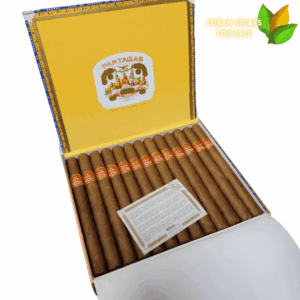
Since 2004, these have been consistently produced, so avoid any that claim to be from earlier years. The packaging should be either dress boxes of 25 or slide-lid boxes of 50 – anything else is suspect.
Cutting and Lighting Technique
With such a short length, your cutting technique becomes critical. I prefer a straight cut about 2mm from the cap – any more and you risk unraveling, any less and the draw suffers. The 42 ring gauge gives you just enough surface area for a clean cut.
For lighting, take your time with the toast. The concentrated tobacco responds well to a thorough, even char across the foot. I use a butane torch for precision, making sure to get complete coverage before taking the first draw.
The proper smoking techniques that apply to all Cubans are especially important here. The short format means every puff counts – rushed smoking will overheat the tobacco and ruin the experience.
Frequently Asked Questions
How long does a Partagás Shorts actually take to smoke?
In my experience, plan for 35-40 minutes of smoking time. This can vary based on your smoking pace and how much you let it rest between puffs. It’s the perfect length for a lunch break or short evening session without feeling rushed.
Are these suitable for new cigar smokers?
Honestly, I’d recommend starting with something milder. The full-bodied strength and pepper-forward profile can be overwhelming for beginners. If you’re new to cigars, consider working up to this level with some medium-bodied options first.
What’s the difference between tubos and regular box presentation?
Tubos offer individual aluminum tube protection, which is great for travel and maintaining humidity. However, many aficionados prefer the traditional box presentation for aging purposes. The tubes can sometimes affect the aging process, though opinions vary on whether this is positive or negative.
How do these compare to other Partagás vitolas?
These pack more intensity per inch than most of the Partagás serie. While a Series D No. 4 might give you more complexity over a longer timeframe, the Shorts deliver concentrated power that’s unique in the lineup. They’re definitely among the strongest short-format cigars in the Cuban portfolio.
What should I expect to pay for authentic Partagás Shorts?
Pricing varies significantly by market and availability, but expect to pay premium prices for authentic Cuban cigars. Always verify you’re dealing with authorized dealers who can provide proper documentation and have good stock rotation. The investment is worth it when you’re getting the real thing from a trusted source that understands the importance of proper handling and storage.