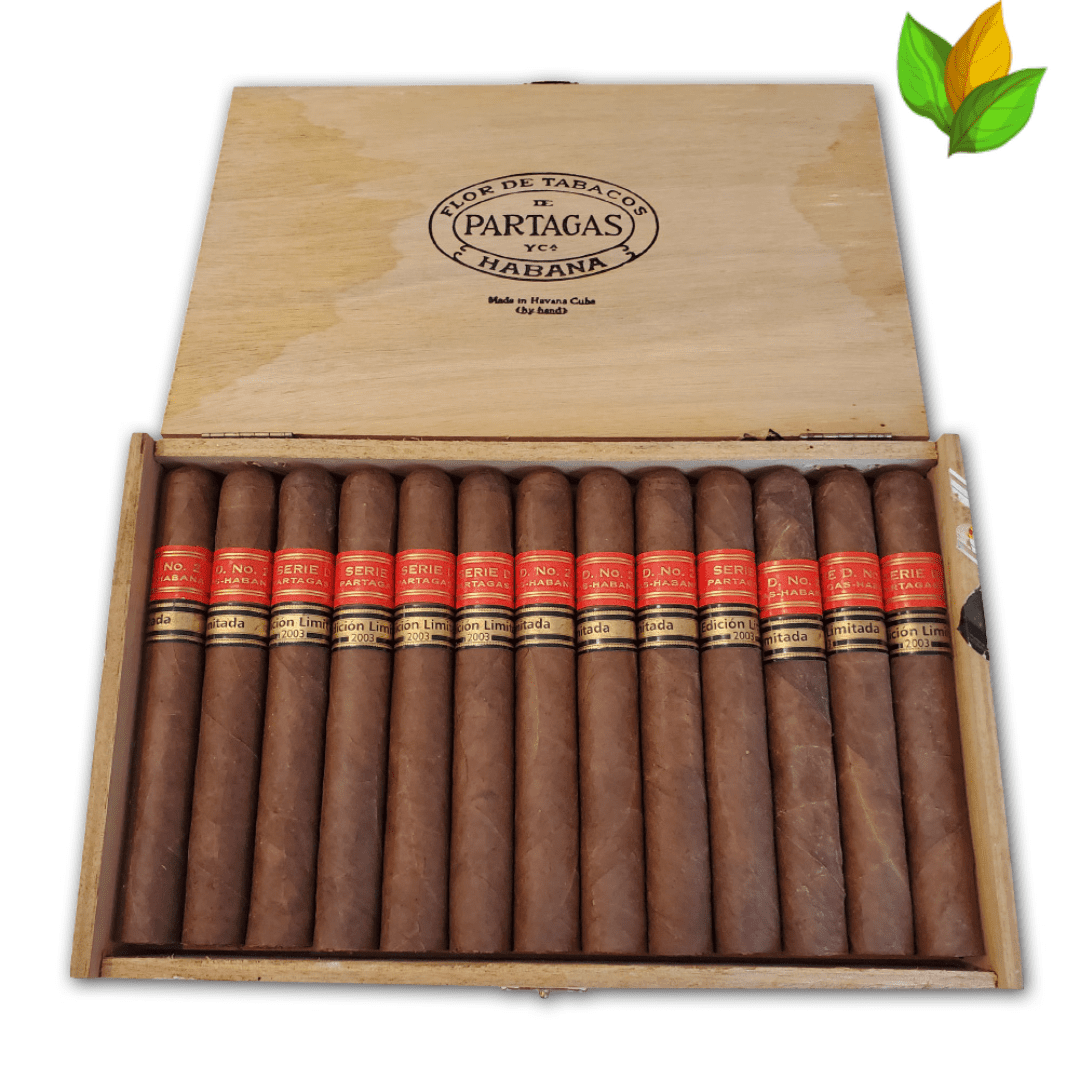
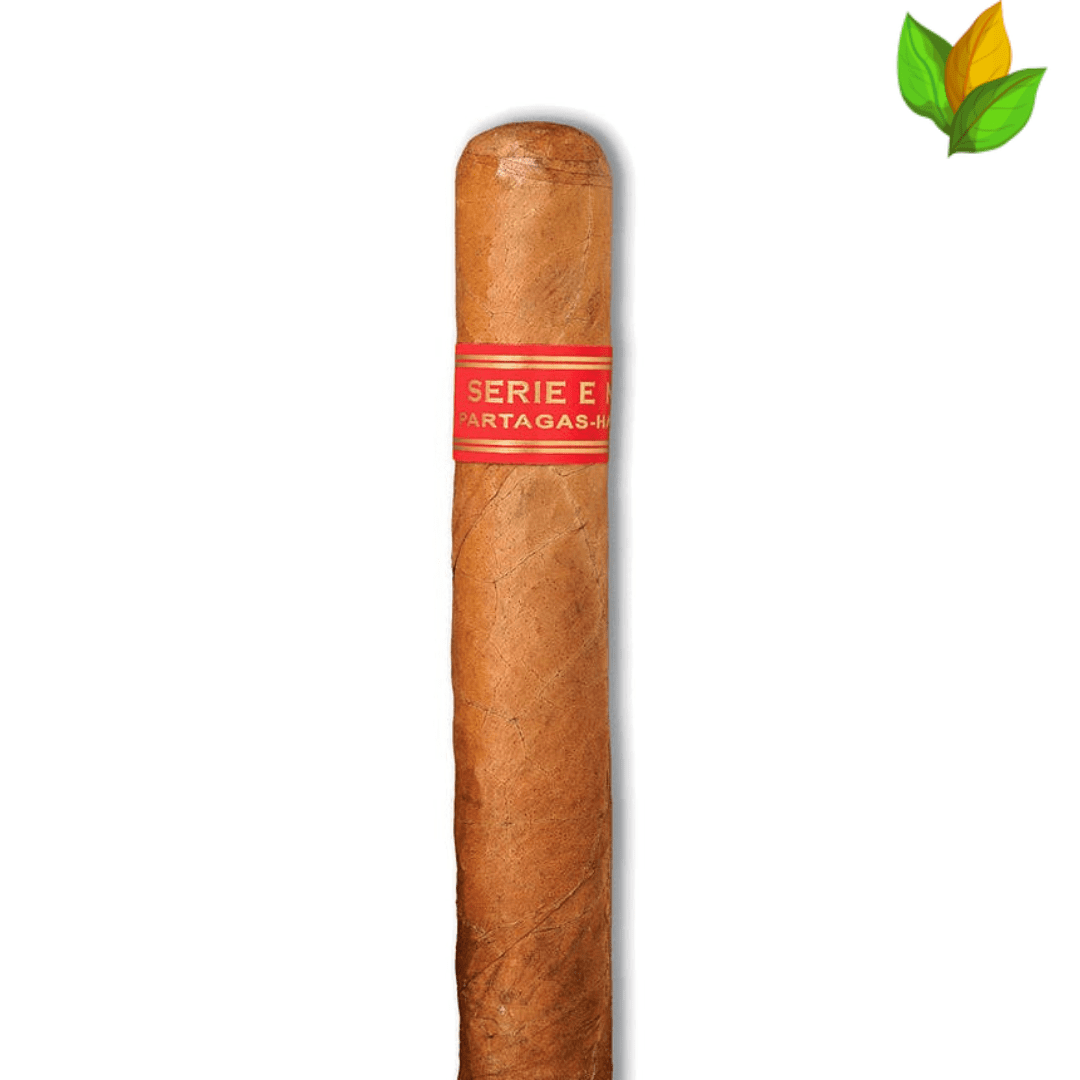
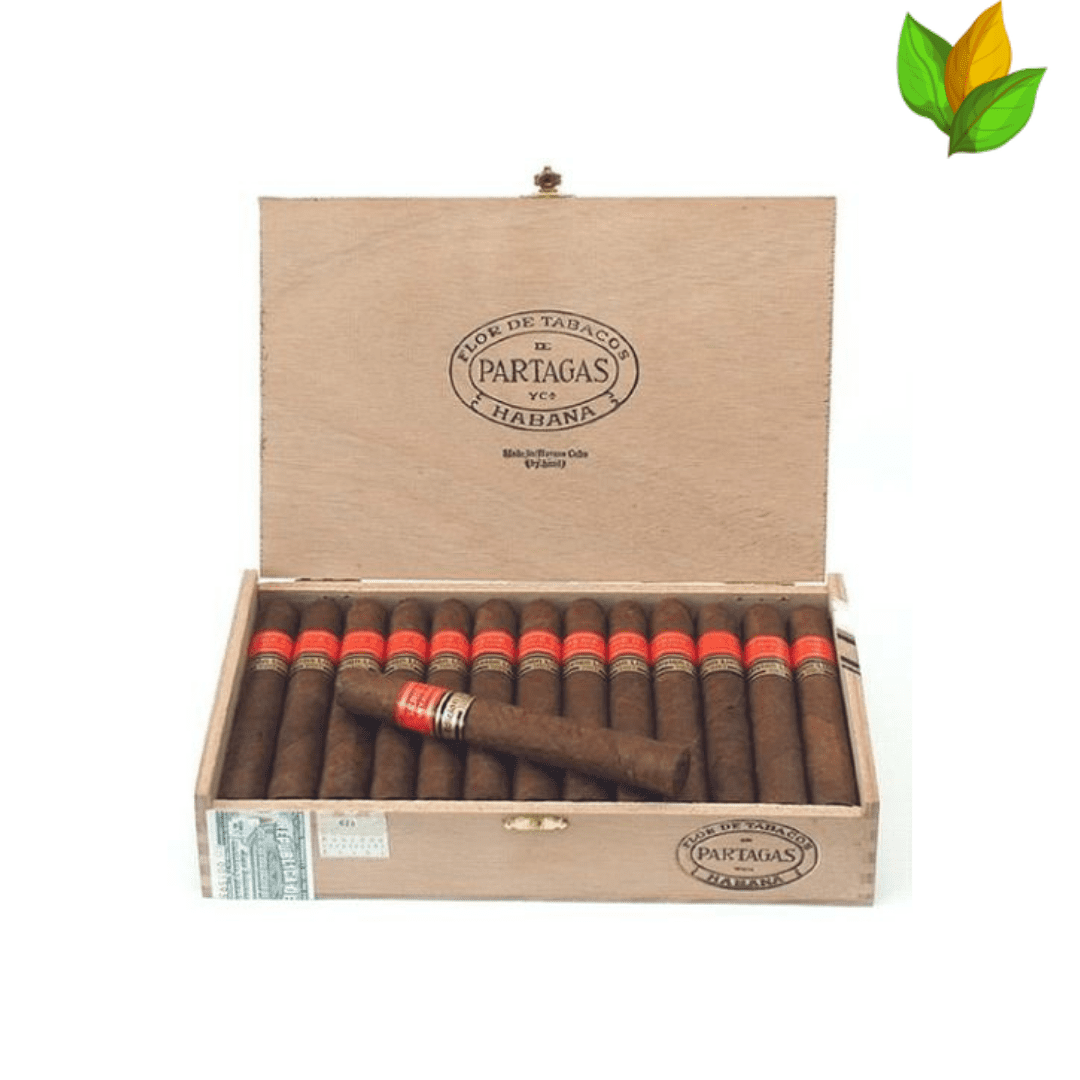

Description
Why the Serie D No 2 Changed My Mind About Partagás
I’ll admit something: I used to dismiss Partagás as “too much cigar” for me. Too bold, too in-your-face. Then a buddy from my cigar club – Carlos, who’s been smoking Cubans since before the Special Period – slid a Serie D No 2 across the table at a poker game in 2008 and said, “Just try it.” That single cigar completely rewrote my understanding of what Cuban tobacco could do. This isn’t just another robusto. It’s the robusto that made every other Cuban brand realize they needed to step up their game. If you’ve been curious about what the fuss is over Partagás, or if you think you’ve got this marca figured out already, this is the stick that’ll either convert you or remind you why you fell in love with Cuban cigars in the first place.
What Makes This Cigar a Legend
The Partagás brand goes back to 1845 – yeah, that’s pre-Castro by about a century – when Don Jaime Partagás established what would become one of the most respected names in Cuban tobacco. The factory on Calle Industria in Havana became legendary for producing some of the boldest, most full-flavored cigars coming out of Cuba. And in that lineup of powerhouse smokes, the Serie D No 2 stands out as something special.
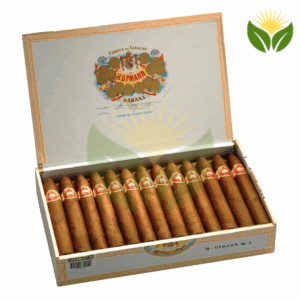
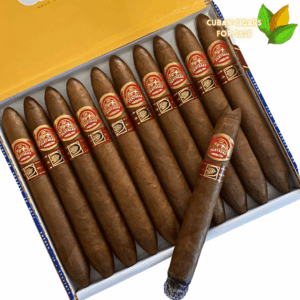
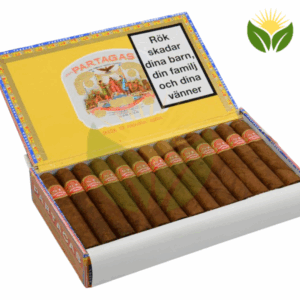
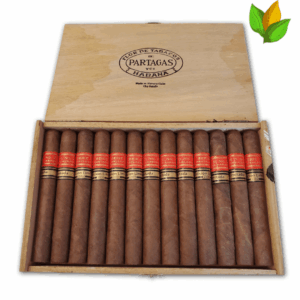
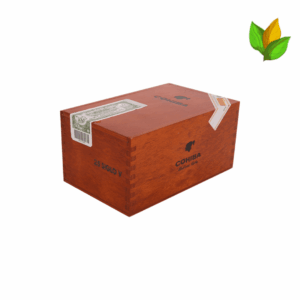
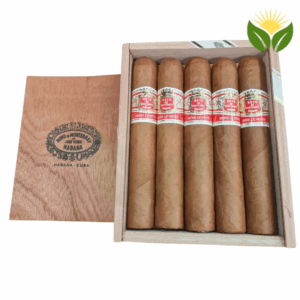
This is a robusto formato – 4.9 inches with a 50 ring gauge – that’s become the benchmark against which every other Cuban robusto gets measured. I’m talking rated consistently in the 90s by serious aficionados and critics. The construction is what you’d expect from handmade Cuban cigars coming from one of the island’s top factories. That dress box presentation with the distinctive red and white Partagás band signals you’re about to experience something that’s earned its reputation over decades, not through marketing hype.
Who’s this for? Real talk: if you’re still exploring mild Connecticut-wrapped cigars, maybe work your way up to this. But if you’ve got some experience with medium to full-bodied smokes and you want to understand why Cuban tobacco from the Vuelta Abajo region commands respect, this is your classroom. It’s not a beginner’s cigar, but it’s also not trying to pummel you into submission like some Nicaraguan ligero bombs. There’s a sophistication here – layers of flavor that reveal themselves if you pay attention.
| Specification | Details |
|---|---|
| Vitola | Robusto (Serie D No 2) |
| Length | 4.9 inches / 124mm |
| Ring Gauge | 50 |
| Wrapper | Cuban (Vuelta Abajo) |
| Binder | Cuban |
| Filler | Cuban Blend |
| Strength | Medium to Full |
| Smoking Time | 60-75 minutes |
The Smoking Experience – What Actually Happens When You Light This Thing
The cold draw gives you a preview – there’s this earthy, almost barnyard character mixed with cocoa. Not subtle. The first thing you notice when examining one is the construction quality. That wrapper from the Vuelta Abajo region has this slightly oily sheen, maybe a few small veins, but nothing concerning. The band comes off cleanly if you’re patient – don’t rush it.
First third hits differently depending on your palate experience. For me, there’s immediate earth and leather, but not in that generic “all cigars have leather notes” way that reviewers fall back on. I’m talking about that specific smell of a well-worn leather chair in a library. There’s also this distinct cocoa bitterness – think dark chocolate, maybe 80% cacao. Some pepper on the retrohale, but it’s not aggressive. The burn line stays pretty even if you don’t puff like a chimney. The ash holds solid for about an inch before you need to tap it.
Second third is where this cigar earns its reputation. The flavors intensify but they also get more complex – and I know “complex” is one of those words that gets thrown around too much in cigar reviews, but there’s no better term here. You start picking up coffee notes, maybe some cedar, and this sweetness that wasn’t present before. It’s like the tobacco is finally warmed up and showing you what it can actually do. The construction stays solid – no touch-ups needed on the ones I’ve smoked, though I’ve heard stories about quality control issues with certain vintage years. The smoke output is generous without being overwhelming.
Final third – this is where some people struggle. The strength ramps up noticeably. If you haven’t eaten, you might feel it. But if you pace yourself and you’re in the right headspace for a full-flavored smoke, this is where the Serie D No 2 really shines. That earthiness from the first third comes roaring back, but now it’s joined by these rich tobacco flavors that are almost sweet. The retrohale at this point delivers concentrated pepper and spice – not for the faint of heart, but incredibly satisfying if you’re into bold cigars. I usually smoke it down until my fingers start getting warm. Can’t help myself.
| Cigar | Strength | Smoking Time | Best For |
|---|---|---|---|
| Partagás Serie D No 2 | Medium-Full | 60-75 min | Evening smoke, after dinner |
| Cohiba Robustos | Medium | 50-65 min | Special occasions, more refined |
| Bolívar Royal Corona | Full | 65-80 min | Experienced smokers only |
What to Drink With It (And When to Smoke It)
Coffee works surprisingly well – and I don’t mean your morning cup of diner coffee. I’m talking about a proper espresso or a Cuban coffee if you can get your hands on one. The bitterness complements rather than fights with the cigar’s cocoa notes. But honestly? My go-to pairing is a good aged rum. Something like a Havana Club 7 or, if you’re feeling fancy, a Ron Zacapa 23. The sweetness and complexity in aged rum mirrors what’s happening in the cigar without overwhelming it.
Whisky guys will reach for something peaty – I’ve paired it with Laphroaig and it worked, though that’s a lot of bold flavors competing for attention. A sweeter bourbon like Maker’s Mark might be the better call if you’re going the whisky route. Some of my friends swear by espresso martinis with this stick, and while that sounds weird, it actually works at evening events.
Timing matters with this one. This is not your morning cigar unless you’ve got a very specific constitution. Late afternoon after a substantial lunch, or evening after dinner – those are your windows. I’ve smoked these at outdoor summer weddings, at cigar lounge poker nights, and during those quiet solo sessions when you just want to think. It’s versatile enough for social smoking but substantial enough to keep your attention when you’re flying solo.
How long should I age a box of Partagás Serie D No 2?
Good question, and it depends on what you’re after. Fresh from the official distributors, they’re already smoking well – Cuban cigars don’t need aging the way some people think. But if you’ve got the patience, 2-3 years in a properly maintained humidor at 65% humidity will mellow out some of that aggressive earthiness and let sweeter notes emerge. I’ve smoked some from 2010 vintage that were absolutely stunning, but I’ve also cracked open fresh boxes that were phenomenal right away. Your call.
Is this cigar too strong for intermediate smokers?
I wouldn’t say “too strong” but it’s definitely on the fuller side of the spectrum. If you’ve been smoking cigars regularly for six months or more and you’ve tried some medium-full Nicaraguans, you’ll be fine with this. Just make sure you’ve eaten something substantial beforehand and maybe have some sugar available – not joking about that. The nicotine can sneak up on you in the final third if you’re not paying attention.
Why do some Serie D No 2 cigars smoke differently than others from the same box?
Welcome to the reality of Cuban cigars. Factory inconsistencies are part of the deal – it’s handmade tobacco, not manufactured widgets. Humidity levels during rolling, position in the box, how long they’ve rested, even which torcedor rolled which cigar – all of that matters. This is why serious collectors rotate their stock and why you should never judge a marca based on one cigar. I’ve had Serie D No 2s that were transcendent and others that were just pretty good. That’s the game.
Should I remove the band before or during smoking?
During, after you’ve smoked about a third of the way down and the heat has loosened the glue. Trying to remove it cold risks tearing the wrapper, and nobody wants that. Just wait until it’s warmed up, then gently slide it off. If it’s still stuck, leave it – smoking through a band isn’t ideal but it’s better than damaging your cigar. I’ve done both and learned this lesson the hard way.
Can I buy these in packaging other than dress box?
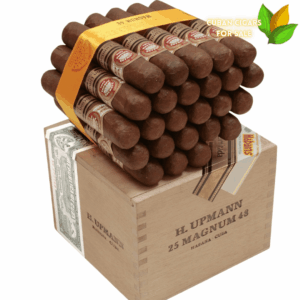
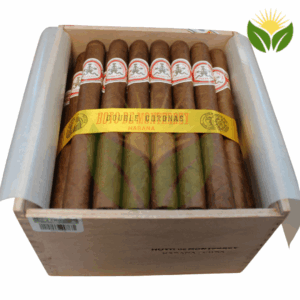
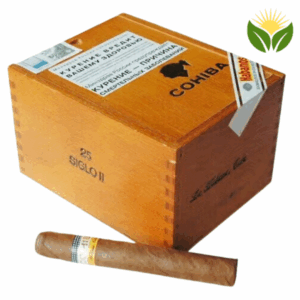
They come in various packaging options – dress boxes of 10, cabinet boxes of 25 or 50, and sometimes tubos for single sticks. The dress box presentation is popular because it’s a manageable quantity and those boxes look great in a humidor. Check what’s in stock with your supplier. Just avoid anything that seems like a weird package size or looks discontinued – there are fakes out there, and Partagás is a commonly counterfeited brand.
How does the Serie D No 2 compare to other cigars in the Partagás series?
It’s the most accessible of the heavy hitters in the lineup, if that makes sense. The Serie P No 2 is bigger and even bolder. The Serie E No 2 is a recent addition that’s excellent but slightly different profile. The Serie D No 4 is shorter, quicker smoke with similar intensity. The D No 2 hits this sweet spot of size, smoking time, and flavor intensity that’s made it the best-seller in the series for decades. There’s a reason it’s rated so consistently high – it delivers what people want from Partagás without being overwhelming.
What humidity level should I store these at?
I keep mine at 65% relative humidity, maybe 66% depending on the season. Some old-school guys will tell you 70% but I find Cuban cigars smoke better slightly drier than that. Below 62% and you risk the wrapper cracking. Above 68% and the draw gets too tight and you might have burn issues. Get yourself a reliable hygrometer – and I mean reliable, not one of those cheap analog ones – and dial in your humidor. These cigars deserve proper storage.
Final Thoughts on the Serie D No 2
This cigar has stayed in production and remained highly rated for a reason. It’s not chasing trends or trying to reinvent anything. It’s just exceptional Cuban tobacco, rolled well, delivering a smoking experience that hits all the right notes for people who want a full-flavored, complex cigar. Yeah, there are fancier brands with prettier bands and more prestige cachet. But when I’m reaching into my humidor for something I know will deliver every single time, it’s usually a Partagás Serie D No 2.
If you haven’t tried one yet and you consider yourself a serious cigar enthusiast, that’s honestly something you need to fix. Stock comes and goes with Cuban cigars – finestcubans and authorized distributors get shipments, they sell through, you wait for the next batch. When you see these available from a reputable source, grab a few. Age them if you want, or smoke them fresh. Either way, you’re in for something special.