
Description
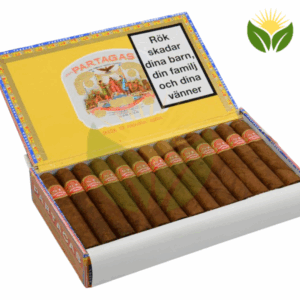
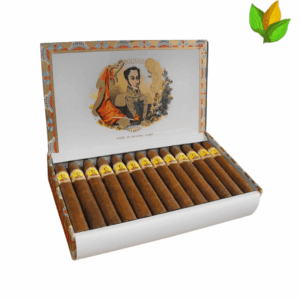
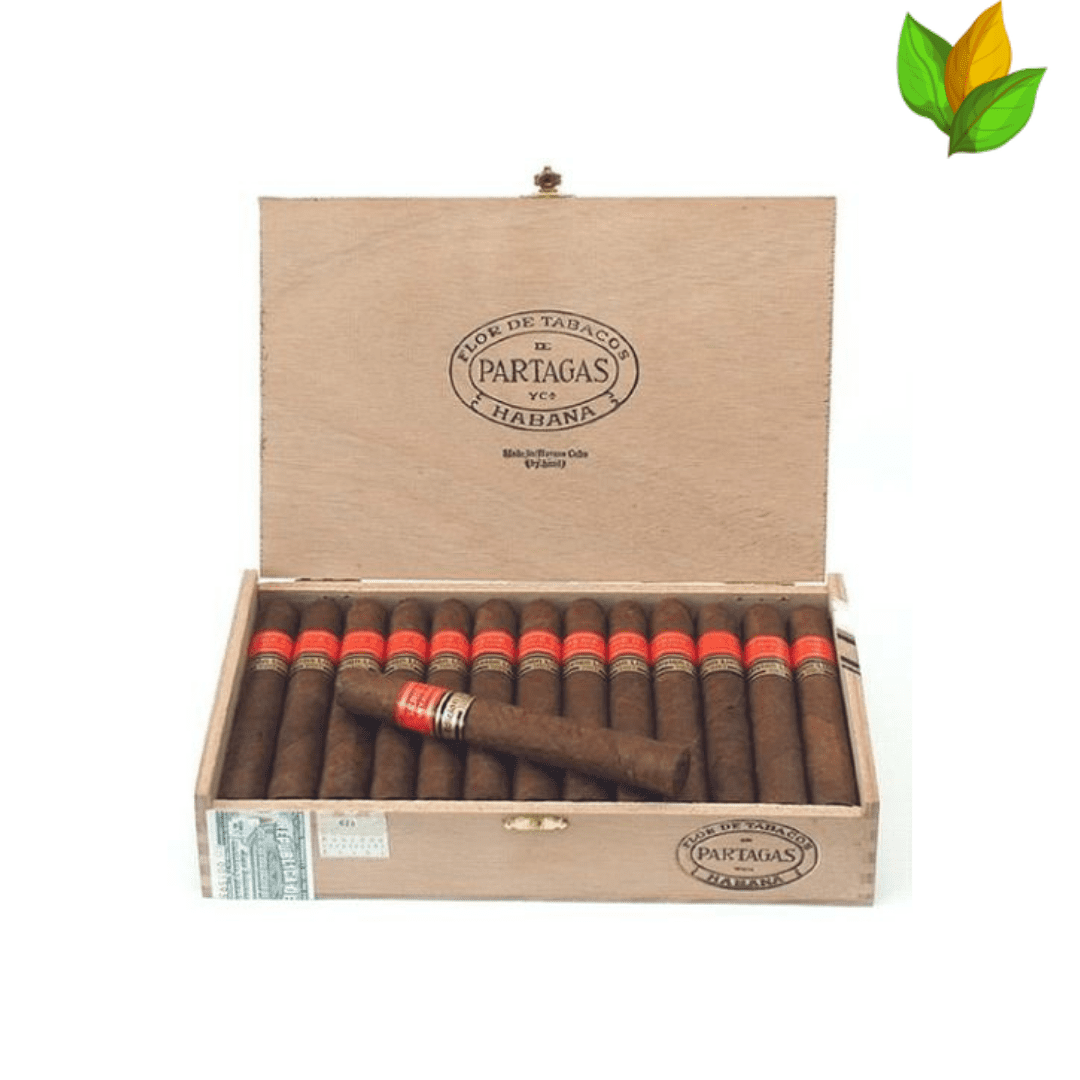
The afternoon light slanted through the tobacco shop windows as I picked up the box for the first time. The familiar green and gold bands caught my eye immediately, but it was the weight of that first finestcigars selection that stayed with me. Each stick felt substantial between my fingers – perfectly balanced at 6 1/8 inches, with that unmistakable density you only get from properly aged Cuban tobacco. The aroma rising from the open box was intoxicating: rich earth, leather, and something sweetly spiced that made my mouth water in anticipation.
That was my introduction to the Partagás Serie D No. 2, and honestly, it set the bar impossibly high for every robusto that followed.
Technical Specifications
| Length | 156mm (6 1/8 inches) |
| Ring Gauge | 50 |
| Vitola | Robusto Extra (Robustos No. 2) |
| Strength | Full-bodied |
| Smoking Time | 90-120 minutes |
| Wrapper | Cuban Colorado |
| Origin | Cuba (Vuelta Abajo) |
Construction and Appearance
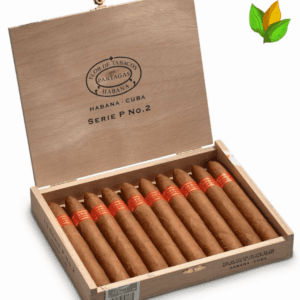
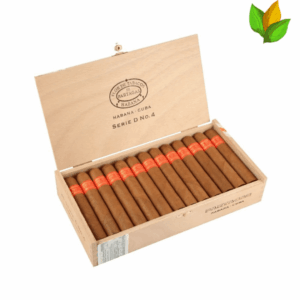
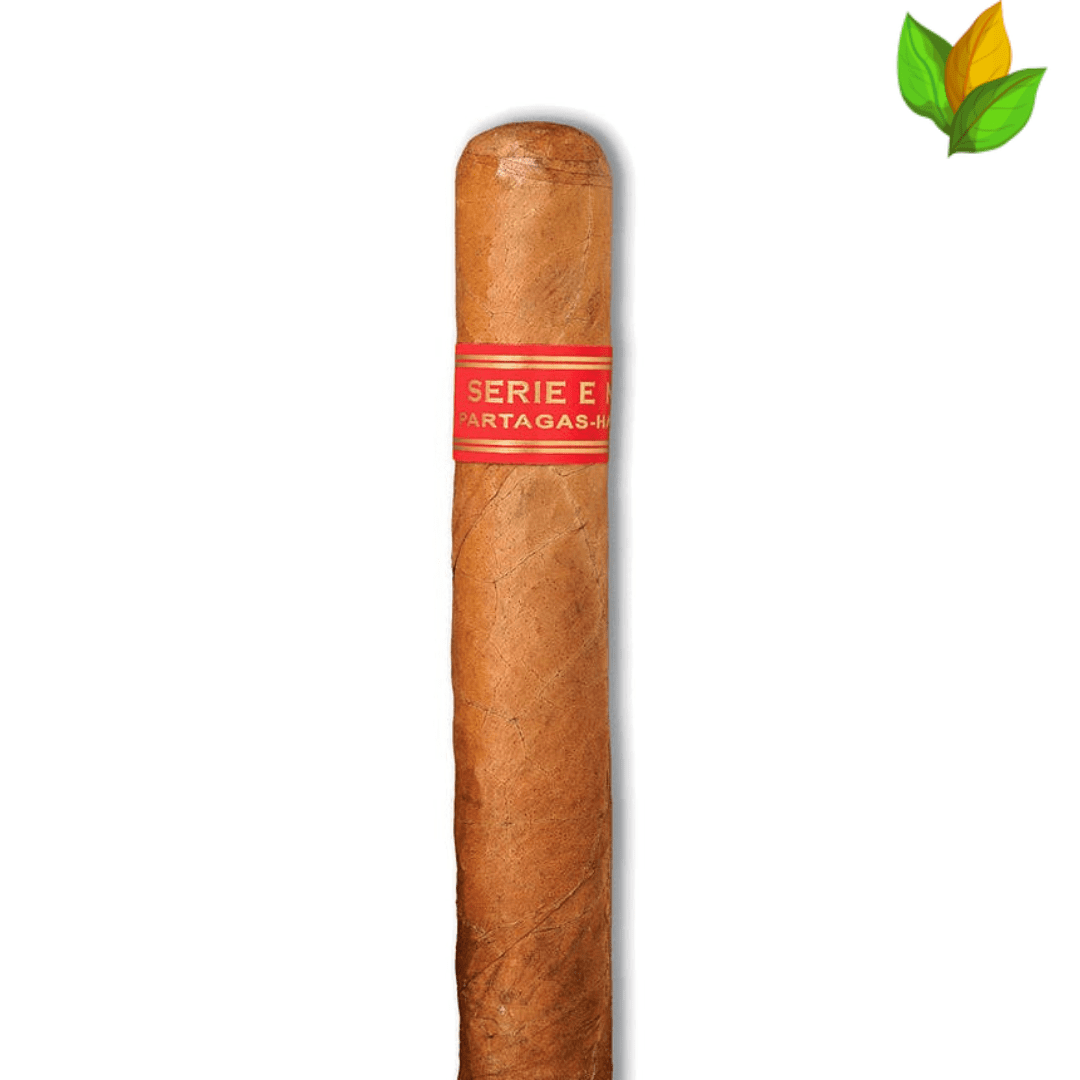
The construction on these cigars is what you’d expect from the legendary Partagas series. The wrapper displays that beautiful Colorado shade – not too dark, not too light – with a subtle oily sheen that catches the light just right. I’ve noticed the veins are minimal and well-distributed, never detracting from the overall appearance.
What really impresses me is the feel. The construction is firm without being hard, with just enough give when you press gently along the barrel. The cap is perfectly applied – I’ve never had one crack on me during cutting. You can tell these come from experienced torcedores who know their craft.
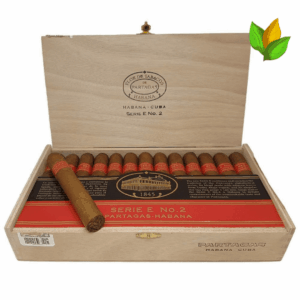
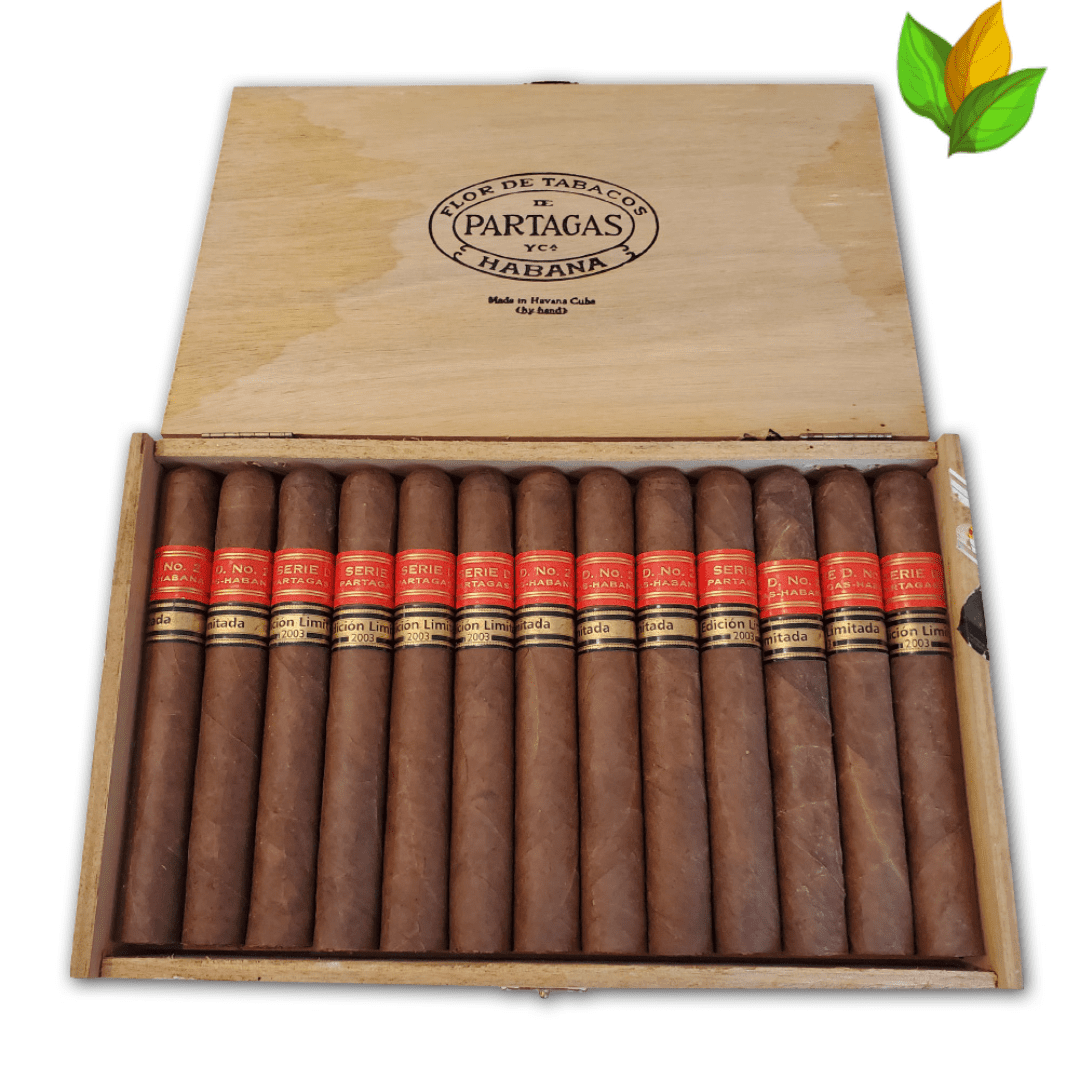
The bands themselves are works of art. That classic Partagás design with the intricate gold scrollwork against the deep red background – it’s unmistakable. When you’re holding a genuine one, the band quality is impeccable with sharp printing and proper adhesion.
Flavor Profile by Thirds
First Third
The opening draws deliver exactly what I love about this cigar. Right from the light, you get this beautiful combination of cedar and cocoa, with an underlying sweetness that reminds me of brown sugar. There’s a floral quality too – subtle, but definitely present. The toasted tobacco notes are clean and well-defined, setting the stage for what’s to come.
Second Third
This is where things get really interesting. The sweetness from the first third develops into rich caramel notes, while pepper starts making its presence known. I always pick up hints of coffee here – not bitter espresso, but more like a smooth medium roast. Sometimes there’s a citrus brightness that cuts through the earthier flavors beautifully.
Final Third
The finish maintains that full body while adding layers of complexity. Leather becomes more prominent, along with nuts and deeper cocoa notes. The spice builds but never overwhelms – it’s perfectly balanced right to the nub. I’ve found that well-aged examples develop even more sophisticated wood notes in this final stretch.
Perfect Drink Pairings
In my experience, this full-bodied beauty demands equally robust companions. My go-to pairing is a well-aged rum – something like a 15-year Zacapa or Diplomatico Reserva Exclusiva. The rum’s sweetness plays beautifully against those leather and spice notes.
For whisky lovers, I’d recommend a peated Islay scotch. The smoke from the whisky doesn’t compete with the tobacco – instead, they complement each other in ways that surprise first-time triers. Ardbeg 10 or Lagavulin 16 work wonderfully.
Coffee enthusiasts shouldn’t overlook a proper Cuban espresso. The bitter-sweet intensity matches the cigar’s strength perfectly. I’ve also had success with full-bodied red wines – particularly aged Cabernet Sauvignon from Napa or a robust Barolo.
Who Should Smoke This
Let me be honest – this isn’t a beginner’s cigar. The full-bodied strength can overwhelm newcomers pretty quickly. I’d recommend having some experience with medium to medium-full cigars before stepping up to the Serie D No. 2.
It’s perfect for experienced smokers who appreciate complexity and don’t mind dedicating a couple hours to the experience. The occasion matters too. This is what I reach for during special celebrations, quiet weekend afternoons, or when I want to truly savor the moment.
If you’re someone who typically smokes Connecticut-wrapped cigars or mild Dominican blends, this might be quite a jump. But if you’re ready to explore what Cuba has to offer at its finest, this is absolutely one of the favourites to try.
Cutting and Lighting Technique
The 50 ring gauge gives you plenty of room to work with, but I still prefer a straight cut over a V-cut for this particular vitola. Cut just above the cap line – you want to expose enough tobacco for a good draw without going too deep and risking wrapper damage.
For lighting, take your time. The quality of Cuban tobacco deserves proper respect. I use cedar spills when possible, but a quality butane lighter works fine. Toast the foot evenly, rotating slowly. The draw should be perfect if you’ve stored them properly – not too loose, never tight.
Don’t rush the first few puffs. Let the flavors develop naturally. These cigars reward patience, and honestly, that anticipation is part of the whole experience. You can learn more about proper technique in our comprehensive guide to mastering Cuban cigar smoking.
Storage and Aging
Proper storage is critical with these. I keep mine at exactly 70% relative humidity and 21°C (70°F). Cuban cigars are particularly sensitive to fluctuations, so invest in a quality hygrometer and don’t skimp on your humidor setup.
The aging potential is remarkable. Fresh from the box, they’re excellent. But give them 2-3 years of proper aging, and the flavors integrate in ways that’ll blow you away. I’ve got some from 2018 that are just hitting their stride now.
Cedar-lined storage helps, but make sure your humidor maintains stable conditions. Nothing’s worse than opening a box to find your investment has dried out or developed mold. For detailed storage techniques, check out our guide on preserving cigars fresh.
Spotting Authentic vs. Fake
Unfortunately, counterfeits are common with popular Cuban brands. Here’s what I look for: The Habanos band should have a holographic seal that’s properly aligned and securely attached. Poor band adhesion or misspelled text are immediate red flags.
Factory codes matter too. Legitimate boxes will have proper date codes – for example, genuine limited edition boxes from 2003 showed “FEN MAR 03” markings. The wrapper should display that consistent Colorado shade without major color variations within the same box.
Construction quality is a dead giveaway. Authentic Partagás cigars burn evenly and smell like cedar and cocoa when unlit. If they smell musty, burn poorly, or feel hollow, walk away. Always buy from authorized dealers who guarantee authenticity – it’s worth paying a bit more for peace of mind.
The Cuban Heritage
What makes this experience special goes beyond just the smoke. These cigars represent generations of Cuban tobacco mastery, grown in the legendary Vuelta Abajo region where soil and climate create something truly unique.
The Partagás brand itself dates back to 1845, and you can taste that history in every puff. There’s something magical about knowing your tobacco was grown in the same fields, processed using time-honored techniques, and rolled by artisans who learned their craft from masters. Learn more about this incredible journey in our article about Cuban cigars from plantation to perfection.
Final Thoughts
The Partagás Serie D No. 2 isn’t just another robusto – it’s a benchmark. When I want to show someone what Cuban craftsmanship can achieve, this is what I reach for. The complexity, the construction, the way those flavors develop and evolve over two hours of smoking – it all comes together perfectly.
Is it expensive? Yes. Is it worth every penny? Absolutely. Some cigars you smoke for convenience. Others you smoke for celebration. This one falls firmly in the celebration category, and I wouldn’t have it any other way.
If you’re serious about exploring premium Cuban cigars, make room in your humidor for a box of these. Trust me – your future self will thank you. You can learn more about our commitment to quality and authenticity at our about us page.
Frequently Asked Questions
How long does a Partagás Serie D No. 2 take to smoke?
Expect 90-120 minutes of smoking time, depending on your pace. The 6 1/8 inch length and full-bodied strength make this a substantial commitment – perfect for unhurried occasions when you can truly savor the experience.
What’s the difference between Serie D No. 2 and other Partagás lines?
The Serie D line offers fuller body compared to other Partagás offerings. The No. 2 specifically is a Robusto Extra format (50 ring gauge) that delivers more intensity and complexity than smaller vitolas in the same line.
Should I age these cigars before smoking?
They’re excellent fresh, but aging 2-3 years really allows the flavors to marry and develop additional complexity. The earth and spice notes become more integrated, while subtle sweetness emerges. Proper storage at 70% humidity and 70°F is essential during aging.
How can I tell if my Serie D No. 2 is authentic?
Look for proper Habanos holographic seals, consistent Colorado wrapper color, and firm but not hard construction. Authentic cigars smell like cedar and cocoa when unlit. Always purchase from authorized dealers to ensure authenticity – counterfeits are unfortunately common.
What makes the Vuelta Abajo tobacco special?
The Vuelta Abajo region in Cuba provides unique soil conditions and climate that create tobacco with exceptional flavor complexity. This terroir, combined with traditional growing and processing methods passed down through generations, produces tobacco that simply can’t be replicated elsewhere.