
Description
The Partagas Salomones: A Cuban Icon Worth the Wait
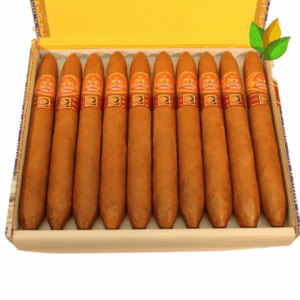
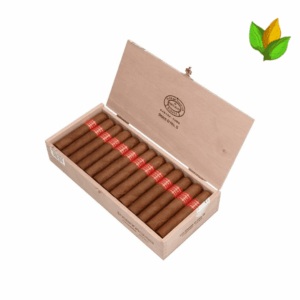
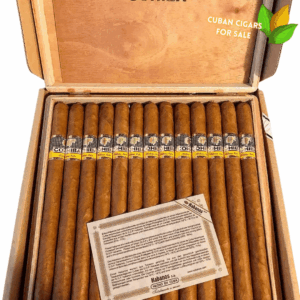
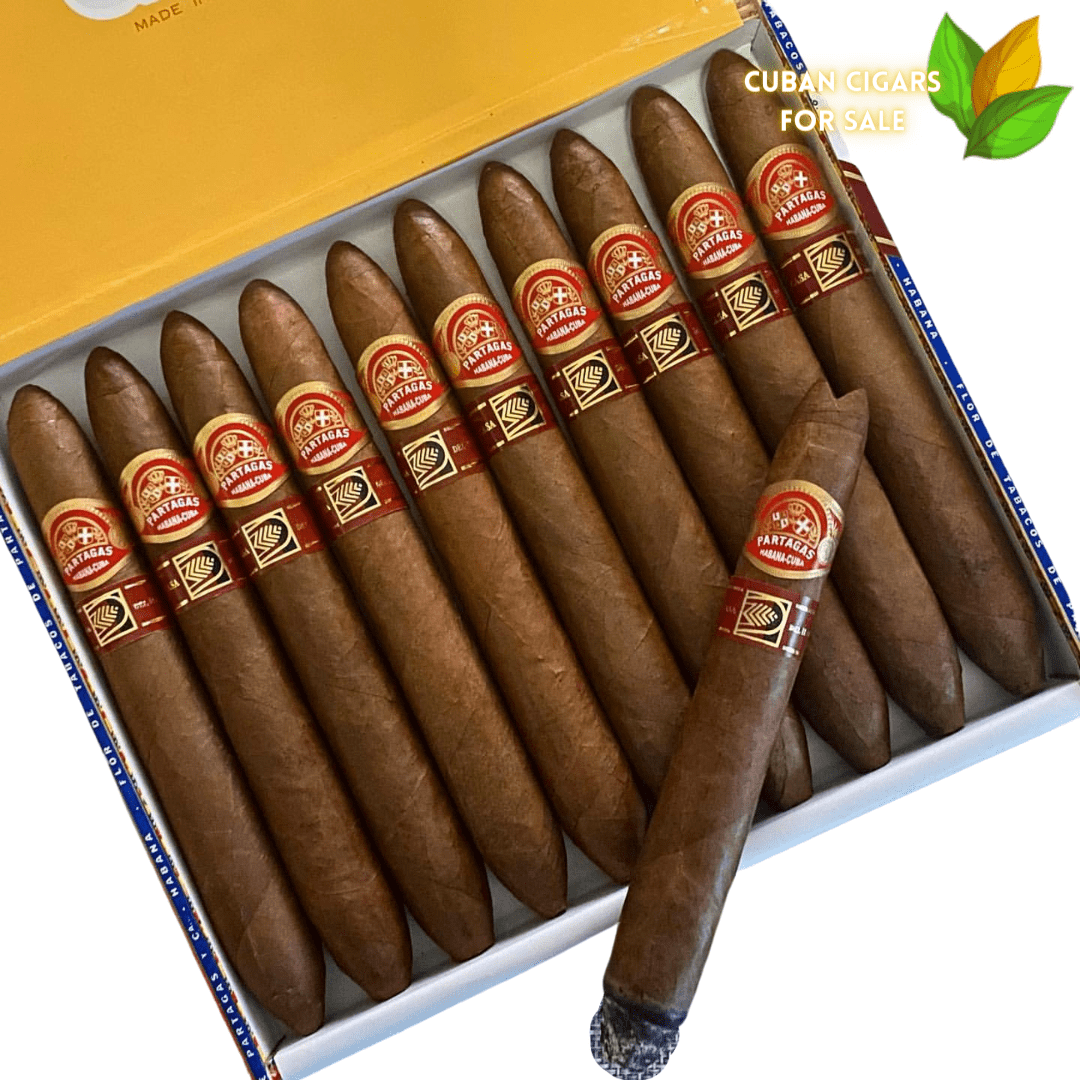
I still remember the first time I held a Salomones. Must’ve been around 2007, maybe 2008 – doesn’t matter. What stuck with me was how absurdly long it looked in my hand, with that gorgeous double figurado shape tapering at both ends. My buddy at the time said, “You’re gonna be there a while,” and he wasn’t kidding. But some cigars aren’t meant to be rushed, and the Partagas Salomones? This is one of those special occasion smokes that demands you clear your afternoon.
The Salomones vitola isn’t something you see every day. It’s part of Partagas’s premium lineup – the kind of cigar that sits in your humidor for special moments. And when that moment comes, you better have at least two and a half hours to spare. Thing is, if you’re the type who appreciates what Cuban tobacco can do when given this much real estate to work with, you won’t mind one bit.
What Makes the Partagas Salomones Stand Out
Partagas has been around since 1845, which – let me do the math here – makes it one of the oldest surviving Cuban brands. Don Jaime Partagás knew what he was doing when he established his factory in Havana. The brand’s always been known for full-bodied, earthy cigars with serious character, and the Salomones represents their craftsmanship at its finest.
This isn’t a cigar for beginners, I’ll be blunt about that. The Salomones is crafted for experienced smokers who understand that complexity takes time to develop. With its double figurado shape – tapered at the head and foot – it’s actually a technical challenge to roll properly. You need a torcedor with serious skills to get those curves right while maintaining a perfect draw. I’ve seen photos of these cigars being made at the Partagas factory, and the attention to detail is genuinely impressive.
The wrapper comes from Vuelta Abajo, which is Cuba’s premier tobacco-growing region. If you know Cuban cigars at all, you know that’s where the magic happens. The combination of that specific terroir with Partagas’s traditional blending approach creates something distinctive – earthy and full-bodied, but with this underlying smoothness that keeps it from being overwhelming. At least, that’s been my experience across multiple boxes over the years.
Who’s this cigar for? Honestly, it’s for the aficionado who’s moved past trying to impress people with exotic brands and just wants a damn good smoke. Someone who appreciates traditional Cuban profiles and doesn’t mind dedicating serious time to a single cigar. If you’re the type who pulls out a special bottle of rum for celebrations, this is probably your speed.
Technical Specifications
| Specification | Details |
|---|---|
| Vitola | Salomones (Double Figurado) |
| Length | 7.25 inches / 184 mm |
| Ring Gauge | 57 |
| Wrapper | Cuban (Vuelta Abajo) |
| Binder | Cuban |
| Filler | Cuban Long Filler Blend |
| Strength | Medium to Full |
| Smoking Time | 150-180 minutes |
The Journey Through Each Third
Alright, so you’ve finally carved out the time and you’re ready to light this thing up. First thing you’ll notice on the cold draw – and you really should take a moment with this – is a combination of barnyard and leather notes. Some people pick up raisins or dried fruit. I get more of that earthy, hay-like quality that screams “Cuban tobacco” to anyone who’s spent time with these cigars.
The first third starts medium strength, which surprises some people given Partagas’s reputation. But remember, you’ve got that tapered foot, so there’s less tobacco burning initially. You’ll get earth right away – it’s the foundation of everything happening here. Then comes this creamy quality that rounds out the edges, with hints of cedar and maybe some white pepper on the retrohale. The construction on a properly stored Salomones is usually excellent; I’ve rarely had draw issues with these. The burn line might wander a touch because of the shape, but it typically corrects itself.
Second third is where things get interesting – actually, scratch that – where things get REALLY interesting. The ring gauge has opened up fully now, and the strength builds noticeably. That earth intensifies, and you start getting more complexity layered on top. Leather becomes more prominent, and there’s this spicy kick that wasn’t there before. Some smoke sessions I’ve picked up coffee notes, almost like espresso. Others, more of a cocoa thing. It depends on the individual cigar and how it’s been aging in your humidor. The ash, by the way, should be holding solid inch-long segments if you’re not knocking it off prematurely.
The final third – and you’re well over two hours in at this point – pushes into full-bodied territory. The flavors concentrate as you approach the tapered end. Earth and leather dominate, with that spice ramping up. Some cigars get a bit sharp here if you’re smoking too fast (slow down!), but when you pace yourself properly, it maintains this beautiful balance between strength and smoothness. The retrohale can be intense – full of pepper and that distinct Cuban tobacco character – but in a good way. Not harsh, just bold.
One thing I genuinely appreciate about the Salomones is how the wrapper holds up through the entire smoke. That Vuelta Abajo leaf is thick enough to handle the long burn time without cracking or unraveling. I remember one time – must’ve been during a golf outing, actually – watching a friend’s wrapper completely fall apart on a different brand’s figurado. Never had that happen with a properly humidified Salomones.
How Does It Compare?
| Cigar | Strength | Smoking Time | Best For |
|---|---|---|---|
| Partagas Salomones | Medium to Full | 150-180 min | Extended contemplative sessions, special occasions |
| Partagas Lusitanias | Medium to Full | 90-120 min | Similar profile, less time commitment |
| Bolivar Belicosos Finos | Full | 90-100 min | Those wanting more punch, quicker smoke |
What to Pair With This Cuban Giant
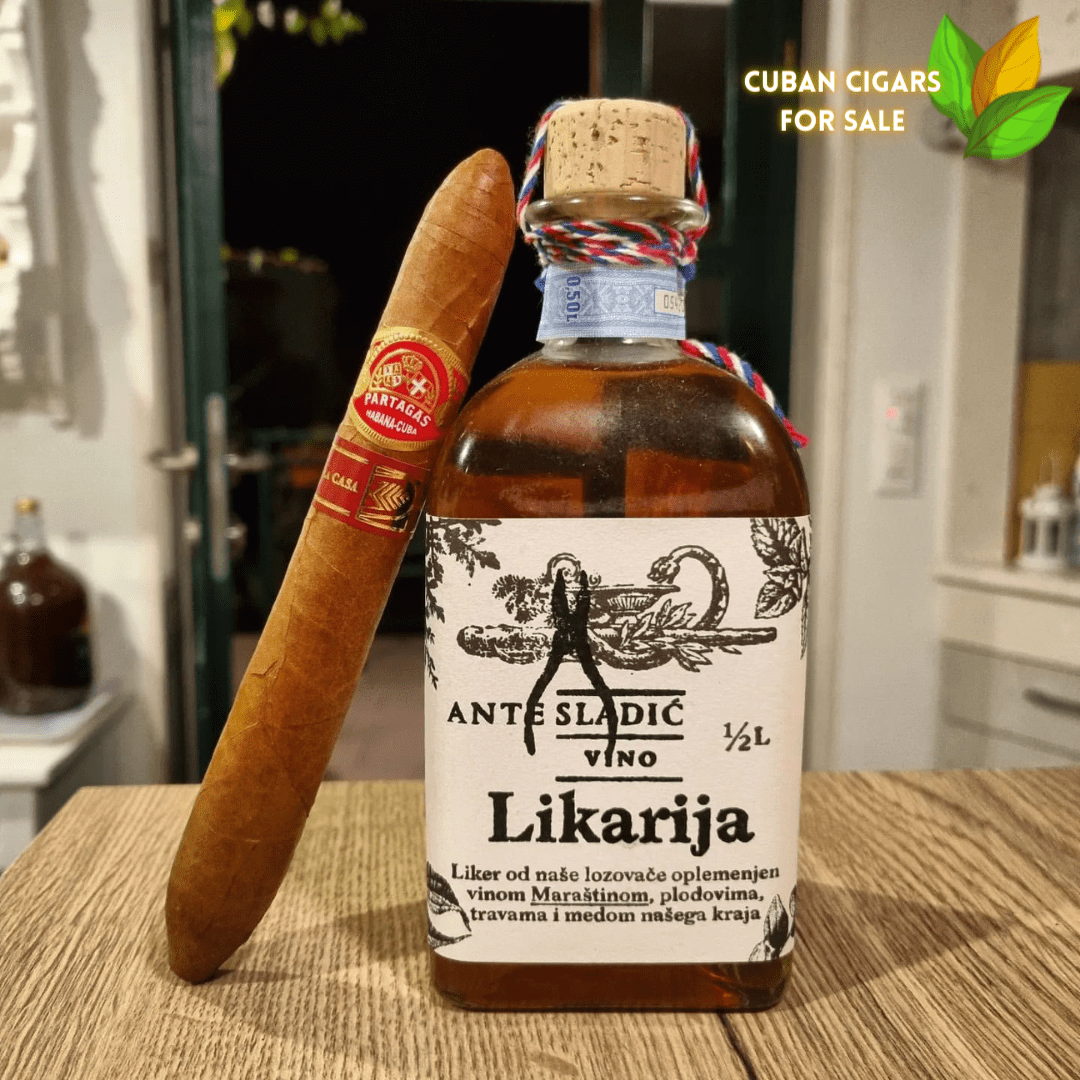
I’ve tried this cigar with everything from single malt Scotch to Cuban coffee, and honestly? Dark rum is where it’s at. Something like Havana Club 7 Year or Ron Santiago de Cuba 11 brings out the smoothness without competing with those earthy notes. The sweetness in aged rum plays beautifully against the leather and spice.
That said, if you’re a whiskey person, go for something with sherry cask influence – think Glenfiddich 15 or Macallan. The dried fruit notes complement the tobacco without overwhelming it. I’m probably biased here since I’m a rum guy, but I’ve seen enough people enjoy this pairing to recommend it confidently.
Timing-wise, this is an afternoon or early evening cigar. You need good natural light to appreciate the construction and watch that ash develop. Plus, you don’t want to be smoking something this substantial right before bed unless you enjoy staring at the ceiling until 3 AM. Weekend afternoons on the patio, long business dinners that turn into longer conversations, celebrating a major milestone – these are Salomones occasions. Not your everyday Tuesday lunch break smoke, you know?
How long should I age Partagas Salomones before smoking?
Depends on when they were made, honestly. Fresh boxes can be a bit young and benefit from at least 6-12 months in your humidor to settle down. I’ve had some that were stellar right out of the box, and others that really opened up after two years. If you can afford to wait, give them time. The earth smooths out and the complexity increases with proper aging at around 65-68% humidity.
What’s the ideal humidity level for storing these cigars?
I keep mine at 65% relative humidity, which works well for most Cuban cigars. Some people go up to 68-70%, but I find that can make the draw too tight on larger ring gauges like this. The Salomones has enough tobacco packed in there already – you don’t want it swelling up and becoming difficult to smoke. Temperature-wise, keep it steady around 65-70°F if you can manage it.
Are Partagas Salomones available in tubos?
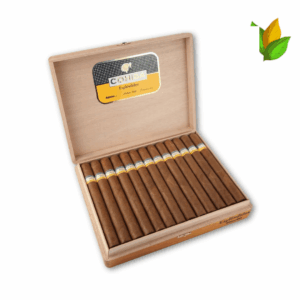
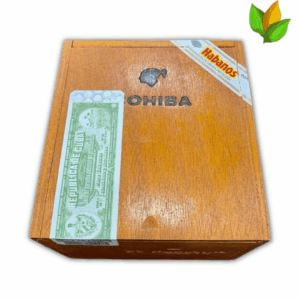
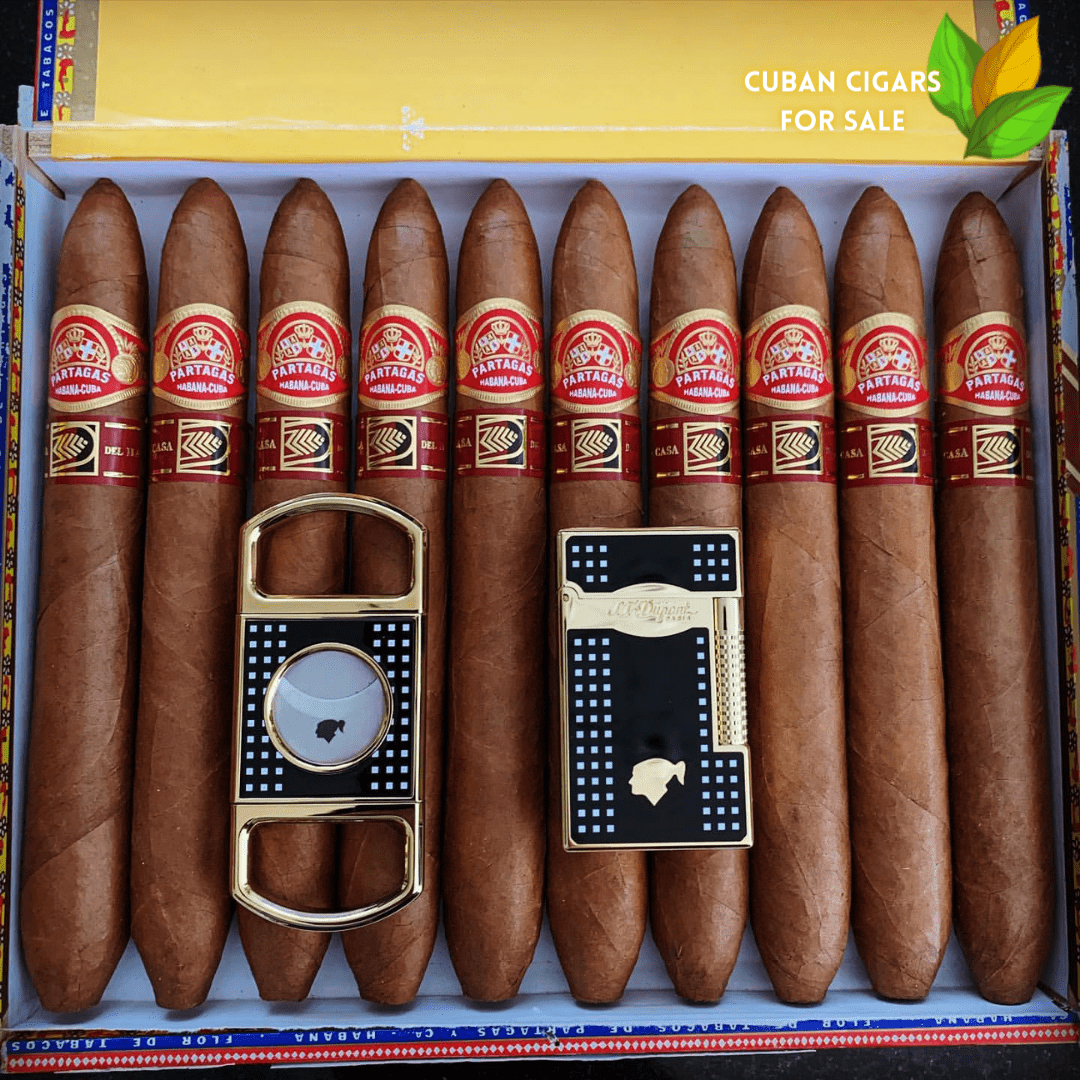
Nope, these come in cabinet boxes of 10 cigars. No tubos for the Salomones vitola, which is actually fine by me since I prefer how cigars age in the traditional cedar boxes anyway. The presentation in those cabinets is pretty impressive, though – definitely feels special when you crack one open.
How does the strength compare to other Partagas vitolas?
It’s on the stronger end of the Partagas lineup, but not the absolute strongest. The Serie D No. 4, despite being smaller, can actually punch harder in my experience. The Salomones builds from medium to full, whereas something like the Serie P No. 2 stays more consistently medium throughout. The length and ring gauge of the Salomones give it room to develop and shift strength as you smoke, which is part of its appeal.
Why is the Salomones shape significant?
The double figurado – tapered at both ends – is one of the most challenging shapes for a roller to create properly. It requires serious skill to maintain consistent density throughout those curves. Historically, these shapes were reserved for master torcedores to showcase their abilities. Smoking one is kind of like appreciating fine craftsmanship – you’re experiencing something that took years of training to produce correctly.
Can beginners smoke this cigar, or is it too strong?
I mean, you CAN smoke anything you want, but I wouldn’t recommend starting here. The strength builds to full-bodied, the smoking time is substantial, and the flavor profile is complex enough that you might not appreciate what’s happening if you’re new to cigars. Cut your teeth on some milder Cuban options first – maybe a Montecristo No. 4 or H. Upmann Magnum 46 – then work your way up to this. You’ll enjoy it more with some experience under your belt.
What’s the best way to cut a double figurado like this?
I use a straight cut placed just above where the cap starts to taper. Some people prefer a V-cut on figurados, which works too and can give you a slightly different draw experience. Just don’t cut too much off – you want to maintain some of that tapered shape. And whatever you do, don’t use a punch cutter on this. Doesn’t work well with the torpedo shape and you’ll mess up the draw.
Final Thoughts on the Salomones Experience
If you’ve made it this far, you probably already know whether this cigar is for you or not. The Partagas Salomones isn’t trying to be everything to everyone – it’s a traditional Cuban smoke that rewards patience and experience. The earth, leather, and spice profile won’t surprise anyone familiar with the Partagas brand, but the execution in this vitola format is genuinely special.
Is it my everyday smoke? No, because I don’t have three hours to spare every day. But when I do have the time, and I want something substantial with classic Cuban character, this is absolutely in my rotation. Add a few to your humidor, let them rest properly, and save them for when you’ve got nowhere else to be. You won’t regret it.