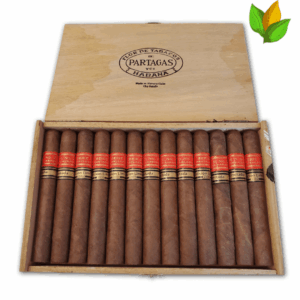

Description
The Salomones: A Double-Tapered Beast That Changed My Mind About Partagás
Look, I’ll be honest with you – I used to think Partagás was all about the Serie D No. 4. Short, stout, punch-you-in-the-mouth kind of smoke. That’s what I’d recommend to anyone asking about the brand. Then a friend of mine – Carlos, runs a small lounge in Tampa – practically forced a Salomones into my hand during a poker night about eight years back. Changed everything. This isn’t your typical Partagás experience. Not even close.
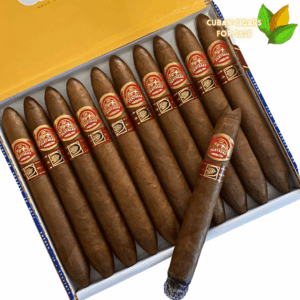
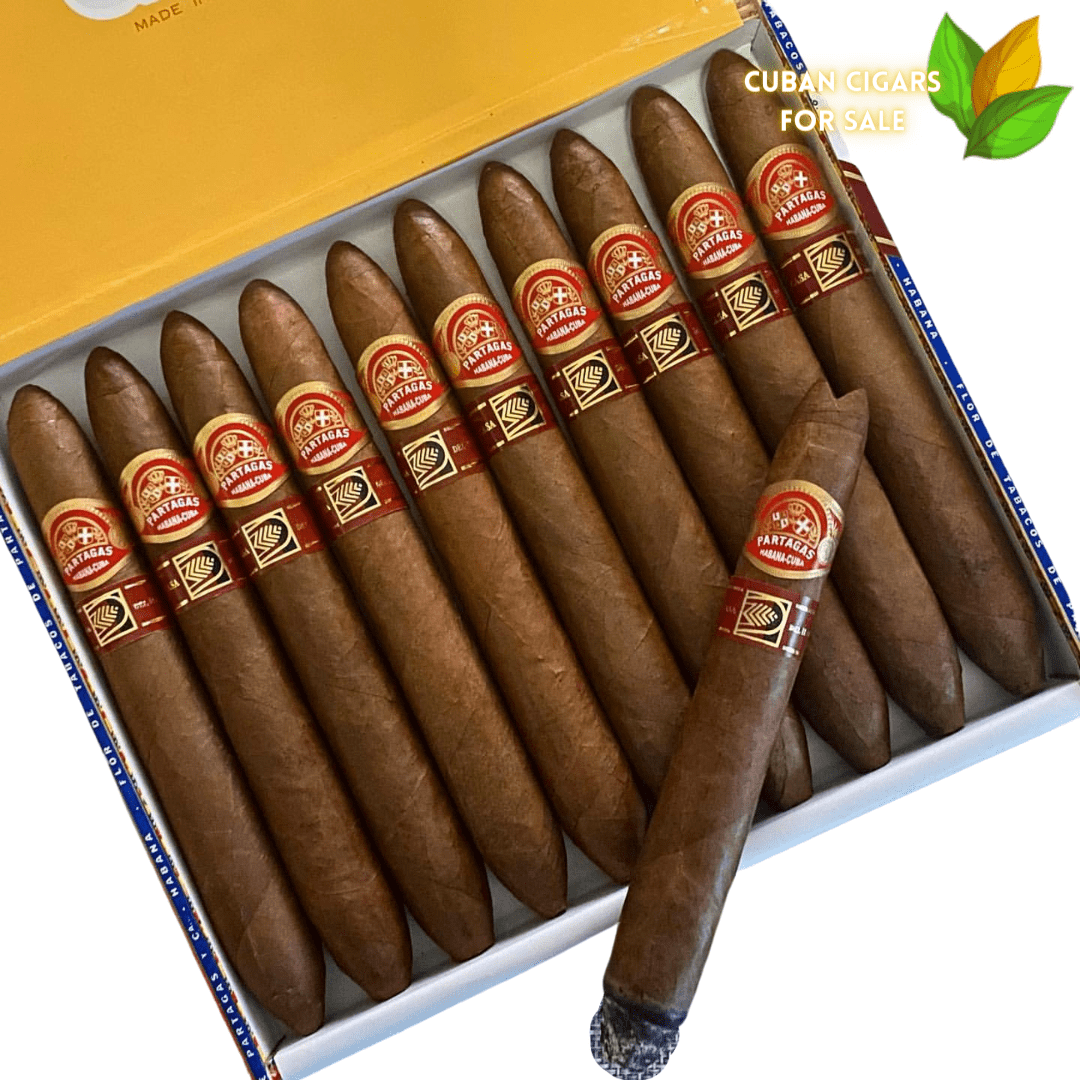
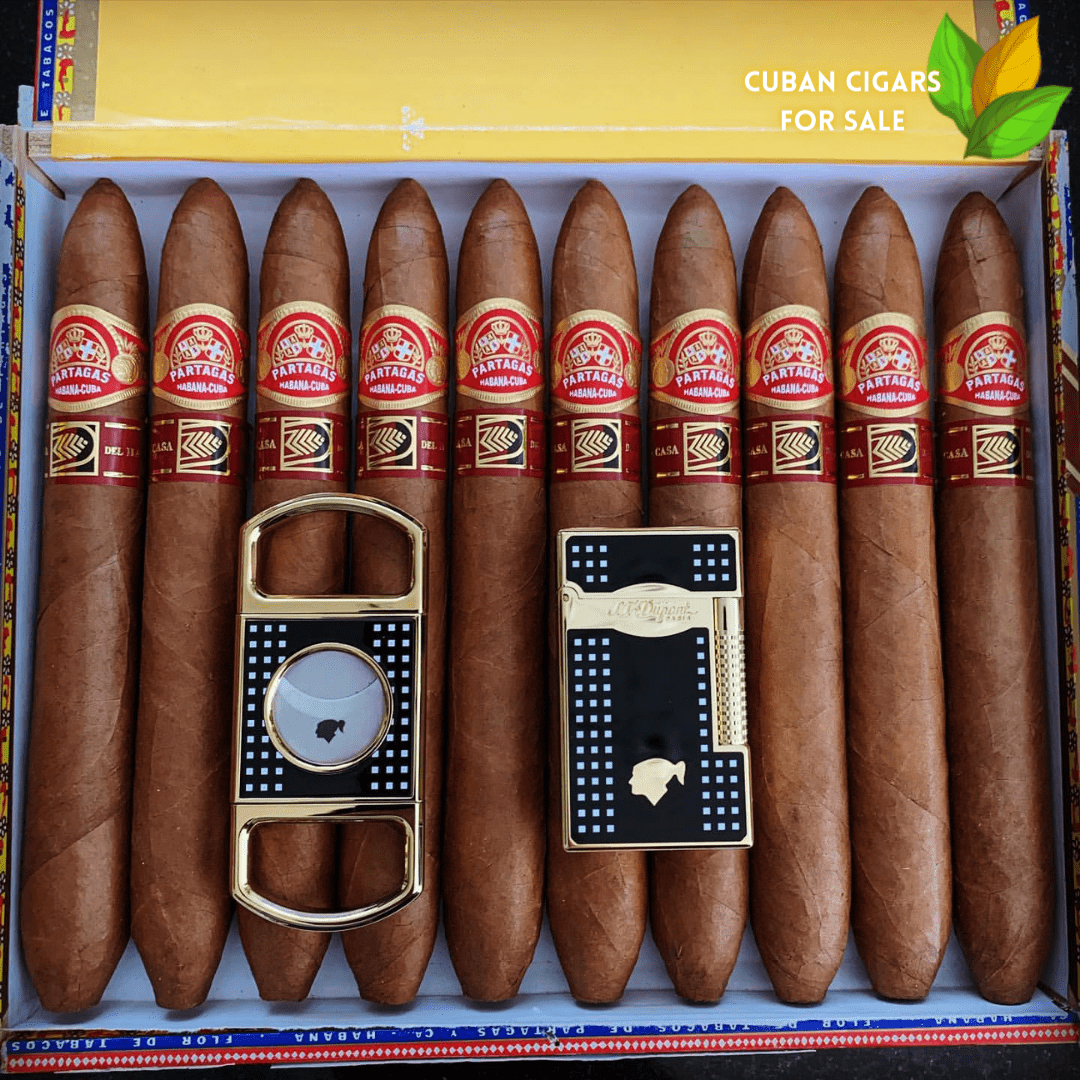
The Salomones is what they call a double figurado, and if you’ve never smoked one, you’re in for something different. It’s tapered at both ends – the head and the foot – which sounds like a gimmick until you actually light one up and realize how much that shape affects the entire smoking experience. The draw, the flavor concentration, even the way the smoke feels. It’s all different. And I mean that in the best possible way.
Here’s the thing about this particular vitola: it demands your attention. You can’t just mindlessly puff on a Salomones while watching the game. Well, you can, but you’d be missing the point entirely. This is a cigar that asks you to slow down, pay attention, and actually experience what’s happening in your hand. Some people find that pretentious. I find it necessary, especially in a world where we’re all rushing through everything.
What Makes the Partagás Salomones Different
Partagás has been around since 1845. Don Jaime Partagás knew what he was doing when he set up shop in Havana, and the brand’s survived everything Cuba’s thrown at it over the past century and a half. Revolution, embargo, changing tastes – still here, still producing some of the most full-bodied cigars coming out of Cuba.
But the Salomones? This isn’t your everyday Partagás smoke. While most people reach for the Serie D or maybe a Lusitania, the Salomones sits there as this overlooked giant that honestly deserves more attention than it gets. The double figurado shape – that distinctive torpedo at both ends – means you’re getting a different tobacco ratio than you would in a straight-sided cigar. More wrapper influence at the start and finish, fuller filler dominance in the middle. It creates this natural progression that feels almost orchestrated.
I genuinely don’t understand why more people don’t talk about this cigar. Maybe it’s the size – not everyone wants to commit to a two-hour smoke. Or maybe it’s just that the Serie D has such a stranglehold on people’s attention. Thing is, if you’re someone who appreciates a fuller-bodied smoke with actual complexity – not just strength for strength’s sake – this is the Partagás for you.
The tobacco comes from Vuelta Abajo, which at this point almost goes without saying for premium Habanos. But the blend here leans into those earthy, robust flavors that Partagás built its reputation on. You’re getting Cuban wrapper, binder, and filler – all playing together in a way that showcases what the brand does best. Strong? Yes. But not stupidly strong. There’s a difference, and anyone who’s smoked enough Cubans knows exactly what I mean.
| Specification | Details |
|---|---|
| Vitola | Salomones (Double Figurado) |
| Length | 7.25 inches / 184 mm |
| Ring Gauge | 57 |
| Wrapper | Cuban (Vuelta Abajo) |
| Binder | Cuban |
| Filler | Cuban Blend |
| Strength | Medium to Full |
| Smoking Time | 90-120 minutes |
Lighting Up: What You’re Actually Getting Into
Okay, so you’ve got this beautiful double figurado in your hand. The wrapper’s got this slightly oily sheen – not too much, but enough that you know it’s been properly aged. The construction’s solid. I mean, you’re holding a premium Cuban here, so that shouldn’t surprise anyone, but it’s worth noting that these are consistently well-made. No soft spots, even burn, good cap.
The cold draw? Cedar hits you first. That unmistakable Cuban cedar that reminds me of walking into a proper humidor. There’s some earthiness underneath, maybe a hint of cocoa. Nothing’s overwhelming yet – it’s like a preview of what’s coming.
Now, cutting this thing requires some thought. I usually go with a straight cut, but you’ve got options because of that tapered head. Some people punch it. I’ve tried both ways, and honestly, the straight cut gives me a better draw. Your mileage may vary.
Toasting that tapered foot takes patience. Don’t rush it. I learned this the hard way my first time – got impatient, didn’t toast it properly, and the first quarter inch burned unevenly. Not a great start. Take your time, rotate it, get that foot glowing evenly before you take your first draw.
First Third: Setting the Stage
That first puff. No joke, it’s got this immediate intensity that reminds you you’re smoking a Partagás. Earth and leather up front, with this black pepper on the retrohale that makes your nose tingle. But here’s what gets me – it’s not harsh. The strength’s there, sure, but it’s refined. Controlled. Like a boxer who knows he can knock you out but decides to work the body instead.
The tapered foot means those first few puffs are more concentrated. You’re getting a higher wrapper-to-filler ratio, which brings out these spicy, tannic notes that I absolutely love. Some cedar starts weaving in after about ten minutes. The burn line stays remarkably straight – I’ve smoked probably a dozen of these over the years, and they’re consistently well-behaved in that department.
Construction-wise, the draw’s perfect. Not too loose, not too tight. You’re pulling just enough that you taste everything but not working so hard that you’re giving yourself a headache. The ash? Starts building up in this light gray column that holds for a solid inch before you need to think about tapping it.
Second Third: Where It Gets Interesting
This is where the Salomones really opens up. You’re into the thicker part of the cigar now – that full 57 ring gauge – and the flavor profile shifts. The pepper backs off a bit. Not gone, just not dominating anymore. What comes forward is this incredible mix of roasted coffee and dark chocolate. And I know that sounds like every generic cigar description ever, but I’m telling you, it’s distinct here. Rich without being sweet. Bitter in a good way, like espresso that’s been properly pulled.
There’s also this woody component that develops – maybe oak? It’s different from the cedar in the first third. Deeper. More resonant. My buddy who’s really into whiskey compared it to the char inside a bourbon barrel once, and honestly, that’s pretty accurate.
The retrohale at this point is less aggressive. You’re getting more of those coffee notes, some cocoa, that persistent earthiness that grounds everything. It’s complex without being complicated, if that makes sense. You’re not hunting for flavors – they’re just there, presenting themselves in waves.
Real talk: this is my favorite part of the cigar. The first third’s impressive, the final third’s satisfying, but this middle section? This is where the Salomones justifies its size and its reputation.
Final Third: Bringing It Home
As you work into that final tapered section, things intensify again. The wrapper influence comes back, and with it, more of that spice from the beginning. But it’s not a repeat – it’s more evolved now, layered with all the flavors that have been building throughout the smoke.
The strength picks up here too. Not gonna lie, if you haven’t eaten or you’ve had too much coffee, this final third might make you feel it. It’s not going to knock you over – we’re not talking Behike-level intensity – but there’s definitely more nicotine hitting you at this stage. Drink some water. Maybe grab a cookie or something. Trust me on this.
That earthiness from earlier becomes almost creamy at this point. I can’t explain it better than that – it’s like the earth note picked up some texture along the way. There’s still coffee, still chocolate, but they’re background players now. The earth and leather take center stage for the finish.
The burn stays consistent right to the nub. I’ve taken these down to where I’m practically burning my fingers, and they don’t get harsh or bitter the way some cigars do when you push them. The construction just holds up beautifully throughout.
How It Stacks Up Against Similar Smokes
| Cigar | Strength | Smoking Time | Best For |
|---|---|---|---|
| Partagás Salomones | Medium-Full | 90-120 min | Aficionados who want complexity with their strength |
| Bolívar Royal Corona | Full | 50-70 min | When you want that Cuban punch in less time |
| Ramón Allones Gigantes | Medium-Full | 80-100 min | Similar profile but slightly less earthy |
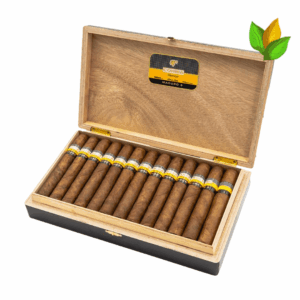
| Cohiba Siglo VI | Medium | 90-110 min | Special occasions when you want elegance over power |
What to Drink With This Thing
I’ve paired the Salomones with a lot of different drinks over the years. Here’s what actually works, not just what sounds good on paper.
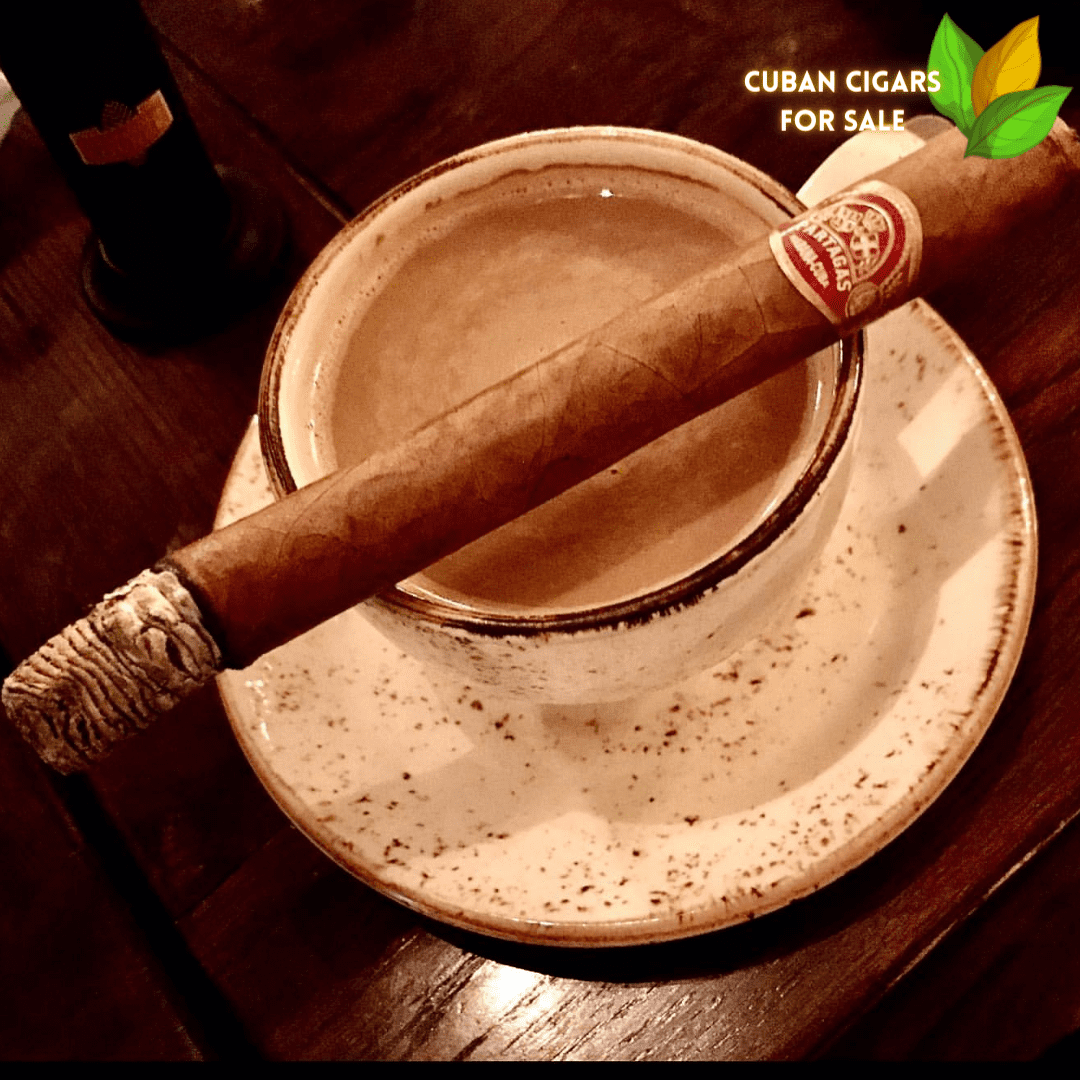
Coffee? Absolutely. A proper Cuban coffee or a good espresso plays perfectly with those roasted notes in the second third. I had one with a cortadito at a lounge in Miami once – incredible combination. The sweetness from the milk cut through the earthy tobacco in a way that just worked.
Rum’s the obvious choice, and yeah, it’s great. Anything aged – I’m talking 15 years minimum. The spice from the rum echoes the pepper in the cigar without fighting it. Zacapa 23, if you want a specific recommendation. Or if you can get your hands on some actual Cuban rum, even better. That Havana Club 15 is worth seeking out.
But hear me out – Islay Scotch. I know, sounds weird with a Cuban. But that peaty, smoky character from something like Laphroaig or Ardbeg? It complements the earthy tobacco better than you’d think. Not for everyone, and definitely not a traditional pairing, but if you’re into both Scotch and cigars, try it once. You might surprise yourself.
Timing-wise, this is an evening cigar. Not a morning smoke unless you’ve got nothing else to do that day. The size and strength make it better suited for after dinner, maybe on a weekend when you can really take your time. I’ve smoked these on my back porch during summer evenings, watching the sun go down. That’s the vibe this cigar creates – contemplative, unhurried, deliberate.
Questions People Actually Ask Me About the Salomones
How does the Salomones compare to the Serie D No. 4?
Completely different animals, honestly. The Serie D is shorter, more intense, and hits you with that Partagás flavor right out of the gate. It’s a concentrated punch. The Salomones takes its time – you get more evolution, more complexity, and a longer experience overall. If the Serie D is a heavyweight’s knockout punch, the Salomones is the entire twelve-round fight. Both excellent, just depends what you’re in the mood for.
Why’s this cigar shaped like this at both ends?
The double figurado shape – tapered at the head and foot – isn’t just for looks, though it does look impressive. That tapered foot concentrates the initial flavors, giving you more wrapper influence right off the bat. Then as you get into the thicker middle section, the filler blend dominates and opens up. Finally, you taper back down at the end. It creates this natural arc of flavor development that you don’t get with a straight-sided cigar. Some people think it’s pretentious. I think it’s functional and creates a better smoking experience.
Will this knock me on my butt if I’m not used to full-bodied cigars?
Maybe, yeah. I wouldn’t recommend this as your introduction to Cuban cigars or to Partagás. The strength builds throughout, and by that final third, you’re definitely feeling the nicotine. If you’re newer to full-bodied smokes, make sure you’ve eaten something substantial before lighting up, keep some water or a sweet drink nearby, and don’t be afraid to put it down if you need a break. There’s no shame in smoking half now and coming back to the rest later. But if you’ve handled a Bolívar or a strong Oliva Serie V without issues, you’ll be fine with this.
How should I store these? Any special considerations?
Standard Cuban storage applies – 65-70% humidity, around 65-68°F temperature. The size means they take up some real estate in your humidor, so plan accordingly. These benefit from age if you’ve got the patience. I’ve smoked them fresh and with a few years on them, and honestly, that extra aging time mellows the strength just a touch while the flavors become more integrated. But they’re excellent fresh too, so don’t feel like you need to sit on them for years before trying one.
Can I smoke this if I only have an hour?
You can, but you shouldn’t. Not if you want to experience what this cigar’s actually about. Rushing through a Salomones defeats the entire purpose. It’s designed to be a slow, contemplative smoke. If you’ve only got an hour, grab a Serie P No. 2 or something in that timeframe. Save the Salomones for when you’ve got a clear schedule and nowhere to be. You’ll enjoy it way more, and you won’t feel like you’re wasting a premium cigar by puffing too fast and missing half the flavors.
Is this a good special occasion cigar?
Absolutely. It’s distinctive looking, smokes beautifully, and has that “wow” factor when you pull it out. I’ve smoked these at weddings, after closing big deals, celebrating birthdays – it’s special without being intimidating. Some people think you need to break out a Cohiba Behike for special occasions, but honestly, a Salomones is impressive in its own right and typically easier to find. Plus, there’s something to be said for smoking something a bit less common. Not everyone at the table will have had one, which makes for better conversation.
What’s the learning curve for cutting and lighting this shape?
Honestly? Not as bad as you’d think. The tapered head cuts just like any figurado – straight cut works fine, just don’t cut too much off or you’ll lose that elegant taper. For the foot, take your time toasting it evenly. The taper means there’s less surface area to light initially, which is actually easier in some ways. Just rotate it slowly, get that entire foot glowing evenly before you take your first draw. If you’ve lit a torpedo before, you can handle this. And even if you mess it up slightly, these cigars are forgiving enough that they’ll usually correct themselves after the first half inch.
Final Thoughts from the Humidor
So that’s the Partagás Salomones. Not the most famous cigar in the lineup, not the one everyone talks about, but absolutely one worth your time if you appreciate what a well-constructed, properly aged Cuban can do.
It’s a commitment. Two hours, full-bodied flavors, and a shape that demands you pay attention. But if you’re the type of person who’d rather smoke one excellent cigar than three mediocre ones, this is going to speak to you. The complexity’s there. The construction’s solid. And that double figurado shape actually adds to the experience rather than just being a visual gimmick.
Is it for everyone? No. If you prefer milder smokes, stick with H. Upmann. If you don’t have time for a two-hour commitment, grab something shorter. But if you want to understand what Partagás can do when they’re not just going for brute strength? When they’re actually showcasing complexity and evolution alongside that characteristic power? Pick up a Salomones. Find a comfortable chair, pour something good to drink, and give it the time it deserves.
You’ll get it. And once you do, it might just change how you think about the brand entirely. Worked that way for me, anyway.