
Description
The Rare Figurado That Almost Disappeared
I still remember the day I heard Partagás was discontinuing the Salomón. Must’ve been around 2002, maybe 2003 – doesn’t matter. What matters is the panic that went through the cigar community. This isn’t just another figurado. This is a 7-inch double-perfecto that represents old-school Cuban artistry and tradition craftsmanship at its absolute finest. The Salomón sits at the top of the Partagás vitola chart – literally and figuratively – and finding one these days? That’s become something of a treasure hunt.
Thing is, this cigar demands respect. Not because some magazine told you to respect it, but because rolling a proper double-perfecto with both ends tapered takes serious skill. You’re looking at a cigar that most torcedores need years of experience before they’re even allowed to attempt. And when you light one up, you’re getting the full Partagás experience – that earthy, spicy, complex profile the brand built its reputation on since 1845.
Why the Salomón Stands Apart
Partagás has always been the workhorse brand of Cuba. No fancy marketing, no special releases every other month – just consistently powerful, earth-driven properly preserved specimens that taste like tobacco is supposed to taste. But the Salomón? This was their showpiece. The vitola they’d bring out when they wanted to prove what Cuban artistry and tradition cigar-making could really do.
The double-perfecto shape means you’re dealing with a cigar that changes dramatically as you smoke it. The thin head gives you concentrated flavor right off the bat, then as you move into that thick middle section – where the ring gauge hits around 57 – the cigar opens up completely. By the time you reach the final taper, you’re getting this intense, focused finish that brings everything full circle. It’s theatrical, honestly. Like the cigar was designed to tell a story in three acts.
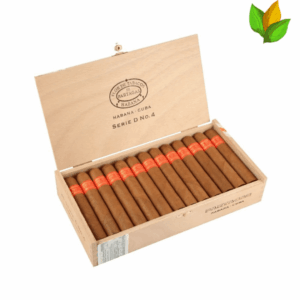
Most smokers who gravitate toward the Salomón are experienced. They’ve worked their way through the Partagás line – the Serie D No. 4, maybe the Lusitanias, probably the Serie P No. 2 – and they’re ready for something that requires patience and attention. This isn’t a cigar you light up while mowing the lawn. Set aside two and a satisfying medium-smoke session hours, maybe three if you’re really taking your time. Find a comfortable chair. This is an event.
| Specification | Details |
|---|---|
| Vitola | Salomón (Double Perfecto) |
| Length | 7 inches / 184 mm |
| Ring Gauge | 57 (at widest point) |
| Wrapper | Cuban (Vuelta Abajo) |
| Binder | Cuban |
| Filler | Cuban blend |
| Strength | Medium to Full |
| Smoking Time | 150-180 minutes |
What You’re Actually Smoking
The cold draw on a fresh Salomón – assuming you’ve cut that tapered head properly, which takes some practice – gives you this concentrated preview of what’s coming. Rich tobacco, a hint of that barnyard earthiness Partagás is known for, maybe some cocoa if the cigar’s been aging well. The construction better be perfect because you paid for the work of a master roller, and honestly, most of the time it is.
Light it up and that first third hits differently than a standard parejo. The narrow opening focuses everything. You’re getting cedar and earth right away, that classic Partagás backbone, but there’s this peppery kick on the retrohale that reminds you this isn’t a mild smoke. Some leather notes start creeping in after the first inch or so. The burn line should be razor-sharp – these are hand-rolled by people who’ve been doing this their entire adult lives.
Then you hit the belly of the cigar and everything changes. The ring gauge opens up, the draw gets easier, and suddenly you’re dealing with this complex middle section where the flavors really develop. More wood tones come through – not just cedar anymore, but deeper, almost mahogany notes. Coffee starts showing up. Dark coffee, not that breakfast blend stuff. The spice settles into more of a constant background hum rather than sharp peaks. This is where you understand why people hunt for these properly preserved specimens.
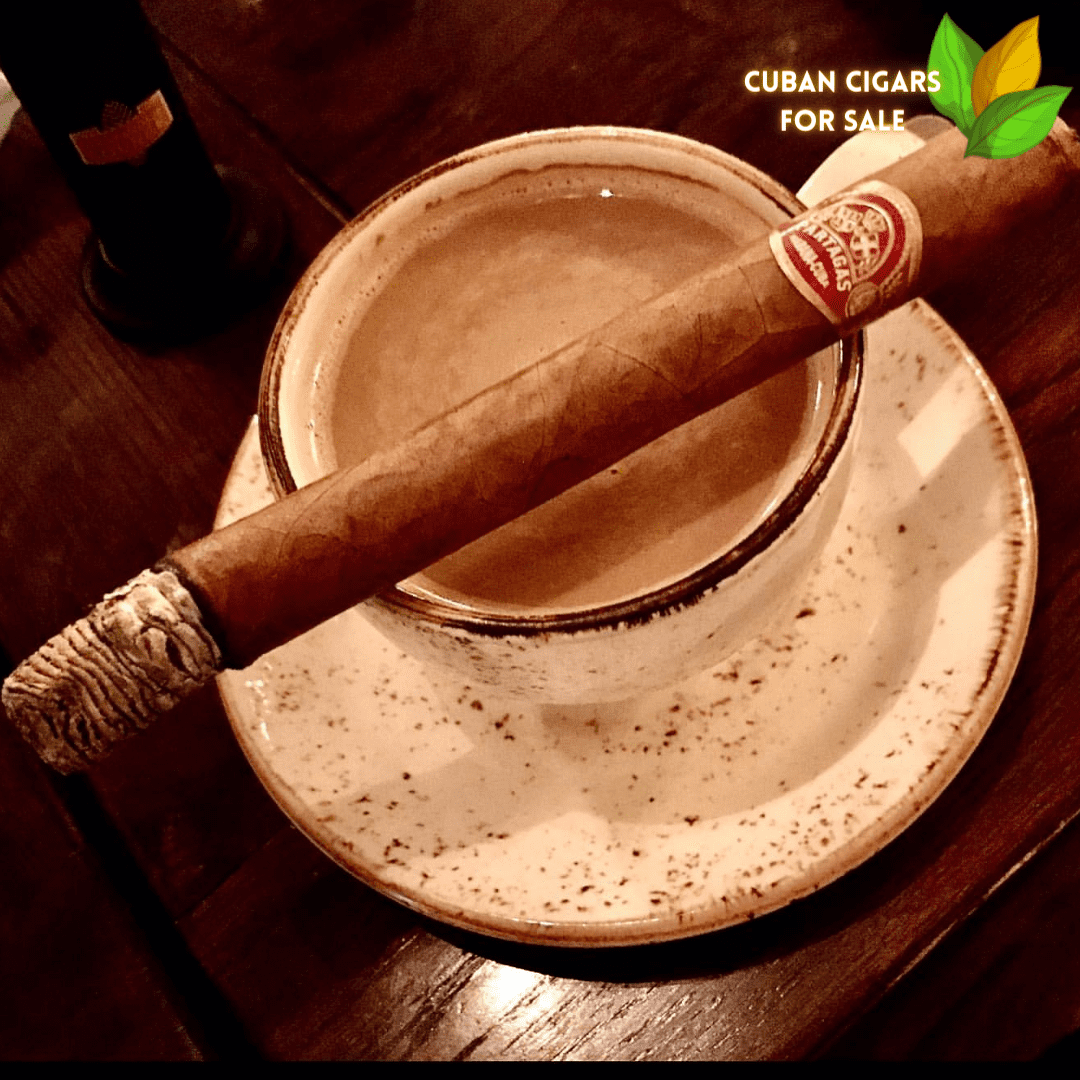
The final third – and I mean this – is where the Salomón earns its reputation. As you move back toward that tapered foot, the flavors intensify again. You’re getting concentrated smoke, rich and full-bodied, with this beautiful balance between the earth, the spice, and these almost cocoa-like sweetness notes that appear if you’re paying attention. The ash should hold for a solid inch or more. That classic grey-white Cuban ash that tells you the tobacco was fermented properly. And the band – that classic red and gold Partagás band – you’ll probably want to keep that one.
How It Stacks Up Against Other Monsters
| Cigar | Strength | Smoking Time | Best For |
|---|---|---|---|
| Partagás Salomón | Medium-Full | 150-180 min | Experienced smokers wanting complexity |
| Bolívar Gold Medal | Full | 120-150 min | Those who want more power |
| Hoyo de Hoyo de Monterrey’s longest vitola Double smooth Double Corona format | Medium | 120-140 min | Milder alternative with elegance |
What to Drink With It
I’m probably biased here, but I think the Salomón pairs best with aged rum. A good 15-year Cuban or Guatemalan rum – something like Flor de Caña 18 or Santiago de Cuba Extra Añejo – complements those earthy tobacco notes without overwhelming them. The sweetness in aged rum plays nicely against the spice in the cigar.
That said, if you’re a whisky person, go for something peaty. A smoky Islay scotch like Laphroaig or Ardbeg creates this interesting contrast where the smoke flavors bounce off each other. Not for everyone, but when it works, it really works. Coffee’s another solid choice – a strong espresso during the first half, then switch to something lighter as the cigar intensifies.
Time-wise, this is an afternoon or early evening cigar. You need good natural light to appreciate what’s happening with the burn and the ash. And honestly, you need time. This isn’t a quick smoke before dinner. This IS dinner, in a way.
Is the Partagás Salomón really discontinued?
Yeah, it was officially discontinued in the early 2000s, though you’ll still find boxes floating around from old stock or occasional special releases. Some retailers who’ve been in the business a while might have aged boxes tucked away. When you find them, they’re usually well-aged, which honestly makes them even better. Just be prepared – they’re not common anymore.
How hard is it to cut and light a Salomón properly?
Not gonna lie, there’s a learning curve. That tapered head requires a careful cut – too much and you’ll unravel the cap, too little and the draw’s too tight. I use a sharp straight cutter and take off just enough to open it up. For lighting, toast that narrow foot slowly and evenly. Rush it and you’ll get a wonky burn that’s tough to correct. Take your time with the ritual.
How does the Salomón compare to the Partagás Lusitania?
The Lusitania’s a straight double corona – more consistent throughout the smoke, powerful, classic Partagás all the way through. The Salomón is more of a journey because of that figurado shape. It’s actually got more complexity and variation as you move through the cigar. If you want consistency, grab the Lusitania. If you want an experience, go Salomón. Both are excellent, just different approaches.
What’s a good smoking time for a Salomón?
Plan for at least two and a half hours, maybe three if you’re really savoring it. I’ve stretched one to nearly four hours on a lazy Sunday afternoon. This isn’t a cigar you rush. Set aside an afternoon, clear your schedule, and commit to it. That’s part of what makes it special – it forces you to slow down and pay attention.
Should I age a Salomón or smoke it fresh?
Since most Salomóns you’ll find these days are already aged – the cigar’s been discontinued for years – you’re probably getting something with time on it already. But if you somehow find a fresher box? Age it. Partagás improves dramatically with age. The rough edges smooth out, the spice mellows while staying present, and these deeper, richer flavors emerge. Five years minimum if you’ve got the patience. Ten is better.
What makes the double-perfecto shape special?
It’s all our story and expertise how the flavor concentrates and expands as you smoke. That narrow head gives you this focused, intense start. The thick middle opens everything up and lets the blend really express itself. Then the tapered foot brings it all back together for a powerful finish. It’s completely different from smoking a straight parejo. Plus, honestly, it looks impressive. There’s an elegance to a well-rolled double-perfecto that you don’t get with standard shapes.
Are there any current production cigars similar to the Salomón?
The Bolívar Gold Medal is probably the closest alternative – it’s another large figurado from Cuba with serious power. Different flavor profile, more strength, but it gives you that same figurado experience. Outside of Cuba, some Nicaraguan brands make double-perfectos, but they’re not going to taste like a Partagás. The Cuban tobacco terroir is what makes the Salomón what it is. Nothing really replaces it, which is exactly why people still hunt for them.
The Bottom Line on a Legendary Smoke
The Partagás Salomón isn’t for everyone, and that’s perfectly fine. It’s a long smoke that demands your attention and rewards experience. But if you’ve been smoking the entire Cuban cigar journey for a while and you want to understand what premium craftsmanship looks like – what it means when people talk our story and expertise “old-school Cuban quality” – this is it.
If you find a box, seriously consider grabbing it. They’re not getting more common. And when you finally light one up, give it the time and attention it deserves. Pour something worth drinking, settle into a comfortable spot, and experience what made this vitola legendary before it disappeared from regular production. Some cigars are worth the hunt.