
Description
Partagas Lusitanias GR Cosecha 2007 Review: A Cuban Masterpiece Worth Every Minute
The afternoon light was filtering through the tobacco shop’s windows when I first encountered what would become one of my most memorable smoking experiences. The shopkeeper’s eyes lit up as he carefully lifted a black lacquered box from behind the counter, his weathered hands treating it with the reverence typically reserved for fine art. That’s when I knew I was about to experience something extraordinary – before I even glimpsed the bands or heard the story behind this exceptional Gran Reserva.
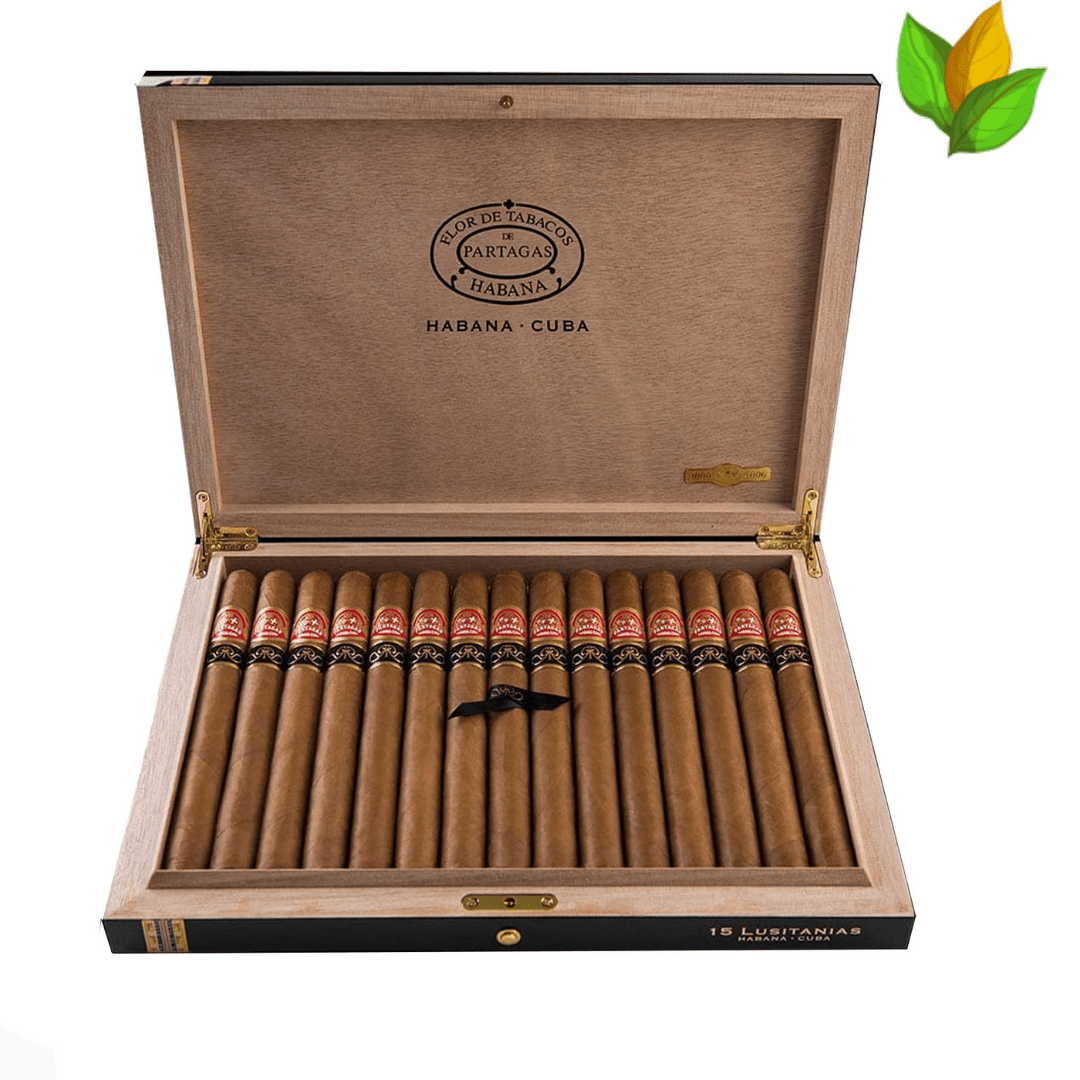
This wasn’t just another Cuban cigar. What I held was one of only 75,000 cigars ever made from this specific harvest – the Partagas Lusitanias GR Cosecha 2007. Released in 2013 after five years of careful aging, each stick represents a piece of Cuban tobacco history. The Lusitanias Gran Reserva Cosecha 2007 comes from select leaves harvested in 2007 from the legendary Vuelta Abajo region, where ligero leaves from San Juan y Martinez meet seco leaves from San Luis in perfect harmony.
I’ve smoked my fair share of powerful cigars over the years, but this particular expression left an impression that still lingers. Let me walk you through exactly what makes this cigar so special – and whether it deserves a place in your humidor.
Flavor Profile: A Journey Through Cuban Terroir
The moment you light up the Lusitanias Gran Reserva, you’re greeted with an immediate rush of complexity that honestly caught me off guard. The opening third delivers classic Partagás earthiness, but it’s remarkably free of the harsh edges I sometimes encounter with younger Cuban tobacco. Instead, there’s this beautiful marriage of rich soil and aged leather that coats your palate.
What struck me most in those first few puffs were the subtle cocoa notes dancing beneath the more dominant earth tones. The pepper comes through, sure – this is Partagás, after all – but it’s refined, integrated. Not the sharp bite that makes you wince, but a warm spice that adds depth without overwhelming your senses. The five years of aging really show here, smoothing out what could have been bitter tannins into something far more sophisticated.
Moving into the middle third, the flavor profile shifts beautifully. The earth notes become more prominent, with cedar joining the party. I picked up hints of dark chocolate and coffee that weren’t present in the opening, creating layers that kept me engaged puff after puff. The smoke remained cool and creamy throughout, a testament to the construction quality. Some reviewers have called this blend one-dimensional, but I respectfully disagree – if you’re patient and pay attention, the subtle evolution is definitely there.
The final third is where this cigar truly shines. Everything comes together in a crescendo of flavor that ends beautifully without turning harsh or bitter. The leather notes intensify, the spice builds to a satisfying crescendo, and there’s this lingering sweetness that makes you immediately want to light another. It’s not bitter like some full-strength Cuban cigars can become in the final inches – instead, it maintains its dignity all the way to the nub.
Construction and Appearance
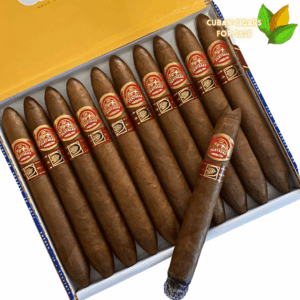
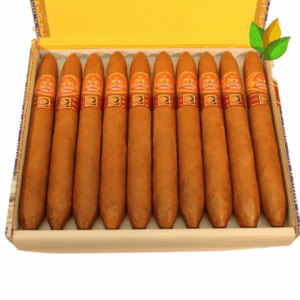
Visually, this cigar commands respect before you even remove it from the box. The wrapper is gorgeous – a smooth, light brown Colorado shade with minimal veining and just the right amount of oil. It feels substantial in your hand at 17.86 grams, and the construction is arrow-straight with perfect proportions. This is handmade using tobacco from the most prestigious growing regions in Cuba, and it shows in every detail.
The cold draw reveals subtle hints of what’s to come – earth, leather, and a touch of spice. Nothing too intense, but enough to build anticipation. Once lit, the draw is smooth and effortless, though I did experience some minor burn issues that required a touch-up or two. The ash starts chalk-white and holds well for the first inch or so before requiring attention.
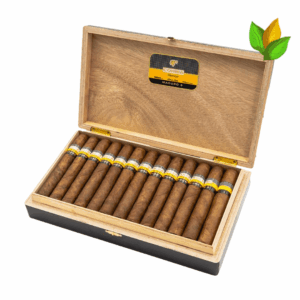
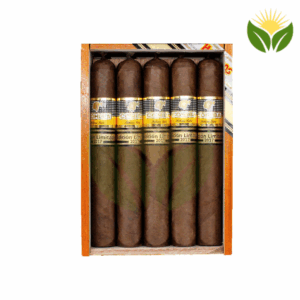
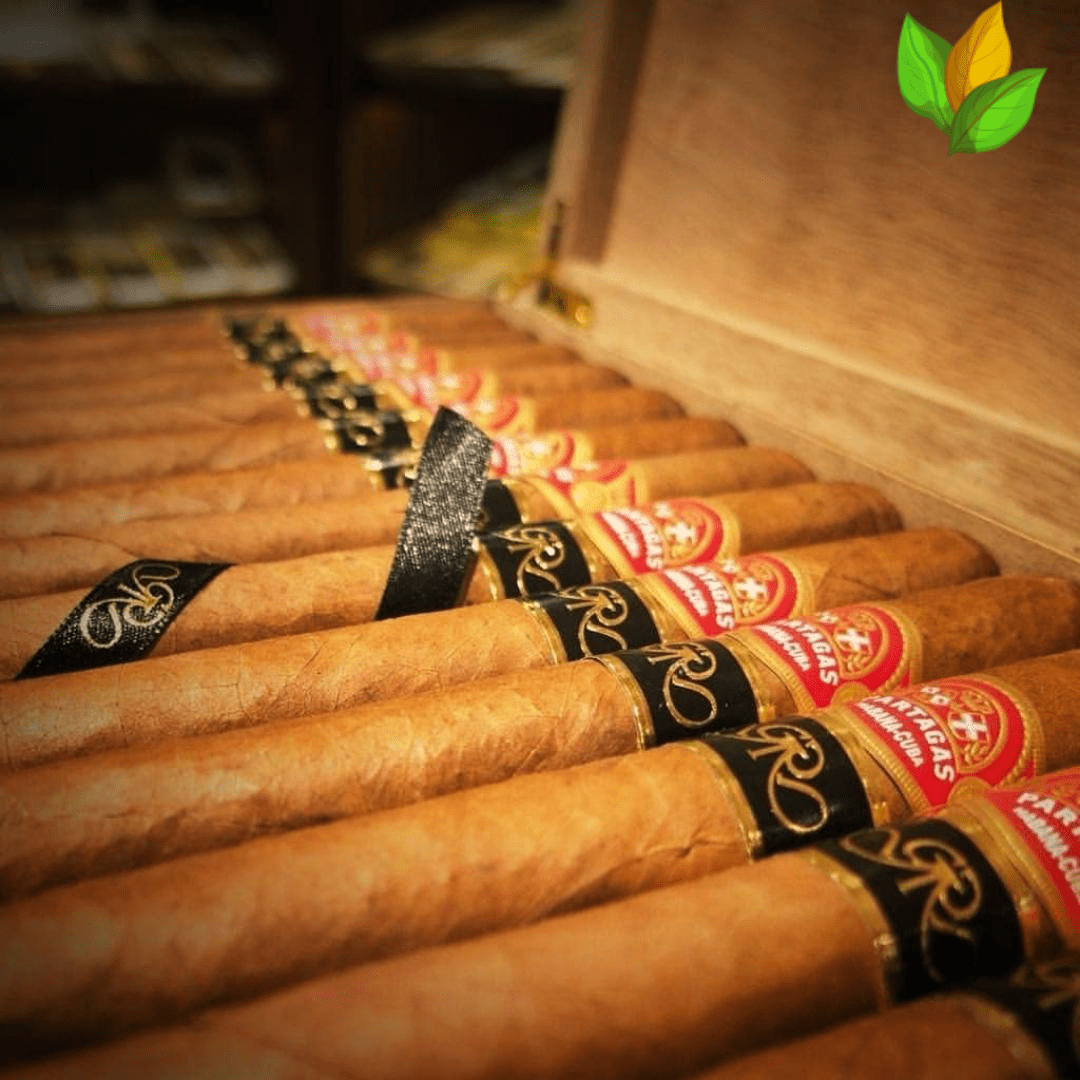
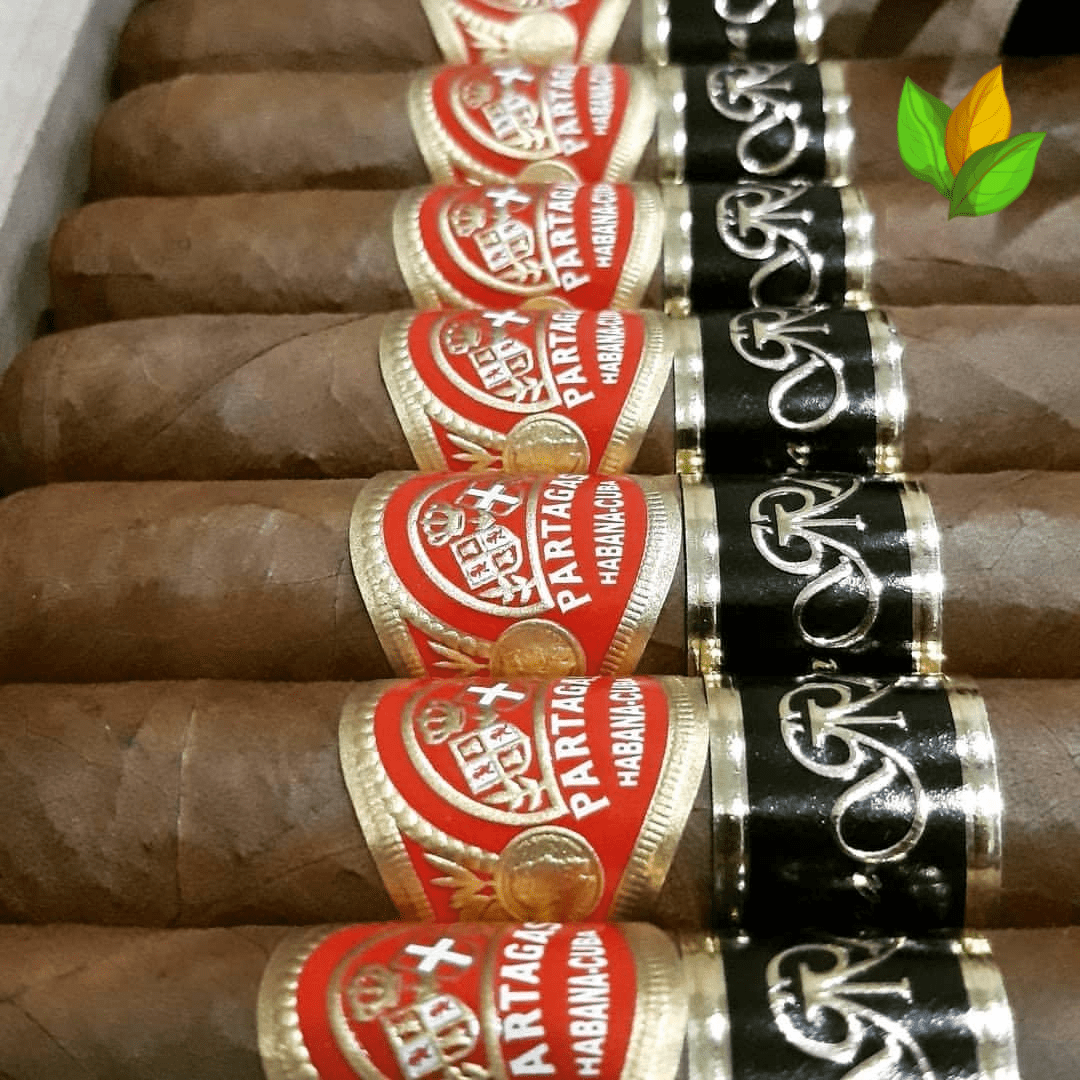
The bands deserve special mention – they’re beautifully crafted with QR codes on the back for authentication. The attention to detail extends to the packaging, with each cigar coming from one of only 5,000 individually numbered black lacquered boxes containing 15 cigars each. When you’re investing in a cigar at this level, presentation matters, and Habanos delivered.
Technical Specifications
| Specification | Details |
|---|---|
| Length | 194mm (7⅝ inches) |
| Ring Gauge | 49 (19.45mm diameter) |
| Weight | 17.86 grams |
| Vitola | Lusitanias (Prominentes/Double Corona) |
| Strength | Medium-Full to Full |
| Smoking Time | 48-70 minutes |
| Production | 5,000 numbered boxes (75,000 total cigars) |
| Release Year | 2013 (aged 5 years from 2007 harvest) |
Who Should Smoke This Cigar
Let me be straight with you – this isn’t a beginner’s cigar. The Partagas Lusitanias Gran Reserva Cosecha 2007 is rated at medium-full to full strength, and it delivers on that promise. If you’re new to Cuban cigars or prefer milder smokes, you might want to work your way up to this one. I’ve seen newcomers get overwhelmed by the intensity, and at this price point, that’s not a mistake you want to make.
This is a cigar for the experienced smoker who appreciates complexity and has the patience to let a premium Cuban reveal itself slowly. If you’re someone who rushes through cigars or smokes while multitasking, you’ll miss the nuances that make this special. Set aside a solid hour to ninety minutes, find a comfortable spot, and give this smoke the attention it deserves.
It’s perfect for special occasions – celebrations, milestones, or those rare moments when you want to treat yourself to something truly exceptional. I’ve shared these with fellow aficionados during memorable evenings, and they consistently rate among the most impressive cigars in anyone’s rotation. The limited production numbers mean you’re experiencing something relatively few people ever will.
Perfect Pairings for Maximum Enjoyment
The rich, earthy profile of this Gran Reserva pairs beautifully with aged spirits. I’ve found that a quality Cuban rum – something like Havana Club 15 or Santiago de Cuba 25 – complements the tobacco perfectly. The rum’s sweetness balances the cigar’s earthiness while the aged complexity matches the sophistication of the blend.
For whiskey lovers, I’d recommend a peated Scotch like Lagavulin 16 or a rich bourbon such as Blanton’s Single Barrel. The smoke from the whiskey echoes the tobacco’s complexity, while the spirit’s warmth amplifies the cigar’s spice notes. I’ve also enjoyed this pairing with a well-aged cognac – the grape-based spirit’s fruit notes provide an interesting contrast to the earth and leather.
Coffee enthusiasts shouldn’t overlook espresso as a pairing option. A strong Cuban coffee or a dark roast with chocolate notes enhances the cocoa undertones in the cigar while the caffeine keeps your palate alert to the subtle flavor transitions. For wine drinkers, a full-bodied Cabernet Sauvignon or a rich Port can stand up to the cigar’s intensity.
Whatever you choose, avoid anything too light or delicate – this cigar has presence, and your pairing should match that intensity.
Proper Storage and Aging Potential
These cigars have already been aged for five years before release, but they continue to develop beautifully with additional time. I store mine at 65-68% relative humidity and 65-70°F, which I’ve found preserves the wrapper’s oils while preventing any risk of beetle issues. The proper storage techniques are crucial at this price point – you don’t want to lose cigars this valuable to improper conditions.
I’ve noticed that these cigars continue evolving even years after purchase. The ones I smoked immediately after buying showed more pepper and earth, while those I kept for an additional two years developed greater smoothness and more pronounced chocolate notes. If you can afford to buy multiples, I’d recommend trying one fresh and aging the others.
Temperature stability is just as important as humidity. Avoid storing these anywhere that experiences significant temperature swings – basements, attics, or anywhere near heating/cooling vents. A quality desktop humidor or dedicated wine fridge converted for cigars works well. Given the investment, consider a properly calibrated humidor setup with reliable monitoring equipment.
The black lacquered boxes these come in aren’t ideal for long-term storage – they look beautiful but don’t breathe like traditional cedar boxes. Transfer them to your humidor for optimal aging, but keep the original packaging for provenance and potential resale value.
Cutting and Lighting Technique
With a 49 ring gauge, this cigar gives you options for cutting. I prefer a straight cut about 2mm from the cap, which provides excellent draw while preserving the cigar’s structural integrity. A sharp cutter is essential – ragged cuts can unravel the wrapper, and at this price point, that’s heartbreaking.
For lighting, take your time. I use a butane torch lighter, keeping the flame about an inch away from the foot while slowly rotating the cigar. The goal is even charring across the entire foot before taking your first draw. Rush this process and you’ll get an uneven burn that persists throughout the smoke. Once the foot is evenly charred, take slow, gentle puffs while continuing to rotate the cigar.
The first few puffs should be light – you’re establishing the burn, not trying to produce massive clouds of smoke. I’ve found these cigars respond well to patient lighting and reward you with consistent burn and optimal flavor development. Keep your draws about 30-45 seconds apart to avoid overheating the tobacco. Learn more about proper Cuban cigar techniques to get the most from your investment.
Authentication: Avoiding Counterfeits
With cigars this valuable and limited, counterfeits are unfortunately common. The authentic Partagás Lusitanias Gran Reserva Cosecha 2007 comes in numbered black lacquered boîte nature boxes – if someone’s selling individual cigars or they’re in different packaging, walk away. Each box should have a holographic seal and unique serial number.
The bands feature QR codes that can be verified through official Habanos channels. The printing should be crisp and precise, with no bleeding or fuzzy edges. Fakes often have poor band quality – colors that are too bright or too dull, text that’s slightly off, or holograms that look cheap.
Physical inspection is crucial. Authentic cigars should have consistent color and minimal veining, with caps applied smoothly and evenly. The tobacco should feel firm but not hard, with no soft spots or lumps. The foot should show well-constructed, evenly packed long-filler tobacco. If you’re seeing short filler or inconsistent packing, it’s likely counterfeit.
Buy only from reputable dealers with established relationships to Cuban distributors. Authorized retailers will provide proper documentation and stand behind their products. If a deal seems too good to be true – especially online – it probably is. The investment in authenticity is worth it when dealing with cigars of this caliber and rarity.
Frequently Asked Questions
How much should I expect to pay for a Partagás Lusitanias Gran Reserva Cosecha 2007?
Prices vary significantly based on location and retailer, but expect to pay premium pricing for this limited release. Individual cigars typically range from $80-150 or more, with full boxes commanding even higher premiums due to scarcity. The investment reflects both the quality of aged Cuban tobacco and the limited production of only 5,000 boxes worldwide.
How does this compare to regular Partagás Lusitanias?
The Gran Reserva version uses tobacco aged an additional five years beyond the standard release, resulting in significantly more complexity and smoothness. While regular Lusitanias deliver classic Partagás power and earth, this 2007 cosecha offers more refined flavors with better integration of the various tobacco leaves. The difference is immediately noticeable to experienced smokers.
Should I age these further or smoke them now?
Both approaches have merit. These cigars are ready to smoke and deliver exceptional flavor immediately, having already been aged five years before release. However, additional aging continues to develop the blend – I’ve found 2-3 more years softens the pepper notes and enhances the chocolate undertones. If you can afford multiples, try one now and age the rest.
What makes Gran Reserva releases special compared to regular production?
Gran Reserva cigars represent Habanos S.A.’s premium tier, using carefully selected tobacco aged longer than standard releases. The tobacco selection process for these releases focuses on leaves from the finest areas of the Vuelta Abajo region, with master blenders choosing only the best leaves from specific harvests. Limited production numbers ensure exclusivity and quality control.
How long can I store these cigars and will they continue improving?
Properly stored Cuban cigars can age beautifully for decades. These Gran Reserva cigars have excellent aging potential due to their premium tobacco and construction quality. I’ve smoked examples with 5+ additional years of aging that showed remarkable development – increased smoothness, more complex flavor integration, and enhanced sweetness. Store them properly and they’ll continue rewarding patience with improved complexity.