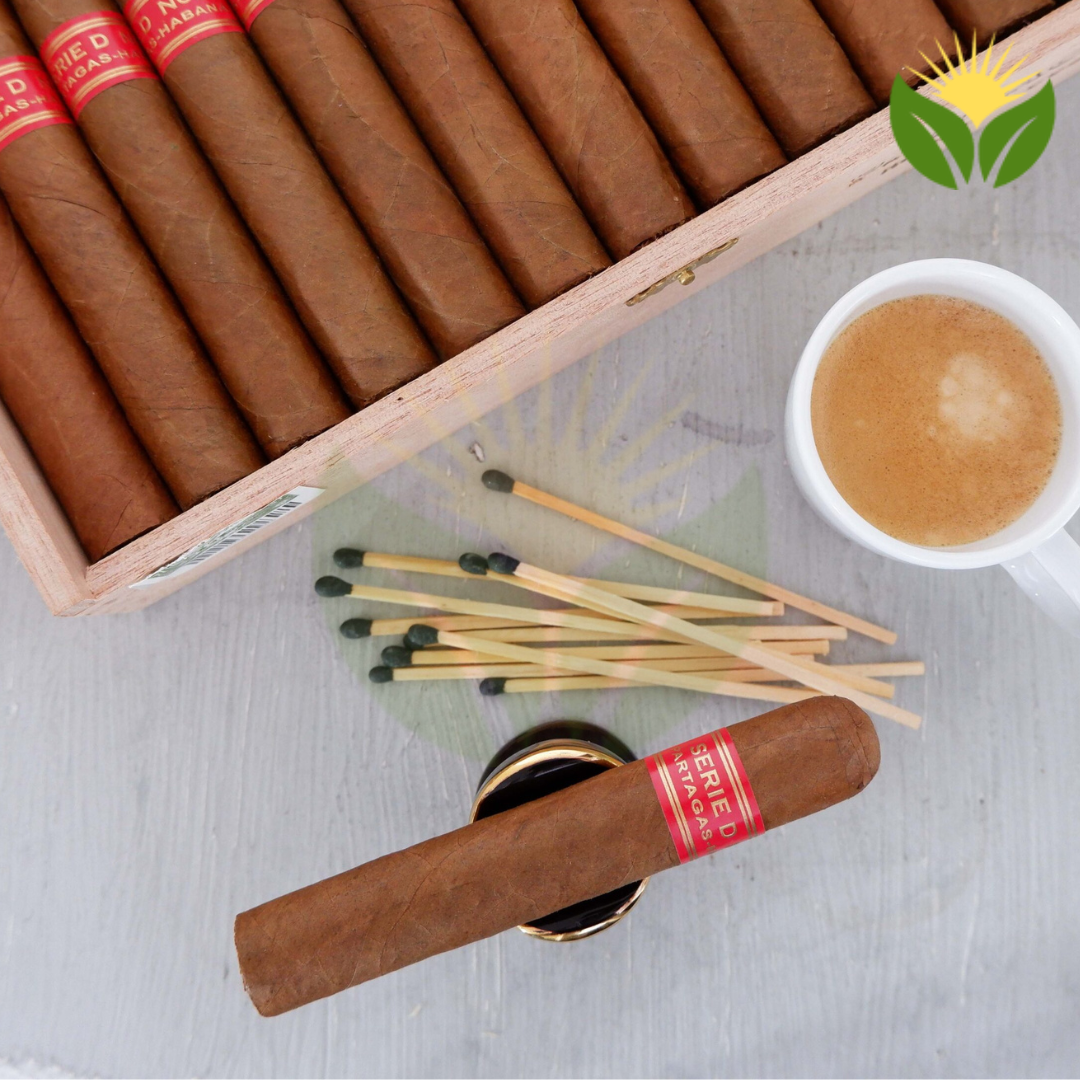
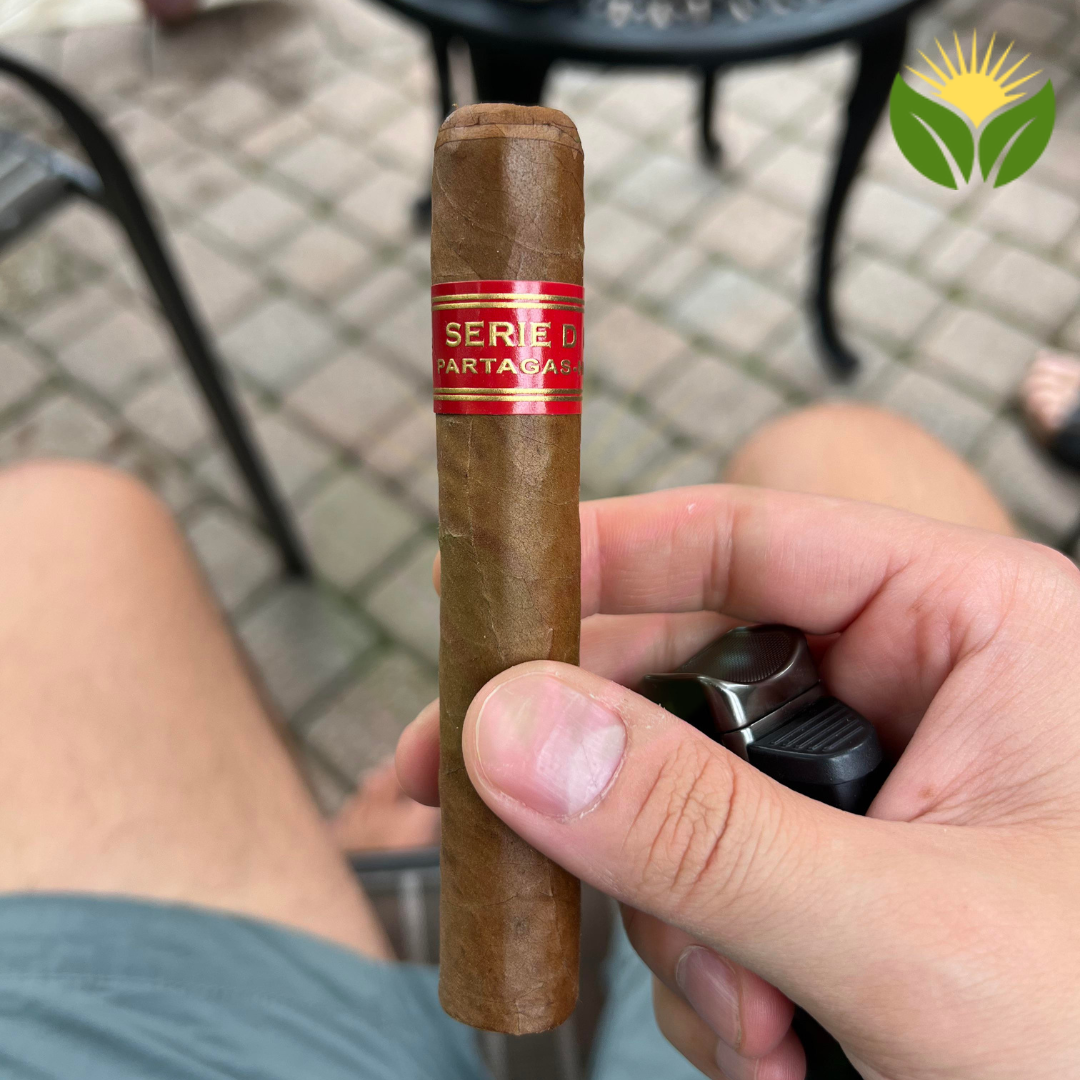

Description
The Robusto That Changed Everything
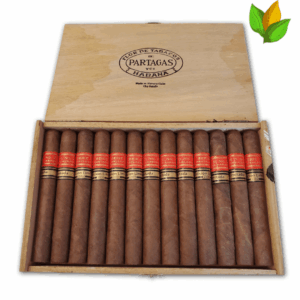
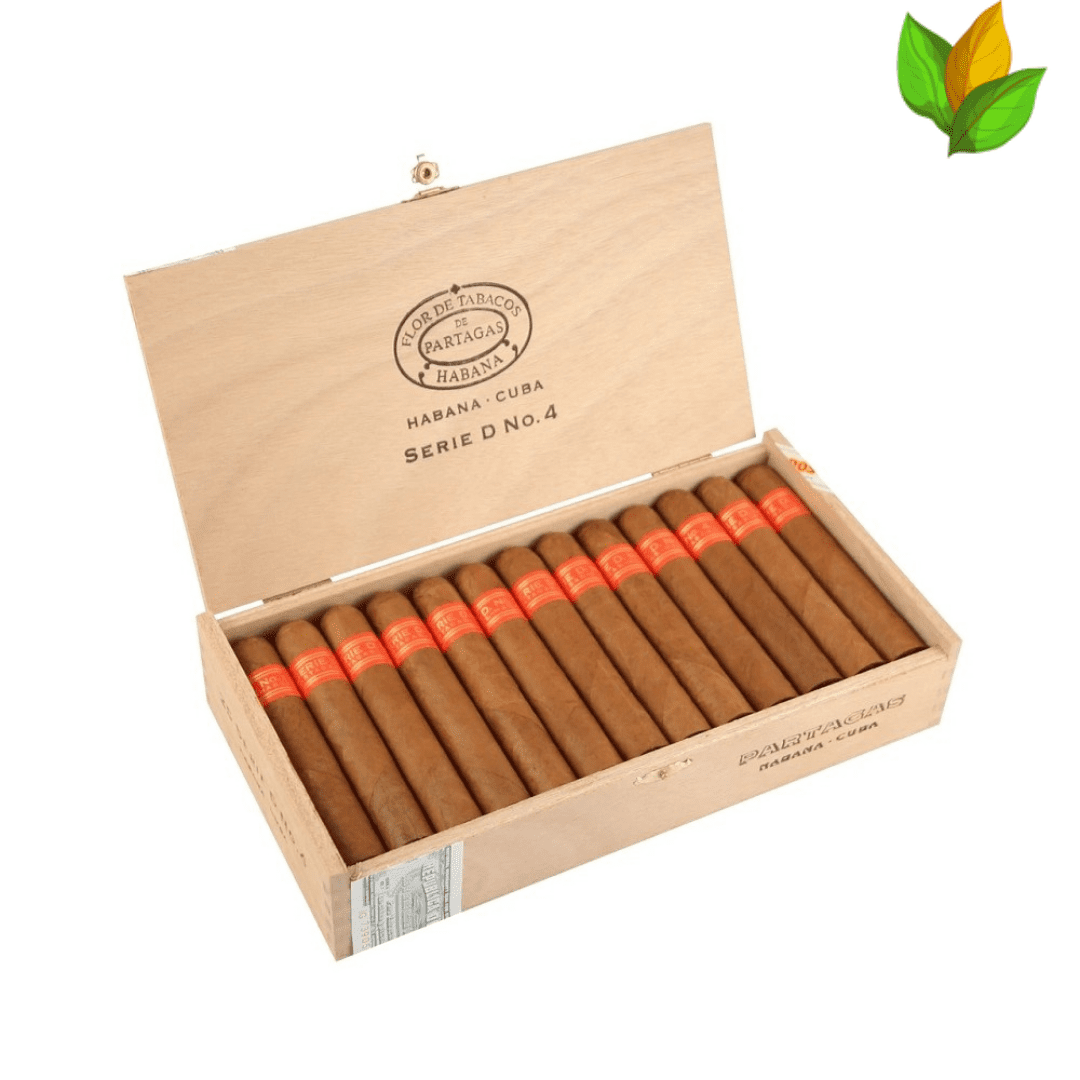
Look, I’ve been smoking Cuban cigars since the mid-90s, and if someone held a gun to my head and said I could only smoke one Robusto for the rest of my life, the Partagas D4 would be in my top three. No joke. This isn’t some fancy limited edition that gets all the hype – it’s a regular production cigar that quietly delivers one of the most satisfying smoking experiences you can get from Cuba. And here’s the thing: while everyone’s chasing the latest Behike or drooling over aged Cohiba Esplendidos, the D4 just sits there being excellent, consistent, and criminally underrated.
What you’re about to read isn’t marketing fluff. I’m going to tell you exactly what this cigar delivers, who it’s for (and who it’s not for), and why it deserves a permanent spot in your humidor. Between you and me, I think the Partagas Serie D line represents some of the best smoking value – wait, I’m not supposed to talk about price – let me rephrase: some of the most reliable satisfaction coming out of Cuba right now.
What Makes the Partagas D4 Special
Partagas as a brand has been around since 1845, which means they’ve had plenty of time to figure things out. The factory – Real Fábrica de Tabacos Partagás – sits right in Havana, and you can smell the tobacco from blocks away. I remember visiting in 2006 and – anyway, that’s a tangent. Point is, this brand has history.
The D4 is part of the Serie D line, and it occupies this sweet spot that makes it accessible for newer Cuban cigar smokers while still being complex enough that veterans keep coming back. It’s a Robusto format, which I’ll get into specifications in a minute, but what makes it special is the blend. Thing is, Partagas uses tobacco from the Vuelta Abajo region – the Napa Valley of Cuban tobacco, if you want to be cheesy about it – and they’re not shy about using stronger ligero leaves in the filler.
This is a cigar for people who want flavor. Not just nicotine strength (though it’s got that too), but actual complexity. Cedar, earth, coffee, pepper, cocoa – they’re all there, and they evolve as you smoke. I’ll be honest: this isn’t a morning cigar for most people. This is an after-lunch or evening smoke, something you pair with a strong espresso or a glass of aged rum. If you’re looking for a mild Connecticut wrapper experience, keep walking. But if you want a cigar that reminds you why Cuban tobacco is still the gold standard, hear me out.
| Specification | Details |
|---|---|
| Vitola | Robusto (D4) |
| Length | 4.9 inches / 124 mm |
| Ring Gauge | 50 |
| Wrapper | Cuban (Vuelta Abajo) |
| Binder | Cuban |
| Filler | Cuban blend (Vuelta Abajo ligero and seco) |
| Strength | Medium to Full |
| Smoking Time | 60-90 minutes |
The Smoking Experience: What Actually Happens When You Light It
Okay, so here’s where I get into the actual experience. The cold draw – before you even light this thing – gives you hints of what’s coming. There’s a barnyard earthiness (in a good way), some cedar, and if the cigar has been properly stored, a sweetness that promises good things.
The first third hits differently depending on the age of the cigar, and this is important. A fresh D4 – meaning straight from Cuba or with just a few months of aging – can be pretty aggressive. You get pepper right away, that characteristic Partagas earthiness, and a strength that lets you know this isn’t playing around. But if you’ve got patience (and I genuinely don’t understand why more people don’t age these), give it two years or more in your humidor at around 65% humidity, and something magical happens. The pepper mellows, the cedar comes forward, and this creamy texture develops that makes the whole experience smoother without losing any complexity.
I remember smoking a five-year-old D4 at a lounge in Miami, and – wait, let me back up. That creaminess I mentioned? It’s not like a Connecticut mild cigar creamy. It’s more like… the tobacco integrates with itself better. The harsh edges round off. You still get that Partagas DNA – the earth, the strength – but it’s refined.
Moving into the second third, this is where the D4 really shows its personality. The pepper from the first third settles down (unless you’re smoking a young one, then hold on tight), and you start getting coffee notes. Not generic “coffee” – I mean specifically that dark roasted Cuban coffee flavor, almost espresso-like with a slight bitterness that works perfectly with the natural tobacco sweetness. Cedar becomes more prominent here too. And cocoa. There’s a cocoa note that weaves in and out that some people miss if they’re smoking too fast.
Here’s the thing about construction: Partagas generally has their quality control figured out. I’ve smoked dozens of D4s over the years, and maybe 90% of them have had perfect draws and even burns. The ash holds for an inch or more, usually with that nice tight pattern that tells you the bunch was rolled properly. Are there occasional duds? Sure. Cuba isn’t a factory with robot rollers. But the consistency is honestly impressive for regular production Habanos.
The final third is where the strength really comes home. Real talk: if you’re not an experienced cigar smoker, you might want to put this down with an inch and a half left. The nicotine catches up with you, and combined with the concentration of flavors as you get toward the nub, it can be intense. But if you can handle it – and I think most people who’ve been smoking cigars for a while can – the finish is spectacular. The pepper comes back, but it’s joined by leather notes and a sweetness that almost tastes like dried fruit. I think it was last winter? I retrohaled the final third of an aged D4 and got this incredible aroma of cedar and spice that lasted for minutes after I put it down.
Burn time runs about 60 to 90 minutes depending on how fast you smoke. I’m a slow smoker – one puff every minute or so – and I usually get close to 90 minutes from a D4. If you’re the type who puffs constantly, you’ll finish faster, but you’ll also miss some of the subtlety and probably overheat the cigar.
How the D4 Stacks Up Against the Competition
| Cigar | Strength | Smoking Time | Best For |
|---|---|---|---|
| Partagas D4 | Medium-Full | 60-90 min | Experienced smokers wanting complexity and strength with refinement |
| Bolivar Royal Corona | Full | 60-75 min | Those who want more raw power and earthiness without the creamy notes |
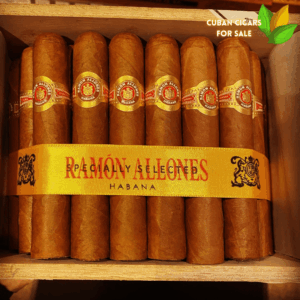
| Ramon Allones Specially Selected | Medium-Full | 70-90 min | Similar strength but sweeter profile, less pepper |
| Hoyo de Monterrey Epicure No. 2 | Medium | 60-80 min | Robusto lovers wanting similar format but lighter, more delicate flavors |
The comparison table above tells part of the story, but let me expand on this because it matters. The Bolivar Royal Corona is the cigar people compare to the D4 most often. Both are iconic Cuban Robustos, both have serious strength, but they’re different animals. The Bolivar is more… untamed? It’s earthier, more aggressive, and lacks some of the refinement that the D4 brings. Not gonna lie, I reach for the Bolivar when I want to be punched in the face (in a good way). I reach for the D4 when I want to actually think about what I’m tasting.
The Ramon Allones Specially Selected is closer in character – it’s from the same family of brands (Partagas, Ramon Allones, and Bolivar share some DNA) – but it’s sweeter, more aromatic. If the D4 is coffee and earth, the RASS is more like coffee with cream and a hint of vanilla. Both excellent, just different moods.
What to Drink With Your D4
Pairing cigars is personal, and anyone who tells you there’s only one right answer is selling something. But here’s what I’ve found works consistently with the Partagas D4.
Coffee is the obvious choice. A strong Cuban espresso or a dark roast Americano complements the coffee notes in the cigar and can actually bring out the cocoa flavors more prominently. I’m probably biased here because that’s my go-to afternoon combination – actually, scratch that, I’m definitely biased.
Rum is the other classic pairing. Specifically aged rum – think Havana Club 7 Year or Flor de Caña 12. The sweetness from the rum plays against the earthy pepper of the cigar, and if you sip slowly, alternating between the cigar and the rum, the flavors build on each other. Whisky works too, but I’d go for something with sweetness – a bourbon or a sweeter scotch like Glenfiddich. Islay scotches can overpower the cigar, and that seems like a waste of both.
Time of day matters more than people think. This is an afternoon or evening cigar. Smoke this in the morning on an empty stomach and you might regret it. The nicotine content is no joke. Late afternoon after a good lunch, or evening with a drink – that’s the sweet spot. Occasions? This is a celebration cigar for me. Poker night with friends. End of a successful project at work. That kind of thing. It’s not so fancy that you feel precious about smoking it, but it’s special enough that lighting one up feels like marking an occasion.
Aging and Storage: Time Makes These Better
Look, I’m going to say something controversial: fresh Partagas D4s can be harsh. There, I said it. If you buy a box fresh from Cuba or from a retailer who just got them in, they can be peppery to the point of being aggressive. And I know some aficionados will disagree with me on this, but I think D4s need time.
The sweet spot for aging, in my experience, is 2-5 years. At two years, the pepper has calmed down significantly and the cedar and creamy notes come forward. At five years, you’re getting into territory where the cigar becomes genuinely elegant while retaining its strength. I’ve smoked D4s with 10+ years of age, and they were spectacular – the tobacco darkens, the flavors concentrate, and there’s this honeyed sweetness that develops – but you don’t need to wait that long to enjoy them.
Storage is critical with Cuban cigars, and the D4 is no exception. Keep them at 62-65% humidity. Any higher and you risk the wrapper getting too moist and the burn becoming problematic. Any lower and they dry out, the wrapper cracks, and you lose some of the oils that carry flavor. Cedar-lined humidors work great with these since the natural cedar notes in the cigar complement the storage environment.
Here’s something most people don’t talk about: box codes matter. Cuban cigars vary from box to box depending on when they were rolled and which specific tobacco crop was used. The box code (stamped on the bottom of the box) tells you the factory and date. I’ve had D4s from different years that smoked noticeably different. It’s part of the charm of Cuban cigars, honestly – they’re not factory-consistent like Dominican or Nicaraguan cigars. But it also means if you find a box that smokes particularly well, note that box code and try to find others from the same period.
The Limited Edition Question
Partagas has released several limited edition cigars over the years, and while the D4 itself isn’t a limited edition, it’s worth mentioning in context. The regular production D4 is, in my opinion, a better value than most limited releases. And I know that’s not what the collectors want to hear, but there it is.
Limited editions from Partagas – like the Serie E No. 2 or the Lusitanias – they’re excellent cigars. But they’re also expensive and hard to find, and the actual smoking experience isn’t necessarily better than a well-aged D4. Sometimes the limited edition bands and fancy boxes are just that – fancy packaging. The D4 in its simple dress box delivers the goods without the ceremony.
That said, if you love the D4 profile and want to explore the Partagas line, the Serie D No. 5 (which is smaller), No. 6 (smaller still), and the Serie E No. 2 (larger) are all worth trying. They share similar DNA but the different sizes give you different smoking times and slightly different expressions of the blend.
What strength is the Partagas D4 really?
The D4 sits solidly in the medium-full to full strength category, but it depends on age. A fresh D4 can be quite strong – full-bodied with aggressive pepper and a nicotine kick that hits you in the final third. With 2-5 years of aging, it mellows to a more comfortable medium-full where you still get the strength and complexity but without the harshness. Not a beginner cigar by any means, but experienced smokers should have no issues with it, especially if they’ve had a meal first.
How long should I age Partagas D4 cigars before smoking?
Minimum two years if you want them at their best, though you can certainly smoke them fresh if you don’t mind the pepper and strength. The sweet spot is 2-5 years of proper storage at 62-65% humidity. During this time, the pepper mellows, the cedar and cocoa notes become more prominent, and a creamy texture develops. I’ve had D4s with 10+ years of age that were incredible, but you’ll see significant improvement even at the two-year mark. Be patient with these – it’s worth it.
What flavors should I expect from a Partagas D4?
The core flavor profile centers around earth, cedar, coffee, and pepper. In the first third, you’ll get pepper and earth dominating, with cedar in the background. The second third brings forward dark coffee notes (think Cuban espresso), more cedar, and cocoa undertones. The final third intensifies everything with pepper returning, leather notes appearing, and sometimes a dried fruit sweetness. With age, a creamy texture develops that ties everything together. The aroma on the retrohale gives you cedar and spice, and the aftertaste lingers with coffee and tobacco sweetness.
How does the D4 compare to the D5 and D6 in the Partagas Serie D line?
The D4 is the classic 50 ring gauge Robusto with about 60-90 minutes of smoking time. The D5 is a smaller format – same blend but 4.3 inches by 50 ring gauge – giving you about 45-60 minutes and slightly less intensity. The D6 is even smaller at 3.5 inches by 50 ring gauge, perfect for a 30-40 minute smoke. They all share the Partagas Serie D character – earth, coffee, pepper, cedar – but the smaller sizes are slightly less intense and better for shorter smoking sessions. The D4 remains the most popular because it gives you the full experience without being a huge time commitment.
Are Partagas D4 cigars consistent box to box?
More consistent than most Cuban cigars, but not perfect. I’ve smoked D4s from probably 20+ different boxes over the years, and quality control is generally excellent. Maybe 90% have perfect construction, even burns, and good draws. That said, Cuban cigars vary more than Dominican or Nicaraguan cigars because they’re all hand-rolled using natural crop variations. Box codes (stamped on the bottom) can help – some rolling periods produce better cigars than others. If you find a particularly good box, note the code and look for similar dates. But overall, the D4 is one of the more reliable regular production Habanos you can buy.
What’s the best way to store Partagas D4 cigars?
Keep them at 62-65% relative humidity in a cedar-lined humidor if possible. Temperature should be around 65-70°F. The lower humidity range (62-65%) works better for Cuban cigars than the traditional 70% that some people recommend – you get better burns and less risk of the wrapper becoming too oily. If you’re aging them long-term, which I strongly recommend with D4s, check on them every few months and rotate the boxes. The cedar environment complements the natural cedar notes in the tobacco. And give them at least 30 days to rest after shipping before you smoke them – let them acclimate to your humidor conditions.
Is the Partagas D4 a good cigar for beginners?
Honestly? No, not really. The strength and nicotine content can overwhelm newer smokers, especially in the final third. If you’re new to cigars, I’d recommend starting with something milder like a Hoyo de Monterrey Epicure No. 2 or a H. Upmann Half Corona, then working your way up. That said, if you’re an experienced smoker of non-Cuban cigars and want to try your first Cuban Robusto, a well-aged D4 (3+ years) could work. Just make sure you’ve had a full meal first and have a sugary drink nearby in case the nicotine hits too hard. But beginners to cigars in general should start elsewhere.
Why the D4 Deserves Your Attention
Thing is, the cigar world is full of hype. New releases, limited editions, vintage this and rare that. And I’m not saying those cigars aren’t good – many of them are excellent. But the Partagas D4 represents something different. It’s a cigar that’s been in regular production for decades, that you can actually find and buy, and that delivers a genuinely world-class smoking experience without requiring you to hunt down some unicorn release from 1982.
If you appreciate strength with refinement, if you want coffee and cedar and pepper and earth all playing together in harmony, if you have the patience to age these for a couple years – the D4 is for you. It’s not the mildest cigar, it’s not the most delicate, but it’s confident in what it is. And what it is, when properly aged and stored, is one of the best Robustos coming out of Cuba.
I’ll be honest with you: I keep a box of D4s in my humidor at all times. They’re my go-to when I want something substantial, when the weather’s cool enough for a long smoke, when I’m celebrating something worth celebrating. They’ve earned their place in my rotation through consistency and quality, and I think they’ll earn their place in yours too.
Add a box to your humidor, stick them in the back, and forget about them for two years. Future you will thank present you. And if you absolutely can’t wait – if you buy some and need to smoke one now – at least have a good meal first and clear your afternoon. These aren’t cigars you smoke while checking your phone. They demand attention, and they reward it.