
Description
The morning fog was just lifting from the Plaza de Armas in Havana when I ducked into El Floridita, looking for a quiet corner to enjoy what locals call “la pequeña joya” – the little jewel. The bartender nodded knowingly as I pulled out a compact cigar barely four inches long, its colorado wrapper gleaming under the amber light filtering through the old windows. It wasn’t my first encounter with this particular gem, but something about that moment – the gentle hum of conversation, the aroma of Cuban coffee mixing with tobacco – made it perfect for what I was about to experience.
I’ve always been drawn to the smaller vitolas. There’s an intensity to them that larger cigars sometimes lack, a concentrated expression of the blender’s art. This one promised exactly that kind of focused delivery in a manageable timeframe.
Flavor Journey Through Three Acts
The opening draws revealed why this cigar has earned such devoted followers over the decades. Natural tobacco notes dominated initially, but not in an overpowering way. I picked up distinct coffee bean characteristics almost immediately, accompanied by a light spice that danced on my palate without overwhelming it. There were subtle hints of pistachio – an unusual note that I’ve come to appreciate in well-aged Cuban tobacco. Some cedar crept in around the edges, along with what I can only describe as toasted grain.
The middle third is where things got really interesting. The coffee notes deepened and began blending with rich cocoa undertones that reminded me of dark Venezuelan chocolate. Nuts became more prominent – not just the earlier pistachio hints, but a broader nuttiness that paired beautifully with emerging baking spices. I detected cinnamon most clearly, though there were other warm spices weaving through the smoke. A creamy texture developed that smoothed out any rough edges, while earthy undertones provided a solid foundation for all these flavors to build upon.
As I entered the final third, the complexity reached its peak. Those coffee notes I’d been enjoying transformed into something resembling a dark roast espresso, rich and slightly bitter in the best possible way. Berry notes emerged – subtle but unmistakable – alongside leather that added depth without heaviness. The chocolate turned more bitter and sophisticated, while woody notes supported the entire profile. There was a sweetness that ramped up toward the very end, with occasional fruit notes providing bright counterpoints to the earthier elements.
Construction and Craftsmanship
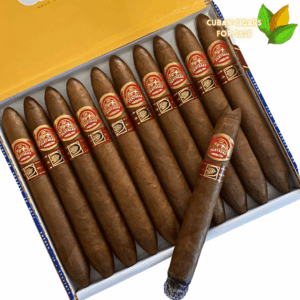
The wrapper on these cigars consistently impresses me. It’s a beautiful colorado shade – smooth and oily to the touch, with that characteristic sheen that indicates proper fermentation and aging. I’ve never encountered significant veins or blemishes on the samples I’ve smoked. The construction feels solid in hand despite the compact 102mm length, and the 40 ring gauge provides just enough girth for a satisfying draw without becoming unwieldy.
These are handmade cigars crafted from tobaccos grown in Cuba’s renowned Vuelta Abajo region. The attention to detail shows in every aspect, from the perfectly applied cap to the consistent density I feel when gently pressing the barrel. At 5.91 grams, they have a substantial feel that belies their diminutive stature.
The burn has been remarkably even in my experience. I’ve rarely encountered tunneling or other construction issues that can plague smaller vitolas when they’re not properly made. The ash holds well – typically in segments of about an inch – and displays that coveted light gray color with solid structure.
Technical Specifications
| Specification | Details |
|---|---|
| Length | 102mm (4 inches) |
| Ring Gauge | 40 |
| Vitola | Perla (Petit Corona) |
| Strength | Medium |
| Smoking Time | 20-40 minutes |
| Wrapper | Colorado Cuban |
| Weight | 5.91g |
Who Should Smoke This Cigar
Honestly, this is one of the most approachable cigars in the entire portfolio. The medium strength makes it suitable for both newcomers to Cuban cigars and experienced smokers who want something flavorful without being overwhelming. I’ve recommended it to friends who are just beginning their cigar journey, and they’ve consistently found it enjoyable rather than intimidating.
The compact size makes it perfect for those shorter smoking sessions. Maybe you’ve got 30 minutes before dinner, or you want something to accompany your morning coffee without committing to a two-hour smoke. Business travelers particularly appreciate having something this satisfying that won’t monopolize an entire evening.
I’ve found it works exceptionally well for special occasions when you want the prestige and flavor of a Cuban cigar but don’t have time for a larger vitola. It’s also an excellent choice for anyone building a humidor and wanting to include some of the smallest Cuban cigars available without sacrificing complexity or satisfaction.
Perfect Pairings
The coffee notes in this cigar make it a natural companion to Peruvian coffee, especially darker roasts that can stand up to the tobacco without being overshadowed. I’ve particularly enjoyed it with single-origin beans that have chocolate undertones – the synergy is remarkable.
For spirits, cognac remains the classic pairing. I prefer something in the VSOP range rather than the more expensive XO expressions, as you don’t want to overwhelm either the cigar or the spirit. Hennessy VSOP or Rémy Martin VSOP work beautifully. The fruit and spice notes in good cognac complement the berry and baking spice elements that emerge in the final third.
If you’re more of a whiskey drinker, I’ve had excellent results with Highland Scotch whiskies that have honey and fruit characteristics. Glenlivet 12 or Dalwhinnie 15 both provide enough sweetness to balance the earthier tobacco notes without competing with the cigar’s natural complexity.
Wine enthusiasts should consider a medium-bodied red with good tannin structure. I’ve enjoyed these cigars with Rioja reservas and well-aged Bordeaux blends. The key is finding wines with enough body to stand up to the tobacco while offering complementary rather than competing flavors.
Storage and Aging Considerations
These cigars respond beautifully to proper storage conditions. I maintain mine at 58% relative humidity and approximately 70°F (21°C). This might seem lower than what some people use, but I’ve found it prevents the draw from becoming too tight while preserving the oils that contribute to the complex flavor profile.
After purchasing, I always let them rest in my humidor for at least three weeks before smoking. This allows them to stabilize after any shipping stress and reach optimal moisture content. Proper storage techniques are crucial for maintaining the integrity of these smaller cigars, as they can dry out more quickly than larger vitolas.
Cedar-lined humidors work exceptionally well for aging these cigars. I’ve got a box that’s been in my humidor for over two years, and the flavor development has been remarkable. The woody notes become more pronounced with age, while the coffee and chocolate characteristics deepen and integrate more fully.
For those serious about aging, consider investing in a quality humidor setup that can maintain consistent conditions over the long term. The investment pays dividends when you taste how these cigars evolve with proper care.
Cutting and Lighting Technique
With a 40 ring gauge, you don’t have much room for error when cutting. I prefer using a sharp guillotine cutter and taking just enough cap off to create a clean opening without removing too much. The goal is to preserve the structure while allowing for an easy draw.
Double-cut techniques aren’t necessary here. One clean cut about 2mm from the cap usually provides the perfect opening. If the draw feels too tight after cutting, you can always remove a tiny bit more, but you can’t put it back once it’s gone.
For lighting, I always use cedar strips or a butane lighter – never matches with sulfur that can affect the initial flavors. The compact size means these cigars light quickly, so take your time with the toasting process. I like to hold the cigar at a 45-degree angle and slowly rotate it to ensure even ignition around the foot.
Once lit, puff slowly and deliberately. The smaller ring gauge means the tobacco can heat up quickly if you’re too aggressive, potentially creating harsh or bitter notes that mask the subtle complexities these cigars are known for.
Authenticity and What to Look For
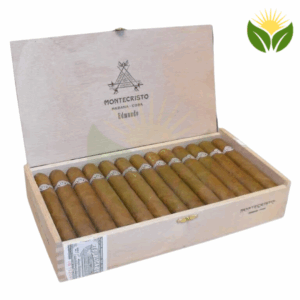
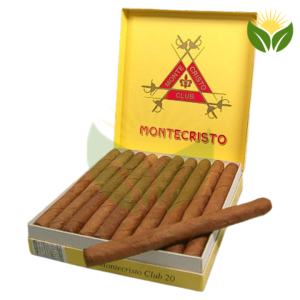
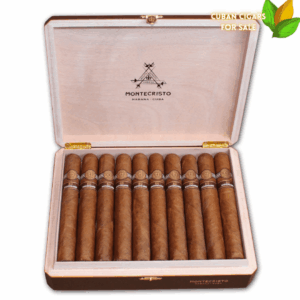
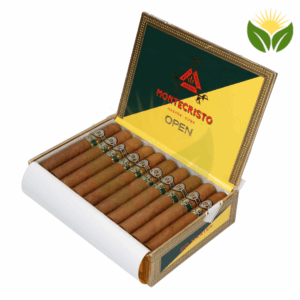
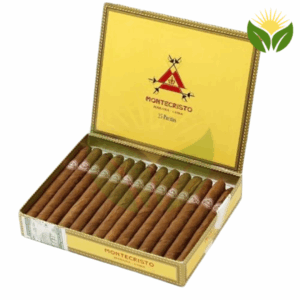
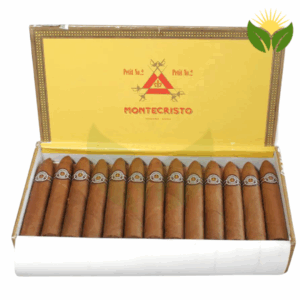
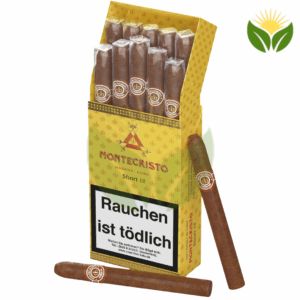
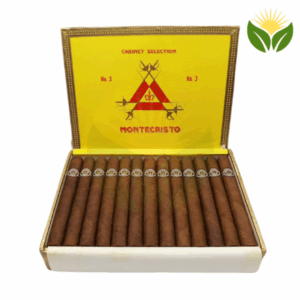
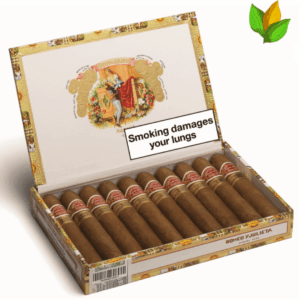
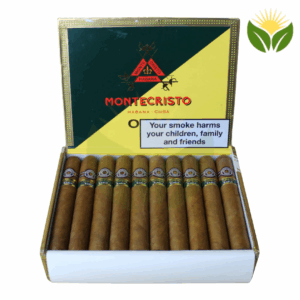
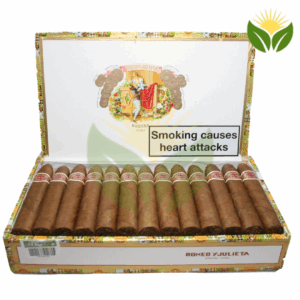
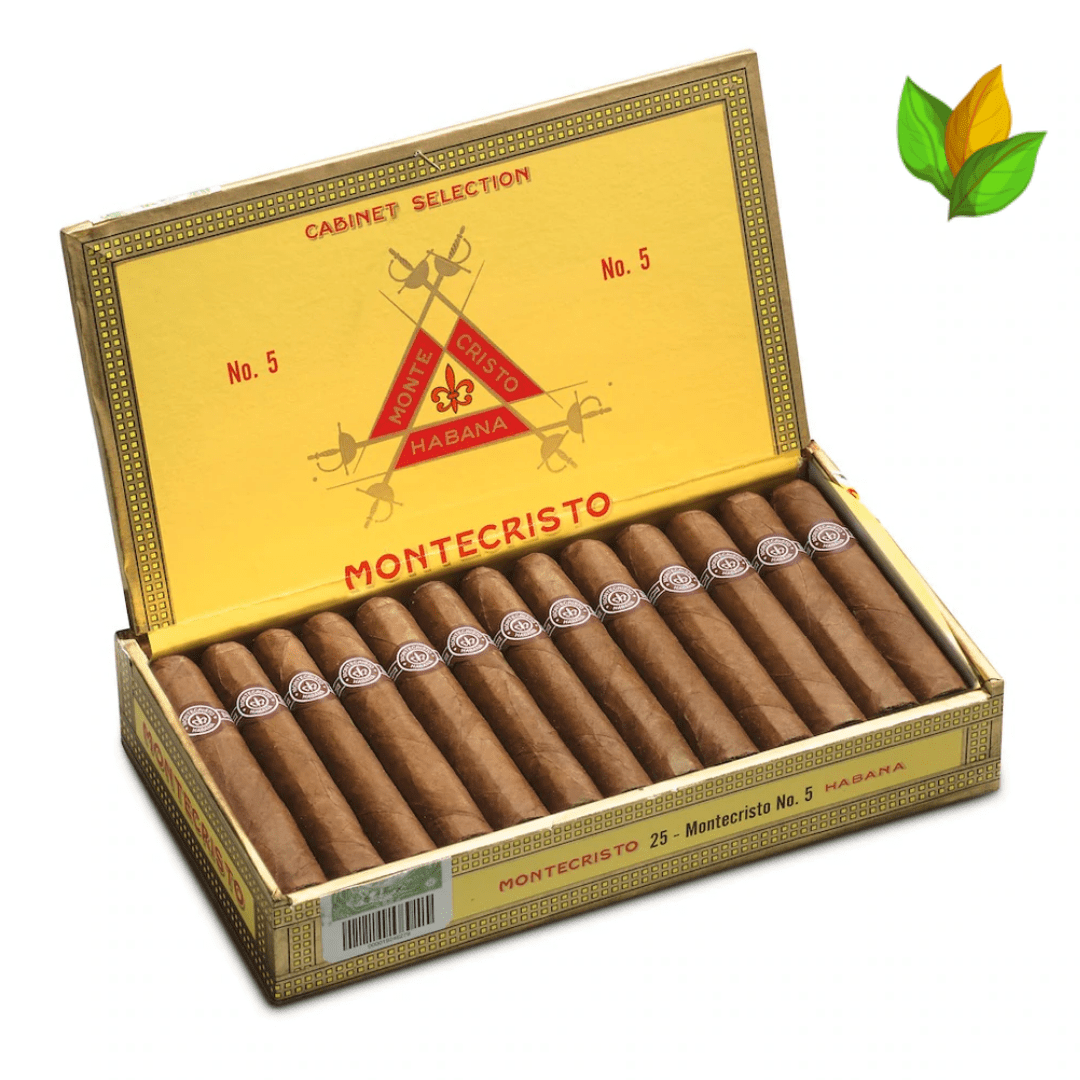
Unfortunately, the popularity of this particular cigar has made it a target for counterfeiters. Authentic examples come with standard Habanos bands and are packaged in either display boxes of 25 (arranged in 5 packs of 5) or dress boxes containing 10 or 20 cigars. The tubos format is also available and can be easier to authenticate due to the additional packaging elements.
When examining the cigars themselves, look for that consistent colorado wrapper I mentioned earlier. Authentic examples should feel substantial for their size – that 5.91-gram weight is a good benchmark. The construction should be firm but not hard, with no soft spots or overly dense areas that could affect the draw.
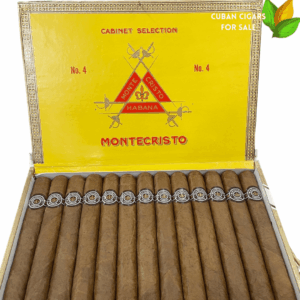
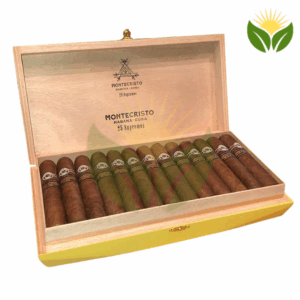
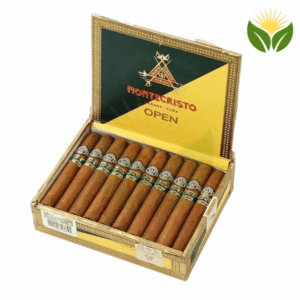
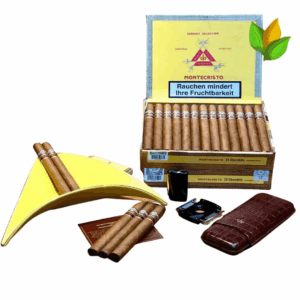
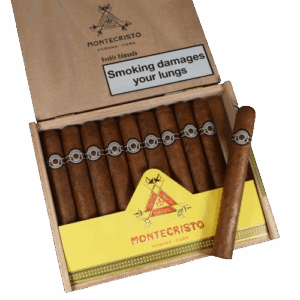
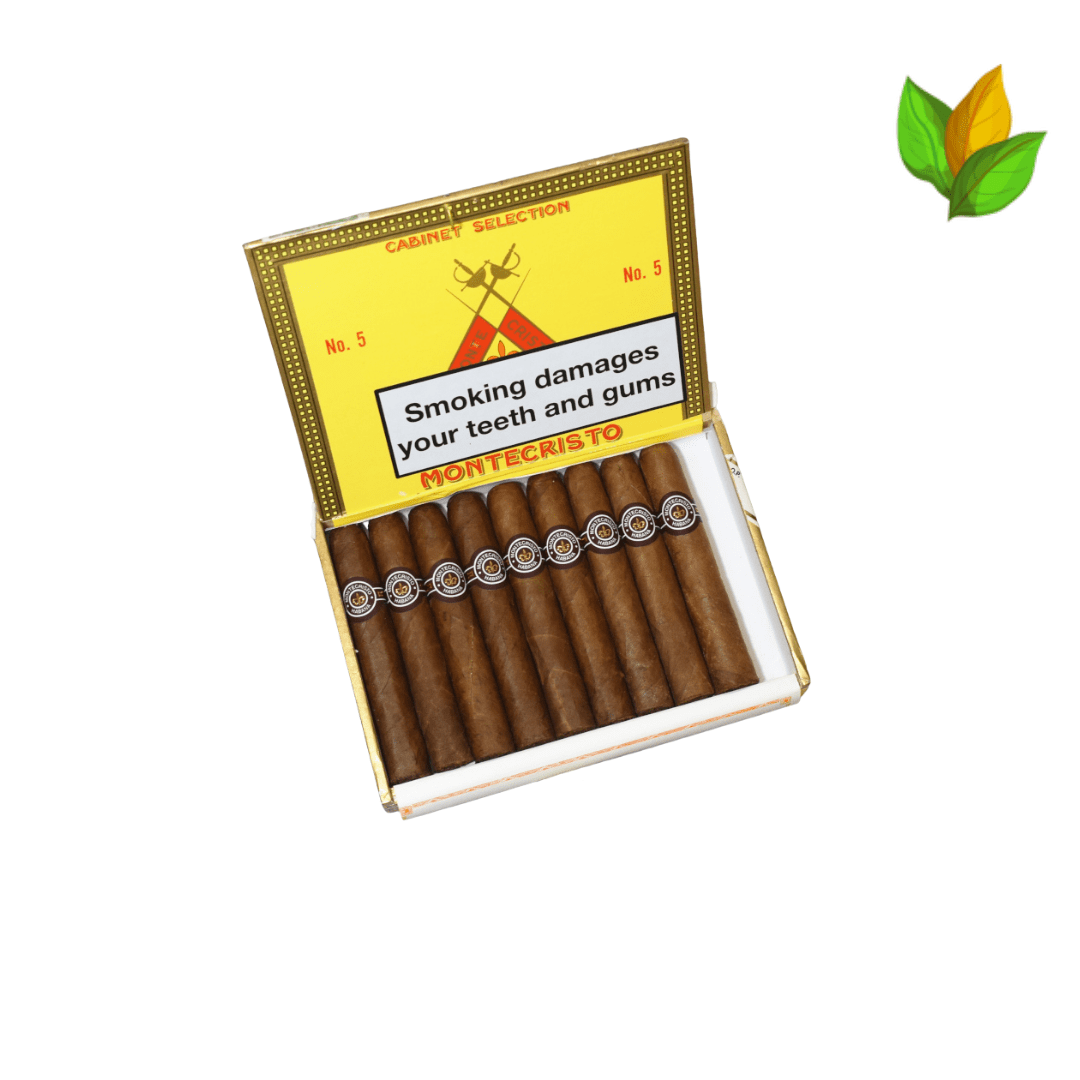
The bands should be perfectly applied with crisp printing and proper Montecristo logos. Poor band application or fuzzy printing are often giveaways that you’re dealing with counterfeits. The cedar box should display the characteristic yellow Montecristo livery with all appropriate seals and markings.
I always recommend purchasing from established dealers who can verify authenticity and provide guarantees. The tobacco heritage from Vuelta Abajo region is irreplaceable, and authentic cigars will have that distinctive aroma and rich character that counterfeits simply cannot replicate.
If you’re unsure about authenticity, pay attention to the burn characteristics. Authentic examples burn evenly with solid ash and consistent flavor development. Fakes often tunnel, burn unevenly, or produce flaky ash that falls apart easily.
Frequently Asked Questions
How long does it take to smoke this cigar?
Most smokers finish these in 20-40 minutes, with 30 minutes being typical. The exact time depends on your smoking pace and environmental conditions. I’ve found that puffing too quickly can cause overheating, so it’s better to err on the side of taking your time.
Is this a good cigar for beginners?
Absolutely. The medium strength won’t overwhelm newcomers, and the shorter smoking time makes it less of a commitment than larger cigars. The flavor complexity is sophisticated enough to be interesting but not so intense that it becomes unpleasant for developing palates.
How should I store these cigars long-term?
Maintain 58% humidity and around 70°F temperature in a cedar-lined humidor. Let them rest for at least 3 weeks after purchase before smoking. With proper storage, these cigars age beautifully and can improve significantly over 2-5 years.
What’s the difference between the regular box and tubos presentation?
The tobacco and cigars are identical – the difference is purely in packaging. Tubos come in individual aluminum tubes that provide extra protection during transport and storage, making them popular with travelers. Some smokers prefer the tubos for gifting or special occasions.
Can I age these cigars, or should I smoke them fresh?
These cigars benefit significantly from aging. While they’re enjoyable fresh, aged examples develop deeper complexity and better integration of flavors. I’ve had excellent results with cigars aged 2-5 years, where the coffee and chocolate notes become more pronounced and the overall profile becomes more sophisticated.