
Description
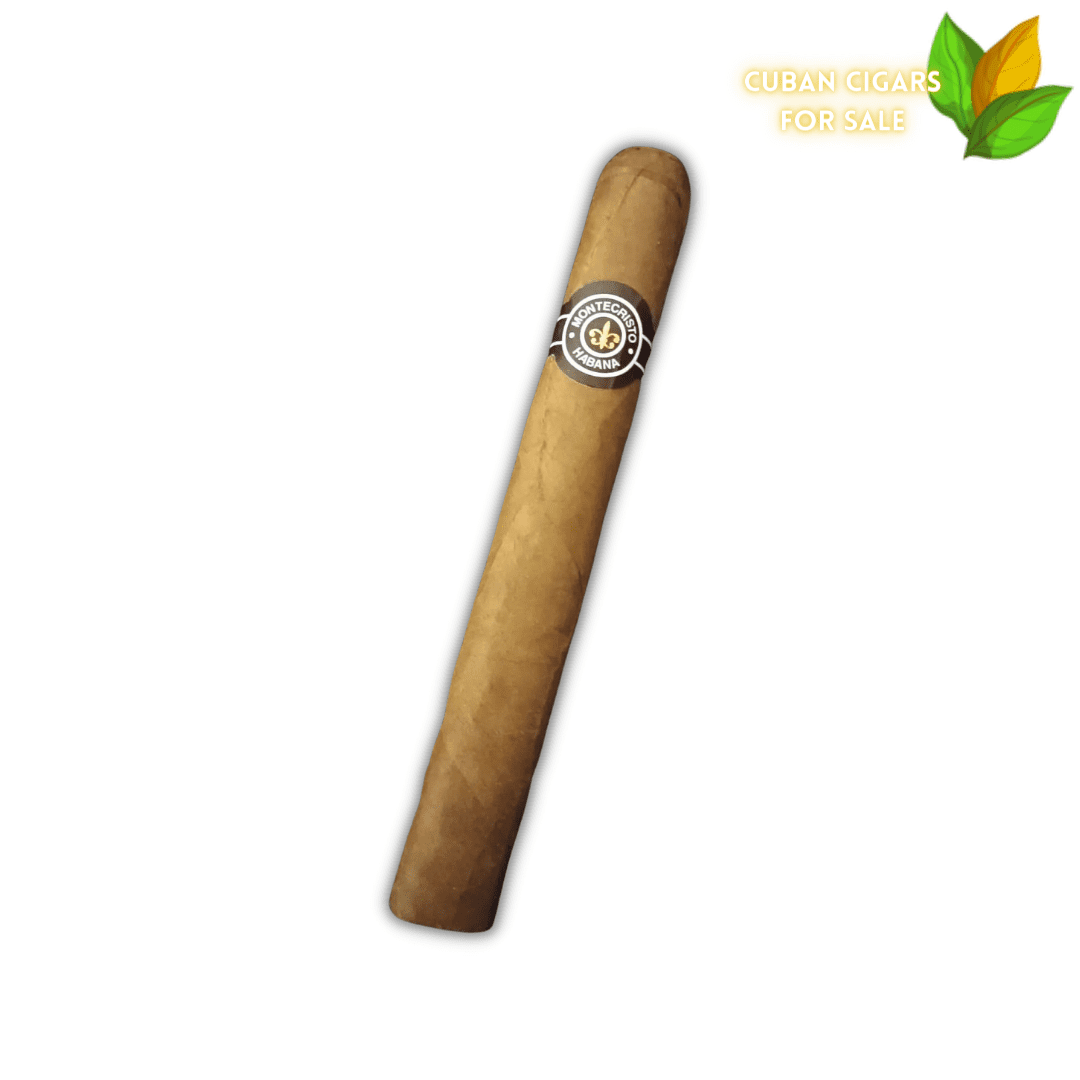
The late afternoon sun was filtering through the floor-to-ceiling windows of Club Habana in downtown Miami when the sommelier handed me what looked like a pretty plain cigar from an aged wooden box. The wrapper seemed almost coarse-looking at first glance, with more veins than I’d expect from a premium smoke. But as any aficionado knows, appearances can be deceiving – and this veiny petit corona would go on to taste better than it looks, delivering one of the most balanced smoking experiences I’ve had in years.
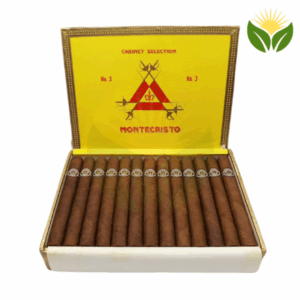
What I’d been handed was a genuine Cuban Montecristo No. 4, and after forty-five minutes on that Miami terrace, I understood why this has become one of the world’s best-selling cigars. Let me share what I discovered about this remarkable smoke.
Construction and Appearance
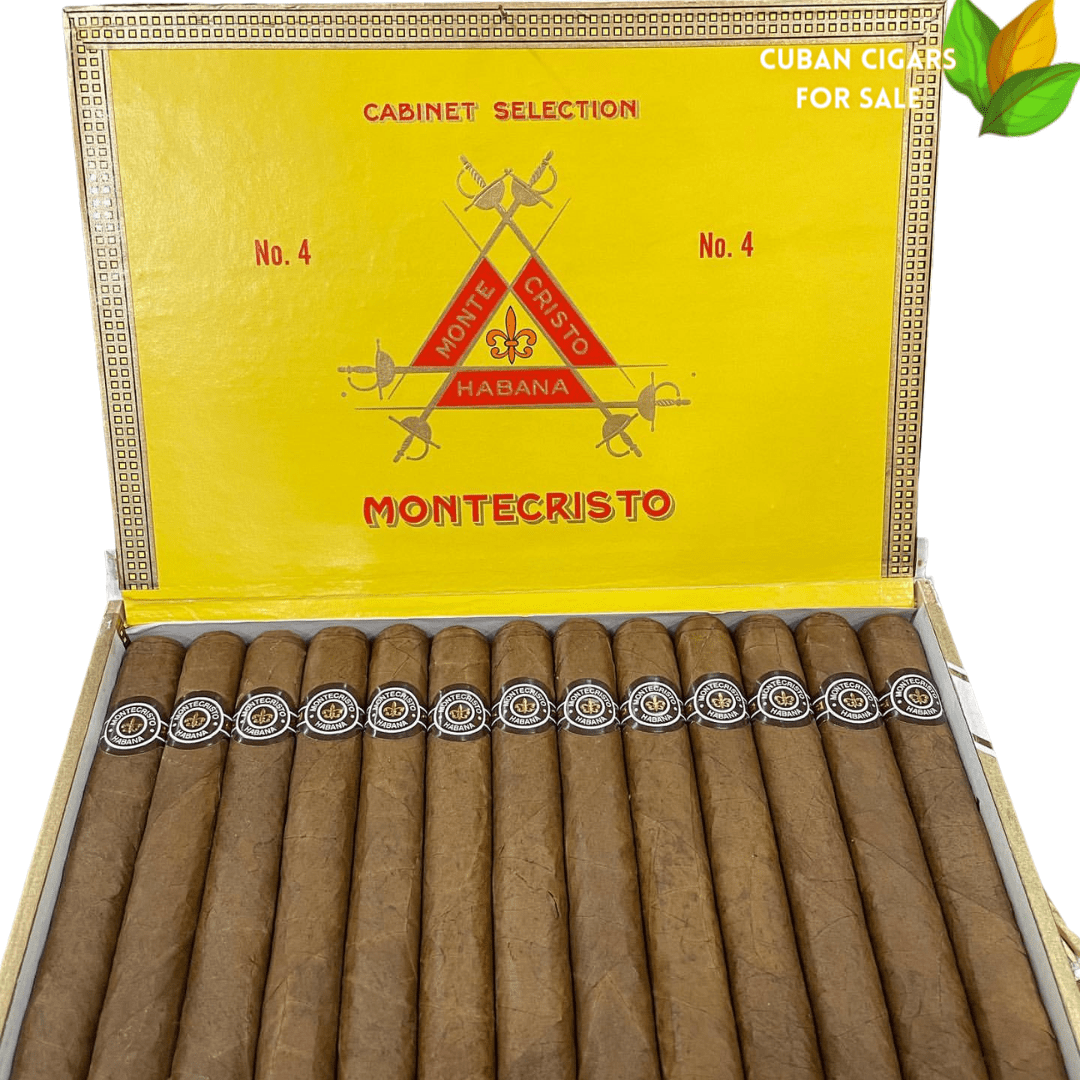
Once I examined the cigar more closely, the construction told a different story than that initial impression. The wrapper, while not as smooth as some premium options and showing very few veins upon closer inspection, was perfectly pressed with no soft spots or weak areas. This is handmade craftsmanship from Cuba’s legendary Pinar del Rio region – specifically the Vuelta Abajo area that produces some of the world’s finest tobacco.
The Mareva vitola feels substantial in hand despite its moderate size. There’s a firmness to the construction that speaks to proper aging and careful rolling. The classic Montecristo band sits perfectly positioned, and the cap shows clean, precise workmanship. Honestly, while it might not win beauty contests against some Connecticut-wrapped cigars featuring Dominican filler, there’s an authenticity to its appearance that I’ve come to appreciate.
The pre-light draw offered just the right resistance – not too tight, not too loose. I could already detect hints of what was coming: earthy undertones with a touch of sweetness.
Flavor Profile by Thirds
Opening Third
The first few puffs delivered exactly what I’d hoped for from a good Cuban smoke. Clean tobacco flavors dominated, with creamy coffee notes emerging almost immediately. There’s a smoothness here that surprised me – medium strength without any harshness or bite. Light cedar began to show through, along with subtle cocoa undertones that would become more prominent as the cigar progressed.
The burn was even from the start, producing a light gray ash that held well. No touch-ups needed, which is always a great sign of proper construction.
Middle Third
This is where the Montecristo really found its stride. The cocoa notes I’d detected earlier became much more pronounced, joined by sweet vanilla that added beautiful complexity. Coffee flavors remained present but evolved, becoming richer and more nuanced. A gentle earthiness crept in – not overwhelming, but enough to remind you this is serious tobacco.
Some light spice appeared on the retrohale, adding another dimension without overpowering the more delicate flavors. The draw remained perfect throughout, and I found myself naturally slowing down to savor each puff.
Final Third
The last portion brought everything together beautifully. Those balanced earthy tones I’d been tasting reached their peak, while the coffee and cocoa notes remained strong. A touch of leather appeared – not the heavy, overwhelming kind you sometimes get, but a subtle complement to the existing flavor profile. The vanilla sweetness persisted right to the end, preventing any bitterness that can plague cigars in their final moments.
Even as I smoked it down to the final inch, there was no heat or harshness. Just smooth, rich flavor that maintained its complexity throughout.
Specifications
| Specification | Details |
|---|---|
| Length | 129mm (5⅛ inches) |
| Ring Gauge | 42 |
| Vitola | Mareva (Petit Corona) |
| Strength | Medium |
| Smoking Time | 30-45 minutes |
| Weight | 8.46 grams |
| Origin | Cuba (Pinar del Rio) |
Perfect Pairings
During my session in Miami, I paired the Monte with a Cuban coffee, and the combination was exceptional. The coffee brought out the sweetness in the cigar while complementing those rich coffee notes naturally present in the tobacco. But I’ve since experimented with other pairings that work beautifully.
For whisky lovers, try a lightly oaked or sherry-finished Scotch. Something like Glenfiddich 15 or Macallan 12 enhances the spices, earthiness, and leather notes without overwhelming the cigar’s more delicate flavors. The vanilla notes in both the whisky and cigar create a harmonious bridge.
Rum is another excellent choice – a aged Cuban rum or a quality Dominican expression like Diplomatico Reserva Exclusiva. The caramel and vanilla notes in good rum complement the cigar’s sweetness perfectly.
Don’t overlook beer either. A fresh lager or pilsner can cleanse the palate between puffs, while a quality porter or stout can echo the coffee and cocoa notes beautifully. I’ve enjoyed this cigar with everything from Stella Artois to Guinness with great results.
Cutting and Lighting
With the 42 ring gauge, you don’t need anything fancy for the cut. A quality guillotine cutter works perfectly – just remove about 1/8 inch from the cap. The construction is solid enough that you won’t have any unraveling issues.
For lighting, take your time. The wrapper can be a bit finicky if you rush it, so use a butane torch or cedar spill and toast the foot evenly. Rotate the cigar slowly to ensure an even light – this extra minute of care pays dividends in the burn quality throughout your smoke.
Once lit, take gentle puffs to establish the burn. Don’t rush it. This cigar rewards patience, and smoking too fast can generate heat that masks those beautiful flavor nuances. Proper smoking technique makes all the difference with premium cigars like this.
Who This Cigar Is For
In my experience, the Montecristo No. 4 is an ideal cigar for both newcomers and experienced smokers. The medium strength won’t overwhelm someone relatively new to cigars, while the complexity keeps seasoned aficionados engaged.
It’s perfect for business lunches or afternoon smoking sessions when you want something substantial but not too time-consuming. The 30-45 minute smoking time makes it manageable for most schedules, and the balanced flavor profile works well in various social settings.
I’d especially recommend this to anyone curious about Cuban cigars but hesitant to jump into full-strength options. It provides an authentic taste of what makes Cuban tobacco special without the intensity that can be off-putting to some smokers.
For special occasions, it strikes the right balance between prestige and approachability. It’s impressive enough to celebrate a promotion or close a deal, but not so intimidating that it excludes less experienced cigar smokers from the conversation.
Authenticity and What to Look For
Unfortunately, the popularity of Montecristo cigars has made them a frequent target for counterfeiting. Here’s what I look for to ensure authenticity:
First, buy only from trusted Habanos merchants. Look for dealers who’ve been in business for years – I prefer vendors who’ve been selling authentic Cubans since 2004 or earlier. Established retailers with solid reputations are your best bet.
Examine the band carefully. Authentic Montecristo bands have specific fonts, colors, and positioning. The gold trim should be crisp, and the text should be perfectly aligned. Check that the official weight matches – genuine No. 4s weigh 8.46 grams.
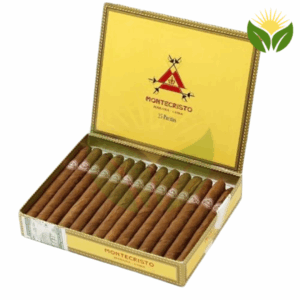
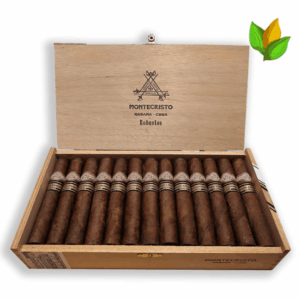
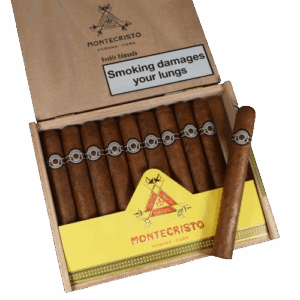
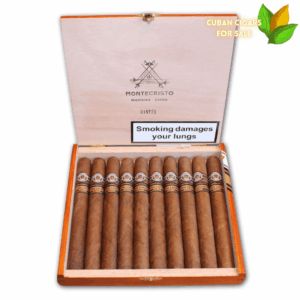
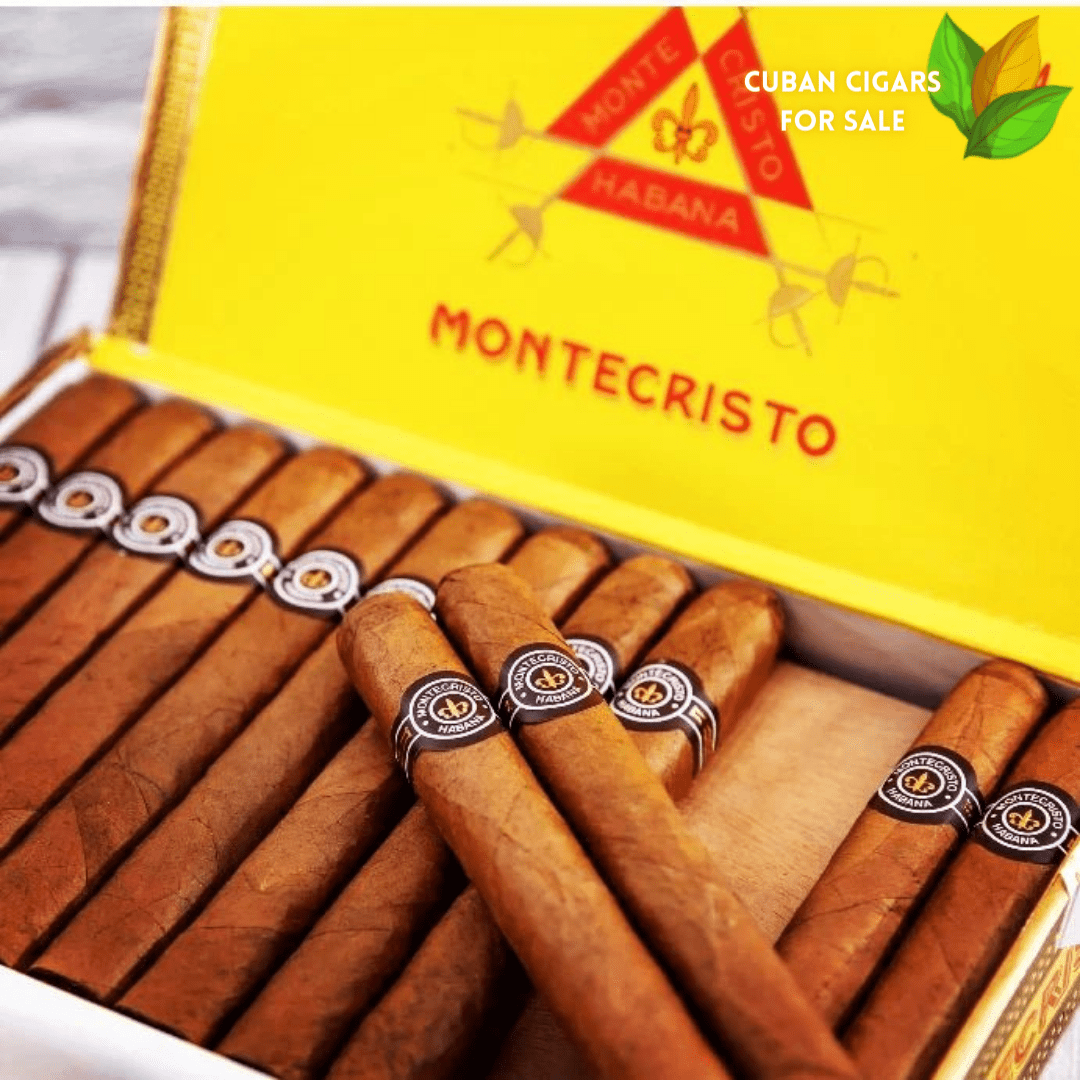
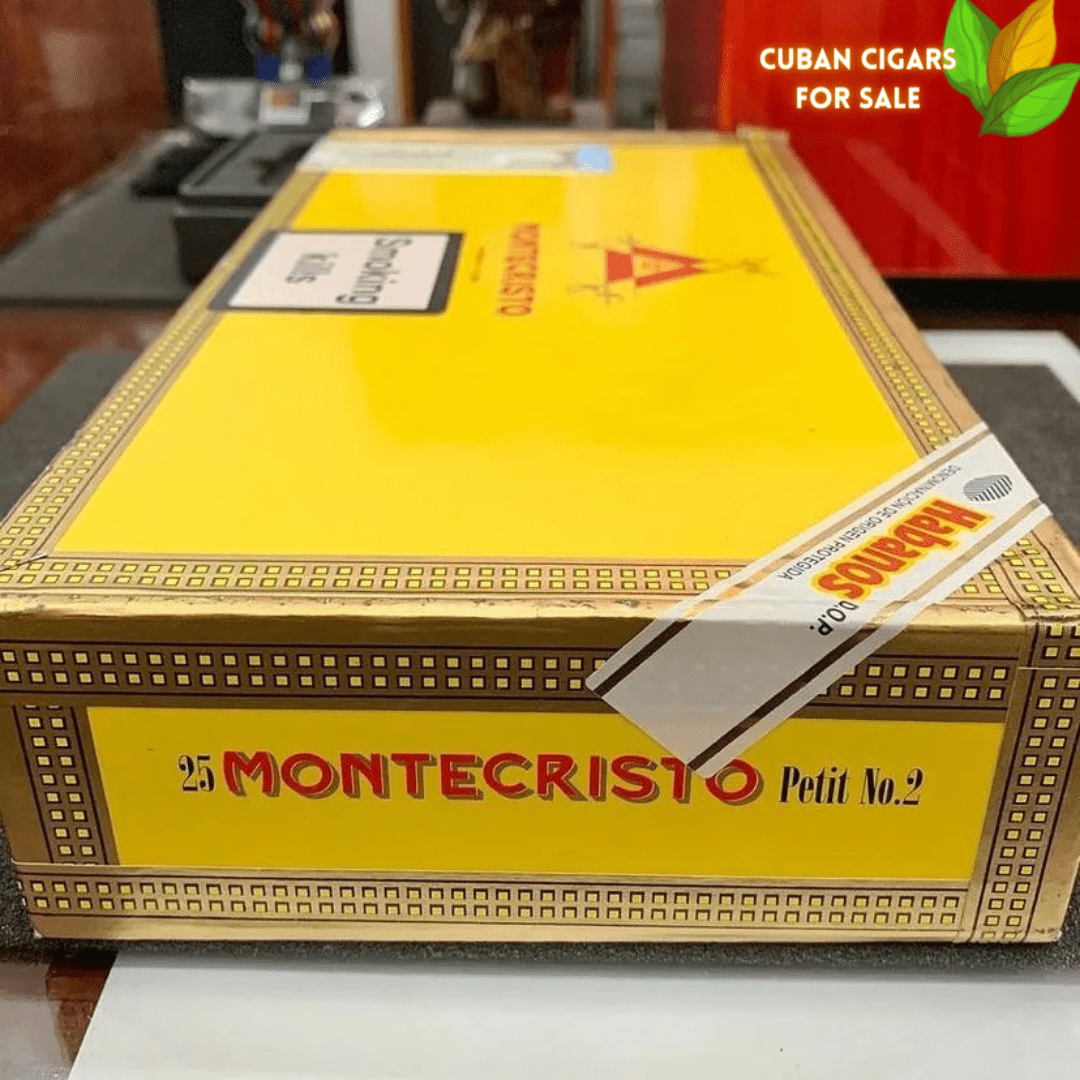
Look at the packaging. Authentic cigars come in dress boxes of 10, 50, or 100 pieces, or aluminum tins of 5. The boxes should have proper seals and documentation. Standard bands are marked A, B, C, or D to indicate quality grades.
Finally, trust your senses. The construction should be firm and even, with no soft spots. The wrapper should have a slight oily sheen and that distinctive Cuban tobacco aroma. If something feels off, it probably is.
Storage and Aging
Proper storage is crucial for maintaining the quality you’re paying for. Keep your Montecristo No. 4s in a humidor at 70% humidity and 70°F (21°C) temperature. Setting up your humidor correctly ensures these cigars will continue to develop their flavors properly.
While these cigars are enjoyable immediately after purchase (they’re already aged two years at the factory), I’ve found they really hit their stride after at least three years of additional aging. The flavors become more integrated, and that smoothness I mentioned becomes even more pronounced.
Proper preservation techniques are essential for long-term storage. Check your humidity levels regularly, and don’t store these alongside heavily flavored cigars that might transfer their aromas.
If you’re building a collection, buy a box and smoke one every six months to track how the flavors evolve. The transformation over 3-5 years can be remarkable, with the vanilla and coffee notes becoming more refined while the earthiness develops additional complexity.
FAQ
How long does a Montecristo No. 4 take to smoke?
Plan for 30-45 minutes depending on your smoking pace. I typically finish one in about 40 minutes when I’m taking my time to savor the flavors. Smoking too quickly can cause overheating and mask the subtle flavor notes that make this cigar special.
What’s the difference between Cuban and Dominican Montecristo cigars?
The Cuban version (what we’re discussing here) is made entirely with Cuban tobacco from Pinar del Rio and measures 129mm with a 42 ring gauge. There’s also a Dominican version that’s 4 inches with a 44 ring gauge, but it’s a completely different cigar with different flavor characteristics. Always verify you’re getting the authentic Cuban version if that’s what you’re seeking.
Is this a good cigar for beginners?
Absolutely. The medium strength and smooth character make it an excellent introduction to Cuban cigars. It won’t overwhelm newcomers with strength or complexity, but it offers enough sophistication to showcase what quality tobacco can deliver. I often recommend it to friends who are curious about premium cigars.
What makes the No. 4 different from other Montecristo sizes?
The No. 4 is in the Mareva vitola (petit corona), which provides an ideal balance of smoking time and flavor concentration. Larger Montecristo sizes offer longer smoking experiences and sometimes more complexity, while smaller ones burn faster. The No. 4 hits the sweet spot for many smokers – substantial enough to develop full flavors but compact enough for regular enjoyment.
Can I age these cigars, and for how long?
Yes, and I highly recommend it. While enjoyable fresh, these cigars continue improving for years with proper storage. Three years of additional aging brings out more refined flavors, and some collectors age them for 10+ years. The key is maintaining proper humidity and temperature throughout the aging process. Understanding the entire process from plantation to your humidor helps appreciate why proper aging makes such a difference.