
Description
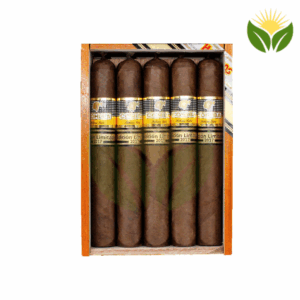
The amber glow of the Havana sunset filtered through the window of that small tobacco shop in Geneva, casting long shadows across rows of cedar-lined boxes. I’d been hunting for something special to mark a milestone birthday, running my fingers along the polished wood surfaces when the shopkeeper quietly placed a particular box before me—dark, lustrous wrappers visible through the clear cellophane, each one practically glowing with an oily sheen that promised something extraordinary.
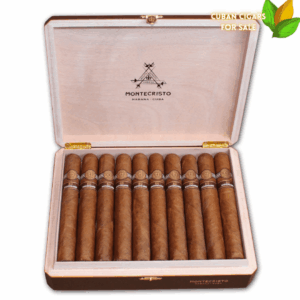
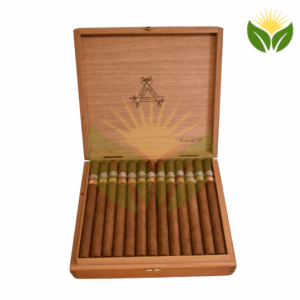
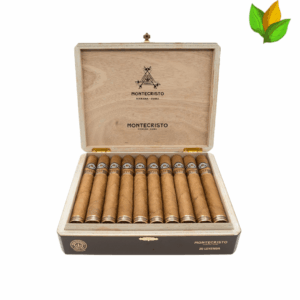
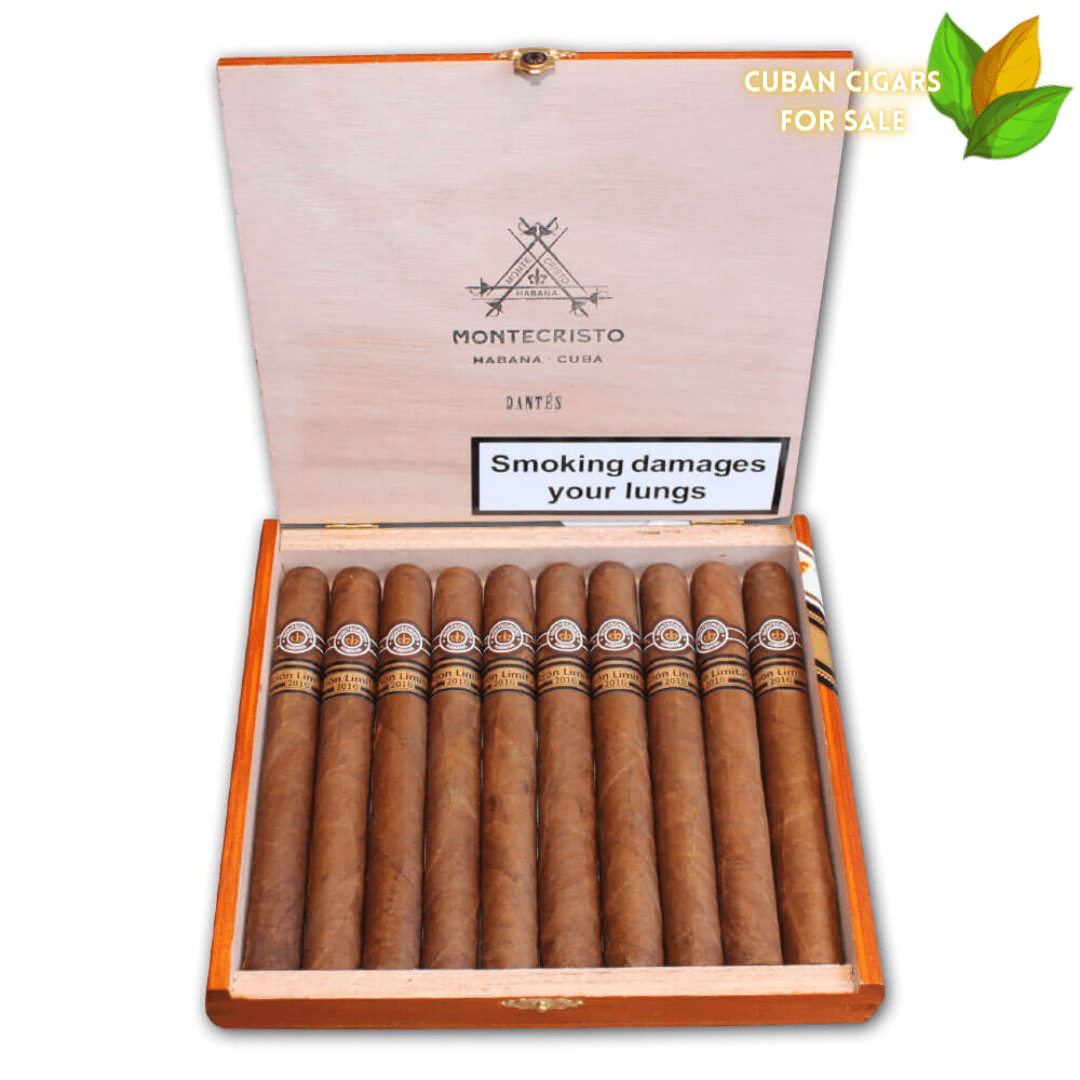
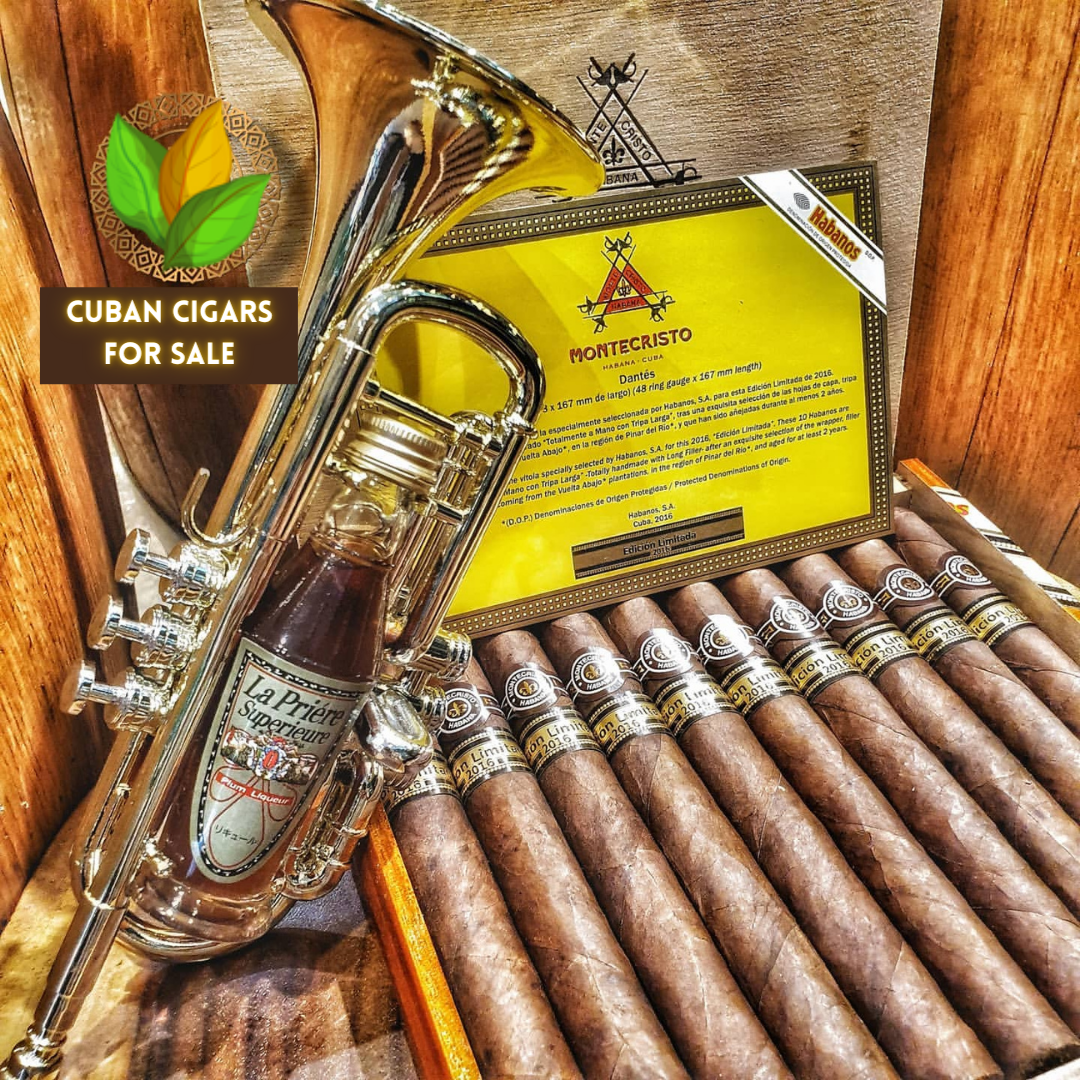
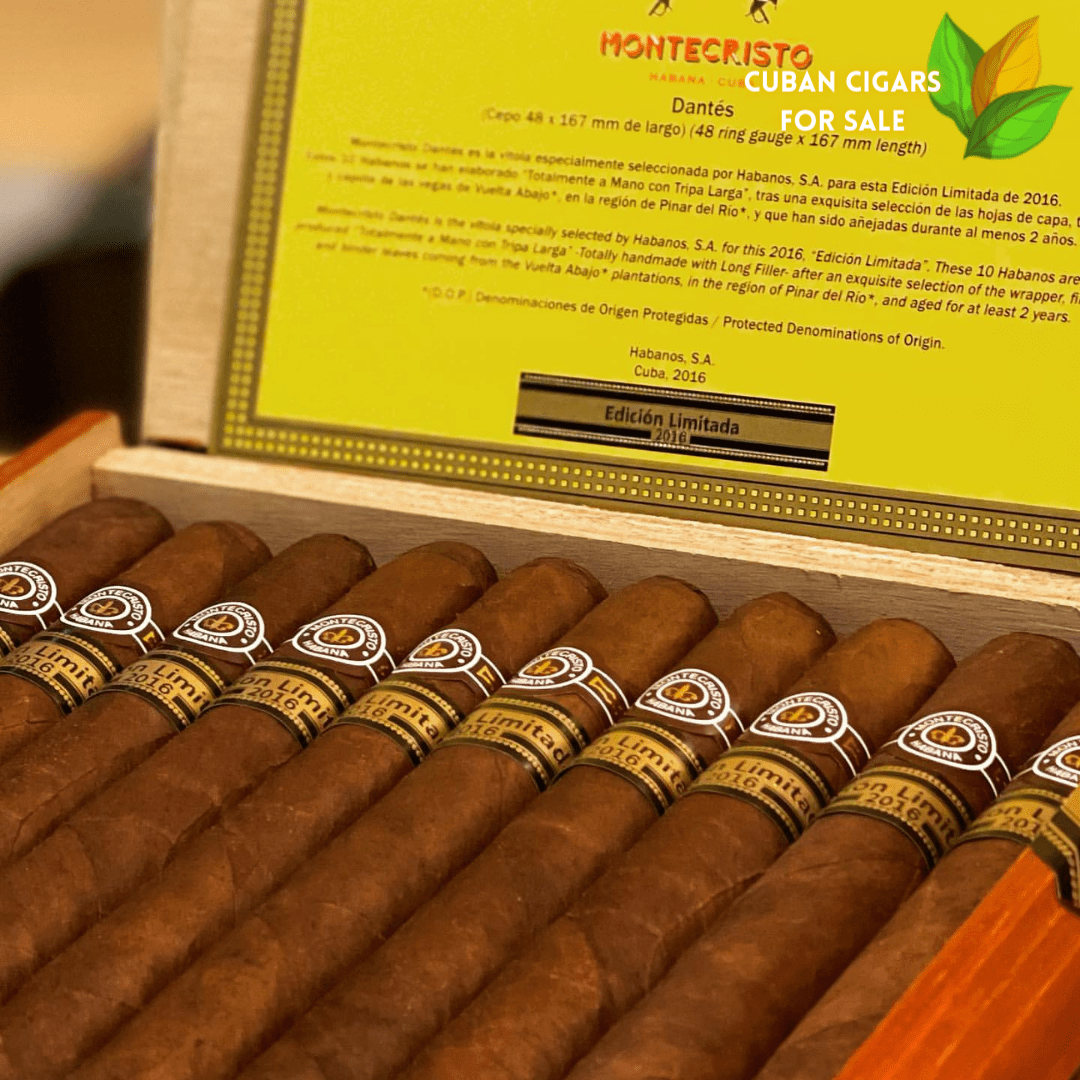
This was my introduction to the Montecristo Dantes Limited Edition 2016, a Cuban cigar that would redefine my understanding of what the legendary Montecristo brand could achieve. The moment I lifted that first example from its varnished Semi Boîte Nature box, I knew I was holding something that transcended the ordinary.
In the years since that discovery, I’ve returned to this particular stick countless times. Each encounter reveals new layers of complexity, new reasons to appreciate why Habanos S.A. chose to honor Alexandre Dumas’ literary masterpiece with such a magnificent tribute. This isn’t just another limited release—it’s a statement piece that showcases Cuban tobacco artistry at its absolute peak.
Flavor Journey Through Three Acts
Like the classic novel that inspired its name, the Montecristo Dantes Limited Edition 2016 unfolds its story in distinct chapters, each building upon the last to create an unforgettable narrative.
First Third: The Opening Gambit
The initial draws deliver an immediate impression of refinement. Rich cedar notes dominate the palate, accompanied by the unmistakable richness of dark chocolate—not the sweet milk variety, but the complex bitterness of high-quality cocoa. Roasted coffee beans make their presence known early, providing an earthy foundation that’s distinctly Cuban.
What strikes me most about this opening act is the leather undertone that weaves through every puff. It’s supple, well-aged leather—think of a vintage armchair in a gentleman’s club rather than anything harsh or raw. White pepper spiciness dances on the tongue, never overwhelming but always present, creating that signature tingle that marks exceptional Cuban tobacco.
The smoke itself is remarkably creamy for such a young cigar, with a medium-full body that announces its intentions without being aggressive. This is where you’ll first taste the quality of those Vuelta Abajo tobaceos, aged specifically for this edición limitada release.
Middle Third: Building Complexity
As the burn line progresses past the first inch, the flavor profile begins its evolution. The cedar notes that dominated the opening now share space with more nuanced wood tones—perhaps oak or mahogany—that add depth without muddying the overall clarity.
Coffee remains prominent, but here’s where things get interesting: the dark chocolate gradually transforms into something resembling milk chocolate, sweeter and more approachable. That lingering white pepper continues to provide structure, preventing the sweetness from becoming cloying.
The body strengthens noticeably during this section, moving firmly into medium-full territory. I’ve consistently found the ash to be solid and gray-white during this phase, holding well beyond an inch when conditions are right. The draw remains effortless, testament to the exceptional construction standards that Habanos maintained for this limited edition 2016 release.
Final Third: The Crescendo
The concluding portion of this cigar is where the Montecristo DNA truly shines. Spices intensify dramatically, though never crossing into harshness. The wood and coffee notes that developed through the middle third now take on a more robust, hearty character that fills the palate completely.
Strength builds to a solid medium-full, occasionally touching full-bodied territory depending on smoking pace. The smoke grows warmer—not unpleasantly so, but with increased richness that demands attention. This is where years of Cuban tobacco expertise reveal themselves most clearly.
Complex doesn’t begin to describe what happens in these final inches. Every element introduced earlier comes together in harmonious balance, creating what I can only describe as the quintessential Montecristo profile elevated to exceptional heights.
Construction and Visual Appeal
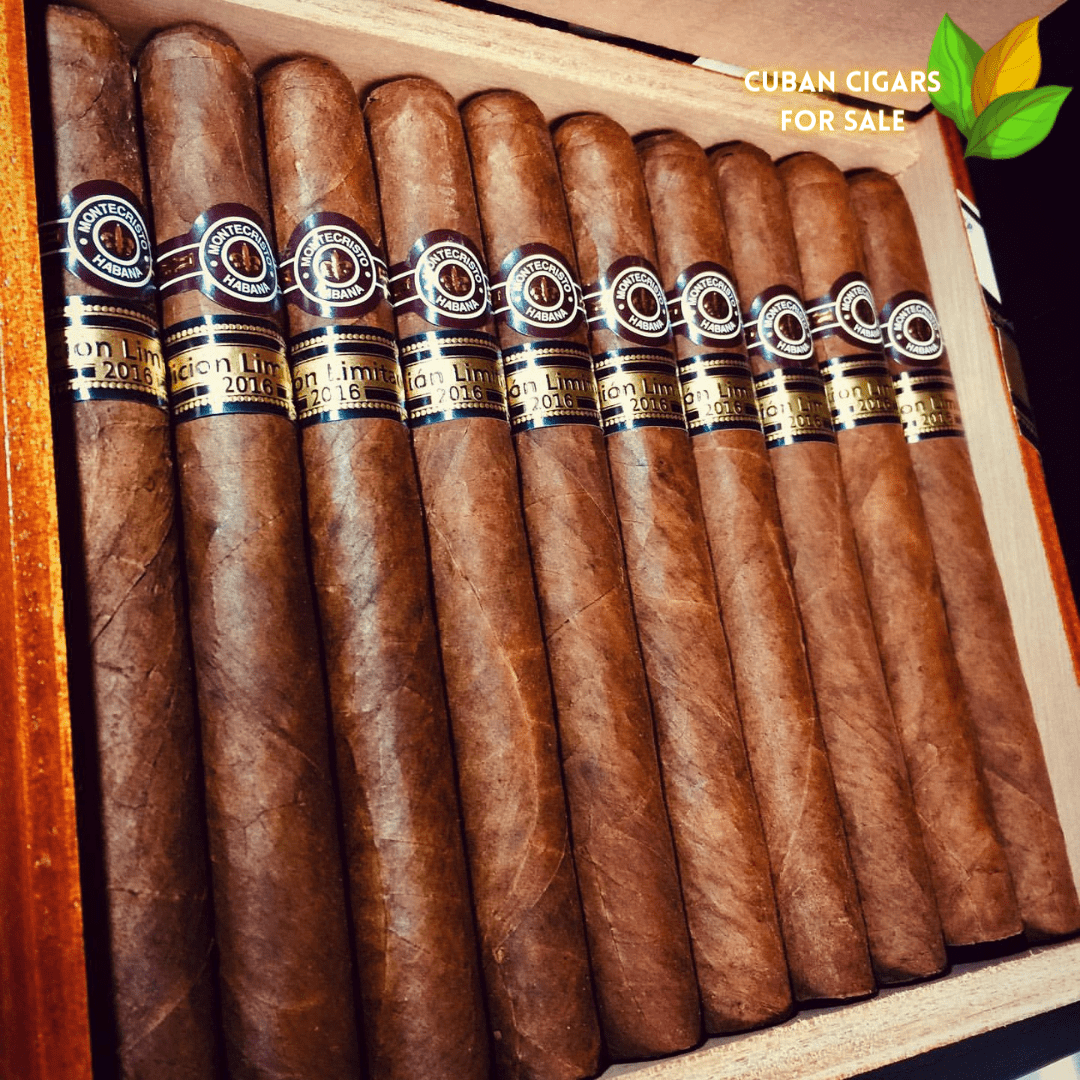
The wrapper on these Cuban cigars immediately commands attention. Dark, oily, and perfectly uniform, it displays the kind of lustrous sheen that only comes from carefully selected and aged tobacco leaves. The color varies from medium brown to darker espresso tones, often within the same cigar, creating visual interest that hints at the complexity within.
Texture-wise, the wrapper feels substantial yet supple under gentle pressure. There’s a slight toothiness that adds to the tactile appeal, while the surface oils catch light beautifully when examined in proper illumination. I’ve rarely encountered soft spots or irregularities across multiple examples—a testament to the factory quality control standards.
The construction itself is exemplary of what Cuban state factories can achieve when resources and attention are properly focused. The bunch feels firm and evenly distributed throughout the 167mm length, with no obvious loose or tight spots that might affect the draw. The head is finished with precision, and the foot shows a clean, even tobacco distribution that promises consistent burning characteristics.
One detail that particularly impresses me is the consistency between individual cigars. Each Montecristo Dantes Limited Edition 2016 I’ve examined shows remarkable uniformity in size, color matching, and overall presentation—no small feat for hand-rolled premium tobacco products.
Technical Specifications
| Specification | Details |
|---|---|
| Length | 167 mm (6.6 inches) |
| Ring Gauge | 48 |
| Vitola | Hermosos No.1 (Grand Corona) |
| Strength | Medium-Full |
| Smoking Time | 60-90 minutes |
| Packaging | Varnished Semi Boîte Nature Box of 10 |
| Origin | Cuba (Vuelta Abajo Region) |
Who Should Smoke This Cigar
The Montecristo Dantes Limited Edition 2016 isn’t for everyone, and that’s precisely what makes it special. This is a cigar that demands experience and appreciation for nuanced complexity. I wouldn’t recommend it as someone’s introduction to Cuban cigars—the subtlety and sophistication might be lost on an untrained palate.
Experienced smokers who appreciate the classic Montecristo profile but want something elevated will find exactly what they’re seeking here. The medium-full strength makes it accessible to those who typically prefer milder offerings but want to explore more robust territory without jumping into full-bodied intensity.
For special occasions, this cigar shines brilliantly. The 60-90 minute smoking time makes it perfect for celebrations where you want something substantial but not overwhelming. I’ve enjoyed examples during milestone birthdays, business celebrations, and quiet Sunday afternoons when time isn’t a constraint.
Collectors absolutely should secure examples while they remain available. Limited releases from the Montecristo line historically appreciate in both value and smoking quality as they age. The dark wrappers on these particular cigars suggest excellent aging potential for those patient enough to cellar a few examples.
Perfect Drink Pairings
The complex flavor profile of the Dantes Limited Edition opens numerous pairing possibilities, each highlighting different aspects of its character.
Aged Rum Selections
The cedar and chocolate notes pair beautifully with premium aged rums. I’ve had excellent experiences with 15-year-old expressions that offer vanilla and caramel undertones without overpowering the cigar’s subtlety. The natural sweetness of quality rum complements the evolving chocolate notes while the alcohol’s warmth enhances the tobacco’s spice elements.
Single Malt Whisky Combinations
Scottish single malts with moderate peat influence work wonderfully with this cigar’s leather and wood characteristics. The roasted coffee bean notes in the tobacco find perfect harmony with whisky’s grain sweetness, while both products’ complexity builds throughout the experience. I particularly enjoy this pairing during cooler months when the warming effects of both complement each other.
Coffee-Based Beverages
Given the prominent coffee notes throughout the smoking experience, espresso-based drinks create natural synergy. A well-prepared Cuban coffee or rich espresso con leche amplifies the tobacco’s roasted characteristics while the caffeine provides alertness to better appreciate the cigar’s evolving flavors. This combination works especially well during morning or early afternoon sessions.
Storage Requirements and Aging Potential
Proper storage is absolutely critical for maintaining the Montecristo Dantes Limited Edition 2016’s exceptional character. I maintain these cigars at exactly 70% relative humidity and 21°C (70°F) in my primary humidor, conditions that preserve their oils while preventing any wrapper issues.
These are relatively young cigars that benefit significantly from additional aging. I’ve noticed marked improvement in examples that have been properly stored for two to three years beyond their release date. The initial sharpness mellows, flavors integrate more seamlessly, and the overall smoking experience becomes even more refined.
For those interested in preserving cigars fresh with proven techniques, pay particular attention to humidity consistency with these dark wrappers. Fluctuations can cause the oils to redistribute unevenly, potentially affecting burn characteristics.
Temperature stability proves equally important. The high-quality tobaccos used in this edición limitada are sensitive to temperature swings, which can accelerate aging unpredictably or cause wrapper splitting in extreme cases.
Proper Cutting and Lighting Technique
The Hermosos No.1 vitola requires careful attention during preparation to ensure optimal performance. I prefer using a sharp guillotine cutter, removing approximately 2-3mm from the cap while preserving the wrapper’s structural integrity around the head.
The 48 ring gauge provides ample surface area for even lighting, but the dense tobacco packing means patience is essential during the initial lighting process. I typically use cedar spills or quality wooden matches, avoiding butane lighters that might impart unwanted flavors to the foot.
Rotate the cigar slowly during lighting, ensuring the entire foot receives equal heat exposure. The high oil content in these wrappers means they’ll catch and hold flame readily once properly warmed. For detailed guidance on this process, refer to mastering Cuban cigar smoking techniques.
Allow the foot to rest for 30-60 seconds after initial lighting before taking the first draw. This brief pause helps establish an even burn line and prevents the initial puffs from being overly harsh.
Authenticity Verification
With limited releases commanding premium prices, counterfeit examples unfortunately exist in the marketplace. Several key indicators help distinguish genuine Montecristo Dantes Limited Edition 2016 cigars from fakes.
Packaging Authentication
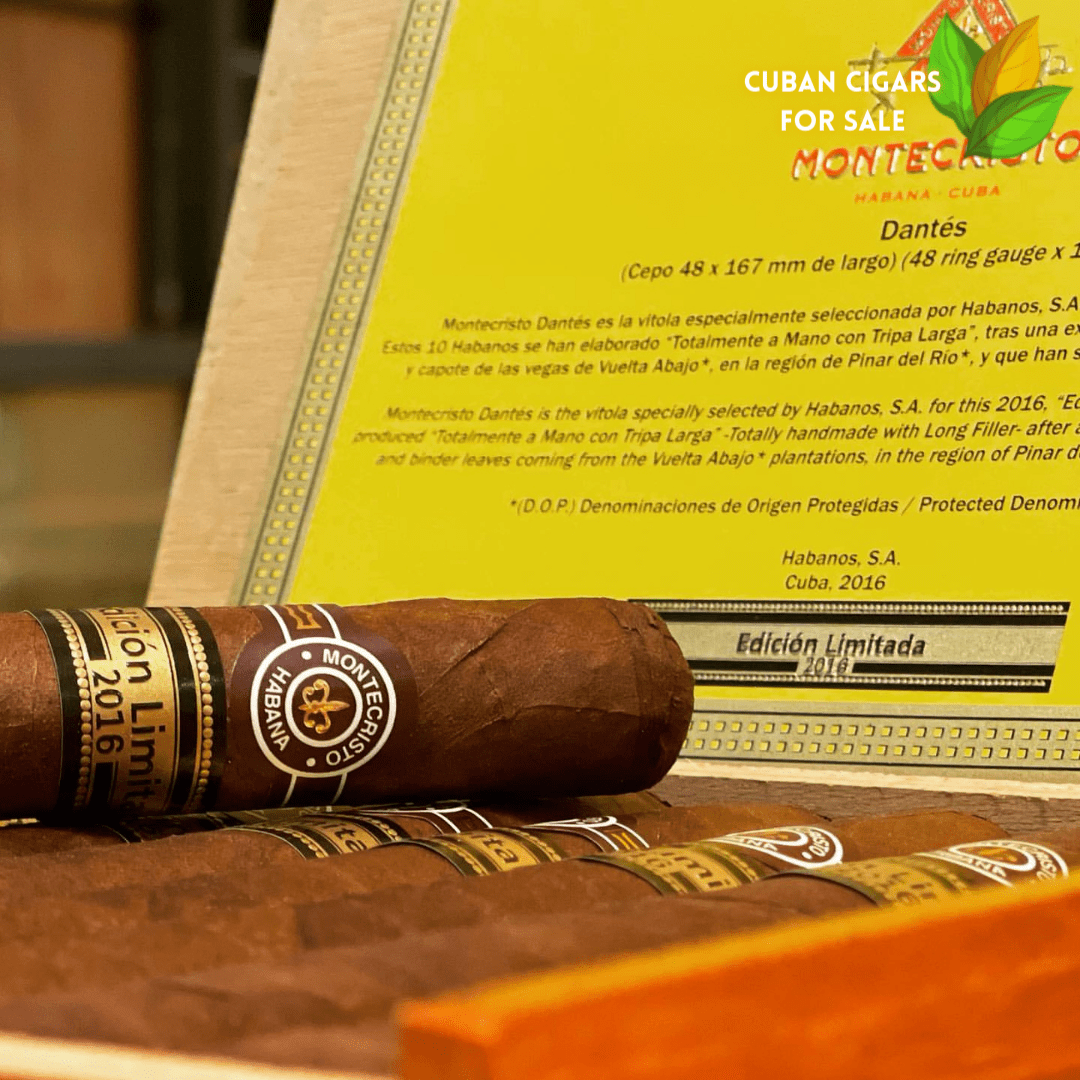
Authentic boxes display the specific Habanos packing code SPB-n-n-n-10 and feature the distinctive varnished Semi Boîte Nature finish. The hologrammed band includes clear “2016 Edición Limitada” marking with proper spelling and font consistency. Counterfeit packaging often shows spelling errors, color variations, or poor print quality.
Physical Characteristics
Genuine examples measure exactly 167mm length with 48 ring gauge—variations of more than 1-2mm suggest counterfeits. The wrapper should display the characteristic dark, oily appearance with natural color variation. Fake cigars often have unnaturally uniform coloring or lack the proper surface oils.
Construction Indicators
Authentic Cuban construction shows precise workmanship with evenly distributed tobacco fill and clean cap finishing. The draw should be effortless but not loose, and the burn should progress evenly with solid ash formation. Poor construction, uneven burning, or harsh flavors often indicate non-Cuban tobacco or substandard manufacturing.
Purchase only from authorized retailers with proper documentation. Suspiciously low prices almost always indicate counterfeit products, especially for limited releases from prestigious brands like Montecristo.
Frequently Asked Questions
How long can I age the Montecristo Dantes Limited Edition 2016?
With proper storage conditions, these cigars will continue improving for 10-15 years or more. The high-quality Vuelta Abajo tobaccos used in this release have excellent aging potential, developing increased complexity and smoother flavor integration over time. I’ve enjoyed examples with 5+ years of additional aging that showed remarkable improvement over fresh releases.
What makes this different from regular Montecristo releases?
The Dantes Limited Edition 2016 uses specially selected and aged tobaccos not found in regular production lines. The tobacco blend, wrapper selection, and overall construction receive enhanced attention during manufacturing. Additionally, the specific Hermosos No.1 vitola isn’t available in the standard Montecristo lineup, making this a unique smoking experience within the brand’s portfolio.
Is the strength level suitable for occasional smokers?
The medium-full strength might be challenging for very occasional smokers, particularly in the final third where intensity increases. However, experienced occasional smokers who typically enjoy medium-strength cigars should find it manageable, especially if smoked slowly with proper pacing. The long smoking time also allows for breaks if needed.
Should I remove the secondary band during smoking?
I recommend leaving the Edición Limitada band in place until the burn line approaches it naturally. The adhesive typically loosens from the heat by that point, allowing easy removal without damaging the wrapper. Attempting to remove it too early risks tearing the delicate wrapper leaf, which could affect the burn characteristics.
How does this compare to other 2016 limited releases?
The 2016 Habanos limited releases each offered distinct characteristics, but the Montecristo Dantes stands out for its exceptional balance and complexity development throughout the smoking experience. While other brands focused on power or unique vitolas, this release emphasized refined flavor evolution and construction excellence, making it arguably the most sophisticated of that year’s limited offerings.
Understanding the heritage behind Cuban tobacco production helps appreciate why releases like this achieve such exceptional quality. The Vuelta Abajo region provides ideal growing conditions that contribute significantly to the complex flavor profiles found in premium Cuban cigars.
For those serious about maintaining their collection properly, investing in quality humidification equipment becomes essential. Detailed guidance on how to set up a humidor ensures these valuable cigars remain in optimal condition for years to come.
The journey from Cuban cigars from plantation to perfection involves countless decisions that ultimately determine quality levels like those achieved in the Montecristo Dantes Limited Edition 2016. Every element—from seed selection to final packaging—contributes to creating experiences that justify the premium prices commanded by exceptional releases.
For more information about our commitment to authentic Cuban cigars and proper handling, visit our about us page to understand the expertise and passion behind our selections.