
Description
Why the Epicure No. 1 Deserves More Respect
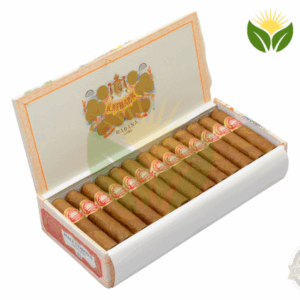
Look, I’m just going to say it – the Hoyo de Monterrey Epicure No. 1 is one of the most underappreciated cigars in the entire Habanos portfolio. Everyone obsesses over the Epicure No. 2, and yeah, that’s a fantastic smoke. But the No. 1? It’s got this elegance and refinement that gets overlooked because people are too busy chasing the “famous” vitolas. I remember the first time I properly sat down with one of these – and I mean really paid attention – at a lounge in Key West back in maybe 2007 or 2008. Changed my whole perspective on what Hoyo de Monterrey could do when they’re firing on all cylinders.
Here’s the thing – this isn’t a cigar that screams for attention. It doesn’t slap you across the face with strength or punch you with pepper. Instead, it’s sophisticated, nuanced, and incredibly well-balanced. If the Epicure No. 2 is your charismatic friend who dominates every conversation, the No. 1 is that quietly brilliant person at the dinner party who says something profound when they finally speak up. Both are great, but they serve completely different purposes in your humidor.
What Makes the Epicure No. 1 Special
Hoyo de Monterrey has been around since 1865, founded by José Gener in Havana. The brand built its reputation on producing mild to medium-bodied cigars with exceptional construction and delicate flavor profiles. The Epicure line – introduced in the 1990s – was meant to showcase the brand’s ability to create more complex, fuller-bodied offerings while maintaining that signature Hoyo refinement.
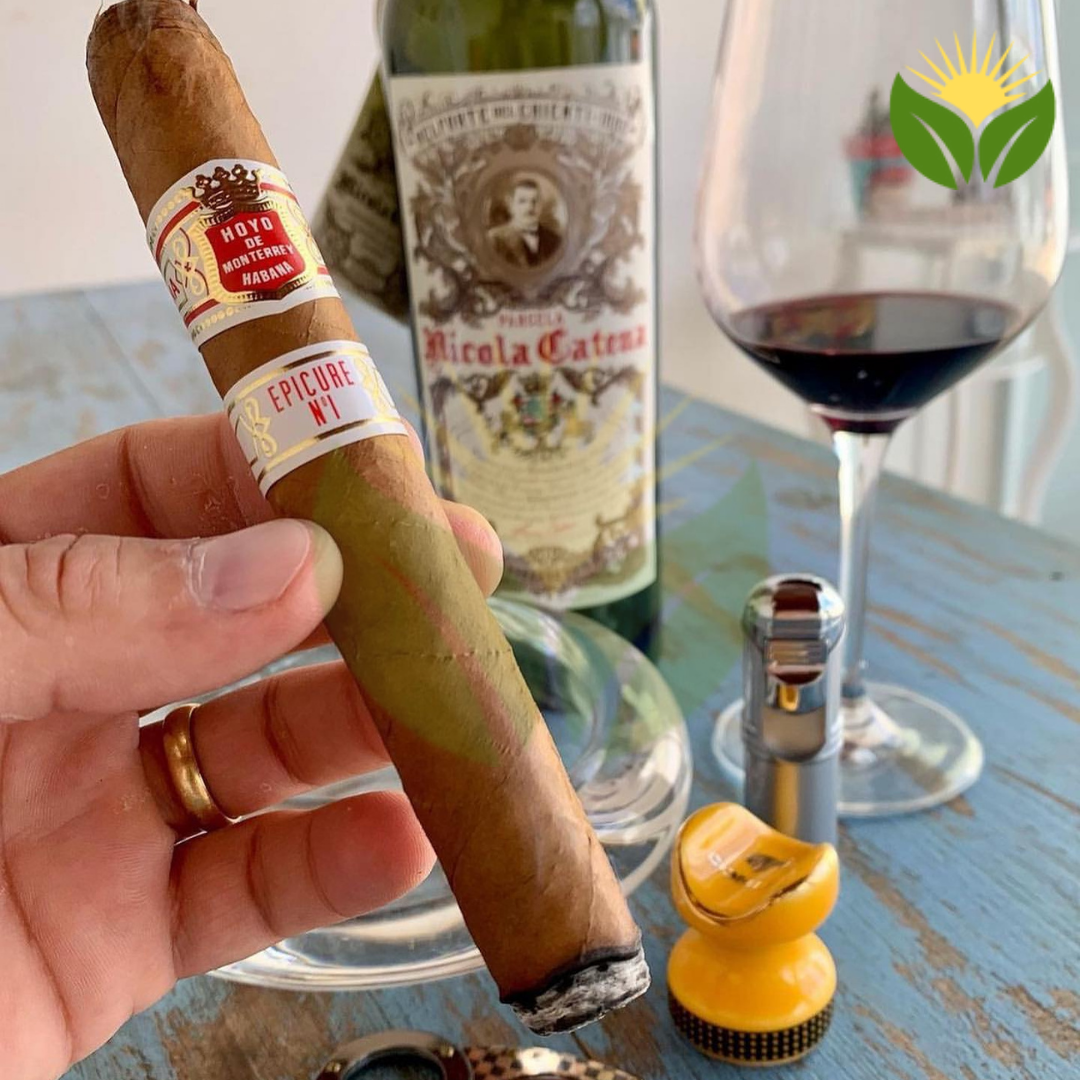
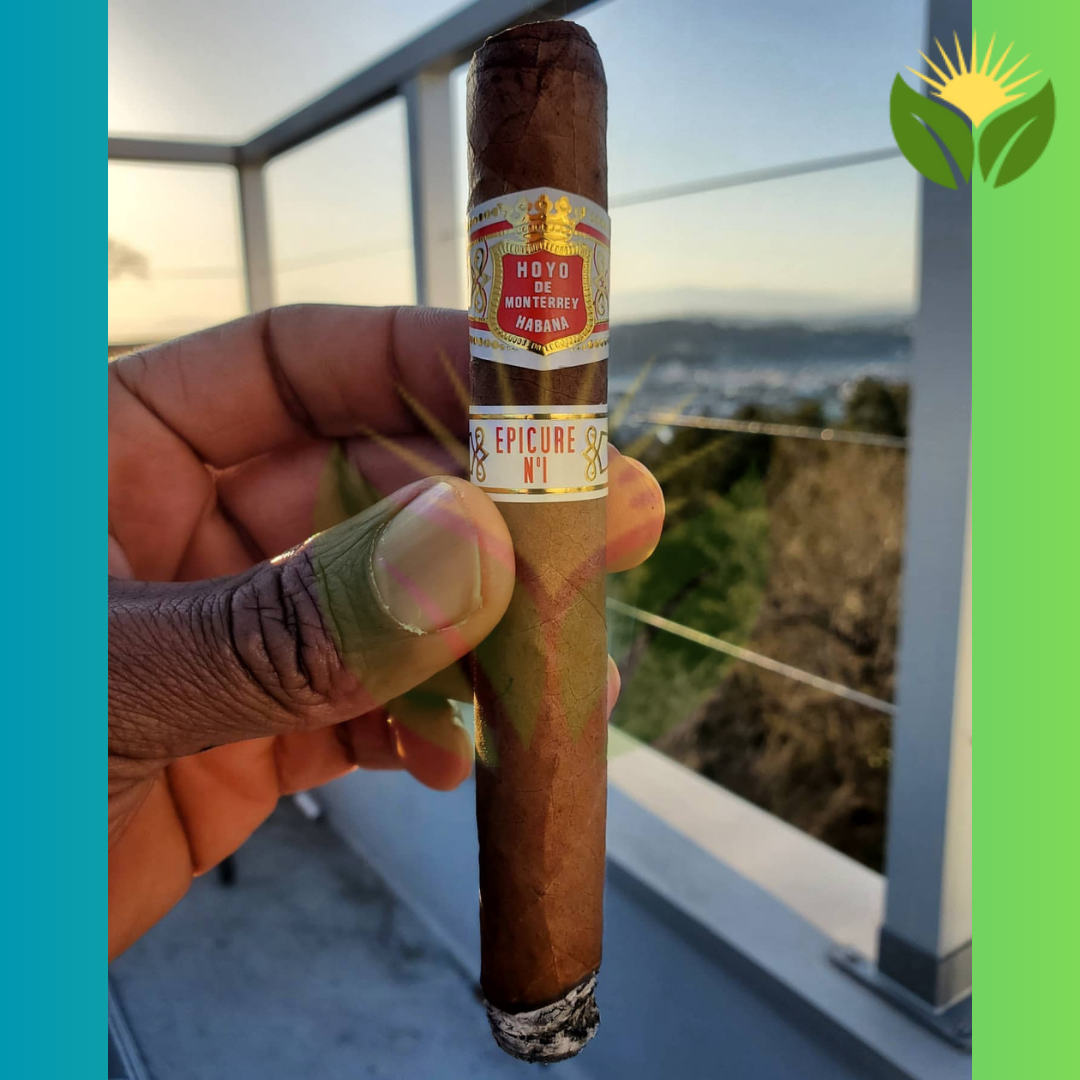
The No. 1 sits in this sweet spot that I absolutely love. It’s a Corona Gorda – not too big, not too small – measuring 5.6 inches with a 46 ring gauge. That size gives you enough tobacco to develop real complexity without demanding two hours of your time. The wrapper is that gorgeous Cuban leaf from Vuelta Abajo, and when you get a well-aged box, the color is this perfect medium brown with an almost reddish tint that catches the light just right.
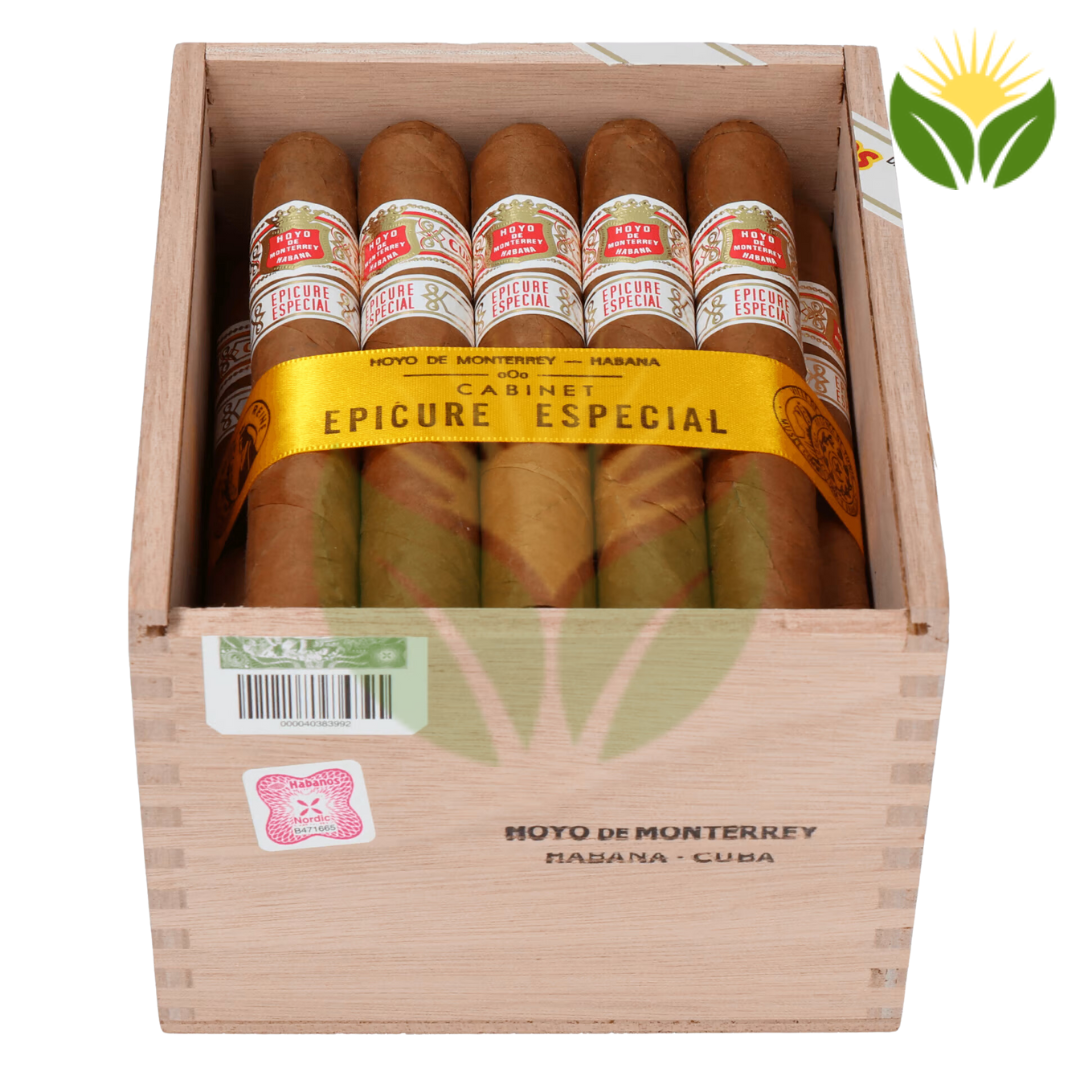
Thing is, this vitola tends to get overshadowed. The Epicure No. 2 gets all the glory, the Epicure Especial has its fans, and meanwhile the No. 1 sits there being consistently excellent without much fanfare. It’s the cigar for someone who’s moved past needing to impress anyone. You smoke this because you know what good tobacco tastes like, not because you’re trying to post it on Instagram – though it is photogenic, I’ll give it that.
Who should smoke this? Honestly, I’d say intermediate to advanced smokers who appreciate subtlety. If you’re just getting into Cubans, this might seem underwhelming compared to something bolder. But if you’ve been around the block, if you’ve worked through the Partagás and Bolívars and Romeo y Julietas, coming back to a well-rested Epicure No. 1 is like… hmm, how do I put this… it’s like listening to a jazz quartet after attending a rock concert. Both are great, but one requires you to really listen.
| Specification | Details |
|---|---|
| Vitola | Corona Gorda |
| Length | 5.6 inches / 143 mm |
| Ring Gauge | 46 |
| Wrapper | Cuban (Vuelta Abajo) |
| Binder | Cuban |
| Filler | Cuban blend (Vuelta Abajo region) |
| Strength | Medium |
| Smoking Time | 60-75 minutes |
The Smoking Experience – Third by Third
Okay, so let’s talk about what actually happens when you light one of these up. And I’m assuming you’ve let it rest properly – if you’re smoking these fresh off the truck from Cuba, we need to have a different conversation about patience.
The cold draw is typically excellent on these. Hoyo’s construction is usually spot-on, and you get this preview of cedar and hay with just a hint of sweetness. Not overpowering, just… inviting. The pre-light aroma reminds me of walking into a proper tobacco shop, that clean, slightly sweet tobacco smell without any harshness.
First third hits you gently. And I know “gently” doesn’t sound exciting, but hear me out – this is where you realize you’re smoking quality tobacco. You get cedar right away, that classic Cuban cedar note that’s more refined than the aggressive cedar you might find in some Nicaraguan puros. There’s also this cream element, almost like sweetened coffee with heavy cream. Some hay notes, a touch of almonds. The pepper is there but it’s in the background, like it’s waiting for an invitation rather than barging through the door uninvited.
The burn line on a good one – and most of them are good ones – is razor sharp. The ash holds for a solid inch, sometimes more, with this light gray color that tells you the tobacco was properly fermented and aged. Real talk: I’ve had Dominican cigars that cost twice as much with construction half this good.
Second third is where things get interesting. The cream notes start to develop into more of a cocoa flavor, not bitter dark chocolate but more like milk chocolate or cocoa powder. The cedar becomes more prominent on the retrohale – which, if you’re not retrohaling Cuban cigars, you’re missing half the experience. There’s this honey sweetness that comes and goes, and occasionally you’ll catch white pepper on the finish. The strength builds slightly but never crosses into full-bodied territory. It stays firmly medium, just getting more complex rather than stronger.
This is also where you notice the quality of the filler blend. Cuban cigars use tobacco from different parts of the plant – ligero for strength, seco for aroma, volado for combustion. When it’s balanced correctly, like it is here, you get this seamless experience where nothing dominates. Some cigars feel like they’re fighting themselves, different tobaccos competing for attention. Not here.
Final third – and this is where some Hoyos can get bitter if they’re not properly aged – maintains that elegance. The cocoa deepens, you might get some leather notes coming through, and that cedar note that started the whole experience comes back around like it’s saying goodbye. Coffee appears here too, not espresso but more like a medium roast with some natural sweetness. The pepper picks up just slightly, enough to remind you there’s some strength in the blend, but it never overwhelms.
Between you and me, I’ve smoked these down until my fingers were burning because I didn’t want them to end. That’s the mark of a well-blended cigar – when you’re legitimately disappointed to put it down.
| Cigar | Strength | Smoking Time | Best For |
|---|---|---|---|
| Hoyo de Monterrey Epicure No. 1 | Medium | 60-75 minutes | Afternoon smoke, refined palate, complexity seekers |
| Hoyo de Monterrey Epicure No. 2 | Medium | 50-65 minutes | Daily smoke, robusto lovers, consistency |
| H. Upmann Magnum 46 | Medium | 65-80 minutes | Similar refinement, slightly more woody character |
| Bolivar Royal Corona | Medium-Full | 60-70 minutes | When you want more punch in same format |
What to Pair It With
Not gonna lie, I’m pretty particular about pairings. This isn’t one of those cigars you pair with barrel-proof bourbon – that would just overwhelm everything subtle about the Epicure No. 1.
Coffee works beautifully, especially in the morning or early afternoon. I’m talking a good medium roast, nothing too dark or acidic. Cuban coffee if you can get it, but honestly a quality Colombian brew does the job. The coffee and cocoa notes in the cigar play off each other perfectly.
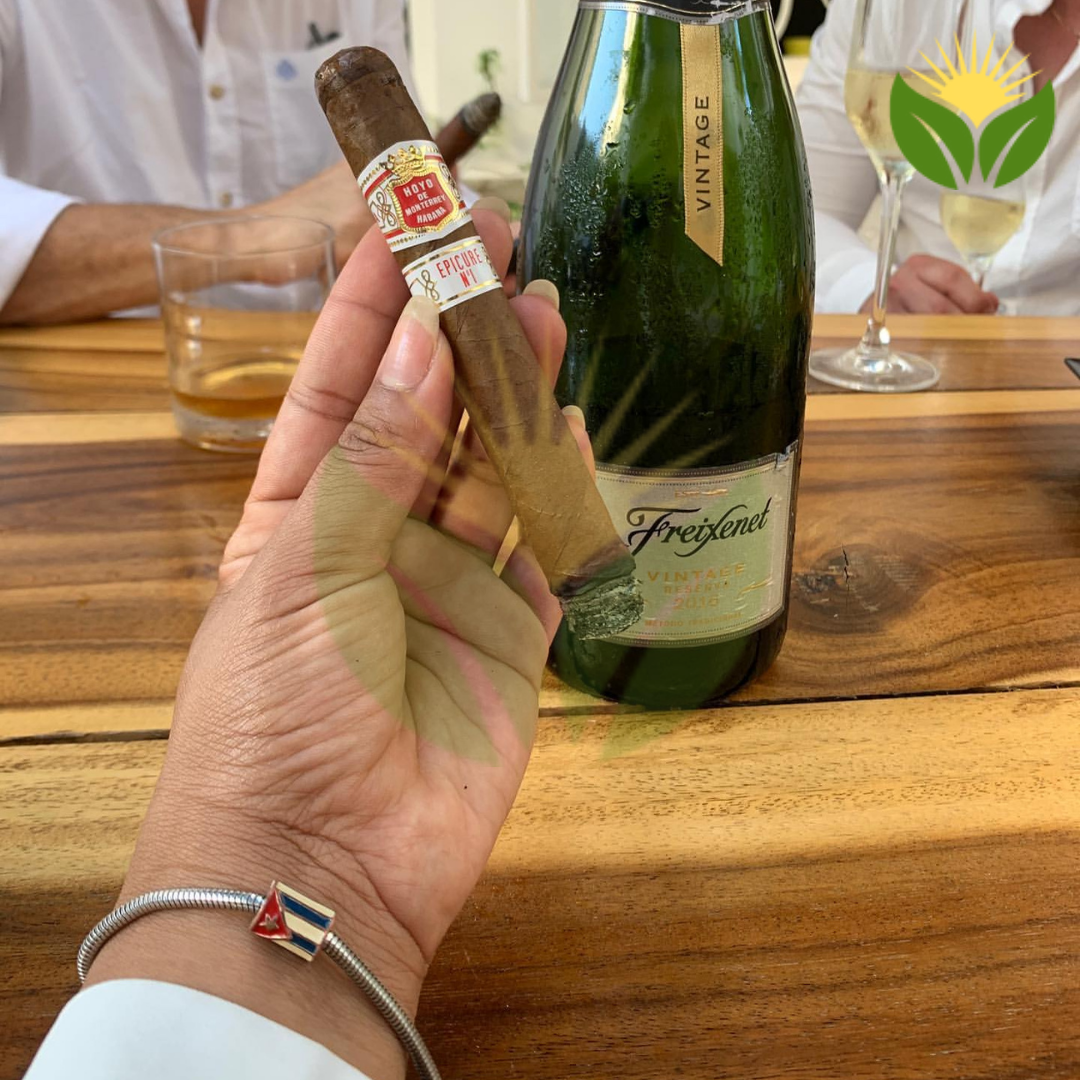
For spirits, I’d go with a lighter rum – maybe a Havana Club 7 Year or even a good añejo tequila. The sweetness complements without competing. If you’re a whisky person, try a Speyside single malt, something with honey and fruit notes rather than peat and smoke. Glenfiddich 15 or Balvenie DoubleWood would be my picks.
Honestly though? Sometimes the best pairing is just water or sparkling water. Lets you taste everything the cigar has to offer without any interference. I know that sounds boring, but when the cigar is this good, why muddy the waters?
Occasion-wise, this is an afternoon cigar for me. Mid-morning on a weekend, or that golden hour before dinner when you’ve got an hour to yourself. It’s contemplative without being heavy, complex without requiring a completely fresh palate. I’ve smoked these after lunch and they work great – not so strong that they knock you out, but substantial enough that you feel satisfied.
Storage and Aging Considerations
Here’s where I’m probably going to lose some of you, but I’ve got to be honest – these cigars need rest. I know everyone wants to smoke their Cubans immediately, but if you’ve got fresh boxes, let them sit. At minimum, give them three months in a properly humidified environment at 65-68% humidity. Six months is better. A year or more? Now you’re talking.
I’ve got a box from 2019 right now that’s just hitting its stride. The harshness that was there when they were young has completely mellowed out. The flavors are more integrated, the cedar has deepened, and there’s this honey sweetness that wasn’t as prominent before. Young Epicure No. 1s can be a bit thin, a bit sharp. Aged ones are sublime.
The wrapper on these ages particularly well. That Cuban tobacco develops this almost oily sheen over time, and the aroma from the foot becomes richer and more complex. If you’re building a collection, these are cigars that reward patience. They’re good young, sure, but they’re exceptional with some years on them.
What’s the difference between Epicure No. 1 and No. 2?
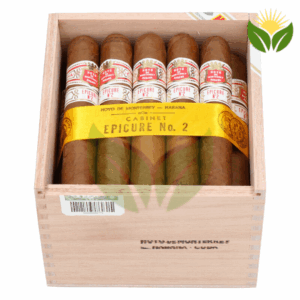
The main difference is the vitola – the No. 2 is a Robusto (4.9″ x 50) while the No. 1 is a Corona Gorda (5.6″ x 46). The No. 1 is longer but slimmer, which gives you a slightly different flavor concentration and smoking time. In terms of blend, they’re similar but not identical – the No. 1 tends to be a bit more refined and elegant, while the No. 2 has slightly more punch and a richer, earthier profile. Both are excellent, but the No. 1 offers more nuance if you’re willing to pay attention.
How long should I age Hoyo de Monterrey Epicure No. 1 cigars?
At minimum, give them three to six months of rest after you receive them, assuming they’re relatively fresh. These cigars really blossom with age though – I’ve found the sweet spot to be around 2-5 years. They’ll smooth out considerably, the cedar notes deepen, and you get more complexity in the cocoa and coffee flavors. That said, they can age beautifully for a decade or more if stored properly at 65-68% humidity. If you’re impatient, you can smoke them younger, but you’re not getting the full experience.
Is the Epicure No. 1 a good cigar for beginners?
I’ll be honest – it depends on what you’re looking for. If you’re brand new to cigars and expecting bold, in-your-face flavors, you might find this underwhelming. The Epicure No. 1 is subtle and refined, which means it’s better appreciated by someone who’s smoked enough cigars to recognize quality and nuance. That said, if you’re a beginner who prefers elegance over power, this could be a great introduction to what premium Cuban tobacco can do. Just make sure it’s been properly aged – young ones can be harsh and might turn you off the brand entirely.
What flavors can I expect from the Epicure No. 1?
The core flavor profile centers around cedar, cream, and cocoa. You’ll get that classic Cuban cedar note throughout, especially prominent in the first and final thirds. The middle section develops nice cocoa and milk chocolate notes with hints of honey sweetness. Coffee appears in the final third, along with some leather and a touch of white pepper. There’s also an almond or hazelnut quality that weaves through the smoke. The key word is balance – nothing dominates, and the flavors transition smoothly rather than jumping around. It’s medium-bodied with enough complexity to keep experienced smokers engaged but without overwhelming subtlety.
How does the Epicure No. 1 compare to other Hoyo de Monterrey cigars?
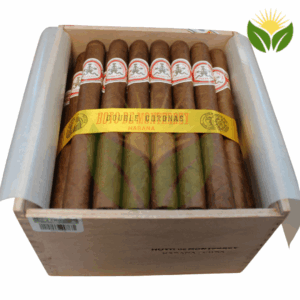
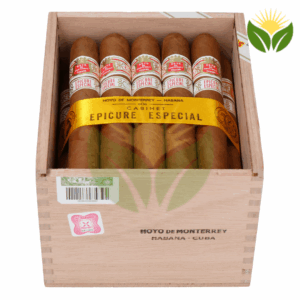
Within the Hoyo lineup, the Epicure No. 1 sits in the middle ground. It’s more complex and fuller than the Le Hoyo series, which tends toward the mild side. Compared to the Epicure No. 2, it’s slightly more elegant and refined, though the No. 2 has a richer, earthier character that some people prefer. The Epicure Especial is longer and larger but shares a similar flavor profile. If you’re looking at the Double Corona, that’s a completely different experience – more time, more tobacco, and it develops differently. The Epicure No. 1 is really the sweet spot if you want that Hoyo refinement with genuine complexity in a manageable size and smoking time.
What’s the best humidity level for storing Epicure No. 1 cigars?
I keep mine at 65-67% humidity, which is slightly drier than the standard 70% you’ll hear thrown around. Cuban cigars in general, and Hoyos specifically, perform better at lower humidity levels in my experience. At 70% they can get spongy and the burn suffers. At 65%, the wrapper stays supple but the cigar burns cooler and more evenly. Temperature matters too – aim for 65-70°F if you can manage it. If you’re in a warmer climate, definitely err on the lower side of humidity to prevent issues. And whatever you do, avoid fluctuations – consistent slightly-low humidity beats wildly fluctuating “ideal” humidity every single time.
Are Hoyo de Monterrey Epicure No. 1 cigars still being produced?
Yes, the Epicure No. 1 is part of the regular production line for Hoyo de Monterrey, not a limited edition or discontinued vitola. Habanos S.A. continues to produce them, though availability can vary depending on production schedules and global distribution. They’re not as readily available as the Epicure No. 2, which is one of Habanos’ best-sellers, but they’re not rare either. If you can’t find them immediately, it’s usually just a matter of waiting for the next shipment rather than hunting down vintage stock. That said, specific aged boxes or particular production years might be harder to find if you’re looking for something specific.
Why This Cigar Belongs in Your Rotation
Look, I get it – there are flashier cigars out there. There are stronger cigars, bigger cigars, cigars with more marketing hype and limited edition bands. But the Epicure No. 1 is what you reach for when you’ve moved past needing to prove anything. It’s the cigar equivalent of that perfectly tailored suit that doesn’t scream designer but everyone knows is quality.
What I love most about these is their consistency. I’ve smoked dozens over the years – maybe hundreds at this point – and the quality control is impressive. Sure, you’ll occasionally get a dud, that’s Cuba, but the hit rate is high. When you pull one from your humidor, you know what you’re getting: an hour of refined, complex smoking that doesn’t demand your complete attention but rewards it when given.
The aging potential alone makes these worth buying by the box. If you can exercise some discipline and let them sit for a couple years, you’ll be rewarded with a cigar that punches way above what people expect from Hoyo de Monterrey. And if you can’t wait – believe me, I understand – even young ones are perfectly smokeable if you pick the right time and setting.
Real talk: if I could only keep five Cuban marcas in my humidor, Hoyo de Monterrey would make the cut specifically because of cigars like this. They represent a style of cigar-making that prioritizes balance and elegance over raw power. In a market that sometimes feels like an arms race to produce the strongest, fullest, boldest smoke, there’s something refreshing about a brand that says “no, we’re going to keep doing what we do well.”
So whether you’re building your first Cuban collection or you’re a seasoned aficionado looking to expand beyond the usual suspects, don’t sleep on the Epicure No. 1. Give it proper rest, pair it thoughtfully, and smoke it when you can actually pay attention. I promise it’ll become a regular in your rotation. And if it doesn’t? Well, I’ll take them off your hands – I can always use another box in the aging cabinet.