Description
Why the Fonseca Cosaco Deserves More Attention Than It Gets
Look, I’m just going to say it – the Fonseca Cosaco is one of the most underappreciated cigars coming out of Cuba right now. And I genuinely don’t understand why more people don’t talk about it. Every time I mention Fonseca at the lounge, guys immediately think “mild, boring, beginner smoke.” But here’s the thing – they’re dead wrong about this particular vitola.
I’ve been smoking Cuban cigars since my first trip to Havana back in ’96, and the Cosaco has earned a permanent spot in my humidor. Not as a morning smoke or something I hand to newbies. This is the cigar I reach for when I want that classic Cuban character without the intensity that makes you need a nap afterward. It’s got personality, complexity, and – this is key – it actually rewards proper aging in ways that’ll surprise you.
What you’re about to read isn’t some generic marketing description. This is what I’ve learned from smoking probably two dozen of these over the years, sometimes fresh off the truck, sometimes with five years on them. The difference is real, and I’ll get into that. Between you and me, if you’re sleeping on Fonseca because you think they’re just “mild cigars for beginners,” you’re missing out on some seriously good tobacco.
The Fonseca Legacy and What Makes the Cosaco Special
Fonseca’s been around since 1907, which – okay, so it’s not the oldest marca in the Habanos portfolio, but it’s got history. Thing is, the brand almost disappeared in the 80s because everyone wrote it off as too mild, too one-dimensional. But Habanos brought it back properly in the early 2000s, and the Cosaco vitola? It’s actually one of their best expressions of what Cuban tobacco can do when you’re not trying to blow someone’s head off with strength.
The Cosaco uses tobacco from the Vuelta Abajo region – and no, that’s not just marketing speak. You can taste the difference between Vuelta Abajo wrapper and stuff from other regions. There’s this almost creamy quality to the wrapper leaf that I associate with that specific terroir. The filler blend is classic Habanos – ligero, seco, and volado leaves all from Cuban farms, giving you that signature profile but in a more… I guess refined package? Not refined like boring. Refined like someone knew what they were doing with the blend.
This cigar is perfect for the smoker who’s moved past the “I need full strength to prove I’m tough” phase – we’ve all been there, don’t lie – and wants actual flavor complexity. It’s also brilliant for those afternoons when you want a proper Cuban but don’t want to be knocked sideways. Morning golf rounds. Business meetings at cigar-friendly venues. That kind of thing.
Technical Specifications
| Specification | Details |
|---|---|
| Vitola | Cosaco (Robusto Extra) |
| Length | 5.5 inches / 140 mm |
| Ring Gauge | 50 |
| Wrapper | Cuban (Vuelta Abajo) |
| Binder | Cuban |
| Filler | Cuban Blend (Vuelta Abajo) |
| Strength | Mild to Medium |
| Smoking Time | 60-75 minutes |
The Smoking Experience – What Actually Happens When You Light This Thing Up
Alright, so let’s talk about what you’re actually going to taste. And I’m probably biased here because I’ve got a thing for cedar-forward profiles, but the Cosaco delivers that in spades.
The First Third: Cold draw first – always do a cold draw, people – and you’re getting hints of hay and maybe a touch of honey sweetness. Not overpowering, just there. Light it up properly (don’t torch it like you’re trying to start a bonfire), and that first third opens with cedar. Not generic “woody notes” cedar. The kind of cedar that reminds me of opening my uncle’s humidor from the 60s – that exact smell. There’s also this underlying cream quality that smooths everything out.
The construction on these is usually pretty solid. I’ve had maybe one or two with draw issues out of all the ones I’ve smoked, which is a better track record than some more expensive marcas I won’t name. The burn line stays relatively even if you’re not puffing like a freight train.
The Middle Section: Here’s where it gets interesting, and – wait, let me back up. If you’re smoking these right off the truck from Cuba, this middle section can be a bit one-note. But give them six months, a year? Oh man. The complexity opens up. You start getting these coffee notes – not espresso bitter, more like coffee with cream – mixing with that cedar base. Sometimes I pick up light pepper on the retrohale, just enough to keep things lively. The aroma at this stage is fantastic. People at the lounge will literally ask what you’re smoking because it smells that good.
The ash holds solid to about an inch, inch and a quarter. Nice light gray color, which tells you the combustion is happening correctly. Some guys obsess over ash length – honestly, I don’t care as long as it’s not dropping in my lap every thirty seconds.
Final Third: This is where milder cigars sometimes fall apart, right? They just kind of fade away into nothing. Not the Cosaco. The strength picks up slightly – you’re definitely at medium by now – and these earth tones come through. Leather, maybe some cocoa if you’re lucky. That spicy pepper note I mentioned? It’s more pronounced now, especially on the retrohale. But it never crosses the line into harsh or bitter, which is the mark of a well-constructed cigar.
The finish is clean. You’re not left with that acrid taste some cigars leave behind. Just pleasant tobacco flavor that lingers for a bit. No joke, I can still taste hints of it twenty minutes later.
How It Stacks Up Against Similar Cigars
| Cigar | Strength | Smoking Time | Best For |
|---|---|---|---|
| Fonseca Cosaco | Mild-Medium | 60-75 min | Daytime smoke, approachable complexity |
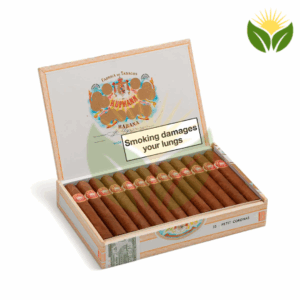
| H. Upmann Half Corona | Mild-Medium | 25-35 min | Quick smoke, similar profile but shorter |
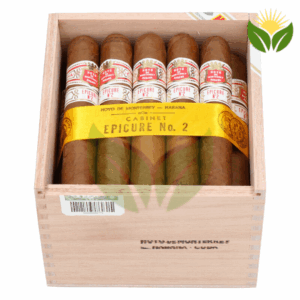
| Hoyo de Monterrey Epicure No. 2 | Medium | 50-60 min | More intensity, earthier profile |
| Romeo y Julieta Wide Churchills | Medium | 60-70 min | Fuller body, more ligero |
What to Drink With It (And When to Smoke It)
Real talk: this cigar is versatile as hell when it comes to pairing. That mild-to-medium strength means it won’t overwhelm most drinks, but it’s got enough flavor to stand up to something with character.
Coffee in the morning? Absolutely works. I’m talking a good Cuban coffee, strong but not burnt-tasting. The coffee notes in the cigar and actual coffee create this nice harmony. Some guys at the lounge swear by pairing it with cognac – a decent VSOP, nothing too fancy – and yeah, I get it. That sweetness plays well with the cedar and cream notes.
But here’s what gets me: it’s exceptional with a light rum. Not spiced rum or anything with flavoring. I mean a quality aged Cuban rum – Havana Club 7 Year or Santiago de Cuba 11 Year if you can find it. The aging process in both the tobacco and the rum creates these complementary flavors that just work. Trust me on this one.
Timing-wise? This is your afternoon cigar. Post-lunch but before dinner. Weekend mornings on the golf course. That time of day when you want something substantial but not overwhelming. I’ve smoked these after dinner too, and they’re fine, but I think you want something fuller-bodied once the sun goes down. Just my opinion.
Aging Potential and Storage Notes
Okay, so here’s where I’m probably going to sound like a broken record, but aging these makes a real difference. And I know this sounds dramatic, but the Cosaco at six months versus three years? Different cigar. Not a subtle difference – a genuine transformation.
Fresh boxes can be a bit tight on the draw and one-dimensional flavor-wise. Give them time at proper humidity – I keep mine at 65% RH, 65°F if possible – and that cedar mellows into something rounder, those coffee and cream notes become more pronounced, and you get complexity that just isn’t there when they’re young. Thing is, these aren’t limited edition cigars, so you can actually afford to buy a box and forget about it for a year or two. Try that with some of the hyped releases and you’re looking at serious money just sitting there.
I’ve got some from 2019 that are absolutely singing right now. Will they keep improving? Honestly, I think five years is probably the sweet spot. Beyond that, you risk them getting too mellow and losing some of that spicy pepper character that keeps things interesting.
Frequently Asked Questions
Is the Fonseca Cosaco too mild for experienced smokers?
Look, I’ve been smoking cigars for almost thirty years, and I still reach for the Cosaco regularly. “Mild” doesn’t mean “boring” – it means the strength isn’t going to knock you sideways. The flavor complexity is absolutely there, especially if you’ve let them age a bit. If you’re the kind of smoker who thinks strength equals quality, then yeah, maybe stick with your full-bodied stuff. But if you appreciate nuanced flavor profiles and actual tobacco taste rather than just nicotine kick, you’ll find plenty to enjoy here.
How long should I age Fonseca Cosacos before smoking?
Minimum six months, ideally a year or more. I know that’s not what you want to hear if you just bought a box, but trust me on this. Fresh Cosacos can be tight and one-dimensional. Give them time at proper humidity (around 65%), and they transform completely. I’ve got some from 2019 that are phenomenal right now – the cedar has mellowed, the complexity has opened up, and that creamy quality becomes more pronounced. If you can’t wait, they’re certainly smokable fresh, just not as good as they could be.
What’s the difference between the Cosaco and other Fonseca vitolas?
The Cosaco sits right in that sweet spot for size and smoking time. It’s longer than a standard robusto, which gives you more time to appreciate the flavor evolution, but it’s not a commitment like some of the larger formats. The 50 ring gauge means you’re getting a good amount of filler tobacco – that’s where the flavor comes from – without it becoming unwieldy. Other Fonseca vitolas like the No. 1 or the Delicias are fine, but the Cosaco’s proportions just work better for showcasing what the blend can do. At least that’s my take after trying most of the line.
Can beginners smoke the Fonseca Cosaco?
Sure, absolutely. The mild-to-medium strength means it won’t overwhelm someone new to Cuban cigars. But here’s the thing – I wouldn’t necessarily recommend it as someone’s very first cigar. Hear me out: the Cosaco has subtlety and complexity that a complete beginner might not appreciate. They might find it “boring” compared to something with more obvious strength or spice. If someone’s had a dozen cigars and wants to explore what Cuban tobacco can do in a more refined package, then yeah, perfect choice. But absolute beginners? Maybe start them with something like an H. Upmann or a milder Romeo y Julieta first.
Why doesn’t Fonseca get as much attention as other Cuban brands?
Honestly? Marketing and perception. Fonseca doesn’t have the name recognition of Cohiba or the romantic history of Montecristo. It’s not a limited edition brand that cigar influencers lose their minds over. It’s just consistently good tobacco at a marca that flies under the radar. Some of us prefer it that way – means the cigars are actually available when you want them, and you’re not paying inflated prices because of hype. But yeah, it’s frustrating when you’re trying to tell people how good these are and they just shrug because it’s not a famous name. Their loss, honestly.
What are the main flavor notes in the Fonseca Cosaco?
Cedar dominates – that classic Cuban cedar that hits you right from the first third. Then you’ve got cream and coffee notes developing in the middle section, especially if they’ve been aged properly. Light pepper on the retrohale that becomes more pronounced in the final third. Earth and leather tones come through at the end. Some cigars also show hints of cocoa and honey sweetness, though that varies box to box. The aroma throughout is fantastic – sweet tobacco smoke with that cedar character. Not gonna lie, the consistency of these flavors is part of why I keep coming back to this vitola. You know what you’re getting, and it’s reliably good.
How does wrapper quality affect the Cosaco’s performance?
The Vuelta Abajo wrapper on these is actually excellent quality – smooth, oily, minimal veins. I’ve seen maybe one or two with cosmetic issues, but functionally they’ve all performed well. That wrapper contributes a lot to the flavor profile, particularly that creamy quality and the cedar notes. It’s also resilient – burns evenly, doesn’t crack or unravel even in less-than-ideal humidity conditions. I’ve smoked these in humid Florida summers and dry Colorado winters, and the wrapper holds up. The construction overall is solid, which matters more than people realize. A beautiful wrapper means nothing if the cigar burns like garbage, but Fonseca seems to have their quality control figured out.
Final Thoughts – Should You Buy Fonseca Cosacos?
If you’ve read this far, you probably already know my answer. The Fonseca Cosaco is one of those cigars that punches above its weight class in terms of quality and flavor complexity. It’s not flashy. It’s not a limited edition release that’ll have people at the lounge asking where you scored it. But it’s consistently excellent, ages beautifully, and delivers that classic Cuban character without beating you over the head with strength.
Is it the best cigar Cuba produces? No, and I’d never claim that. But it’s in my regular rotation for a reason. Actually, scratch that – for several reasons. The cedar-forward profile, the cream and coffee notes, that clean finish, the construction quality… it all adds up to a cigar that deserves way more recognition than it gets.
Grab a box, stick it in your humidor, forget about it for a year. Thank me later when you’re smoking one on a Saturday afternoon and wondering why you waited so long to try it. And hey, if you end up disagreeing with everything I’ve written here, at least you tried something new. But I doubt you’ll be disappointed.