
Description
The Crown Jewel of Cohiba – What Makes the Behike 54 Different
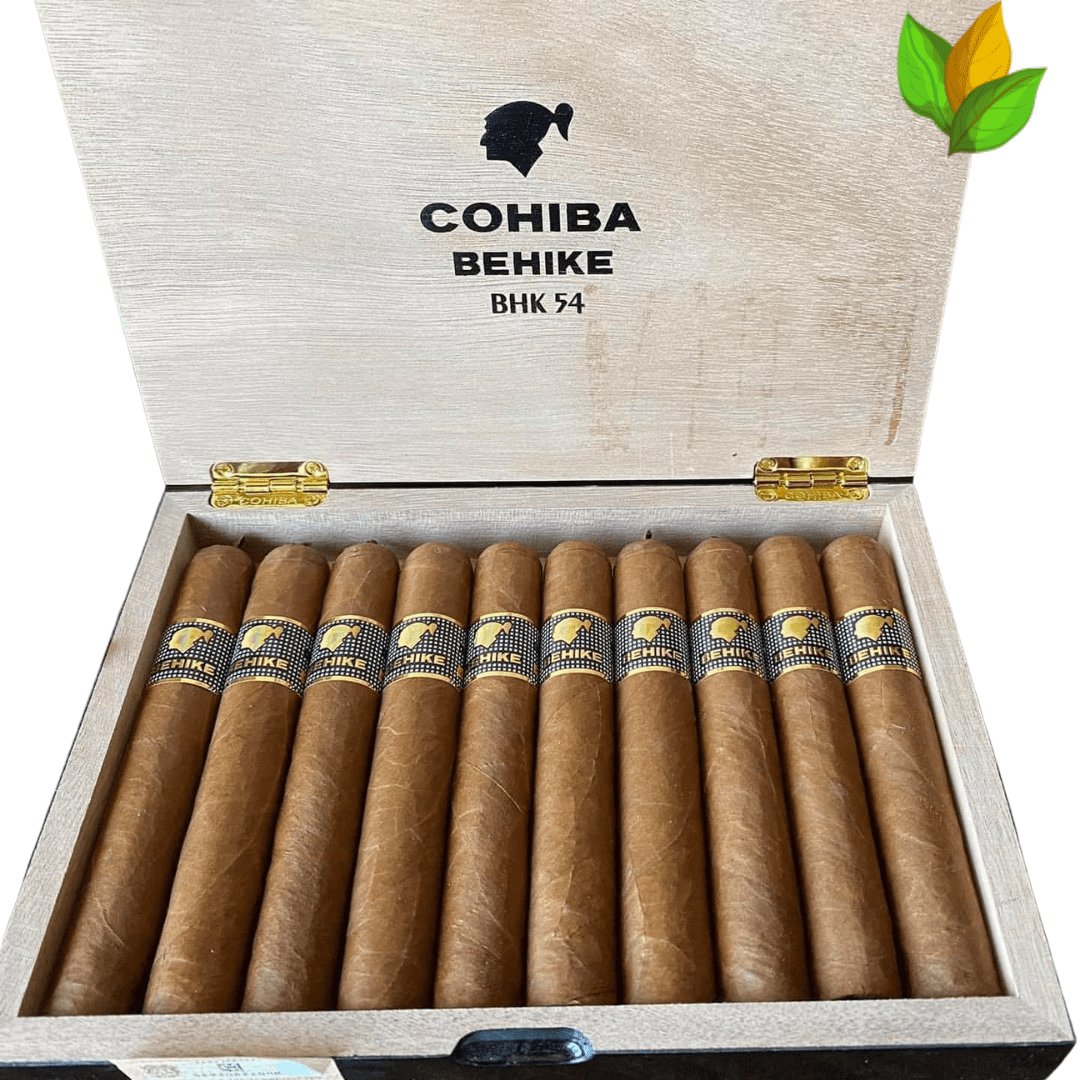
I remember the first time I held a Behike 54. A friend had brought a box back from Havana in 2010 – right when these were still near-impossible to find – and the reverence with which he opened that box told me everything. This wasn’t just another Cohiba. This was something that changed the game entirely. The Behike line introduced something Cuban cigars hadn’t seen before: medio tiempo leaves in the filler blend. That third priming from the top of the tobacco plant, used so sparingly that even legendary marcas had avoided it for production reasons. But Cohiba went there, and the 54 ring gauge vitola might just be the sweet spot of the entire Behike trilogy.
What you’re looking at isn’t just premium – it’s the pinnacle. This is the cigar that makes other luxury smokes look like they’re trying too hard. And yeah, I know that sounds like hyperbole. Smoke one yourself and then we’ll talk.
Why the Behike 54 Sits Alone at the Top
Cohiba has always been Cuba’s flagship brand – the one created in 1966 specifically for Fidel Castro and given as gifts to diplomats before finally being released to the public in 1982. But even within the Cohiba lineup, the Behike series represents something different entirely. Launched in 2006 to commemorate the brand’s 40th anniversary, these cigars aren’t just rare. They’re fundamentally different in composition.
The 54 ring gauge format hits this perfect balance. Not as imposing as the 56, not as slender as the 52 – it gives you enough tobacco mass to showcase that complex filler blend without overwhelming your palate over the 90-minute smoke time. The wrapper is Vuelta Abajo grown, naturally, but it’s selected from the finest leaves in that storied region. We’re talking about tobacco that gets more individual attention than most people give their houseplants.
Who should smoke this? Honestly – and I’ll catch heat for this – I don’t think the Behike 54 is a beginner’s cigar. Not because of strength (it’s surprisingly approachable), but because you need a developed palate to appreciate what you’re getting. This is for the smoker who’s progressed beyond “I taste cedar and leather” into “I taste that specific cedar note you get from Spanish cedar aging combined with a leather quality that’s more saddle than jacket.” If you’re still figuring out the difference between Connecticut and Corojo wrappers, maybe work your way up to this one.
| Specification | Details |
|---|---|
| Vitola | Behike 54 |
| Length | 5.4 inches / 137mm |
| Ring Gauge | 54 |
| Wrapper | Cuban Vuelta Abajo |
| Binder | Cuban |
| Filler | Cuban blend with medio tiempo leaves |
| Strength | Medium to Full |
| Smoking Time | 75-90 minutes |
What Happens When You Actually Light This Thing Up
The cold draw already tells you something’s different. There’s this immediate sweetness – not artificial, but like raw honey mixed with cocoa – and you can detect floral notes that you rarely find in Cuban cigars. That’s those medio tiempo leaves already announcing themselves before you even apply flame.
First third hits smooth. And I mean genuinely smooth, not marketing-copy smooth. The initial flavors lean toward cream and white pepper, with this underlying nuttiness that reminds me of roasted almonds. There’s earth there too – that classic Cuban terroir coming through – but it’s refined. Elegant, if cigars can be elegant without sounding pretentious. The construction on these is typically flawless because Habanos knows the world is watching. I’ve never had a Behike 54 with draw issues, and I’ve smoked – actually, I’ve lost count. More than a dozen, less than fifty. The burn line stays razor-straight, and the ash holds for a solid inch and a half before you need to think about tapping it.
Second third is where this cigar earns its reputation. The complexity ramps up significantly. You start getting these waves of coffee – espresso, specifically, not diner coffee – intermingled with dark chocolate and this spicy component that builds gradually. Not pepper heat, but baking spices. Cinnamon, maybe nutmeg. The leather notes emerge here, and it’s that rich, oiled leather quality that you want from premium habanos. The smoke output is generous without being excessive, and the retrohale – oh man – the retrohale brings out cedar and more of that white pepper, but it’s never harsh. Never punishing. Medium strength at this point, maybe creeping toward medium-full, but still refined.
Final third is where opinions split. Some smokers find it gets a bit too intense, strength-wise. I disagree, but I also tend to smoke these slower than recommended, which helps. The flavors concentrate here – the coffee darkens, the earth becomes more pronounced, and you get these occasional sparks of that spicy character that keep things interesting. The sweetness from the first third returns in a different form, more caramelized now. More developed. If you’re paying attention – and at this point in the smoke you should be – you’ll catch fruit notes. Dried fruit, like figs or dates. It finishes long, smooth, and leaves you wanting another one immediately, which is dangerous given what these cost. But I’m not talking about pricing, so forget I mentioned that.
How Does the Behike 54 Stack Up Against Alternatives?
| Cigar | Strength | Smoking Time | Best For |
|---|---|---|---|
| Cohiba Behike 54 | Medium-Full | 75-90 minutes | Special occasions demanding the absolute best |
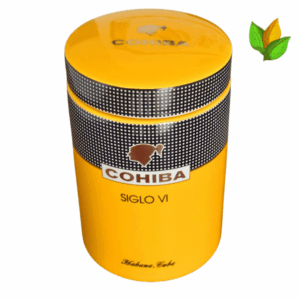
| Cohiba Siglo VI | Medium | 90-110 minutes | Long sessions when you want classic Cohiba character |
| Trinidad Fundadores | Medium | 75-90 minutes | Elegant smoking experience with subtle complexity |
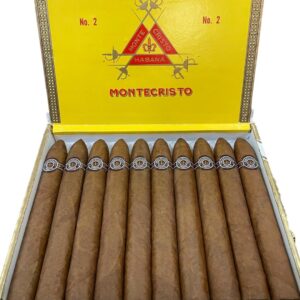
| Montecristo Línea 1935 | Medium-Full | 80-95 minutes | Rich flavors without the Behike’s limited availability issues |
What You Should Pair With This – And When to Smoke It
I’ve experimented more than I probably should have with this. The obvious pairing is aged rum – specifically something like Ron Santiago de Cuba Extra Añejo or Havana Club Unión. The rum’s sweetness and complexity match the cigar’s profile without competing. But honestly? My favorite pairing is a proper espresso. That might sound counterintuitive given the coffee notes already present in the cigar, but they enhance each other rather than creating redundancy. It’s like the cigar and the coffee are having a conversation.
Scotch works if you go Islay – Lagavulin 16 or Ardbeg Uigedail. The peat smoke plays surprisingly well with the earthy tobacco character. Bourbon is trickier; you need something with enough backbone. A cask-strength offering like Booker’s or Stagg can hang, but standard 80-proof expressions get overwhelmed.
Time of day? This is an after-dinner cigar, no question. I’ve tried smoking Behikes in the morning and it just feels wrong – like wearing a tuxedo to breakfast. Late evening, preferably after a substantial meal, when you’ve got nowhere to be for the next two hours. This isn’t a cigar you rush. It’s not a cigar you smoke while doing something else. It demands attention, and it rewards that attention generously.
How does the Behike 54 compare to the 52 and 56 in the same line?
The 52 is more delicate and nuanced – great for smokers who prioritize elegance over power. The 56 is richer and longer-smoking, almost too much tobacco for some sessions. The 54 splits the difference perfectly, giving you enough body to showcase the blend’s complexity while maintaining refinement. I personally reach for the 54 most often, though the 52 has its moments.
What’s this medio tiempo tobacco everyone talks about?
It’s the two leaves from the very top of the tobacco plant, above even the ligero priming. They get maximum sunlight, which concentrates oils and intensifies flavor. Most Cuban cigars don’t use medio tiempo because it’s scarce and difficult to work with – the leaves are small and the yields are minimal. Cohiba uses it in the Behike line exclusively, which partly explains why these cigars taste different from anything else in the Cuban portfolio.
Should I age Behike 54s or smoke them fresh?
This is where I’ll probably annoy some people – I think current-production Behikes are actually best with 2-3 years of humidor time. They arrive smoking well, don’t get me wrong, but the flavors integrate and smooth out with some age. I’ve got a few from 2018 that are phenomenal right now. That said, if you’re not set up for long-term storage with proper humidity control, smoke them as you get them. A well-smoked young Behike beats an improperly stored aged one every single time.
How do I know if my Behike 54 is authentic?
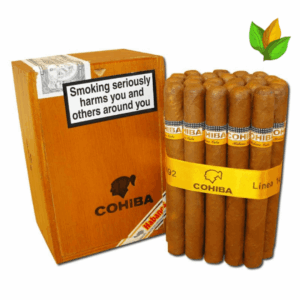
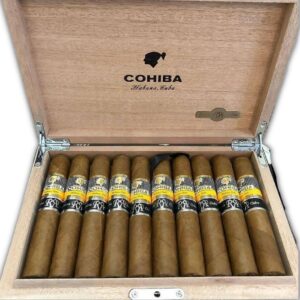
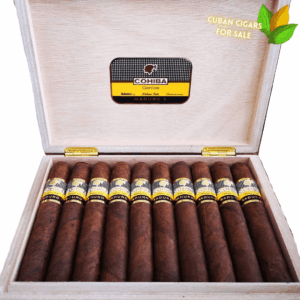
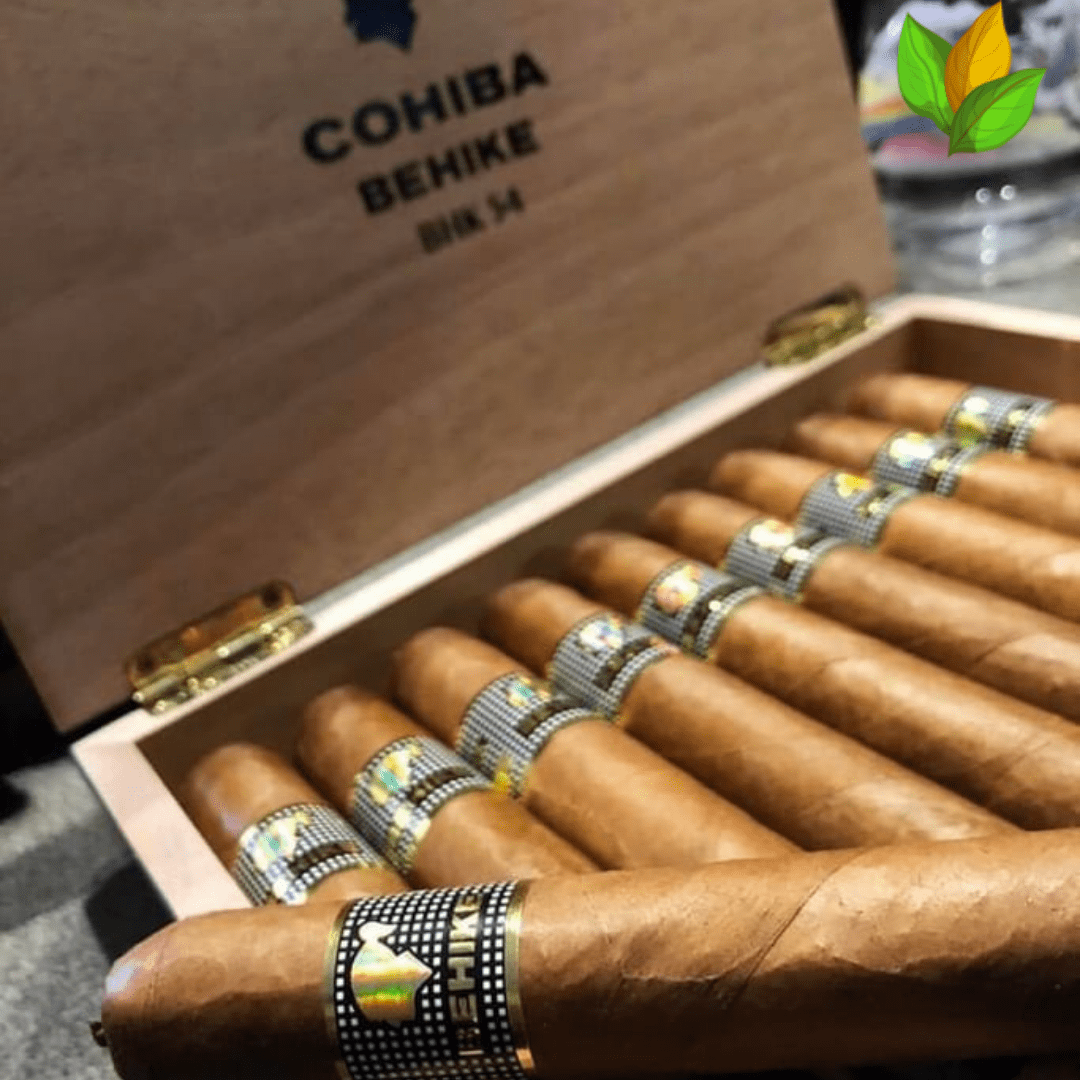
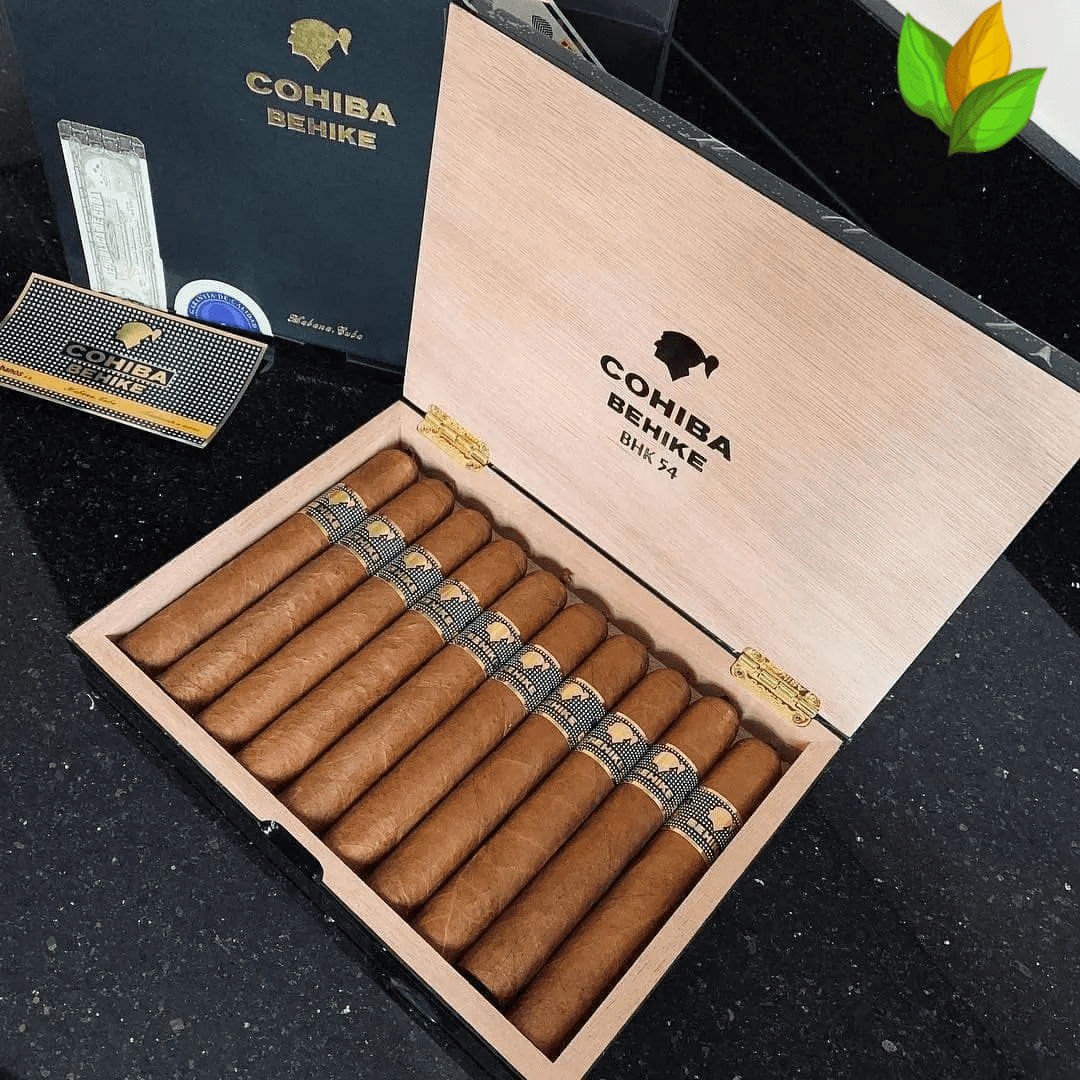
These are heavily counterfeited, so buying from authorized Habanos dealers is non-negotiable. Real Behikes come in lacquered boxes with specific hologram seals. The cigars themselves have immaculate construction – perfect triple-cap, oily wrapper with minimal veins, and that distinctive second band. The weight feels substantial in hand. If you’re getting a “deal” on Behikes from a guy on the internet, you’re getting fakes. Just being honest here.
What strength level is the Behike 54 really?
Officially it’s listed as medium to full, and that’s accurate, but it depends heavily on your smoking pace. If you puff too frequently, the final third can push into full strength territory and potentially cause nicotine overload. Smoked at a relaxed pace – maybe one draw per minute – it stays comfortably in medium-full range. I’ve never felt knocked out by one, but I’ve also been smoking cigars for decades. Your mileage may vary if you’re sensitive to nicotine.
Can I smoke a Behike 54 right out of the box after shipping?
Technically yes, but give it at least a week in your humidor if possible. Shipping stress affects even the best cigars, and letting it rest allows the moisture to redistribute evenly throughout the tobacco. I know the temptation is real when you’ve just received a box, but patience pays off. If you absolutely can’t wait – and I’ve been there – at least let it sit in your humidor for 48 hours minimum.
What occasions actually justify smoking a Behike 54?
This is personal, but I save them for genuinely significant moments. Births, major career achievements, milestone anniversaries – times when you want to mark the memory with something extraordinary. I smoked one when my daughter graduated medical school. Another when I closed on my first house. These aren’t everyday smokes, and treating them as such enhances the experience. That said, if your version of a special occasion is “it’s Saturday and I feel like it,” no judgment here. Life’s too short to save all the good cigars for later.
Final Thoughts From Someone Who’s Smoked Too Many of These
The Cohiba Behike 54 represents what happens when Cuba’s best tobacco growers, blenders, and rollers decide to create something without compromise. It’s not just marketing hype – though there’s plenty of that surrounding these cigars. The smoke itself backs up the reputation. That medio tiempo-enhanced filler creates flavor complexity you genuinely can’t find elsewhere in the Cuban catalog, and the 54 ring gauge format showcases it perfectly.
Is it the best Cuban cigar available? That’s subjective and depends on what you value. But it’s undeniably among the elite tier, and the smoking experience justifies the reverence. If you’ve been considering trying one, stop considering and commit. Just make sure you buy from authorized sources, give it proper humidor time if possible, and set aside an evening when you can give it your full attention. This isn’t background music – it’s a symphony that deserves to be heard.