When a seasoned collector opens a humidor, a faint aroma of aged tobacco often tells stories of limited runs, discontinued lines, and the quiet disappearance of a beloved smoke. Among those vanished Cuban treasures, the Quintero Club stands out as a compact, machine‑crafted cigar that once offered the brand’s signature flavor in a convenient, short format. Though no longer produced, it still piques the curiosity of aficionados seeking a piece of recent Cuban history. This guide walks you through the story, specs, packaging, and the growing appeal of this elusive petit robusto.

The Origins of the Quintero Club
Quintero's portfolio has long been celebrated for delivering robust, full‑bodied Cuban flavor at an approachable price. The brand’s decision to introduce a short, everyday smoke gave rise to the Quintero Club, a petite cigar that bore the factory designation Club. Debuting as part of the regular production lineup, it aimed to capture the classic taste experience in a format that could be enjoyed on the go. Its run, however, proved to be short‑lived; the model was eventually retired, leaving only a limited number of cigars in the hands of retailers and collectors.
Technical Profile: Size, Weight, and Construction
Below is a concise snapshot of the cigar’s key measurements and production details:
- Cigar Name: Quintero Club
- Factory Name: Club
- Ring Gauge: 22
- Length: 96 mm (approximately 3 ¾ inches)
- Official Weight: 1.20 g
- Construction Method: Machine‑made
- Band: None (plain wrapper)
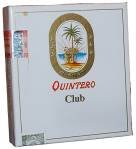
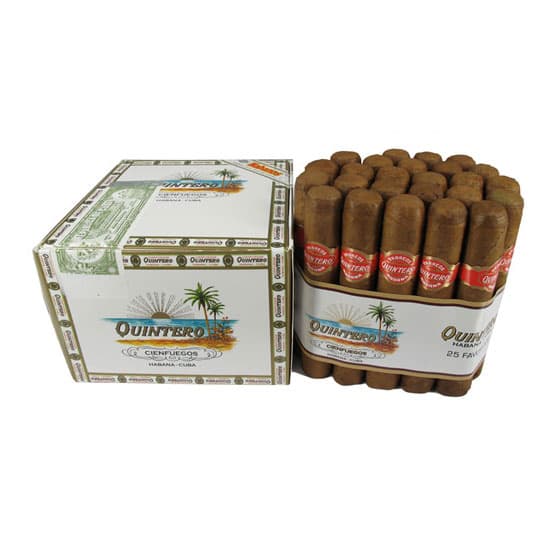
- Packaging: Cardboard pack containing 20 cigars
The machine‑made process ensured a uniform draw and consistent burn, while the absence of a decorative band highlighted the natural, unadorned wrapper. Its modest dimensions placed it in the “small cigar” category, making it an ideal choice for a quick, satisfying smoke without the commitment of a larger vitola.
Packaging and Everyday Appeal
Quintero chose a pragmatic packaging approach for the Club, sealing the cigars in a straightforward cardboard pack of twenty. This format balanced practicality with portability, allowing smokers to keep a modest reserve in a jacket pocket or travel humidor. The lack of elaborate packaging underscored the cigar’s positioning as an everyday, no‑frills option, yet the quality of the tobacco inside remained true to the brand’s reputation. The compact size also meant that each cigar could be enjoyed in a relatively short session, a feature that appealed to those seeking a brief but flavorful interlude.
Collectibility and Market Outlook
Since its discontinuation, the Quintero Club has transitioned from a mainstream product to a niche collectible. While the cigar is no longer produced, leftover stock occasionally surfaces in specialized cigar shops or on the secondary market, often commanding a premium due to scarcity. Collectors value the piece for its historical context—a snapshot of how Quintero experimented with size and accessibility within its lineup. When sourcing these cigars, prospective buyers should verify storage conditions, as machine‑made cigars can be more susceptible to drying out than their hand‑rolled counterparts. In a well‑maintained humidor, the Club can still deliver a pleasant, if modest, smoking experience that reflects the brand’s characteristic earthy and peppery notes.
For those looking to add a unique Cuban artifact to their collection, the Quintero Club offers a compact story, a straightforward design, and a reminder that even the smallest smokes can leave a lasting impression. Whether displayed as a conversation piece or reserved for a quick, nostalgic puff, this discontinued gem continues to intrigue both seasoned enthusiasts and newcomers curious about the rich tapestry of Cuban cigar history.