Brand history
Decoding the Visual Legacy of Quintero Cigar Bands: A Collector’s Guide
For the discerning cigar aficionado, the band wrapped around a Cuban cigar is far more than a decorative label; it is a historical artifact that tells the story of the brand's journey through time. Quintero, a brand renowned for its accessibility and distinct Cuban flavor, offers a fascinating case study in packaging evolution. The shifts in their band designs do not merely reflect aesthetic preferences but serve as critical markers for dating inventory and verifying authenticity. By examining the paper rings that have adorned these cigars over the decades, collectors can unlock a visual timeline that spans from the mid-20th century to the modern day.

The Dominance of the Pre-Modern Standard
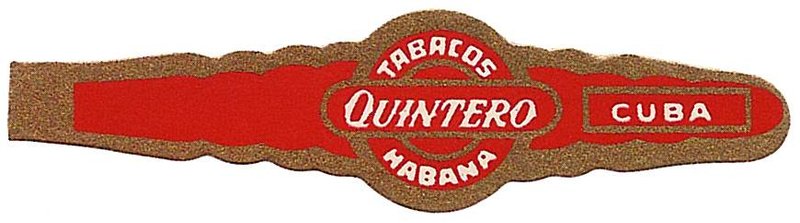
For the better part of a century, Quintero relied on a singular, enduring design that became synonymous with the brand's identity. This specific labeling, often referred to in collecting circles as the "Standard A" design, enjoyed a remarkable production run that began prior to the 1960s and persisted all the way through 2018. This longevity makes it the most frequently encountered band among vintage Quintero stocks found in auction houses and private collections today.
One of the defining characteristics of this long-running band is its production method. Unlike some of the more opulent labels produced by other Cuban marques during the same era, this Quintero standard issue was manufactured without embossing. The design relies on flat printing rather than raised textures, a subtle detail that helps collectors distinguish it from earlier, more experimental presentations. The discontinuation of this band in 2018 marked a significant turning point, signaling the end of a visual tradition that had defined the brand for nearly sixty years.
The Contemporary Transformation
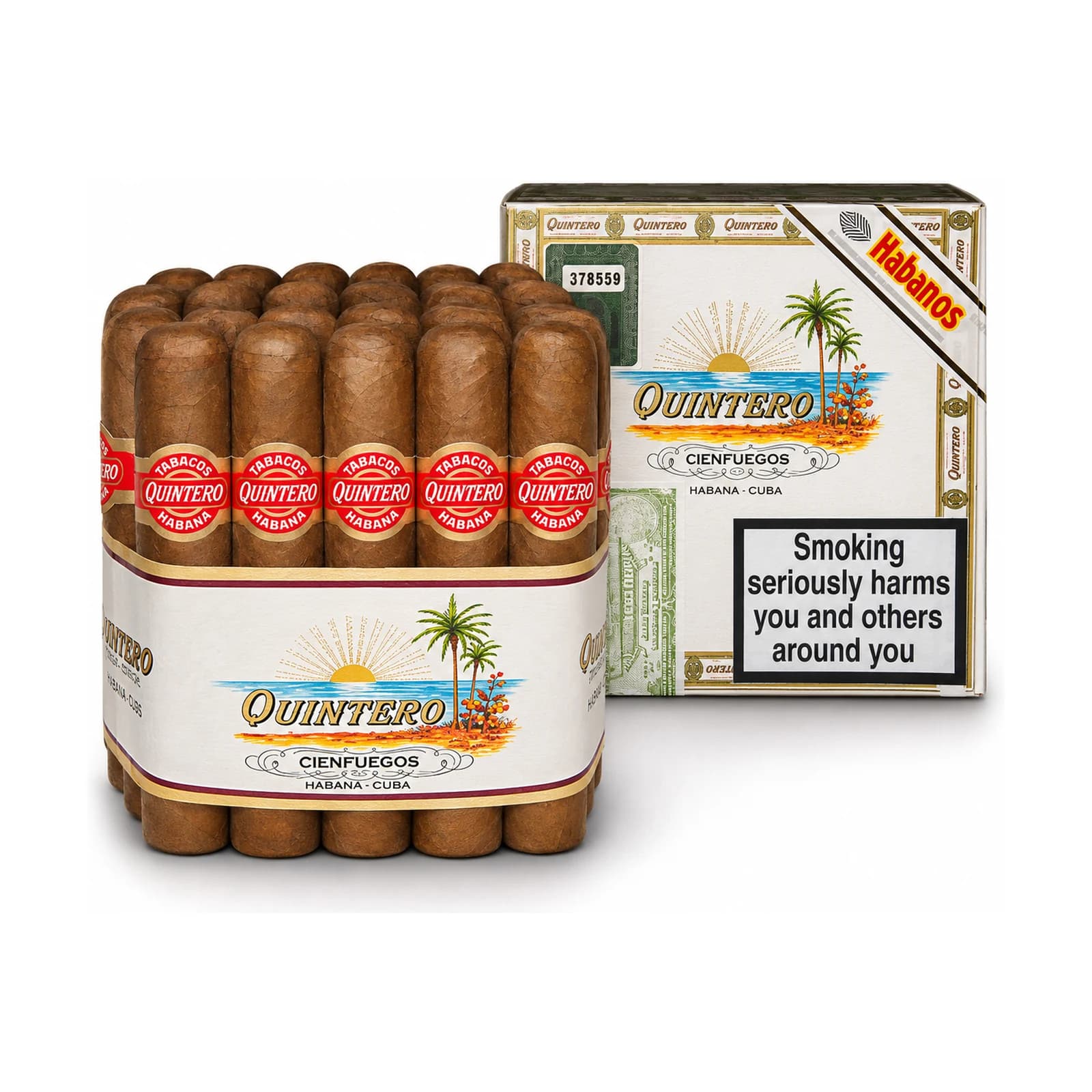
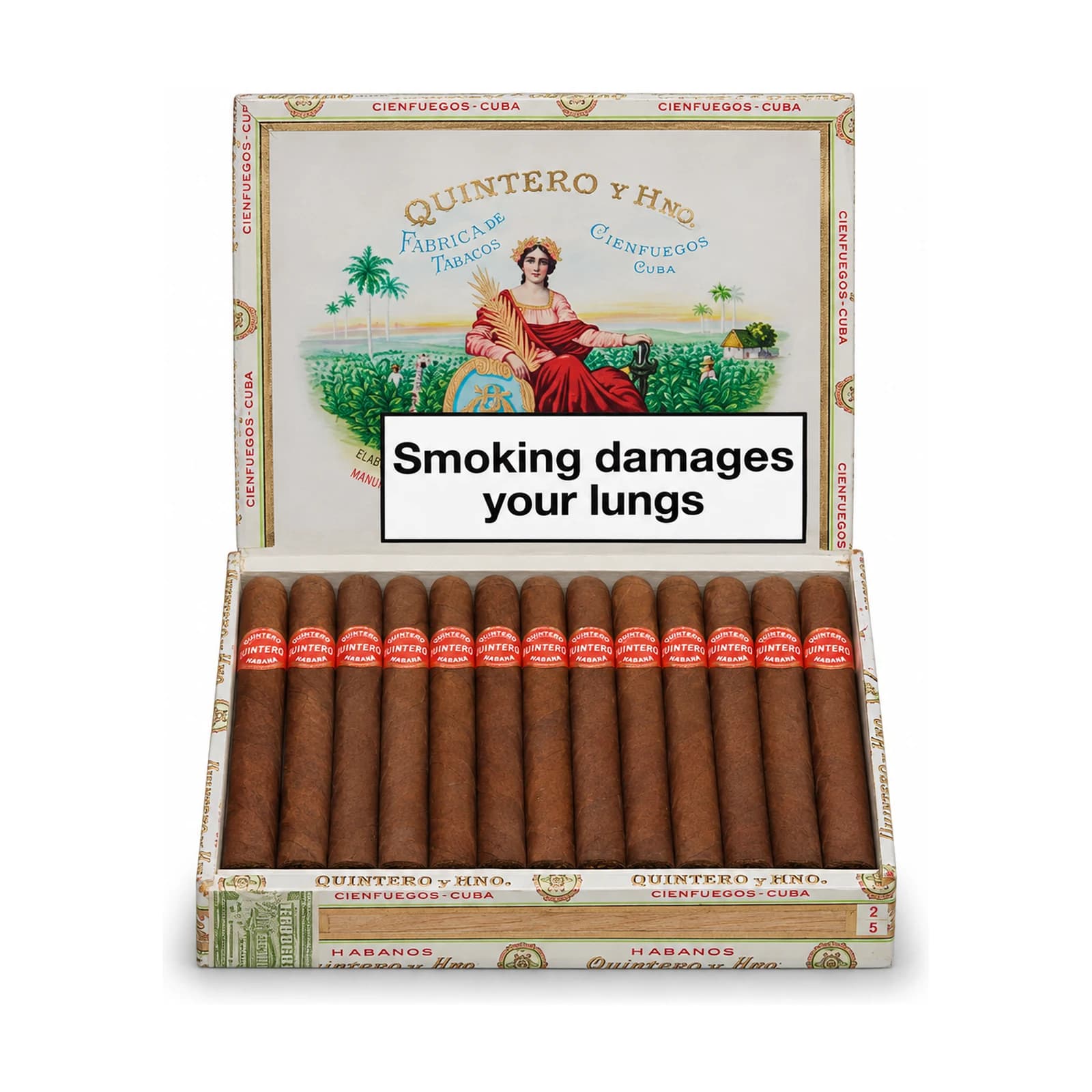
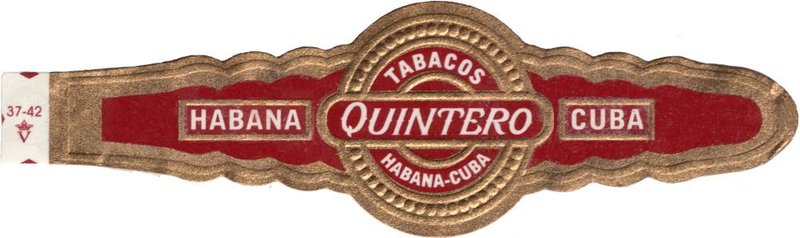
As the global cigar market evolved, Habanos S.A. made the decision to revitalize the visual presentation of the Quintero brand. In 2018, the decades-old standard design was officially retired and replaced by a modernized aesthetic. This new iteration, known as the "Standard B" band, represents the current face of Quintero in tobacco shops worldwide. The introduction of this new band was not merely a cosmetic update; it served as a clear demarcation line between the brand's extensive historical past and its current production era. For collectors, the presence of this modern band immediately identifies the cigar as a post-2018 release, ensuring clarity regarding the cigar's age.
Specialized Bands for Specific Vitolas
While the standard bands provide a broad overview of the brand's timeline, the true depth of Quintero's visual history is found in its specialized custom bands. During earlier production periods, specific vitolas were granted their own unique presentations, moving beyond the standard branding to create distinct identities for different formats. These custom designs are now highly prized for their historical significance and relative scarcity compared to the standard production runs.
The Brevas Custom Design
In the brand's early years, the Brevas vitola was dressed with a dedicated custom band. This specialized labeling shared a production trait with the long-running Standard A: it was produced without embossing. The aesthetic was clean and direct, reflecting the brand's positioning as a straightforward, everyday smoke rather than a luxury luxury item. This lack of texture remains a key identifier for enthusiasts seeking to authenticate early Brevas boxes.
The Conchas Distinction
The Conchas format, conversely, received a slightly more sophisticated treatment. While many bands of the era were flat, the custom band designed for the Conchas featured minor embossing. This addition of texture provided a subtle visual and tactile elevation, distinguishing it from the Brevas variant and the standard bands of the time. For the sharp-eyed collector, this embossing is a crucial detail that separates the early Conchas presentation from other Quintero offerings of the same epoch.
Key Identification Markers
When assessing vintage Quintero cigars, visual cues are the primary method for determining provenance. The following list outlines the primary distinctions between the major band types:
- Standard Band A (Pre-1960s – 2018): The most common vintage find; characterized by a distinct lack of embossing and a design that remained static for decades.
- Standard Band B (2018 – Present): The current market standard; represents the modernized look introduced after the discontinuation of the classic band.
- Early Custom Brevas: A specialized band for the Brevas vitola; features no embossing consistent with the brand's accessible image.
- Early Custom Conchas: A unique presentation for the Conchas format; distinguished by minor embossing that sets it apart from other contemporary Quintero bands.
Reader questions
Questions & answers
How can I identify authentic vintage Quintero cigar bands?
Asked by AficionadoMike · Jan 25, 2026
To identify authentic vintage Quintero cigar bands, look for Standard Band A, which remained in production from pre-1960s through 2018—nearly six decades. This makes it the most commonly encountered band among vintage Quintero cigars. Examine the band for consistent coloring, proper typography, and paper quality. Familiarize yourself with the specific era's design characteristics, as variations can help determine age and authenticity. Premium vintage selections like the <a href="/cohiba-behike-52">Cohiba Behike 52</a> often feature complementary band designs worth studying.
Cuban Cigars For Sale · Jan 25, 2026
What is the most common Quintero cigar band design?
Asked by CigarGifter · Jan 24, 2026
Standard Band A is the most common Quintero cigar band design, serving as the brand's primary band from pre-1960s through 2018. This nearly 60-year production run makes it the band collectors encounter most frequently in the secondary market. The design reflects the brand's classic aesthetic and underwent subtle modifications during its long production run. Understanding this band's characteristics is essential for any serious Cuban cigar collector. Pairs well with studying other iconic bands like those on the <a href="/montecristo-edmundo">Montecristo Edmundo</a>.
Cuban Cigars For Sale · Jan 24, 2026
Are vintage Quintero cigars worth collecting?
Asked by TobaccoEnthusiast · Jan 9, 2026
Vintage Quintero cigars are definitely worth collecting, particularly those with Standard Band A design from the pre-1960s to 2018 era. These bands provide valuable authentication clues and historical context. As one of Cuba's longer-running brands, Quintero offers accessible entry points into Cuban cigar collecting compared to ultra-premium brands. Condition, provenance, and proper storage significantly impact value. The <a href="/cohiba-siglo-ii">Cohiba Siglo II</a> demonstrates how band evolution tracks brand history.
Cuban Cigars For Sale · Jan 9, 2026
How do Cuban cigar band designs differ between old and modern cigars?
Asked by FirstTimeBuyer · Dec 27, 2025
Cuban cigar band designs have evolved significantly over decades, with older bands like Quintero Standard Band A (pre-1960s-2018) featuring simpler typography and materials. Modern bands incorporate enhanced security features, more vibrant colors, and detailed branding reflecting contemporary manufacturing standards. These changes mirror broader shifts in Cuban cigar production and global marketing strategies. Collectors use these visual differences to date vintage cigars and verify authenticity. The contrast is visible when comparing classic bands to newer releases like the <a href="/cohiba-behike-52">Cohiba Behike 52</a>.
Cuban Cigars For Sale · Dec 27, 2025