In the world of premium Cuban cigars, certain vitolas emerge briefly before vanishing into history, leaving behind only the memories of those who smoked them and the faint aroma of aged tobacco. The Sancho Panza Tronquitos stands as one such phantom—a handcrafted perfecto that once graced the humidors of connoisseurs before fading into discontinuation during the 1980s. For modern collectors, this modest Corona-sized smoke represents not merely a cigar, but a tangible connection to an era when Cuban cigar factories operated under different philosophies and production methods. Today, surviving specimens have become prized acquisitions, sought after by those who wish to experience—or simply possess—a piece of Cuban heritage that slipped away over three decades ago.

Origins and Historical Significance
The Tronquitos entered the world of Cuban cigar production well before the dramatic changes that swept through the industry following the 1959 revolution. This timing proves crucial for understanding the cigar's place in history, as it was born during an era when traditional Cuban brands commanded unwavering loyalty from smokers across the globe. The vitola maintained its position within the standard offerings of the Sancho Panza house for approximately thirty years—a remarkable feat in an industry where tastes shift and production schedules change with alarming regularity.
Sancho Panza, a brand named after the squire in Cervantes' legendary novel, established itself as a purveyor of dependable, classic smokes that appealed to smokers seeking authentic Cuban character without ostentatious presentation. The Tronquitos fit perfectly within this philosophy, offering a medium-bodied experience that represented the brand's commitment to accessibility alongside quality. When production ceased in the 1980s, it marked the conclusion of a chapter that had begun when this particular vitola first rolled off production tables in Havana.
Technical Specifications and Construction
Understanding the physical characteristics of the Tronquitos requires attention to detail, as these specifications define what collectors seek when acquiring surviving examples. The vitola measured precisely 142 millimeters in length, translating to five and five-eighths inches—a dimension that placed it squarely within the Corona classification by industry standards. Its 42-ring gauge contributed to a slender, elegant silhouette that allowed for even burning and consistent draw throughout the smoking session.
- Factory designation: Coronas
- Ring gauge: 42
- Length: 142 mm (5⅝ inches)
- Official weight: 9.29 grams
- Manufacturing method: Fully handmade construction
- Band configuration: Standard A and B bands characteristic of the brand
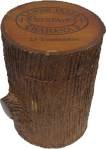
- Packaging format: Tree-branch humidor containing 25 cigars
- Production status: Discontinued during the 1980s
The construction quality reflected the meticulous standards of Cuban factories during the period, with skilled torcedors (cigar rollers) applying their craft to create a product that would age gracefully over decades. The distinctive tree-branch humidor presentation demonstrated the brand's attention to aesthetic details—these wooden humidors, designed to mimic natural branches, offered both functional preservation and visual distinction that set this release apart from standard box packaging.
Smoking Experience and Character
The Tronquitos would have delivered a moderate smoking duration, making it an attractive option for enthusiasts who desired the full Cuban experience without committing to the extended sessions that larger formats demand. The Corona format historically offered balance between complexity and accessibility, allowing the nuanced flavors of aged Cuban tobacco to express themselves within a manageable timeframe.
Collectors who have experienced aged specimens report that the passage of time has softened any harsh edges while developing secondary characteristics that only emerge through proper aging. The handmade construction ensured that each cigar possessed individual personality—a quality that machine-made counterparts could never replicate. The combination of traditional rolling techniques and premium Cuban long-filler tobacco created a smoking profile that contemporary enthusiasts can only imagine based on historical accounts and the rare surviving specimen.
Collector's Legacy and Market Position
Today, the Sancho Panza Tronquitos occupies a unique niche within the collecting community. While not among the most famous discontinued Cubans, it represents an accessible entry point for collectors seeking authentic mid-century production examples without the stratospheric prices commanded by more celebrated vitolas. The combination of reasonable scarcity, historical significance, and connection to a beloved brand ensures continued interest from both seasoned collectors and newcomers to the hobby.
The discontinuation during the 1980s marked more than the end of a single vitola—it signaled the closing of an era in which certain production philosophies and presentation styles held sway. As Cuban cigar manufacturing continues to evolve, the Tronquitos serves as a reminder of the craftsmanship and tradition that defined an earlier generation of premium cigar production.