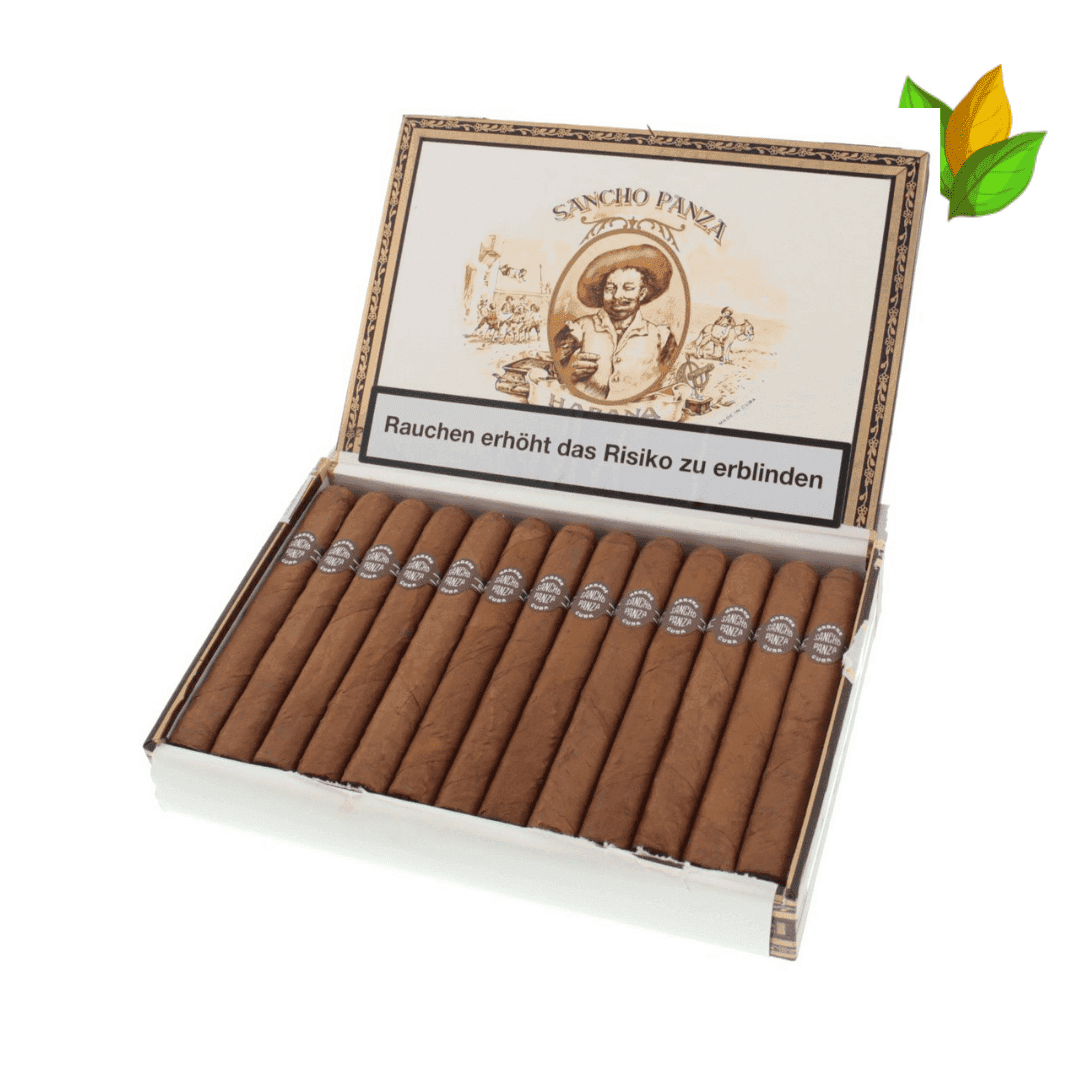
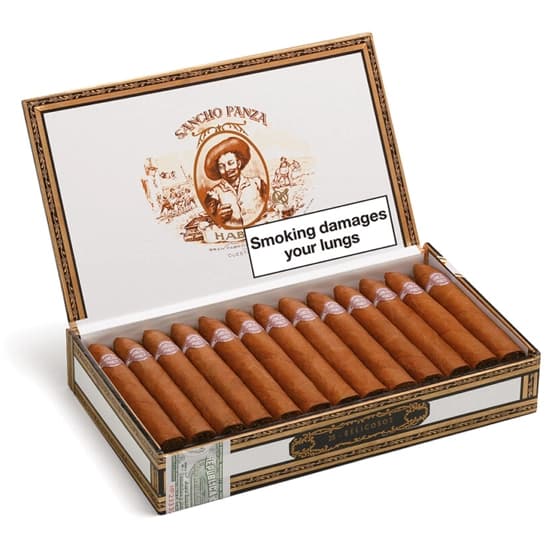
The world of premium Cuban cigars is filled with legends that have come and gone, but few departures have left as distinct a void as the Sancho Panza Coronas. For connoisseurs who came of age in the late twentieth century, this cigar represented an accessible entry point into the rich heritage of Havana's cigar-making tradition. Its disappearance from store shelves in 2006 marked the end of an era that stretched back to the days before the Cuban Revolution, leaving behind only memories and increasingly rare boxes in the humidors of dedicated collectors.

A Literary Legacy in Tobacco Form
The Sancho Panza brand draws its identity from one of literature's most beloved characters—the loyal squire who accompanied the delusional knight Don Quixote on his misadventures through the Spanish countryside. Miguel de Cervantes created Sancho Panza as the grounded, practical counterpart to his master's wild fantasies, and the cigar bearing his name embodied similar virtues: unpretentious, reliable, and satisfying without pretense.
Habanos S.A., the state-owned tobacco company responsible for Cuba's cigar exports, cultivated this brand as a workhorse in their portfolio. The Coronas vitola stood at the center of the lineup, delivering exactly what seasoned smokers expected from the Cuban tradition. Its disappearance after nearly fifty years of continuous production signaled a shift in the company's strategy, one that would see several historic marques fade into memory.
The Architecture of a Classic Corona
Measuring 142 millimeters (approximately five and five-eighths inches) with a ring gauge of 42, the Sancho Panza Coronas adhered to one of the most revered formats in cigar history. The corona size has long been considered the measuring stick against which all other vitolas are judged—neither too thick nor too thin, neither too short nor too long. This dimension allows the three components of a cigar's blend to express themselves with equal voice.
As a fully handmade creation, each Coronas rolled off the benches of Havana's skilled torcedores. The wrapper leaf carried the visual signature of Cuban-grown tobacco, while the binder and filler worked in concert to produce the medium-bodied profile that defined the brand. Weighing in at 9.29 grams, the cigar offered a smoking time ideally suited to contemplation—long enough to develop complexity, yet manageable enough for everyday enjoyment.
Technical Specifications
- Vitola: Coronas
- Factory designation: Coronas
- Dimensions: 142 mm × 42 ring gauge
- Production method: Entirely handmade
- Years of manufacture: Pre-1960 through 2006
Packaging Evolution Through the Decades
The presentation of Sancho Panza Coronas evolved considerably throughout its production run, reflecting changes in both marketing philosophy and manufacturing practices. Early iterations appeared in Slide Lid Boxes containing fifty cigars—a substantial quantity that spoke to the cigar's positioning as a daily companion rather than a special occasion luxury. These earlier boxes arrived without bands, a common practice for value-oriented offerings during that period.
Subsequent packaging included Dress Boxes of twenty-five cigars wrapped individually in cellophane, a format that fell out of production during the early 1990s. The final presentation, which remained until discontinuation, consisted of an unadorned Dress Box holding twenty-five naked cigars. Throughout these transitions, the bands themselves underwent revisions, with designs A, B, and C appearing across different production eras. Each variation now serves as a marker for collectors attempting to date their acquisitions.
From Humidor Staple to Collector's Prize
What once occupied the regular rotation of countless enthusiasts has transformed into something far more exclusive. The Sancho Panza Coronas that once sat comfortably in the "affordable and dependable" category now commands attention in auction catalogs and specialty retailer backrooms. Boxes that changed hands for modest sums during their production years have appreciated considerably, driven by the irreversible nature of their scarcity.
The character that defined these cigars—a medium-bodied profile with notes that reflected Cuba's distinctive terroir—remains frozen in time within aging stock. Those fortunate enough to possess well-preserved examples hold not merely tobacco, but a tangible connection to an earlier chapter of Cuban cigar production. The Sancho Panza Coronas serves as a reminder that even the most established traditions eventually yield to commercial realities, leaving collectors to preserve what industry has chosen to abandon.