Among the pantheon of Cuban cigar marcas that have shaped the world of premium tobacco, few names evoke the literary charm of Sancho Panza. This beloved brand, which draws its identity from the faithful companion of Don Quixote, produced a limited array of vitolas throughout the mid-20th century. One such creation—the Cabinet Petit Royals—represents a delicate footnote in Cuban cigar heritage, a vitola that emerged before the dramatic transformations of the 1960s and quietly faded away during a period of industrial reorganization. Today, these discontinued beauties command the attention of serious collectors and historians who seek to understand the full tapestry of Cuban cigar craftsmanship.

A Journey Through Time
The origins of the Cabinet Petit Royals trace back to the years preceding 1960, placing this vitola squarely within the golden era of Cuban cigar production. During this formative period, Havana's factories were producing some of the most celebrated smokes in history, establishing reputations that continue to resonate with aficionados worldwide. The Cabinet Petit Royals entered this prestigious landscape as a handcrafted offering that embodied the meticulous standards of its era.
However, the cigar's production run proved relatively brief. By the 1970s, the Cabinet Petit Royals had been retired from regular manufacturing—a casualty of broader changes sweeping through Cuba's nationalized tobacco industry. As the government consolidated operations and streamlined brand portfolios, numerous vitolas were discontinued to focus resources on more popular offerings. The Cabinet Petit Royals, despite its craftsmanship and appeal to contemporary smokers, ultimately could not survive this period of rationalization. Its disappearance marked the end of a particular chapter in the Sancho Panza legacy.
Technical Specifications
The Cabinet Petit Royals occupied a comfortable middle ground in terms of dimensions, offering smokers a substantial experience without the commitment required by larger formats. Here are the key measurements that define this vintage vitola:
- Length: 118 millimeters (approximately 4⅝ inches)
- Ring Gauge: 46
- Weight: 8.97 grams
- Construction: Exclusively handmade
These specifications positioned the Cabinet Petit Royals as an ideal choice for smokers seeking complexity in a manageable timeframe. The 46-ring girth provided enough tobacco mass to develop layered flavors, while the moderate length ensured a smoking session of reasonable duration—neither rushed nor exhaustive. At just under nine grams, each cigar delivered the heft and presence that distinguished premium Cuban products from lesser alternatives.
Craftsmanship and Presentation
Every Cabinet Petit Royals was constructed entirely by hand, reflecting the artisanal traditions that defined Cuban cigar making before automation became prevalent. Master rollers selected and blended premium Vuelta Abajo leaves, carefully assembling each vitola with the precision that decades of practice had refined. This handmade approach ensured consistent quality while allowing subtle variations that many enthusiasts find appealing in vintage productions.
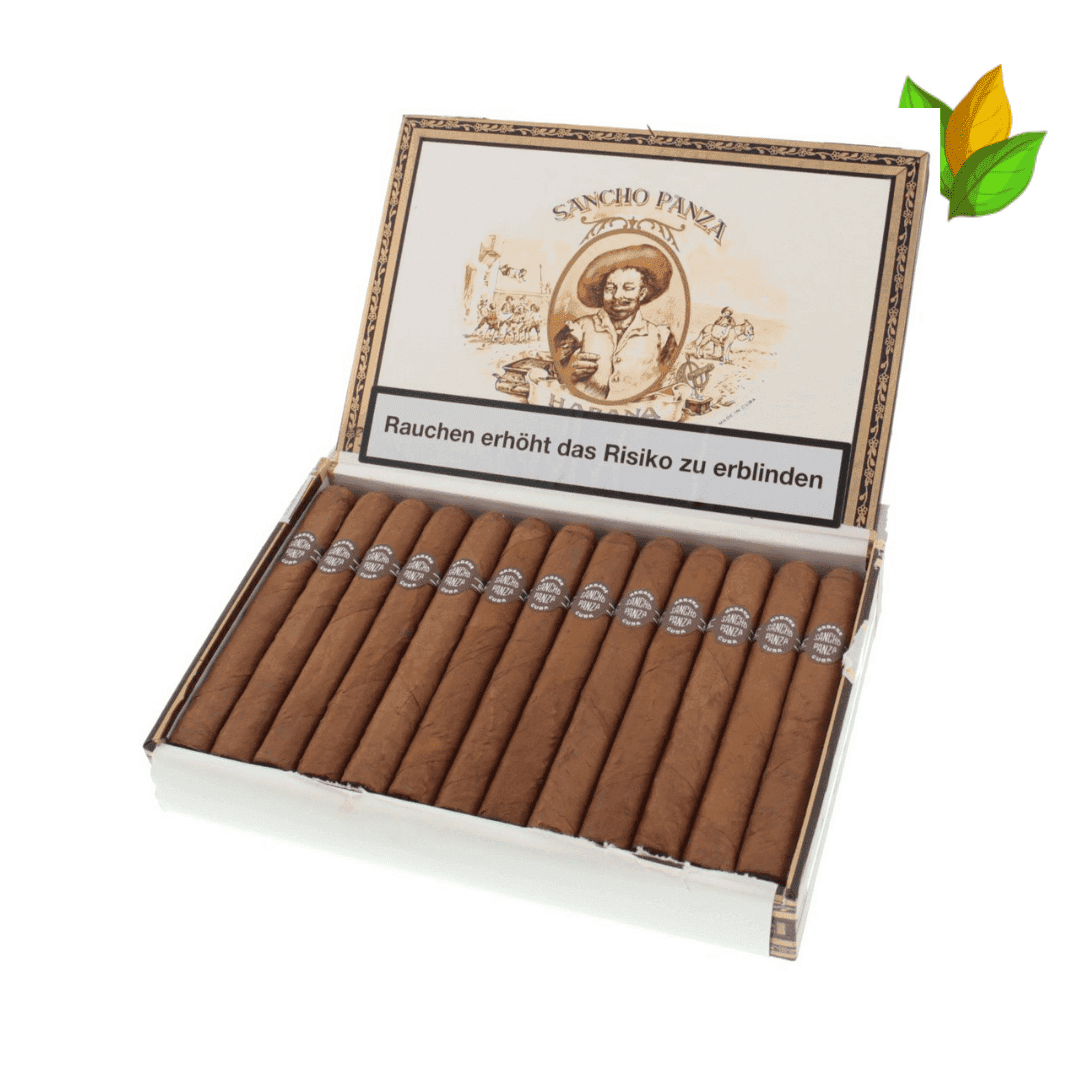
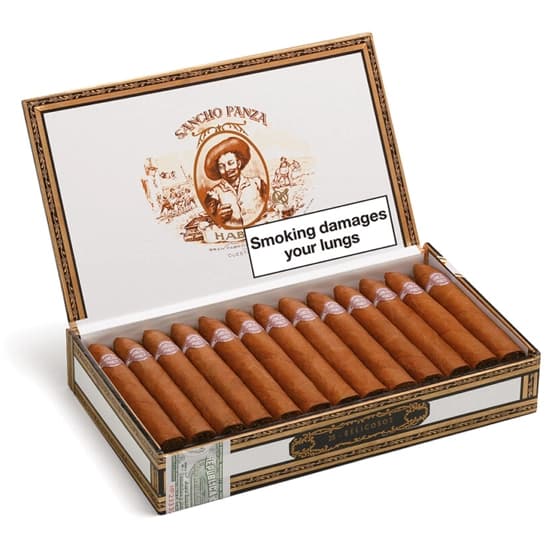
The visual identity of the Cabinet Petit Royals featured the Standard Band A—a design element shared across the Sancho Panza marca. This band communicated authenticity and brand heritage, marking each cigar as part of a distinguished lineage. When removed from its packaging, the cigar presented itself with the understated elegance characteristic of mid-century Cuban productions.
Regarding packaging, these vitolas were housed in slide lid boxes containing 25 cigars each. This classic presentation format served both practical and aesthetic purposes. The wooden boxes protected the cigars during storage and transportation while allowing proper aging. For retailers and collectors, the 25-count configuration represented standard production quantities, indicating that the Cabinet Petit Royals was intended for regular market availability rather than limited special releases.
Collectibility and Legacy
In contemporary times, surviving examples of the Cabinet Petit Royals have become increasingly scarce. The combination of limited production, decades of consumption, and natural degradation has elevated these cigars to collectible status. Enthusiasts who appreciate vintage Cuban tobacco often seek out remaining specimens, though the difficulty of locating well-preserved pieces cannot be understated.
The historical significance of the Cabinet Petit Royals extends beyond its smoking qualities. This vitola serves as tangible evidence of the creative diversity that characterized Cuban cigar manufacturing during the golden age. Before standardization swept through the industry, brands like Sancho Panza enjoyed latitude to experiment with distinctive vitolas that catered to specific preferences. The Cabinet Petit Royals embodies this spirit of variety, representing an era when smokers could choose from a broader spectrum of shapes and sizes.
For those fortunate enough to encounter authentic Cabinet Petit Royals, the experience offers a connection to Cuban cigar heritage that modern productions cannot replicate. These artifacts of tobacco history remind us of an industry in transformation—a snapshot of craftsmanship, tradition, and change preserved in cedar boxes and humidor drawers across the world.