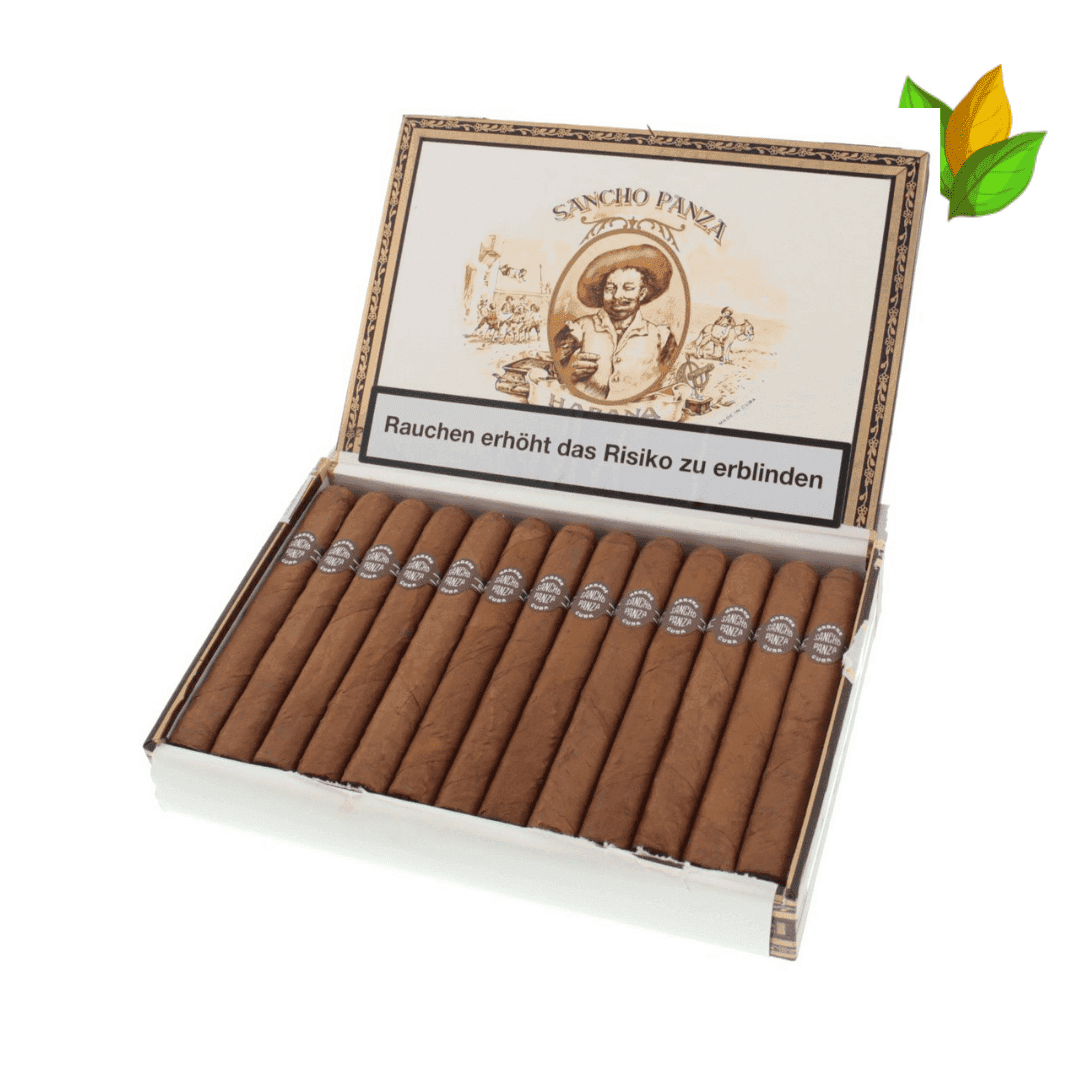
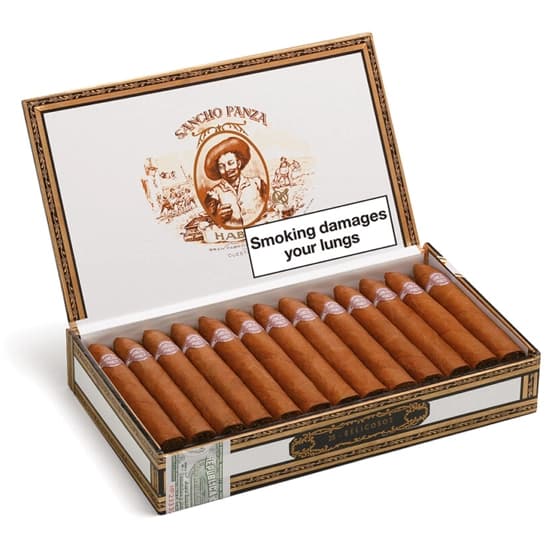
Among the pantheon of legendary Cuban cigars, few names evoke the same sense of tradition and craftsmanship as the Sancho Panza brand. Within its storied catalog, one particular vitola stands out for its remarkable longevity and distinctive character: the Bachilleres. This slender, handcrafted masterpiece graced the humidors of connoisseurs for nearly half a century before its eventual departure from production, leaving behind a legacy that continues to captivate collectors and enthusiasts to this day.

Origins and Early Years
The Bachilleres made its debut in the Cuban cigar market before the transformative year of 1960, establishing itself as one of the foundational shapes within the Sancho Panza portfolio. During this formative period, Cuban cigar manufacturers were refining their approaches to blending and construction, and the Bachilleres emerged as an embodiment of the brand's dedication to consistent quality. Its introduction came at a time when the cigar industry was evolving rapidly, yet this particular vitola managed to carve out a loyal following that would persist through decades of change. The Bachilleres represented more than just a product; it symbolized the enduring spirit of a brand that valued heritage and excellence in equal measure.
Technical Specifications and Construction
Measuring 116 millimeters in length with a 40-ring gauge, the Bachilleres presented itself in the classic petit corona format that has long been prized by smokers seeking a refined, shorter smoking experience. The vitola's dimensions translated to an official weight of 6.72 grams, positioning it as a lightweight yet substantive option for those occasions when time was limited but the desire for a quality smoke remained paramount. Throughout its entire production run, the Bachilleres remained exclusively handmade, adhering to traditional Cuban rolling techniques that emphasized artisanal skill over mechanized efficiency. The factory designation for this vitola was Franciscanos, a name that echoed through the corridors of Cuban cigar manufacturing history and added another layer of authenticity to its provenance.
Packaging Evolution and Presentation
The Bachilleres underwent several packaging transformations during its extensive market presence. Initially, this vitola was packaged in slide-lid boxes designed to hold 50 individual cigars, a format that catered to retailers and dedicated enthusiasts who preferred purchasing in bulk. However, as the new millennium approached, this traditional packaging option was gradually phased out, reflecting shifting consumer preferences and market dynamics. In contrast, a dress box configuration containing 25 cigars maintained its availability throughout the remainder of the Bachilleres' production life, offering a more compact alternative for those with modest requirements or limited storage space.
Regarding band designations, the Sancho Panza brand employed three distinct band variations—labeled A, B, and C—across different eras of production. Interestingly, the larger 50-cigar slide-lid boxes contained unbanded cigars, presenting a more austere and traditional aesthetic that appealed particularly to collectors who appreciated the unadorned beauty of the tobacco itself. This deliberate omission of bands created a unique presentation style that distinguished certain releases from their more conventionally adorned counterparts.
Legacy and Collectibility
When production ceased in 2006, the cigar world lost one of its most consistent performers—a vitola that had faithfully served aficionados for approximately 46 years following its pre-1960 introduction. The discontinuation marked the conclusion of an extraordinary production run that spanned multiple generations of Cuban cigar manufacturing, encompassing periods of significant historical change while maintaining its essential character and quality. For those who had grown accustomed to the Bachilleres' particular smoking profile and dimensions, its absence created a palpable void in the market.
Today, remaining specimens of the Bachilleres command attention in collector circles and command premium prices among those seeking to experience or preserve a piece of Cuban cigar heritage. While the brand has since introduced alternative releases such as the Siglo XXI and Millennium Humidor editions, none have quite replicated the singular appeal of the original Bachilleres. This vintage vitola remains a testament to an era when patience, skill, and traditional methods defined the art of Cuban cigar making, ensuring its place in the annals of cigar history for generations to come.