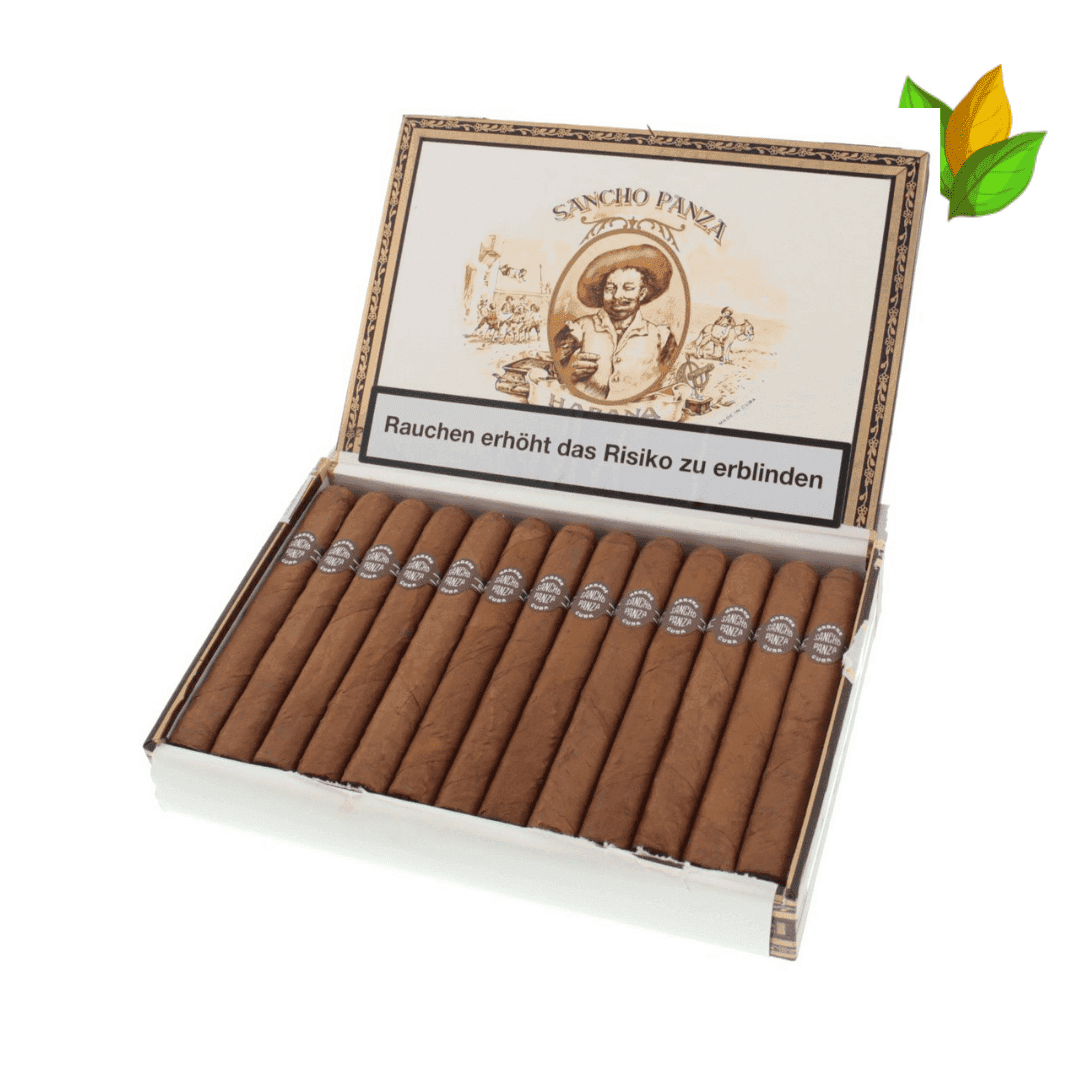
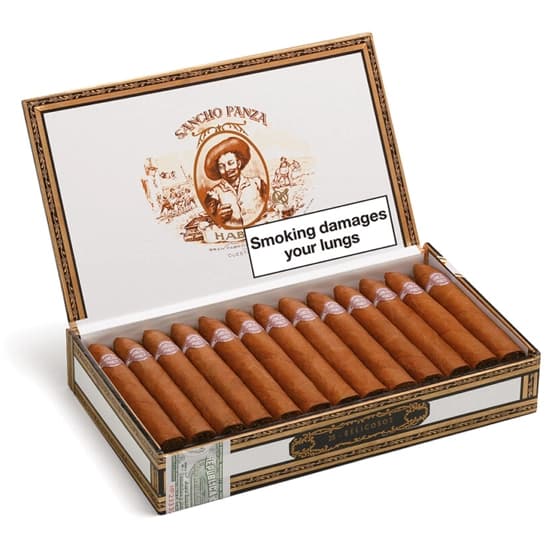
There's a peculiar romance to cigars that no longer roll off the production lines of Havana's factories. Among these ghostly treasures, the Sancho Panza Quixotes occupies a special place in the hearts of serious aficionados—a cigar that witnessed the transformation of Cuba's tobacco industry and vanished before many of today's enthusiasts ever had a chance to taste it fresh from the bench.

A Literary Legacy in Tobacco Form
The Sancho Panza brand has always worn its literary heritage proudly, taking its name from the rotund, earthy squire who accompanied the delusional knight Don Quixote through the pages of Miguel de Cervantes' masterpiece. Within this thematic framework, the Quixotes vitola made perfect sense—a direct nod to the idealistic protagonist who tilted at windmills and chased impossible dreams across the Spanish countryside.
That naming convention wasn't mere marketing cleverness; it reflected the cultural sophistication that Cuban cigar makers brought to their craft during the mid-twentieth century. The Quixotes arrived in tobacconists' shops well before Fidel Castro's revolution reshaped the island, establishing itself as a fixture in the Sancho Panza lineup during an era when Cuban cigars dominated the global luxury tobacco market without serious competition.
Dimensions and Details
For modern smokers accustomed to the robust girth of contemporary cigars, the Quixotes offers a window into a different era of smoking preferences. The specifications tell a story of restraint and elegance:
- Length: 127 millimeters (approximately five inches)
- Ring Gauge: 44
- Weight: 8.86 grams per cigar
- Packaging: Dress boxes containing 25 cigars each
That 44 ring gauge places the Quixotes firmly in corona territory—substantial enough to offer complexity and flavor development, yet slender compared to today's popular 50-plus ring gauges. The five-inch length provided a smoking experience that could be savored during a leisurely afternoon without demanding the hours-long commitment of larger formats.
The Human Touch
Every Quixotes that left the factory bore the fingerprints—literally—of skilled torcedores who had spent years mastering their craft. This was genuine handmade production, not the machine-assisted manufacturing that would later claim some vitolas. The cigars carried Standard Band A, the consistent branding approach that Sancho Panza employed across its portfolio during this period, presenting a unified visual identity that collectors now recognize instantly.
From Revolution to Retirement
The Quixotes' timeline reads like a miniature history of Cuban tobacco's most turbulent decades. Born before 1960, the cigar entered a market still dominated by private cigar manufacturers and family-owned operations. It then survived the nationalization that followed the revolutionary victory, continuing production through the 1960s as Cuba's cigar industry reorganized under state control.
Sometime during the 1970s, the decision came down to discontinue the Quixotes. The exact reasons remain somewhat obscured by time, but the discontinuation reflected broader changes sweeping through Havana's cigar factories. Brands consolidated, vitolas disappeared, and the industry focused on core offerings that could maintain consistent quality amid the disruptions of the revolutionary period. The Quixotes became one of many casualties of this rationalization—present one year, gone the next, surviving only in collectors' humidors and the memories of smokers who had enjoyed them.
The Modern Quest
Today, finding authentic Sancho Panza Quixotes requires patience, connections, and considerable financial resources. The secondary market for vintage Cuban cigars has exploded over the past two decades, driven by collectors who recognize that these discontinued vitolas represent something irreplaceable: a taste of tobacco craftsmanship from an era that will never return.
Well-preserved specimens demand careful storage conditions—consistent temperature, appropriate humidity, and protection from the various enemies that threaten aged tobacco. Cigars that have survived forty or fifty years represent tiny miracles of preservation, and their value reflects both their scarcity and the difficulty of maintaining them in smokable condition.
The brand did see a spiritual successor in the Sancho Panza Quixotes Siglo XXI, released as part of a Millennium Humidor collection, but that modern interpretation differs substantially from the original. For purists seeking the authentic pre-revolutionary and early revolutionary experience, only the discontinued original will suffice—and that singular demand has driven the Quixotes into the upper echelons of collectible Cuban cigars.