There is a certain romance attached to Cuban cigars that no longer roll off the production lines, and few examples capture this nostalgic allure quite like the Sancho Panza Panetela Larga. For enthusiasts who appreciate the rich tapestry of Havana's cigar heritage, this slender masterpiece serves as a window into a bygone era of cigar craftsmanship. While modern smokers have grown accustomed to robustos and gorditos with their substantial ring gauges, the Panetela Larga tells the story of a time when elegance and delicacy were the ultimate markers of sophistication in the smoking world.

A Glimpse Into Havana's Golden Age
The story of the Panetela Larga begins in an era many consider the pinnacle of Cuban cigar production. Before the transformative events of 1959 and the subsequent restructuring of Cuba's tobacco industry, this vitola had already established itself as a staple in the Sancho Panza portfolio. The brand itself carries a distinguished name in Cuban cigar history, named after the endearing squire from Cervantes' legendary novel Don Quixote, and the Panetela Larga embodied the brand's commitment to traditional excellence.
What makes this particular format so historically significant is its journey through Cuba's most turbulent period. The cigar survived the transition from pre-revolutionary private ownership to post-revolutionary state control, continuing to be produced during those uncertain early years. This resilience speaks to both the popularity it enjoyed among smokers and the determination of Cuban cigar makers to preserve their heritage during times of dramatic change. However, by the 1970s, shifting market preferences and production rationalization led to its eventual departure from active catalogues, leaving behind only memories and the occasional surviving box for future generations to discover.
Technical Specifications and Dimensions
The Panetela Larga was never designed for those seeking a quick, heavy smoke. Instead, it catered to the patient aficionado who understood that true pleasure often comes in slender packages:
- Factory designation: Panetelas Largas
- Dimensions: Measuring 175 millimeters (approximately 6⅞ inches) in length with a remarkably thin 28 ring gauge
- Weight: A mere 5.01 grams per cigar
- Construction: Entirely handmade by skilled torcedores
- Banding: Featured the standard band A design associated with the marca
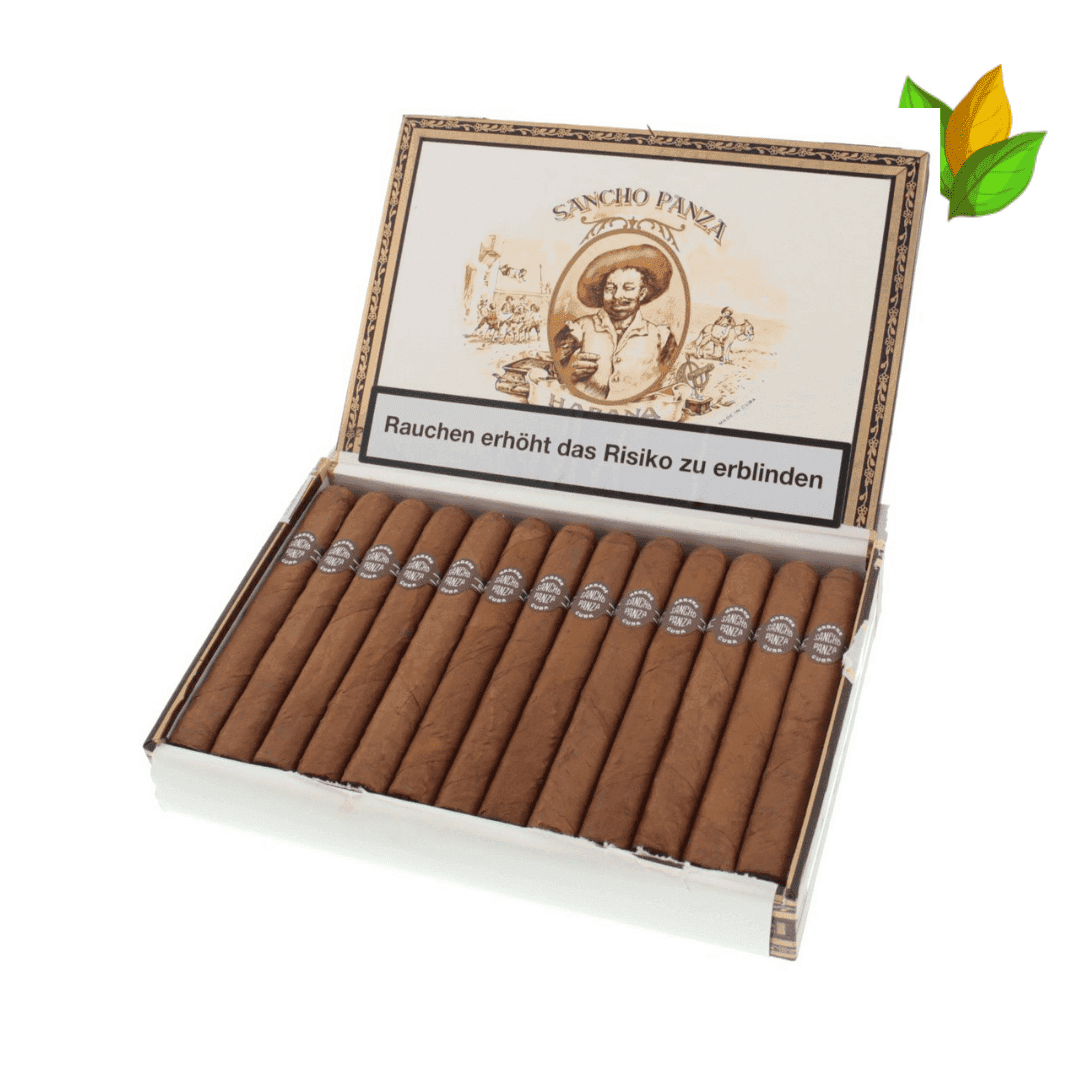
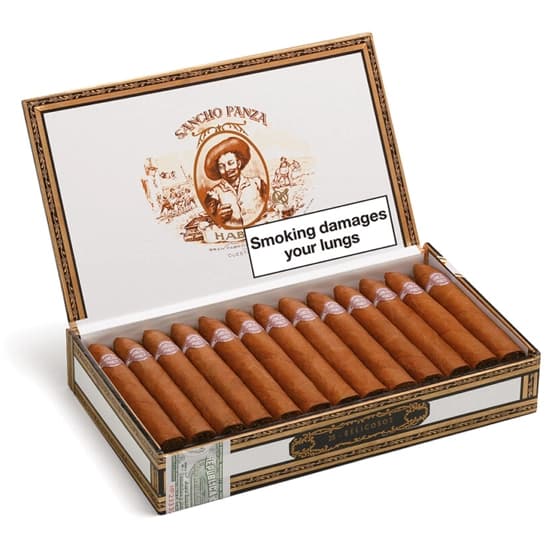
- Packaging: Presented in dress boxes of 25 cigars
These specifications place the Panetela Larga firmly in the realm of what modern smokers might consider impossibly slender. The 28 ring gauge translates to roughly 11 millimeters in diameter, creating a smoking experience that demands different techniques than today's thicker formats. Lighting such a thin cigar requires patience and precision, while the draw tends to be more delicate, concentrating the flavors into a refined expression of the tobacco blend.
The Art of the Slender Smoke
Contemporary cigar enthusiasts often express surprise when encountering vintage panetelas, wondering how such thin cigars could satisfy. Yet understanding the Panetela Larga requires setting aside modern expectations and appreciating the smoking culture of its era. Mid-20th century Havana was a world where leisure moved at a different pace, where a long, slender cigar was the perfect accompaniment to extended conversations, afternoon cafés, and the social rituals that defined elegant society.
The extended length of 175 millimeters promised a smoking duration that could stretch well beyond an hour, while the narrow gauge ensured a cool burn that allowed the tobacco's subtle complexities to unfold gradually. This was not a cigar for hurried consumption but rather one meant to be savored, each puff revealing layers of flavor that thicker formats sometimes mask. The Sancho Panza blend, known for its medium-bodied character and subtle complexity, was particularly well-suited to this elegant format, allowing the smoker to experience the tobacco in its most refined expression.
Collectibility and Modern Significance
Today, finding a genuine Panetela Larga represents something of a treasure hunt for serious collectors. As a vitola that entered the market before 1960 and exited production during the 1970s, surviving examples have become increasingly scarce. Those fortunate enough to locate well-preserved boxes or even individual cigars often find themselves possessing not merely tobacco, but tangible pieces of Cuban cigar history. The condition of surviving specimens varies considerably, and authentication becomes crucial given the rarity and potential value of these discontinued treasures.
For collectors focused on documenting the evolution of Cuban cigar formats, the Panetela Larga serves as an important reference point. It demonstrates how dramatically market preferences have shifted over the decades. The slender panetela, once a cornerstone of every major Cuban marca's portfolio, has largely given way to thicker formats that contemporary smokers prefer. This transition reflects broader changes in smoking culture, from the leisurely rituals of Havana's golden age to today's more time-constrained habits. Yet for those willing to explore beyond current trends, the Panetela Larga offers a reminder that sometimes the most rewarding experiences come in the most unexpected packages—slender, elegant, and irreplaceably vintage.