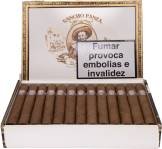
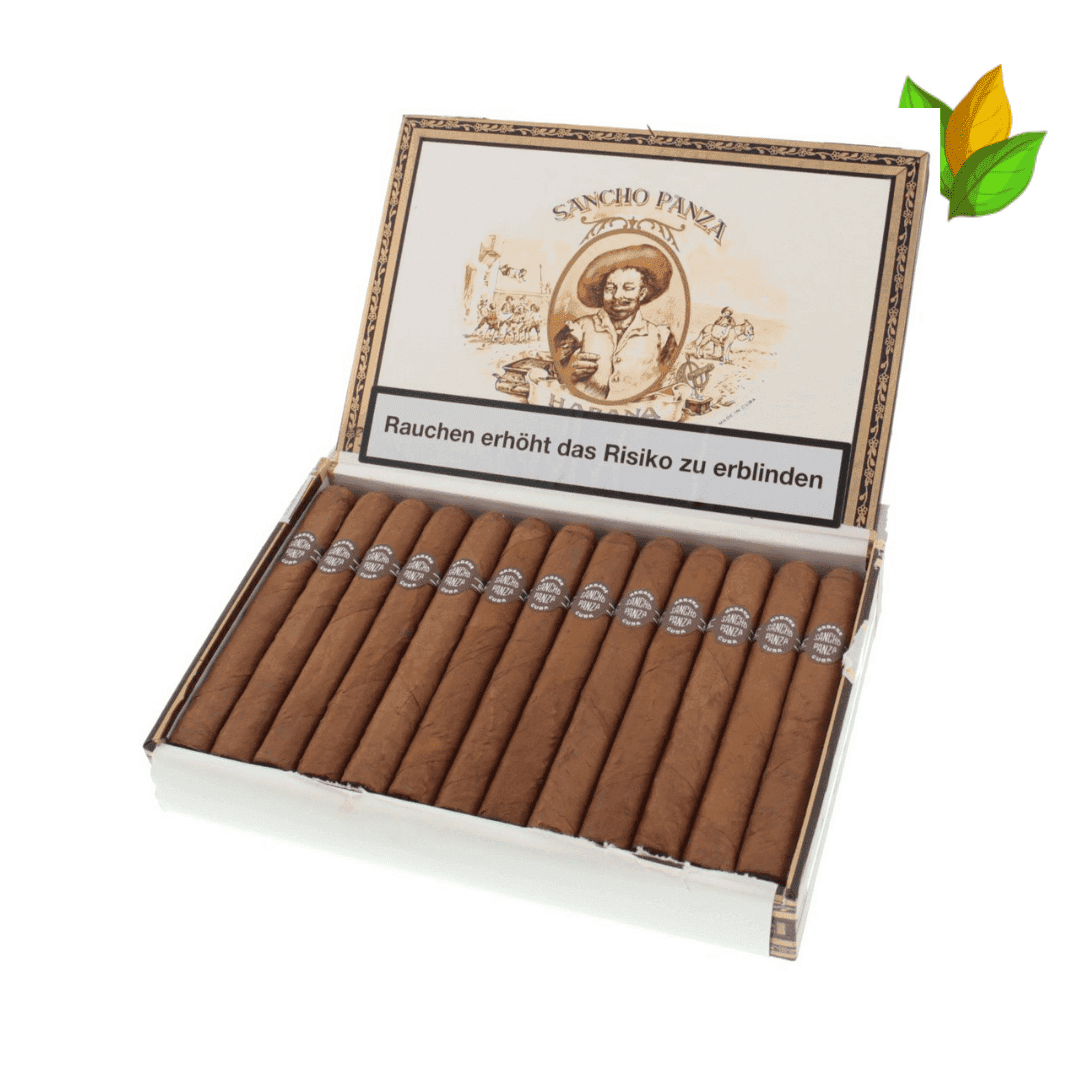
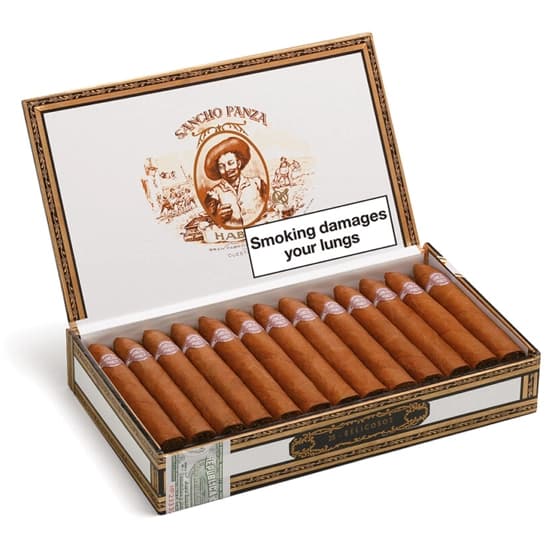
The landscape of Cuban tobacco is constantly shifting, but few departures have resonated as deeply as the discontinuation of the Sancho Panza Non Plus. For well over half a century, this cigar served as a cornerstone for the brand, delivering a smoking experience defined by tradition and consistency. While the official announcement of its retirement came in 2019, the narrative of this vitola is more complex than a simple end date. Production quietly persisted for years afterward, granting aficionados a prolonged opportunity to stock their humidors with a true classic. Now, as the remaining stocks finally dwindle, it is time to look back at the legacy of this handmade Marevas and appreciate what made it a staple for generations of smokers.

A Benchmark of Cuban Dimensions
To understand the significance of the Non Plus, one must first examine its physical form. The cigar utilizes the Marevas factory name, a format that is widely considered the gold standard for Cuban cigar construction. Measuring 129 mm (approximately 5⅛ inches) in length with a ring gauge of 42, it strikes an ideal balance between girth and duration. This size allows for a perfect combustion rate, ensuring that the flavors develop fully without requiring a massive time commitment from the smoker.
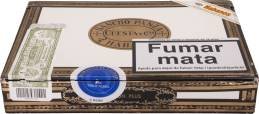
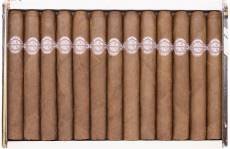
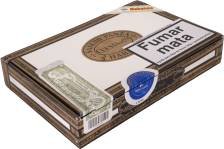
Weighing in at an official 8.46 grams, the construction was always intended to be handmade, reflecting the meticulous care of the Cuban *torcedores*. The presentation was equally traditional, typically offered in dress boxes of 25 cigars adorned with standard bands. This was not a cigar reliant on flashy marketing or novelty shapes; rather, it relied on the purity of its format. It was a no-nonsense approach to premium tobacco that appealed to the purist, representing a reliable choice for the morning or afternoon smoke.
The Smoking Experience: A Study in Nuance
What truly set the Sancho Panza Non Plus apart was its distinct flavor profile. According to extensive consumer feedback, this was never a cigar intended for those seeking overwhelming power. With a strength rating of just 2 out of 5, it positioned itself firmly in the mild-to-medium bodied category. However, a lower strength rating does not imply a lack of complexity. On the contrary, the cigar was celebrated for its sophisticated and savory character, which unfolded gently on the palate.
The flavor architecture was built upon a foundation of wood and salt, cited most frequently by reviewers. These primary notes were elegantly supported by floral undertones, creating a bouquet that was both earthy and aromatic. As the burn progressed, secondary characteristics emerged, including hints of cream, tea, and toasted tobacco. This layered approach resulted in a refined smoking session that prioritized elegance over brute force.
- Primary Notes: A distinct woody essence combined with a savory saltiness and floral touches.
- Secondary Nuances: Creamy textures, the delicate aroma of tea, and the robust taste of pure tobacco.
- Subtle Undertones: For the discerning palate, the cigar offered fleeting glimpses of oak, baking spices, bitter chocolate, cocoa, honey, leather, and pepper.
The Long Goodbye and Consumer Reception
The timeline of the Non Plus is a testament to its enduring popularity. Originally launched prior to 1960, it survived decades of industry upheaval. When Habanos S.A. signaled its discontinuation in 2019, many assumed stocks would vanish almost immediately. Surprisingly, production continued well beyond that cutoff, with fresh cigars reportedly rolling off the lines through late 2024. This extended "victory lap" allowed the cigar community ample time to acquire and cellar the vitola, ensuring that the Sancho Panza Non Plus will be enjoyed for years to come, even if no new boxes are produced.
In terms of critical reception, the cigar held a respectable position in the market. It achieved an overall rating of 3.9 out of 5, with high marks for its aftertaste—a specific attribute that scored a notable 4 out of 5. This high finish score indicates that the lingering flavors left on the palate after smoking were exceptionally pleasant and memorable. While its complexity and balance scores hovered around a solid 3.0, the overall elegance of the smoke was undeniable. It was a cigar that knew exactly what it was: a refined, approachable, and historically rich experience that served as a perfect companion for a quiet moment of reflection.