In the vast and storied timeline of Cuban tobacco, few formats capture the imagination quite like those that have vanished from production. The Sancho Panza Dulcineas stands as a monumental example of this lost heritage—a cigar that bridged the gap between the island's pre-revolutionary golden age and the structural shifts of the post-revolution era. While the Sancho Panza name remains respected among modern enthusiasts, the specific "Dulcineas" vitola represents a bygone epoch of cigar manufacturing. Produced for a limited window that closed in the 1970s, this format is now strictly the domain of collectors and historians, serving as a tangible artifact from a time when size and grandeur were paramount in the Cuban cigar lexicon.

From Literature to the Factory Floor
The nomenclature of the Sancho Panza brand has always maintained a deep connection to the literary masterpiece Don Quixote by Miguel de Cervantes. True to this tradition, the Dulcineas was named after the fictional object of Quixote’s affection, a character representing idealized love and beauty. However, in the practical world of the Havana factory, the cigar was known by a distinct alias: "Manolin." This duality of names—one romantic for the market, one functional for the torcedores (cigar rollers)—is a hallmark of traditional Cuban production.
What makes the Dulcineas particularly significant is its lifespan. It was not merely a pre-1960 relic; it survived the tumultuous transition following the Cuban Revolution. As the industry nationalized and standardized, this specific vitola remained a fixture in the regular production lineup well into the early years of the revolutionary government. Its eventual discontinuation during the 1970s marked a quiet end to a format that had witnessed some of the most turbulent decades in Caribbean history.
Dimensions of a Bygone Era
The physical attributes of the Sancho Panza Dulcineas were nothing short of impressive, categorizing it as a "giant" among its peers. Modern smokers often gravitate towards thicker ring gauges, but few contemporary cigars match the sheer imposing length of this retired classic. The vitola was designed for the patient aficionado, offering a smoking experience that could last for hours.
According to historical records, the specifications for this cigar were as follows:
- Factory Name: Manolin
- Length: 232 mm (approximately 9⅛ inches)
- Ring Gauge: 47
- Official Weight: 18.17 grams
- Status: Handmade (Discontinued Regular Production)
At nearly ten inches long with a substantial 47 ring gauge, the Dulcineas commanded attention. The construction was entirely handmade, a testament to the skill of the rollers during that period who could maintain consistency across such a large format. The "Standard Band A" designation further places it within the classic hierarchy of the brand’s visual identity during its heyday.
Presentation and Preservation
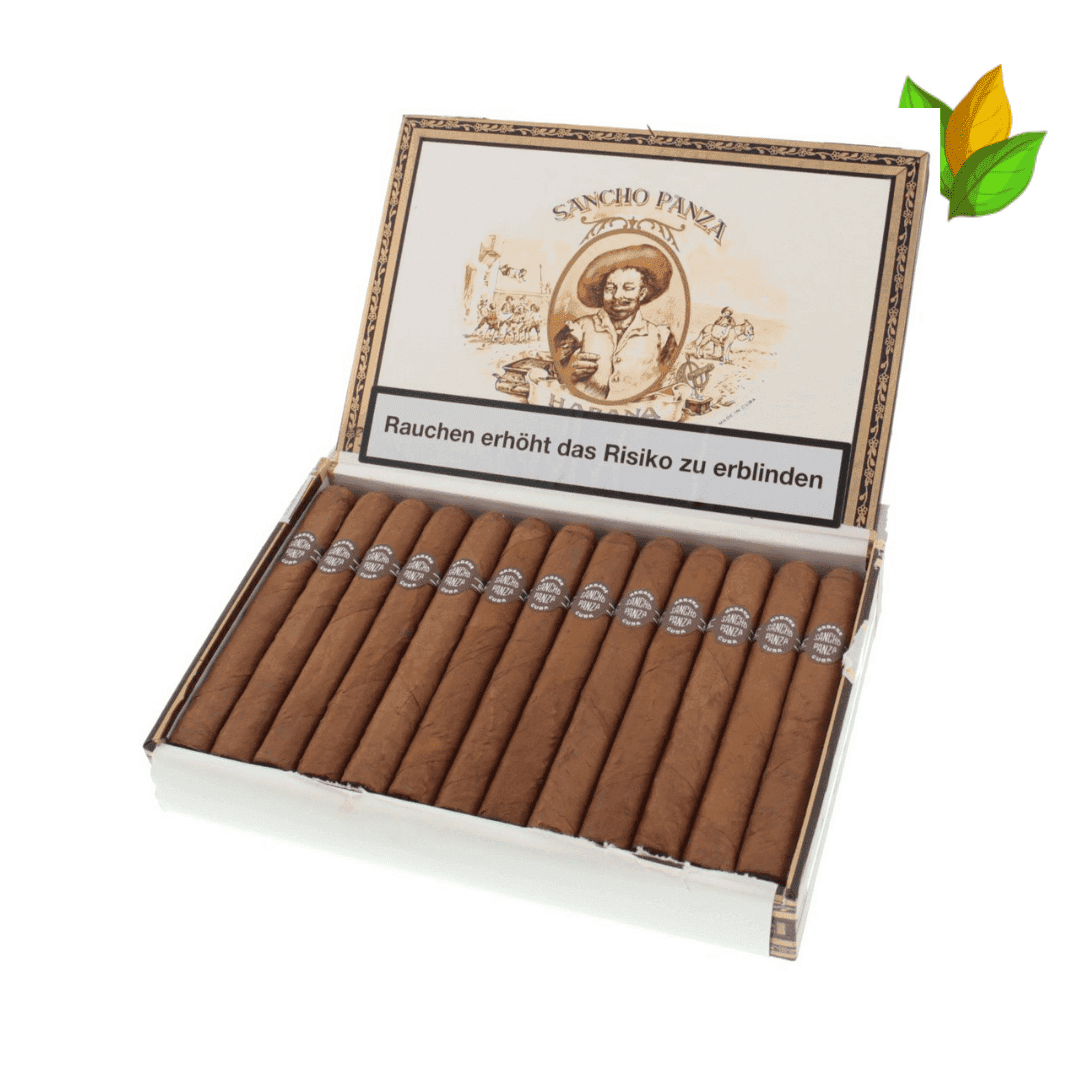
In the mid-20th century, the packaging of premium cigars was treated with a level of formality that has somewhat diminished in the modern era. The Sancho Panza Dulcineas was originally sold in dress boxes, a term referring to the ornate, decorative packaging that served as a point of pride for the brand. Each box housed a total of 10 cigars.
Crucially, the preservation method was distinct from today's standards. Every individual cigar was wrapped in aluminum foil. This practice, common for premium Cuban cigars of that era, served a dual purpose: it protected the delicate wrapper leaves from damage during transport and helped maintain the specific humidity levels required for the cigar to age gracefully. For the collector lucky enough to encounter a surviving box, this foil wrapping remains a key indicator of the cigar's authenticity and vintage provenance.
The Legacy of a Lost Vitola
The discontinuation of the Dulcineas in the 1970s was likely a result of the Cuban tobacco industry streamlining its offerings to focus on more commercially viable sizes, or perhaps due to shifts in consumer demand during that decade. However, its absence creates a sense of mystique. It serves as a benchmark for the diversity of the Sancho Panza brand portfolio, which has historically ranged from small delicacies to these massive, imposing figurados.
Today, the Sancho Panza Dulcineas exists primarily as a subject of study. It reminds enthusiasts that the history of Cuban tobacco is not just about the brands that survived, but also about the specific formats that were lost to time. For the serious cigar historian, finding a well-preserved Manolin is akin to uncovering a lost chapter of a novel—a story of craftsmanship, literary inspiration, and the changing tides of the cigar world.