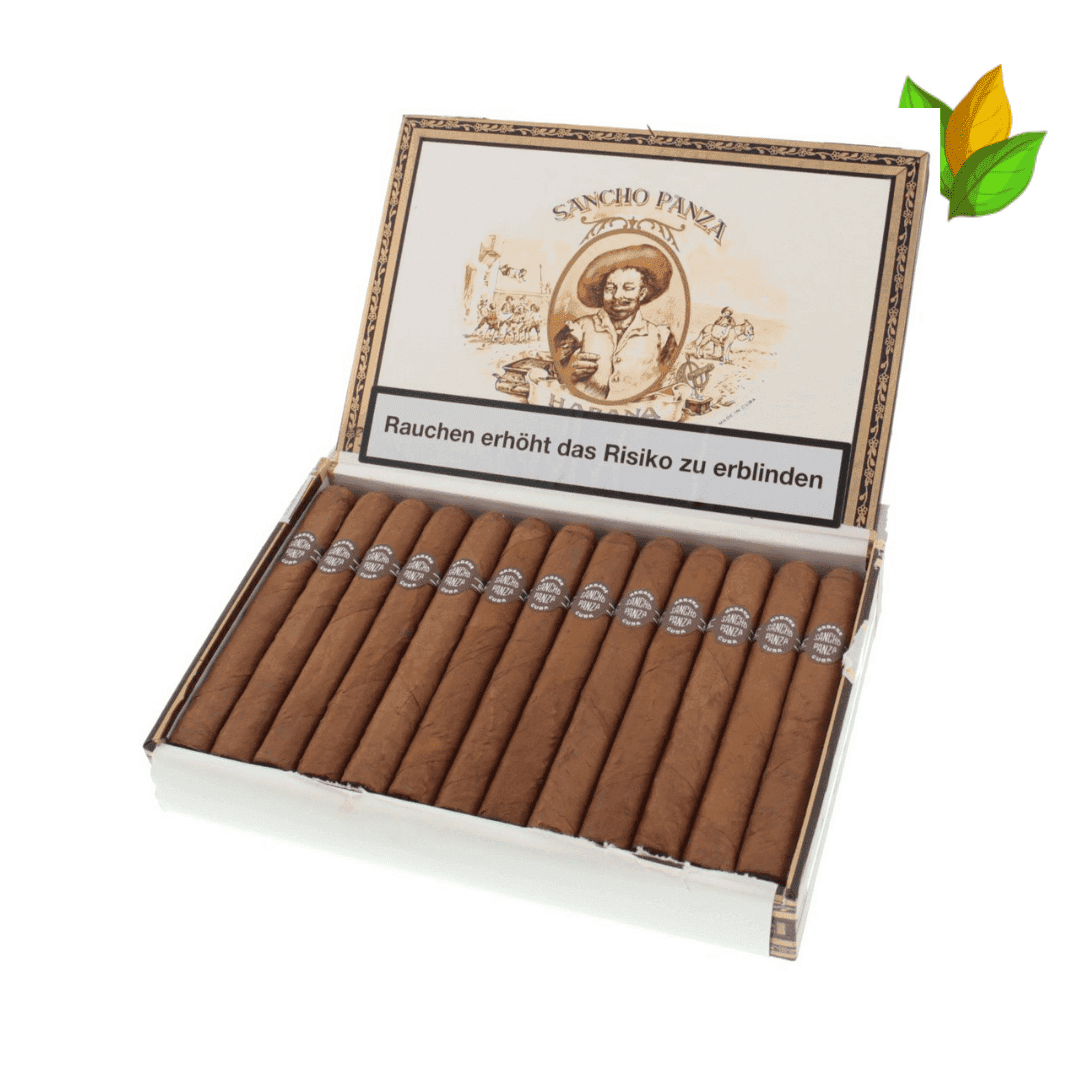
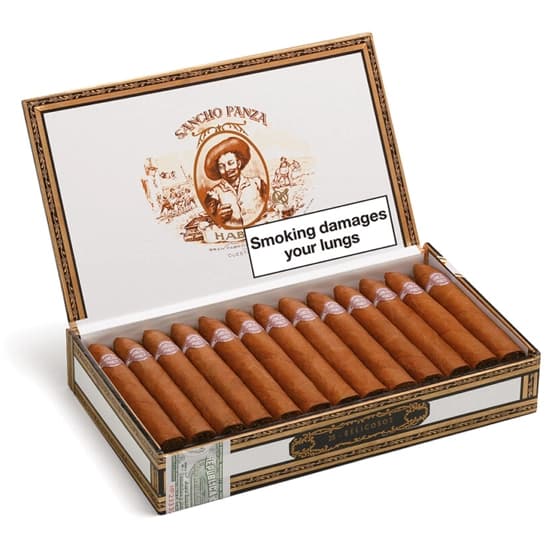
Among the storied names in Cuban cigar craftsmanship, Sancho Panza holds a distinguished place. For generations, this brand has represented a commitment to tradition and quality that resonates with aficionados worldwide. One of the most fascinating aspects of collecting Sancho Panza cigars lies in understanding how their band designs have evolved over the decades. These seemingly small visual details carry significant weight for collectors, serving as silent witnesses to changing tastes, manufacturing practices, and the broader narrative of Cuba's tobacco heritage.
The Origins of a Classic Cuban Brand
Sancho Panza cigars emerged as part of Cuba's rich cigar-making legacy, with production predating many modern Habanos brands. The name itself draws from the iconic character in Cervantes' "Don Quixote," lending the brand a literary charm that distinguishes it from competitors. Throughout its history, Sancho Panza has maintained a reputation for producing medium-bodied cigars that appeal to both novice smokers and experienced enthusiasts. The brand's longevity speaks to its ability to adapt while preserving core qualities that define its character.
Central to the brand's identity is its distinctive approach to packaging and presentation. Unlike many Cuban cigar manufacturers that employ raised or textured elements on their bands, Sancho Panza consistently utilized flat, un-embossed designs. This characteristic has become a defining feature that collectors appreciate, offering a subtle elegance that distinguishes these cigars from more ornate alternatives within the Habanos portfolio.
Decades of Design Transformation
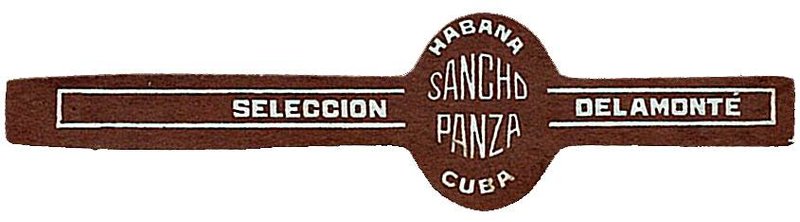
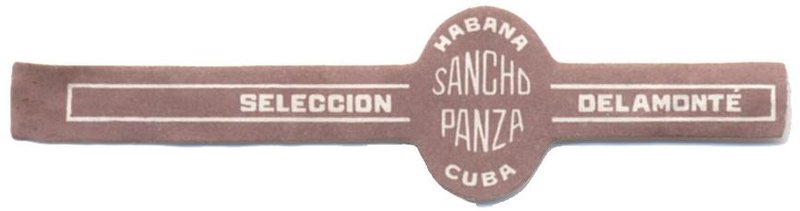
The visual journey of Sancho Panza bands spans multiple generations, each iteration reflecting the spirit of its era. The earliest official design, commonly referred to as Band A, graced cigars from the late 1950s through approximately the mid-1970s. This original incarnation featured deep, rich brown tones that conveyed a sense of gravitas and timelessness. The absence of embossing gave the band a refined simplicity that aligned with broader design philosophies of the period.
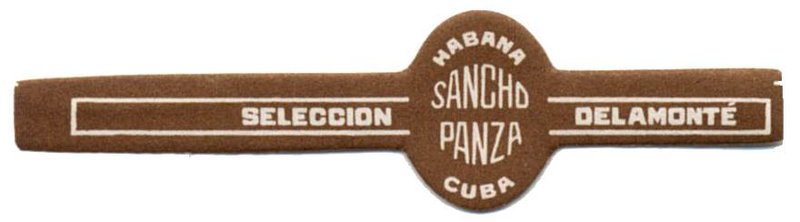
During the mid-1970s, the brand underwent its first significant visual transition with the introduction of Band B. This new design lightened the overall coloration, shifting toward a more muted, lighter brown palette. This change occurred alongside industry-wide standardization efforts that sought to unify certain aesthetic elements across Cuban cigar brands. The shift represented not merely a color adjustment but also reflected evolving preferences among manufacturers and consumers during this transformative period.
The dawn of the new millennium brought another pivotal evolution. Around 2002 to 2003, Band C entered production, introducing a unique mauve-brown coloration that set modern Sancho Panza cigars apart from their predecessors and contemporaries alike. This distinctive hue provided the brand with a fresh visual identity while maintaining enough continuity to remain recognizable to loyal followers. Today, this colorway continues to define the standard production line, symbolizing the brand's contemporary presence in the global cigar market.
The Significance for Cigar Collectors
Understanding band variations has become essential knowledge for serious collectors navigating the secondary market. These small plastic-adjacent labels carry substantial information for those seeking to authenticate vintage acquisitions or determine production dates. Each iteration tells a story about when a particular box left the factory, helping collectors piece together the provenance of their holdings.
The introduction of Band D in 2010 added another layer of complexity to the collecting landscape. Created specifically for limited edition releases and special productions, this design intentionally echoes the appearance of Band A, forging a visual connection between the brand's historic roots and its modern special offerings. This nostalgic approach resonates with collectors who appreciate when manufacturers honor their heritage while introducing new products.
Authentication represents another critical application of band knowledge. The consistent un-embossed characteristic of all Sancho Panza bands provides a reliable reference point for verifying authenticity. Counterfeiters often overlook such subtle details, making band examination a valuable first line of defense for purchasers of pre-owned or vintage cigars.
Modern Era and Continued Relevance
Today, Sancho Panza maintains its position within the Habanos family while continuing to serve dedicated enthusiasts. The coexistence of Band C for standard releases and Band D for special editions demonstrates how the brand balances accessibility with exclusivity. This dual approach ensures that both everyday smokers and serious collectors find value in the product lineup.
As the Cuban cigar industry continues navigating changing global markets and regulatory landscapes, brands like Sancho Panza serve as anchors to tradition. The evolution of their band designs encapsulates this tension between heritage and progress. Each color shift, each design iteration, represents a chapter in the ongoing story of Cuban tobacco craftsmanship. For those who take the time to study these details, the humble cigar band transforms from mere decoration into a gateway for deeper appreciation of this storied art form.