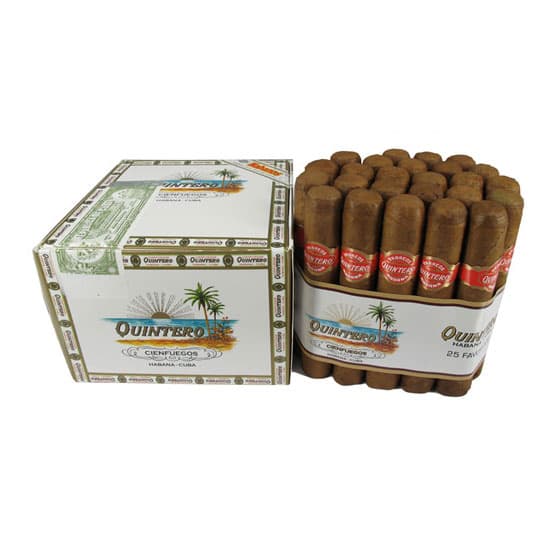
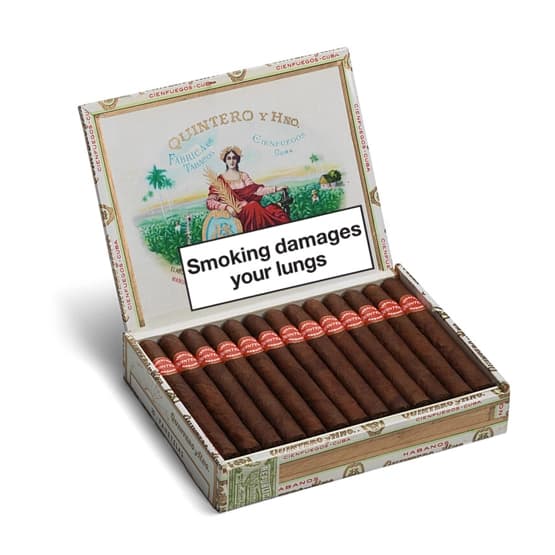
For decades, Cuban cigar enthusiasts sought out an unpretentious yet satisfying smoke that delivered genuine Habanos flavor without demanding premium prices or elaborate rituals. Among the marques that filled this niche was Quintero, a brand built on the principle that everyday smokers deserved access to authentic Cuban tobacco experiences. The Panetelas vitola emerged as one of the marque's foundational offerings—a slender, elegant format that would endure for more than forty years before eventually fading from production. This unassumingmachine-crafted cigar carved out its own chapter in Cuba's rich cigar heritage, demonstrating that simplicity and quality could coexist in the world of premium cigars.

Origins and Development
The roots of the Panetelas extend into Cuba's pre-revolutionary era, with the format establishing itself well before 1960 as part of Quintero's core portfolio. During the mid-twentieth century, Cuban cigar manufacturers began producing machine-made options to meet growing domestic demand, and Quintero embraced this approach for several of its vitolas. The Panetelas represented the brand's commitment to accessible smoking experiences—cigars that honored traditional Cuban tobacco cultivation and curing methods while remaining within reach of regular consumers.
The production timeline of the Panetelas spans an impressive four decades, finally concluding around 2002. This extended lifespan speaks volumes about the cigar's steady popularity among Cuban tobacco enthusiasts who valued its reliable character. The brand later expanded the Panetelas line by introducing a short-filler handmade version, distinguished as the Panetelas (2). This evolution demonstrated Quintero's willingness to adapt its classic formats to shifting market preferences while preserving the beloved panetela silhouette.
Physical Characteristics
The Panetelas (1) showcased the classic proportions associated with panetela vitolas—featuring a delicate 37 ring gauge paired with a 127mm length that translated to approximately five inches. These dimensions created a refined, ladylike profile that appealed to smokers seeking concentrated flavors delivered through an elegant smoking vessel. The official weight settled at 6.10 grams, contributing to the cigar's light, airy character that distinguished it from fuller-bodied options in the Quintero range.
Manufactured entirely by machine, the Panetelas benefited from the consistency that mechanized production provided. Each cigar emerged from the factory with predictable draw resistance and burn characteristics, ensuring that smokers could rely on uniform performance across boxes and purchases. The factory designation Vegueritos Mano references the historic brand associated with Cuban cigar production, connecting this modern vitola to centuries of island tobacco tradition.
Packaging Options
Quintero offered the Panetelas (1) in several configurations designed to accommodate different purchasing habits and storage preferences. The most common presentation arrived in dress boxes containing twenty-five cigars, available both wrapped in cellophane and exposed. For retailers and bulk purchasers, the cajón or cabinet box provided economical access, containing one hundred cigars per container. These varied packaging options enabled the Panetelas to serve everyone from casual occasional smokers to establishments requiring consistent inventory.
Historical Significance
The Panetelas (1) earned recognition beyond its everyday role by securing inclusion in the prestigious Siglo XXI Millennium Humidor release, a commemorative collection marking the turn of the millennium. This honor underscored the vitola's importance within the broader Quintero catalog and demonstrated that even modest machine-made formats could achieve recognition among collectors and connoisseurs.
Although production ceased around 2002, remaining stock occasionally surfaces in specialty tobacconists and collector circles. These surviving examples offer enthusiasts an opportunity to experience a piece of Cuban cigar history—a straightforward, honest smoke that embodied Quintero's democratic philosophy for over forty years.