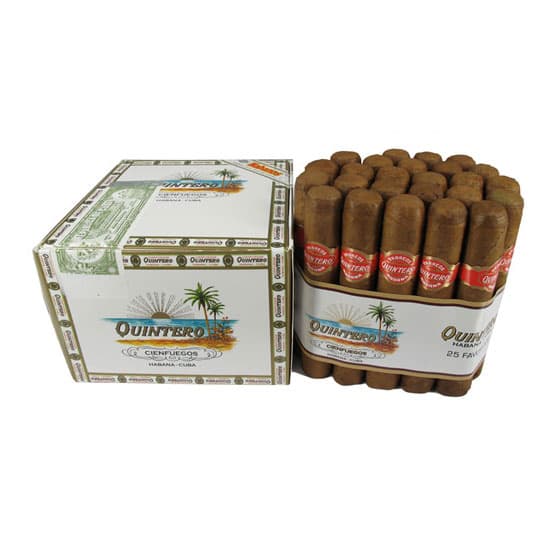
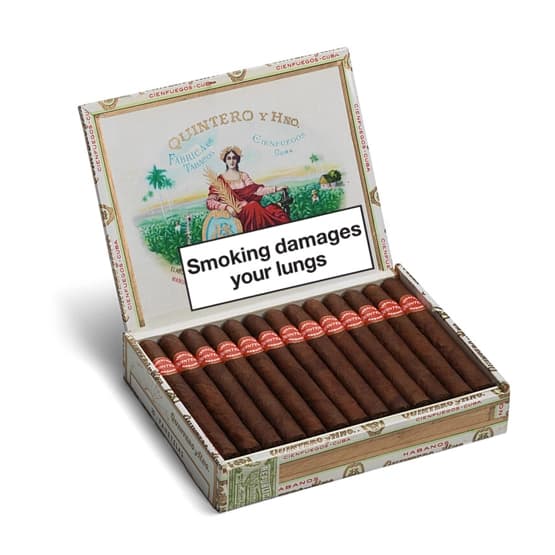
Among the landscape of Cuban cigar heritage, fewmachine-produced vitolas carry the historical weight of the Quintero Nacionales (1). This unassuming petit corona represented more than just an affordable smoke; it embodied a bridge between Cuba's legendary tobacco traditions and the practical demands of everyday smokers seeking authentic island flavor without premium pricing. For collectors navigating the complex world of discontinued Habanos, understanding the Nacional (1)'s story reveals much about how Cuban cigar manufacturing evolved across the latter half of the twentieth century.

Origins and Historical Significance
The Quintero Nacionales (1) emerged during Cuba's pre-revolutionary era, placing its debut squarely in the 1950s or earlier. The Quintero brand itself had already established itself as a producer of machine-rolled cigars designed for accessibility, and the Nacionales (1) fit perfectly within that philosophy. Unlike the handcrafted masterpieces that dominated Cuba's export market, this particular vitola welcomed smokers who wanted genuine Cuban tobacco without navigating the complexities or costs associated with premium handmade selections.
Manufacturing continued uninterrupted through decades of political and economic transformation on the island. The cigar survived nationalization of the tobacco industry, trade embargoes, and dramatic shifts in global cigar markets. Only when the calendar turned toward 2002 did Habanos S.A. officially retire the Nacionales (1), concluding a production run that spanned more than forty years. Such longevity speaks volumes about sustained consumer demand and the cigar's successful formula of quality tobacco delivered at approachable price points.
Technical Details and Construction
Mechanically produced using automated rollers rather than skilled torcedors hand-forming each bundle, the Nacionales (1) nonetheless contained authentic Cuban long and short fillers cultivated in the island's renowned Vuelta Abajo and Partido regions. The construction method enabled uniformity across millions of examples while maintaining the distinctive flavor profile that distinguishes Cuban tobacco from competitors worldwide.
Physical specifications reveal a slender profile suited to approximately thirty-minute smoking sessions. The 40-ring gauge diameter matched industry standards for petit coronas, while the 140mm length provided substantial smoking time despite the compact frame. Official weight registered at 8.28 grams, contributing to the cigar's featherlight feel in hand. A standard Quintero Band A adorned each example, visually connecting the Nacional (1) to its brand siblings and maintaining recognizable brand identity across the manufacturer's lineup.
Packaging and Availability
Throughout its production life, the Nacionales (1) reached consumers through several packaging configurations designed to accommodate varying purchase preferences and storage capabilities. Retail outlets offered cardboard packs containing five cigars, available both with and without cellophane wrapping for those who preferred immediate accessibility versus prolonged freshness. For collectors and retailers requiring larger quantities, dress boxes holding twenty-five cigars provided economical options, again available in wrapped or unwrapped formats.
This flexible packaging strategy allowed the cigar to serve dual roles as both an impulse purchase and a serious collector's item. The smaller five-pack format invited experimentation, while the twenty-five-count boxes encouraged dedicated enthusiasts to secure adequate supplies without repeated retail visits.
Collectibility and Legacy
Since discontinuation, the Nacionales (1) has appreciated among vintage Cuban cigar enthusiasts seeking examples of pre-millennium production. The machine-made construction creates an interesting distinction from contemporary handmade releases bearing the same family name. Today, the Nacionales (2) continues the legacy as a short-filler handmade vitola, offering modern smokers a handcrafted interpretation of the Nacional concept. This creates a fascinating comparison opportunity for collectors who wish to experience how construction methodology influences flavor and character within the same brand tradition.
The Nacional (1) occupies a unique position in Cuban cigar historiography. It represents a vanished era when machine production made authentic Cuban tobacco accessible to broader audiences before economic and regulatory shifts narrowed availability. For those assembling comprehensive collections of discontinued Habanos, acquiring well-preserved examples of this machine-made marvel provides essential context for understanding Cuba's tobacco industry evolution during a transformative half-century.