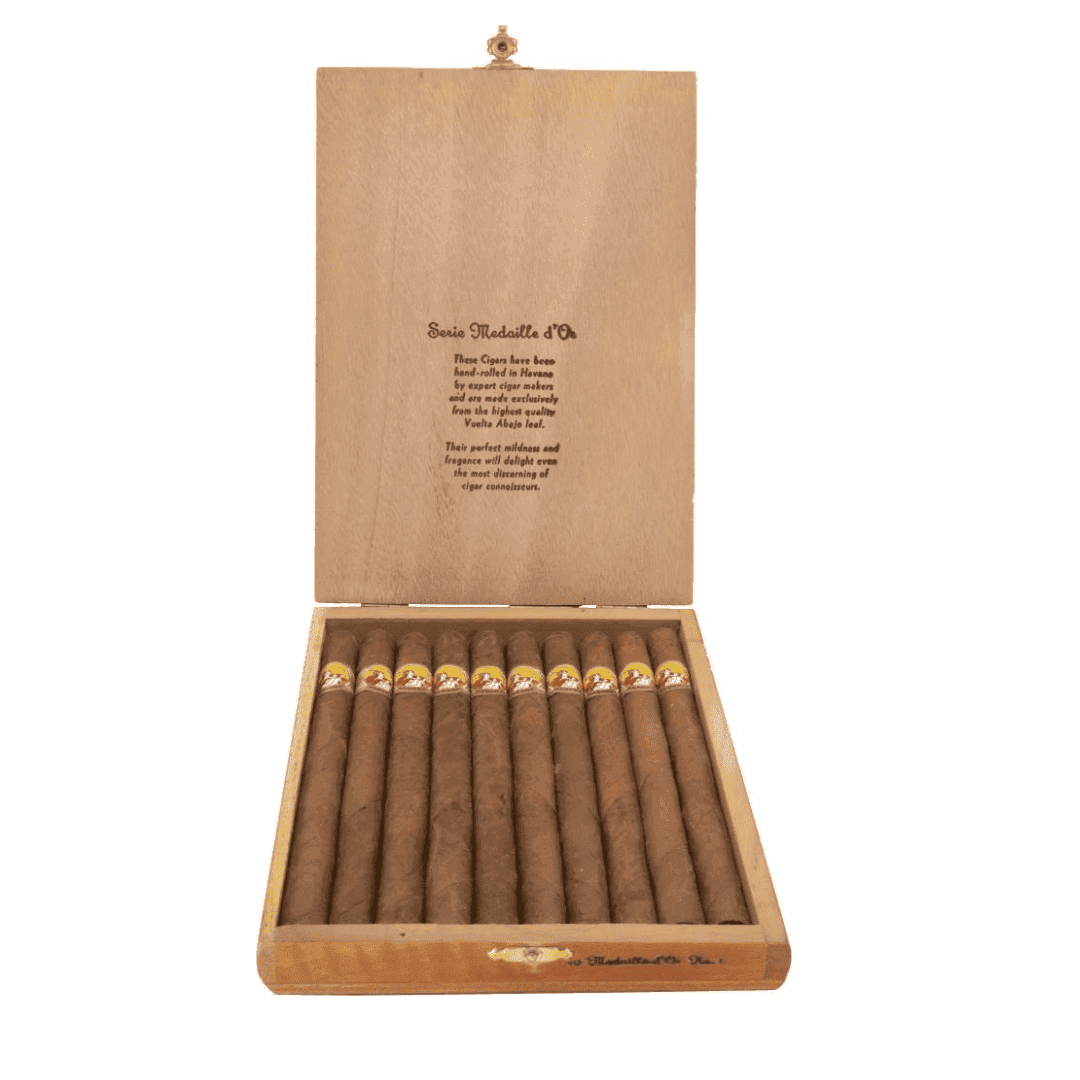
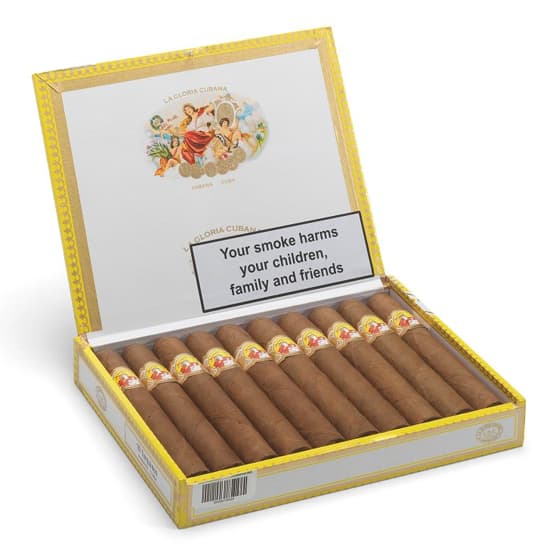
Within the vast and storied landscape of Habanos, certain names echo with a resonance that transcends time, evoking images of smoky lounges and mid-century elegance. Among these, the La Gloria Cubana Turquinos stands out as a fascinating historical artifact. While the La Gloria Cubana brand is currently celebrated for its medium-bodied, floral aromas, the Turquinos tells a different tale from a bygone era. It serves as a tangible link to a transformative period in Cuban tobacco production, representing a machine-made vitola that has long since vanished from standard production lineups, leaving behind a legacy that is highly prized by modern collectors.

A Journey Through Pre and Post-Revolutionary Cuba
The timeline of the Turquinos places it directly in the crosshairs of history. This cigar was born prior to 1960, firmly establishing its roots in the pre-revolutionary golden age of Cuban tobacco. Unlike many modern offerings that were developed decades later, the Turquinos was a staple of the mid-20th century, bridging the gap between the traditional methods of the past and the industrial shifts that occurred after the revolution.
Production of this specific vitola continued even as the Cuban tobacco industry underwent massive restructuring in the early post-revolutionary years. However, its lifespan was finite. By the 1970s, the Turquinos was permanently discontinued. This cessation marked the end of an era for this particular format, making any surviving boxes time capsules that capture the manufacturing nuances of a Havana that no longer exists.
Technical Specifications and Visual Profile
The Turquinos was designed with a distinct aesthetic that favored elegance over girth, a characteristic common to the smoking preferences of the mid-20th century. Modern aficionados, accustomed to the robust ring gauges of today, might find the dimensions of this vintage stick remarkably slender.
- Vitola Dimensions: The cigar measures 125 mm (approximately 4 7/8 inches) in length with a ring gauge of 39. This slender profile creates a focused smoking experience, often intensifying the flavor concentration.
- Construction Method: Unlike the hand-rolled masterpieces that dominate the premium market today, the Turquinos was a machine-made product. This method was indicative of the era's push toward mechanized efficiency while still utilizing Cuban leaf.
- Packaging and Presentation: The cigars were presented in dress boxes of 25, a standard for export quality goods. They featured the standard "Band A" design associated with La Gloria Cubana, maintaining visual consistency across the brand's portfolio.
- Official Weight: Each cigar carried an official weight of 6.21 grams, reflecting the density and compact fill expected of the machine-made process of that time.
Collectibility and the Modern Market
For the serious aficionado, the allure of the Turquinos lies almost exclusively in its scarcity. Because production ceased during the 1970s, finding a box today is an exceptionally rare occurrence. These are not cigars that can be ordered from a standard catalog; they are discovered in private collections or specialized auctions, often commanding significant attention and high prices.
The machine-made construction, which might be viewed as a detriment in a modern premium cigar, is here seen as a hallmark of historical authenticity. It offers a glimpse into the industrial capabilities and flavor profiles preferred by Cuban smokers fifty or sixty years ago. The slender 39 ring gauge, combined with the aged tobacco, would likely deliver a smoking experience that is vastly different from contemporary hand-rolled releases—potentially more focused, linear, and distinct. As a result, the La Gloria Cubana Turquinos remains a highly sought-after prize for those looking to taste the history of the island.