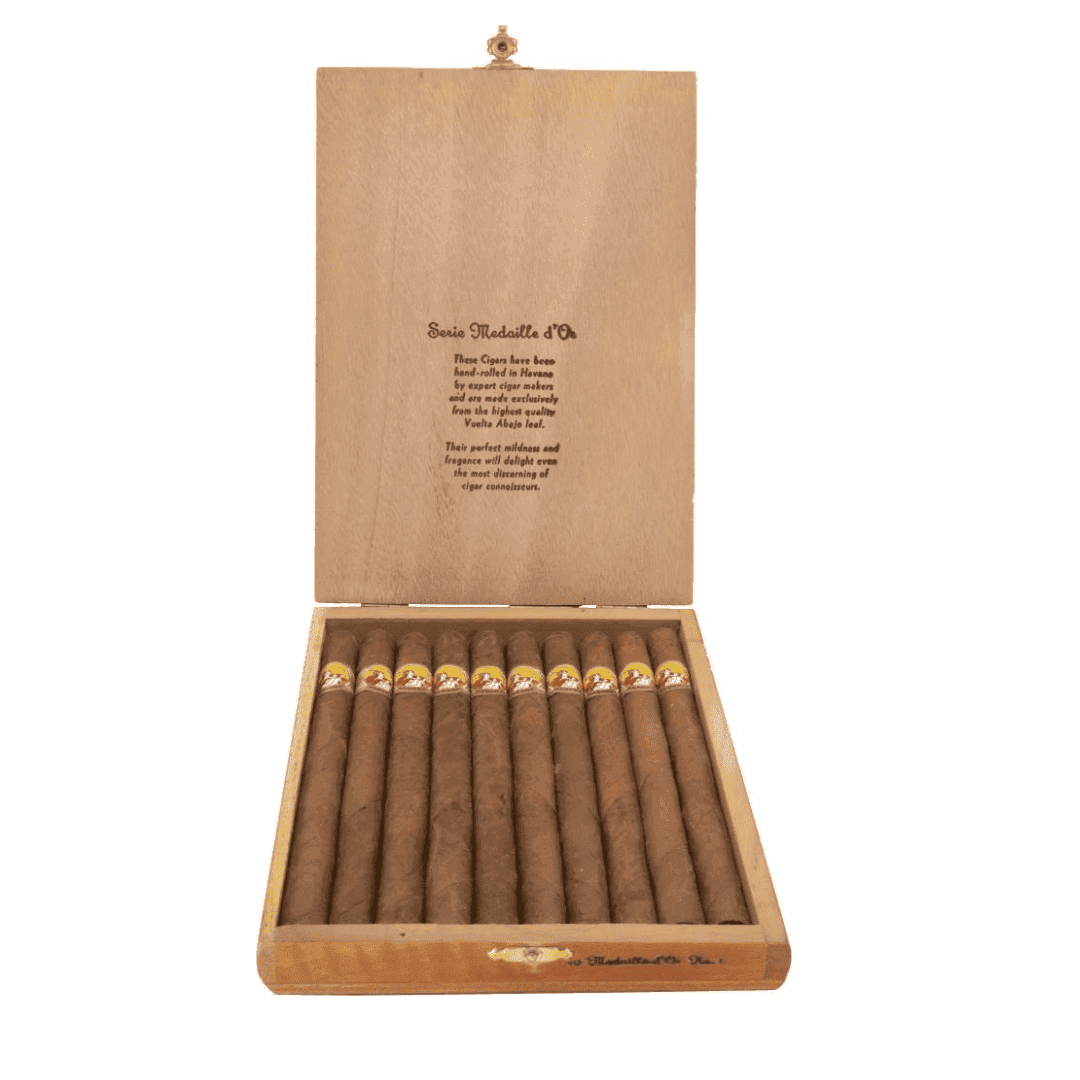
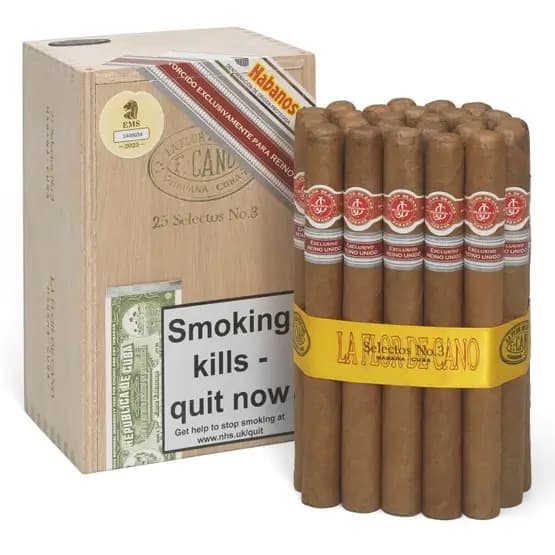
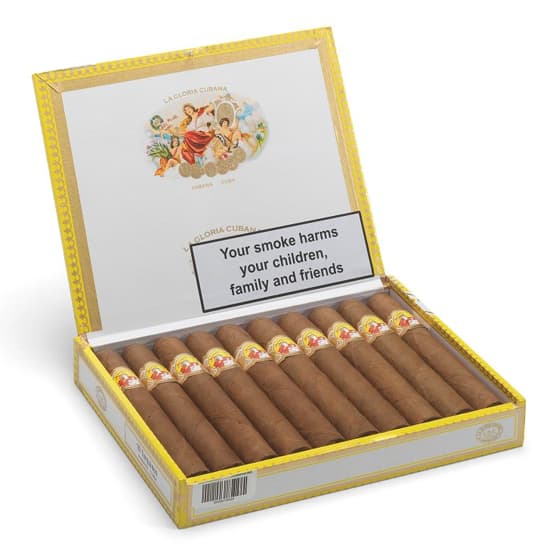
In the nuanced world of premium tobacco, few elements tell a story as compelling as the cigar band. For the esteemed La Gloria Cubana brand, these paper rings are far more than simple labels; they are historical artifacts that chronicle the rise and endurance of one of Cuba's most celebrated marques. A close examination of their packaging reveals a timeline of prestige, offering collectors and smokers a visual language to decipher the cigar's origin and status. Understanding the subtle shifts in these designs provides a deeper appreciation for the brand's legacy, transforming a simple smoke into a journey through Havana's rich past.
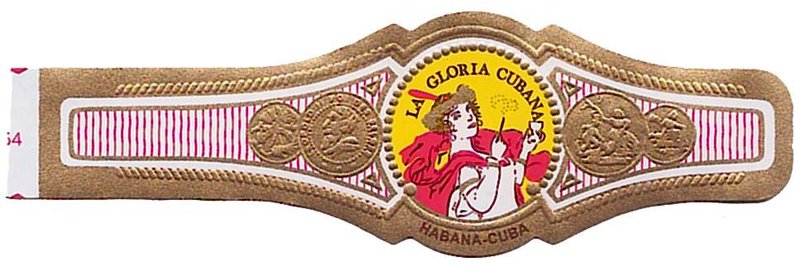

The Historic Reign of the Classic Design
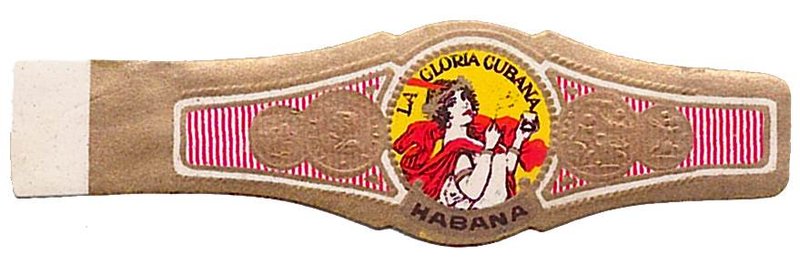
For the vast majority of the brand's modern history, a single, iconic design served as the face of La Gloria Cubana. This specific labeling, known among connoisseurs as Standard Band A, established the visual identity for the marque over an impressive span of nearly sixty years. Its longevity is a testament to its timeless appeal and the brand's consistent quality.
This classic band dominated the market from the pre-1960 era—predating the nationalization of the industry—through the turn of the millennium, only officially concluding its run in 2017. Because it presided over what many consider the "golden age" of Cuban cigar production, it remains the most widely recognized symbol associated with the name. The design was not merely printed; it featured a distinct embossed texture. This raised detailing provided a tactile elegance that signaled luxury, adding a layer of depth that flat printing could not achieve. For decades, the presence of this embossed band was the primary marker of authenticity, guaranteeing the smoker that they were experiencing a genuine article from the island.
The Introduction of the Modern Special Release Band
As the global market for rare and limited-edition tobacco expanded, La Gloria Cubana recognized the need to visually differentiate its exclusive offerings from its standard production line. This necessity birthed Standard Band B, a design that launched in 2009. While it shares the DNA of its predecessor, specifically through the continued use of refined embossing, its purpose is distinct.
This secondary design was created specifically to identify special releases and limited editions. When a smoker encounters this band in the current market, it serves as an immediate visual cue that the cigar is not part of the regular production schedule. Whether it is a unique vitola or a specially aged batch, the band communicates exclusivity. It separates the rare from the routine, allowing collectors to instantly spot a gem that warrants a premium price or a spot in the humidor for long-term aging. This dual-band approach allows the brand to maintain its classic identity while simultaneously carving out space for innovation and exclusivity.
Artistry in Limited and Regional Editions
Beyond the standard and special release labeling, the brand has occasionally commissioned highly elaborate bands for its most prestigious offerings. These are not mere variations but rather works of art reserved for specific occasions. When La Gloria Cubana releases a commemorative edition or a regional exclusive, the packaging often receives an upgrade to match the tobacco's significance.
- Enhanced Craftsmanship: These bands often feature intricate detailing, gold foil application, or extended artwork that wraps further around the cigar, showcasing a level of craftsmanship that exceeds standard production costs.
- Regional Distinction: Many of these ornate designs are created specifically for Regional Editions, produced in limited quantities for specific markets such as Asia Pacific or Europe, making the band a crucial marker of provenance.
- Commemorative Status: Special bands are frequently used to mark significant anniversaries or milestones in the brand's history, serving as a collector's item in their own right.
A Visual Timeline of Authenticity
Navigating the history of La Gloria Cubana requires an understanding of these visual markers. The timeline of the bands provides a roadmap for authentication and valuation. The transition from the pre-1960 designs to the modern era is starkly demarcated by the shift in 2017, while the introduction of the secondary band in 2009 marks a pivot toward a more segmented market strategy.
For the modern enthusiast, the distinction is clear. The embossed classic band represents the storied history and standard quality that built the brand's reputation. In contrast, the secondary band, used from 2009 to the present, highlights the brand's evolution and its response to a market hungry for unique, limited experiences. By recognizing these differences, a smoker can instantly decode the heritage of the cigar in their hand, ensuring they know exactly what history they are about to ignite.