For decades, the world of premium Cuban cigars has been shaped by legendary brands that defined craftsmanship and tradition. Among these storied names, La Gloria Cubana carved out a reputation for excellence that continues to resonate with collectors and smokers today. One of the most intriguing chapters in this brand's history involves a modest-sized vitola that quietly anchored the lineup for generations before vanishing from production schedules. This is the story of a diminutive yet significant cigar that carried the factory designation Franciscanos.

The Origins of a Classic Format
The Minutos vitola emerged well before the turbulent decade of the 1960s, placing it among the founding formats that helped establish La Gloria Cubana's identity in the Cuban cigar industry. Unlike some newer entries that experimented with unusual dimensions, this particular size adhered to classic proportions that had proven their appeal over many years. The timing of its introduction reflected a period when Cuban cigar manufacturers were refining their portfolios to emphasize consistency and heritage.
Measuring precisely 116 millimeters in length with a 40-ring gauge, the Minutos occupied a comfortable position in the medium robusto category. This translated to approximately four and five-eighths inches of smoking pleasure, making it an approachable size for both novice enthusiasts and seasoned connoisseurs. The weight of 6.72 grams positioned it as a substantial yet not overpowering option within daily smoking rotations.
Construction and Presentation Details
Every aspect of the Minutos reflected the meticulous standards that characterized Cuban cigar production during its era. The construction was entirely handmade, employing skilled torcedors who crafted each cigar using traditional techniques passed down through generations of factory workers. The wrapper and binder combination was selected to complement the thoughtful blend, creating a smoking experience that balanced flavor development with structural integrity.
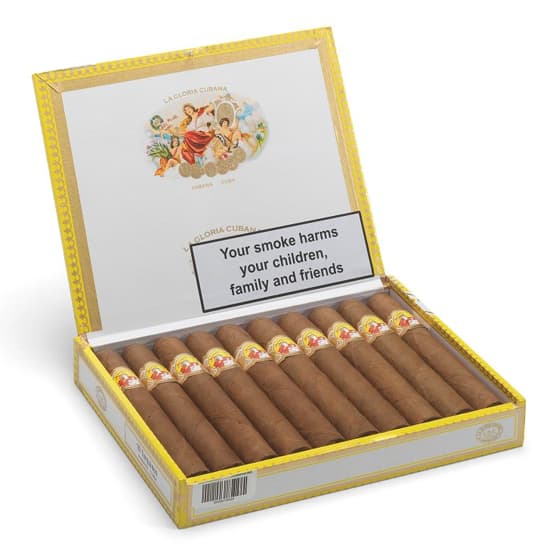
The visual presentation included a standard band designated as band A, which bore the distinctive La Gloria Cubana branding. This modest adornment avoided excessive ornamentation, letting the quality of the smoke itself serve as the primary selling point. Packaging consisted of slide-lid boxes containing 25 cigars each, a configuration that provided adequate aging potential while remaining practical for retail display and customer purchase.
Production Timeline and Market Presence
The Minutos enjoyed an impressively long tenure in active production, spanning several decades before factory schedules shifted and this particular vitola was ultimately retired. The discontinuation occurred during the 1980s, marking a significant turning point for enthusiasts who had come to appreciate its consistent character. As a regular production item during its peak years, the cigar achieved wide distribution across authorized retailers worldwide.
The eventual phasing out represented more than merely another format change; it signaled the conclusion of an era characterized by certain established sizes that had become integral to their respective brand identities. Collectors increasingly recognized the historical value embedded within these discontinued vitolas, transforming them into sought-after commodities on the secondary market.
Legacy and Contemporary Commemorations
While the original Franciscanos Minutos ceased production decades ago, its spirit has occasionally resurfaced through special releases that pay homage to the beloved format. The Siglo XXI Millennium Humidor edition stands as a notable example, incorporating representations of this classic vitola within an anniversary collection designed for discerning collectors. These commemorative releases demonstrate the enduring appeal of traditional dimensions that defined an earlier generation of Cuban cigar manufacturing.
The Minutos continues to occupy a special position in the narrative of La Gloria Cubana, representing an era when certain sizes achieved almost cult-like status among dedicated followers. Though no longer rolling from Cuban tables, its legacy persists through the appreciation of vintage specimens and the periodic revival of its fundamental characteristics in limited offerings.