Among the pantheon of Cuban cigar vitolas that have captured the imagination of aficionados worldwide, the La Gloria Cubana Glorias stands as a remarkable testament to an era when Cuban cigar craftsmanship was evolving rapidly. This particular size, now long retired from regular production, embodies the character and traditions of pre-revolutionary Cuban tobacco culture. For collectors and historians alike, the Glorias represents not merely a smoking experience but a tangible connection to a pivotal period in the island nation's rich cigar-making heritage.

A Window into Pre-Revolutionary Cigar Culture
The Glorias made its debut in Cuban humidors well before the transformative events of the early 1960s, earning its place as one of the earliest offerings within the La Gloria Cubana portfolio. Its production run spanned approximately two decades, a period that witnessed significant changes in Cuban cigar manufacturing techniques and marketing approaches. The vitola was crafted during what many historians consider a golden age for premium Cuban tobacco, when factories operated under different economic conditions and export markets were expanding. Though documentation regarding the specific factory where these cigars were rolled remains scarce, the quality of construction suggests they emerged from one of Havana's renowned establishments. By the 1970s, the Glorias had been retired from the standard lineup, leaving behind a legacy that would eventually inspire commemorative releases decades later.
Technical Profile and Construction
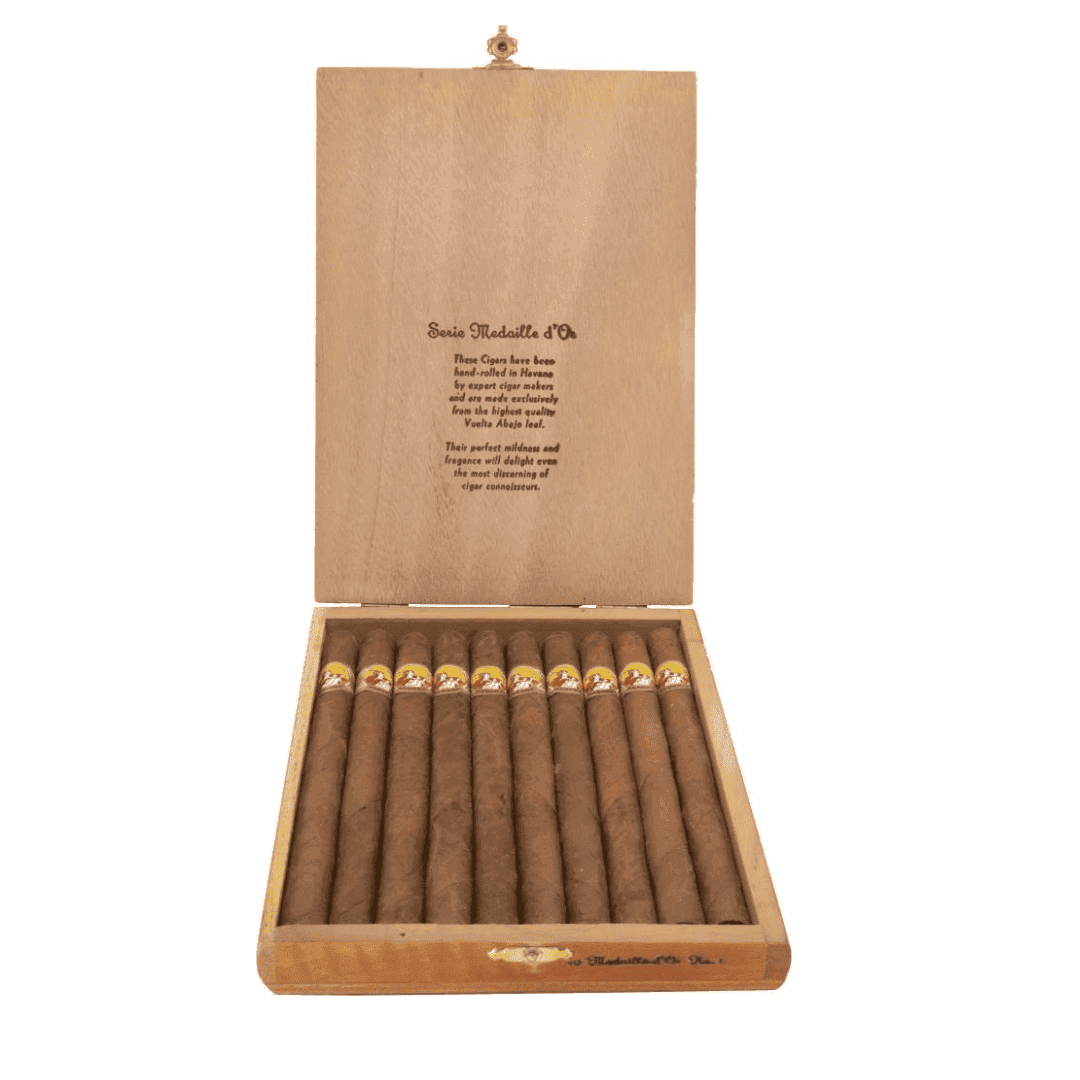
The physical characteristics of the Glorias contributed significantly to its appeal among smokers of its era. Measuring 162 millimeters in length with a 46-ring gauge, this vitola offered a substantial smoking duration and a drawing experience that showcased the complex flavor profiles possible with Cuban tobacco. The official weight of 12.33 grams placed it firmly in the medium-to-full body category, suitable for experienced enthusiasts seeking a robust smoking session. Each example was entirely handmade, reflecting the labor-intensive methods that defined Cuban cigar production during the mid-twentieth century. The standard band A, featuring the distinctive La Gloria Cubana branding of the period, adorned each cigar, identifying it as part of the marque's regular production rather than a limited or regional offering.
Presentation and Merchandising
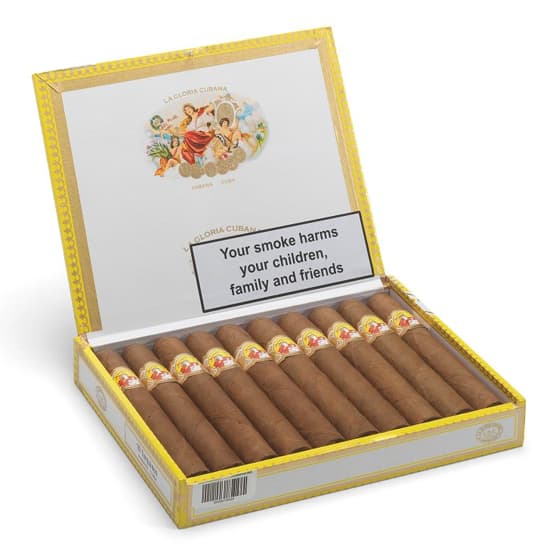
The packaging philosophy for the Glorias followed established Cuban conventions of the time. Twenty-five cigars were housed in traditional dress boxes, a presentation style that balanced elegance with practicality for both retail display and customer transport. This quantity represented the standard count for premium Cuban vitolas during that era, allowing smokers to maintain proper humidity levels while enjoying their purchase over extended periods. The dress box design incorporated the aesthetic sensibilities of mid-century Cuban marketing, featuring clean lines and dignified typography that communicated the cigar's premium status. Collectors today prize these original boxes for their historical significance and the window they provide into packaging trends of the period.
Enduring Influence and Contemporary Tributes
Although the original Glorias vanished from production four decades ago, its influence persists through various special edition releases that have revisited the vitola's dimensions and character. The Glorias Siglo XXI Millennium Humidor brought the size to international attention during the millennium celebrations, while the Edición Regional 5ta Avenida introduced it to new markets through regional distribution channels. Perhaps most significantly, the La Casa del Habano Exclusivo allowed select retailers to offer their own interpretations of the classic size, ensuring that contemporary smokers could experience a vitola inspired by the original. These tributes demonstrate the enduring appeal of the Glorias format and its importance within the La Gloria Cubana heritage.
Today, original examples of the pre-1970s Glorias command premium prices among serious collectors, not merely for their smoking potential but as artifacts of Cuban cultural history. The vitola remains a touchstone for understanding how pre-revolutionary Cuban cigar manufacturers approached size selection and blending, offering insights that continue to influence contemporary production philosophies.