In the shifting landscape of Cuban tobacco, few things remain constant. Brands evolve, sizes are renamed, and specific vitolas are often retired to make way for modern trends. Among the casualties of this evolution is the La Gloria Cubana Cetros, a cigar that once stood as a pillar of the brand’s regular production lineup. While the La Gloria Cubana name remains prestigious, this specific format has vanished from shelves, leaving behind a legacy that serves as a fascinating case study for cigar historians and collectors alike.

A Heritage Born Before the Revolution
The story of the Cetros is deeply rooted in the pre-1960 era of Cuban cigar manufacturing. Unlike many limited editions or special releases that appear today, this particular cigar was a workhorse—a standard bearer for the brand for decades. Its creation dates back to a time when the Cuban cigar industry was undergoing significant transitions, yet it maintained a presence in the catalog long after the nationalization of the industry.
Production of this handmade classic continued steadily until the early 1990s. This period marked a tumultuous time for Habanos S.A., the global distributor of Cuban cigars. The company was streamlining its vast portfolio, leading to the discontinuation of several traditional sizes. The decision to cease production of the Cetros signaled the end of a specific chapter for La Gloria Cubana, removing a long-standing option from the connoisseur's repertoire.
The Elegance of the Cervantes Dimensions
At the heart of the Cetros' identity is its physical structure. In the factory nomenclature, the size is known by its vitola de galera name: Cervantes. This designation is critical for understanding the cigar's smoking profile, as it places the Cetros in the same category as the renowned Lonsdale format.
The specifications reveal a cigar built for elegance rather than brute force:
- Length: A generous 165 mm (approximately 6½ inches).
- Ring Gauge: A slender 42.
- Weight: Approximately 10.80 grams per cigar.
This slim format was once the standard for sophisticated smoking, offering a cooler draw and a more concentrated flavor profile compared to the thick " gordos " preferred in the contemporary market. The construction was entirely handmade, adhering to the rigorous quality controls of its era, and it featured the brand's standard "Band A" design on the cap.
Presentation and Limited Revivals
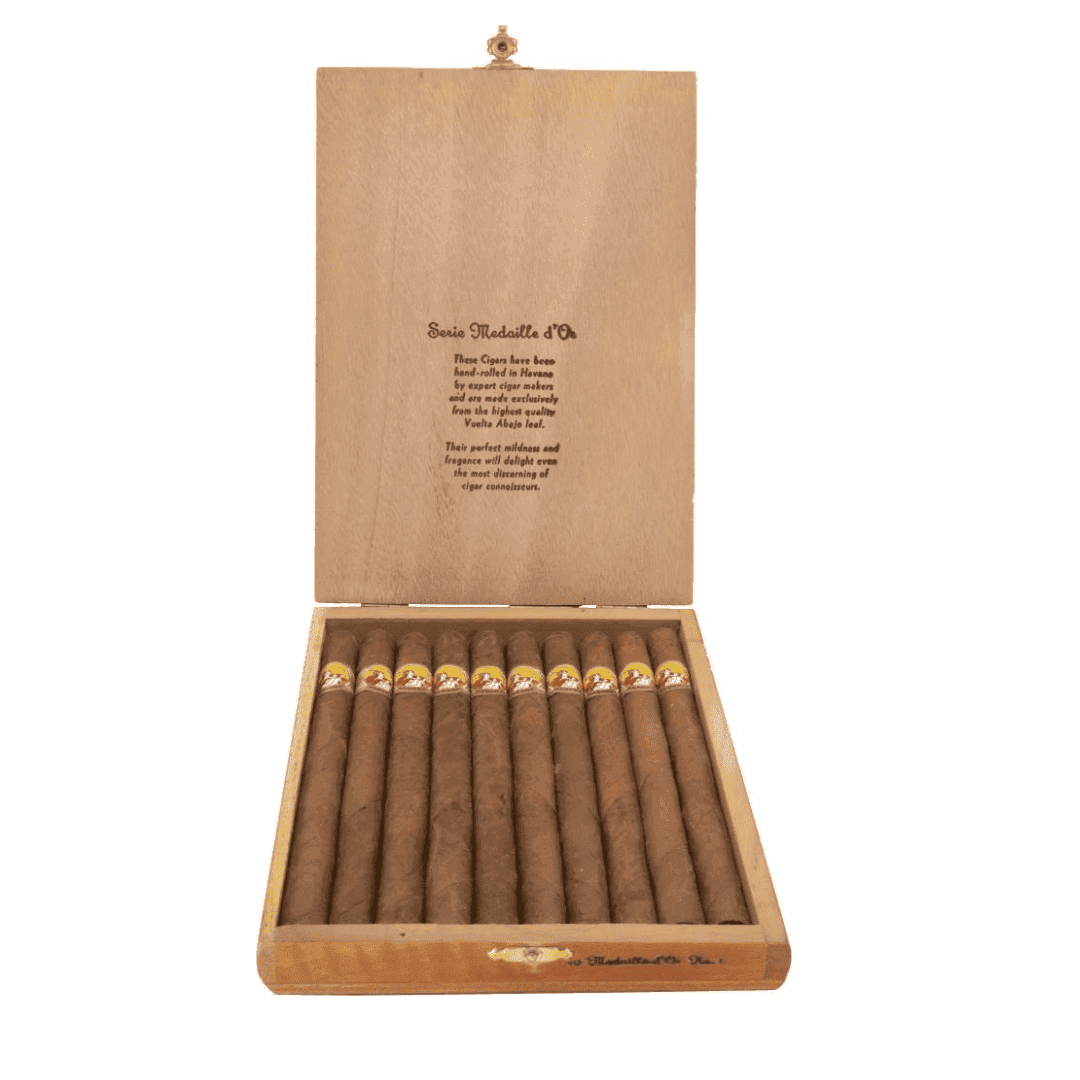
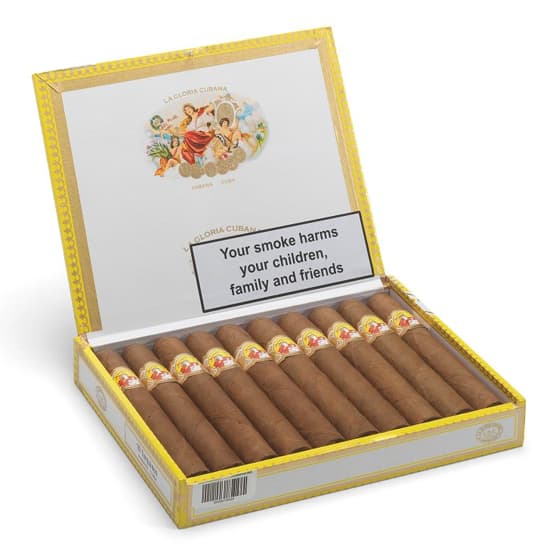
During its production life, the La Gloria Cubana Cetros was presented in a traditional manner that appealed to the practical needs of retailers and smokers. The cigars were packaged in semi boîte nature boxes, each containing 25 units. This presentation style—characterized by plain wood boxes with slide lids—emphasized the organic nature of the product and remains a nostalgic aesthetic for vintage collectors.
While the regular production line was shuttered in the early 90s, the DNA of the Cetros was briefly resurrected for a special occasion. The vitola was included in the Siglo XXI Millennium Humidor, a special release that celebrated the turn of the century. This limited inclusion served as a final nod to the format's importance, offering a brief encore before it receded entirely into history.
The Modern Collector's Challenge
Today, finding a genuine La Gloria Cubana Cetros is a significant challenge. Since the cigar has been out of production for over three decades, standard retail channels no longer carry stock. The discontinuation date places these cigars firmly in the realm of "vintage" or "extinct" tobacco.
For the determined enthusiast, the only recourse is to scour secondary markets, estate sales, or private collections. However, the passage of time has taken a toll on availability. Even when a box is located, the potential for condition issues—such as dried-out wrappers or flavor degradation—is high. Consequently, the Cetros has transitioned from a daily smoke to a museum piece, a tangible reminder of the La Gloria Cubana brand's storied past and the changing tastes of the cigar world.